 SCIENTIFIC SKIN, HAIR & PERSONAL AESTHETICS
Treatment guides
Permanent Beard Shaping: how it works, suitability and aftercare
Laser beard shaping reduces selected hair growth to refine the beard outline. Learn how to plan a shape, what the sessions involve and how to care for the skin.
SkinGenious editorial team
Explore the guide ↓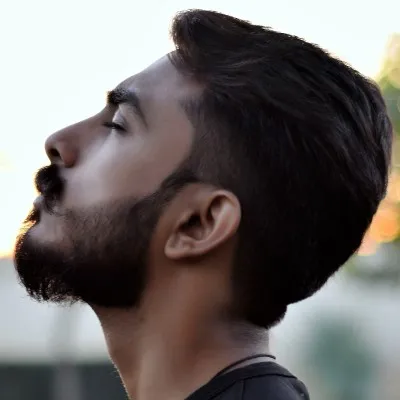
Understanding the treatment
Permanent beard shaping with lasers is a process of using light at the right wavelengths to target the color pigments in hair follicles (the root of the hair). The principle on which it works is known as selective photo-thermolysis, a fancy way of saying that the light selectively breaks cell structures of a specific color through generation of heat.
In the case of laser hair removal, these are basal stem cells that lead to hair growth from the follicle. The laser helps de-activate the follicles from future growth. When we say selective photo-thermolysis, it also means that the laser does not effect other structures around it, which includes the skin. Once you choose beard shaping at a SkinGenious skin clinic in Mumbai, a brief description of the steps that will be followed for laser hair removal procedure are: The dermatologist will check the nature of your hair, the thickness, texture and color; since all these factors decide the level of results that you can achieve and also help the dermatologist decide the power and settings on the laser machine. You enter the treatment room and your highly trained therapist takes over. Your desired beard line is marked to make sure that hair is removed only in the desired target areas. The areas above and below the line are shaved to start with. After the application of a gel, your beard shaping treatment starts with the settings as decided by your skin specialist. The therapist ensures that the coverage etc. are exactly as per the requirements to achieve best results. Finally, the area will be cleaned and you will be ready to go home! Re-visit for your next session depending on when hair growth appears again, which is usually 4-6 weeks between the first two sessions. After this, the gap at which you require the next session will gradually increase and by the 7th session, you should see long-term results! (It may take less than 7 sessions in many cases)
Laser beard shaping reduces hair in selected areas to refine a beard outline. The aim is controlled hair reduction, so the proposed shape needs careful discussion before treatment starts.
How it works
Since hair in the beard region is generally darker and thicker, the results are usually very good. People with darker skin tones will take more time to see results. Results are not good with grey hair and your dermatologist may suggest that you not go for the treatment in case they feel that your hair too grey or pale to get results. Overall, you would see a 70-100% reduction in hair growth after laser hair removal. Even the hairs that do persist, would be much finer in nature and maintenance sessions at much longer gaps may be required for some people through life. It is still however, a method that saves you more time over traditional methods, considering the long gaps between maintenance sessions (if required). Between 2 sessions, you need to allow time for the hair to grow back so that the follicles can be targeted. Hence, you need to wait for 4-6 weeks between sessions and this time frame slightly increases as the sessions go on. After your sessions, you need to be careful about a couple of things. Look for signs of redness, irritation or changes in pigmentation. These are easily manageable and reversible, but you must inform your skin specialist for them to be able to do so. Please do not forget to apply sunscreen.
Laser energy targets pigment in hair follicles along an agreed boundary. Hair cycles mean that multiple sessions may be needed to reduce growth.
Suitability and assessment
The clinician considers skin tone, hair colour, folliculitis and the desired future beard shape. A conservative boundary helps avoid a shape that becomes difficult to change later.
What happens during treatment
The outline is agreed and documented before shaving and treatment. Protective eyewear, appropriate settings and cooling are used.
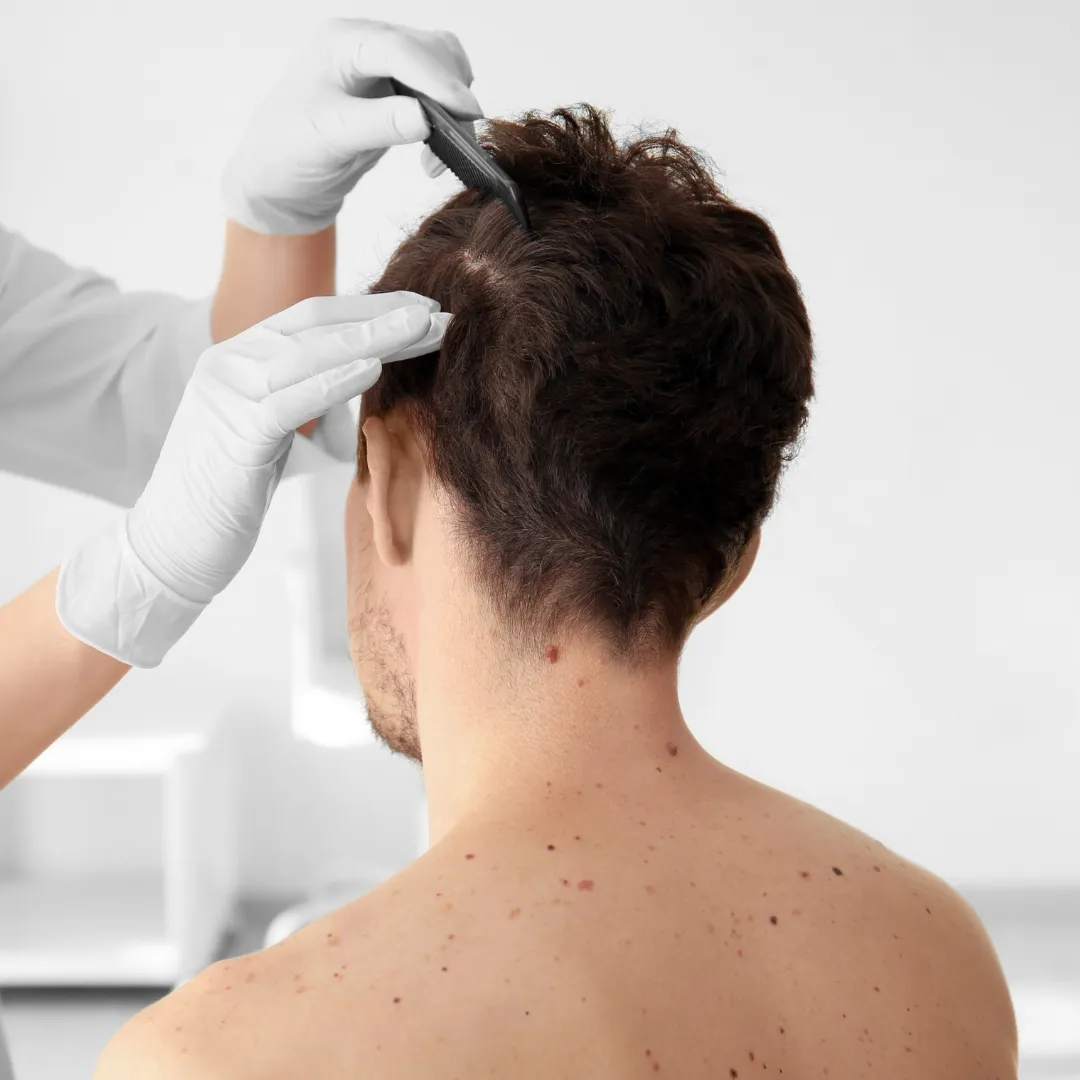
In-person consultation
You will meet the dermatologist and they will assess the condition of your hair. They will collect the relevant medical history and also assess the quality of your hair to provide a fair assessment of what you can expect
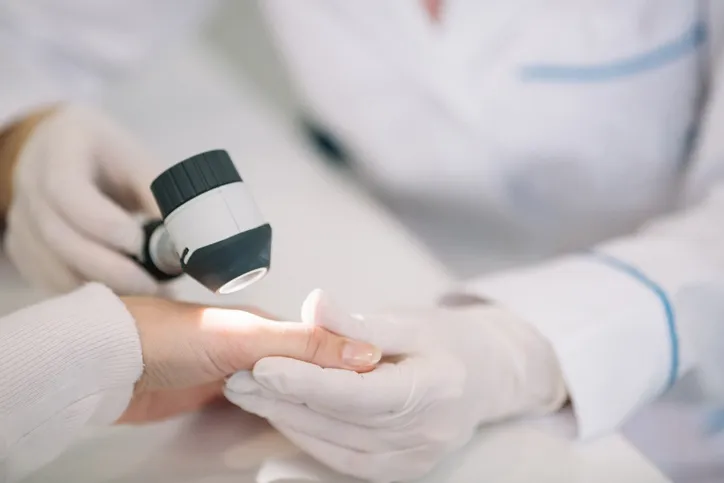
Expectation setting
The dermatologist will provide you a fair idea of the number of sessions you need and the budget involved. You can plan the schedules of your sessions also during this consultation and adjust as you go along.
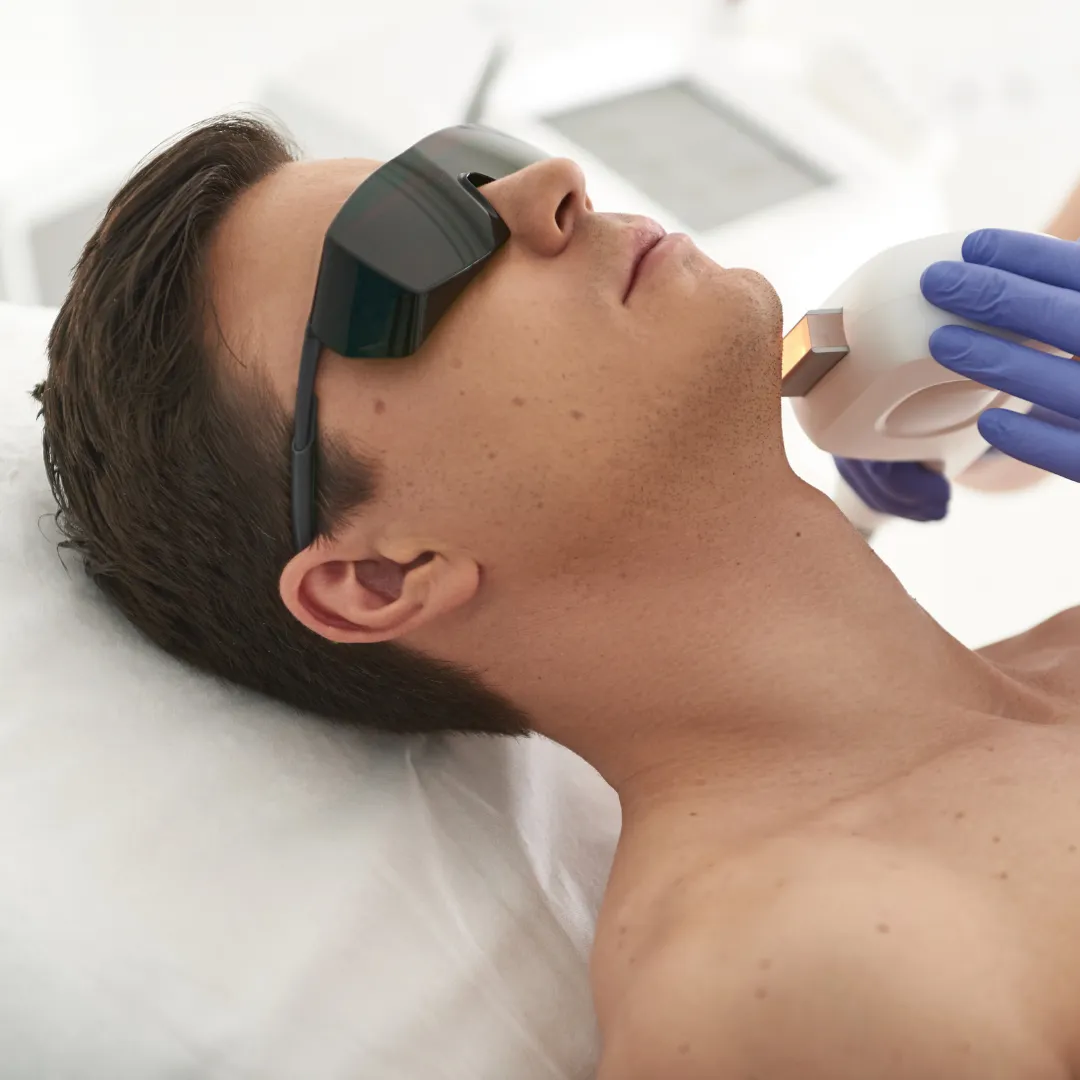
Treatment
The treatment will be performed by the dermatologist themselves or may be assisted by trained technicians. The treatment is non-invasive and involves the application of a probe to the correct target areas.
Results and limitations
Growth usually reduces gradually. The label permanent does not mean that every treated follicle will stop growing or that maintenance will never be needed.
Permanent Beard Shaping for Uneven beard shape
Real story from Pavan Singh: I had googled permanent beard shaping when I found these guys. I really thank SkinGenious for what they did for me. I lived in Colaba when I started my treatments with Dr. Aakriti. She was so helpful that I cannot express it in words. I ended up getting chest hair removal apart from beard shaping because those hairs bothered me too.
They are extremely flexible with scheduling appointments and the staff is also very helpful. Overall a very good experience and I also got the results I was promised. Keep up the good work.
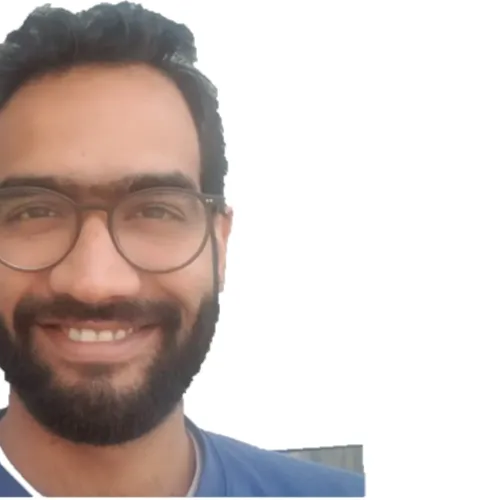
Before and after results
These photographs come from the existing treatment and concern records. They illustrate individual outcomes. Your starting point, treatment plan and healing response affect your own result.
Risks and recovery
Burns, uneven reduction, pigment change and changes to the beard outline are possible. Suitability and operator experience matter, especially in darker skin.
- Inflammation & irritation: it may cause temporary redness & swelling, but even when they occur, they generally disappear within a few hours.
- Skin Color changes: Laser hair removal may lead to lightening or darkening of the skin, but this is again very rare. The pigmentation changes may be temporary or long term.
- Excessive hair growth around the treated area may happen again in rare cases.
Preparing for treatment
Bring details of previous procedures, medicines, allergies and any change in your health. Ask which skincare products or activities need adjusting before the appointment. Do not stop prescribed medicines without advice.
Any change to prescribed medicines, including blood thinners, must be agreed with the prescribing clinician.
- no blood thinning supplements like aspiring to be taken for 2 weeks before a treatment session
- no smoking means lesser chances of bruising etc.
- check with your specialist if any of the products in your skin care routine can interfere with the treatment results.
Aftercare
Do not pluck or wax between sessions unless instructed. Protect treated skin from sun and use shaving and skincare advice suited to irritation-prone skin.
Alternatives to consider
Temporary trimming and shaving preserve flexibility. A person unsure of the desired shape may prefer these methods before committing to laser reduction.
Planning treatment and maintenance
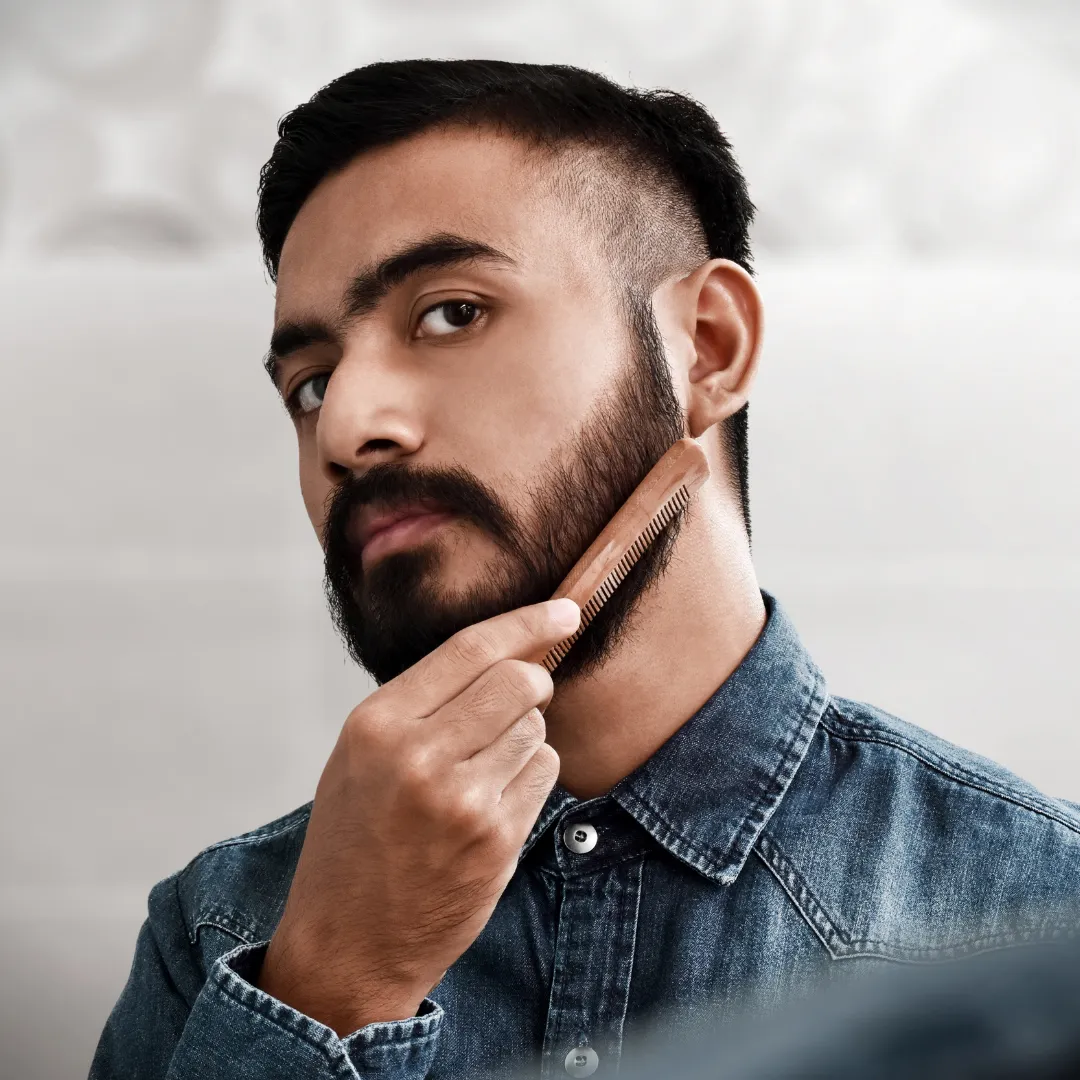
Laser beard shaping can reduce growth outside the outline you want to maintain, such as the upper cheek or lower neck. It is particularly useful when frequent shaving in those areas causes irritation or ingrown hairs. The treatment reduces hair growth; it does not fill a sparse beard or create new follicles.
Agree the outline carefully before the first session. Bring a reference photograph if helpful, then look at the proposed border with your face relaxed and from different angles. A natural margin allows for the way your preferences and beard style may change. Starting conservatively gives you more flexibility than removing a large area immediately.
Hair colour, thickness and skin tone influence the device and settings. A sequence of appointments is needed because hairs grow in cycles, and remaining growth may require maintenance. The clinic will explain shaving before treatment and why waxing or plucking between sessions can interfere with targeting the follicle.
Judge progress by regrowth outside the agreed line, shaving frequency and the number of ingrown hairs. Do not judge beard density within the preserved area as a measure of laser success. Report persistent irritation, blisters or changes in colour, and review the border before each session so that treatment stays within the area you actually want reduced.
What affects the cost
The area treated, the product or device, the treatment plan and the number of sessions influence the total. A useful estimate explains what is included, what follow-up involves and whether maintenance is likely. City pages provide the local service information.
Explore related guides
Continue exploring the treatments, concerns and categories connected with this topic.
Concern guides
Category guides

Common questions
What are the side effects?
Laser Hair removal for permanent beard shaping does not generally have side effects. It is completely safe and a long-tested method. The machines used are USFDA approved. However, under rare circumstances it may lead to: a) Inflammation & irritation: it may cause temporary redness & swelling, but even when they occur, they generally disappear within a few hours. b) Skin Color changes: Laser hair removal may lead to lightening or darkening of the skin, but this is again very rare. The pigmentation changes may be temporary or long term. Excessive hair growth around the treated area may happen again in rare cases.
Is permanent beard shaping painful?
No, with the latest technologies, Laser hair removal is no longer painful. You may just feel mild sensations.
Will I get results if my beard is completely grey?
No, the results are less likely to be satisfactory. Our dermatologist can tell you during the consultation if you are not an ideal candidate. They will suggest you to not go for the treatment in such a case.
What should I understand before choosing permanent beard shaping?
The clinician considers skin tone, hair colour, folliculitis and the desired future beard shape. A conservative boundary helps avoid a shape that becomes difficult to change later.
What results should I expect?
Growth usually reduces gradually. The label permanent does not mean that every treated follicle will stop growing or that maintenance will never be needed.
How do I compare this with other options?
Temporary trimming and shaving preserve flexibility. A person unsure of the desired shape may prefer these methods before committing to laser reduction.
Further reading and references
Take the next step
Explore care in your city
For local specialists, clinic information and appointments, choose a city.

Mumbai
Explore local specialists, clinics and appointments in Mumbai.
Explore care
Thane
Explore local specialists, clinics and appointments in Thane.
Explore care
Navi Mumbai
Explore local specialists, clinics and appointments in Navi Mumbai.
Explore care
Jaipur
Explore local specialists, clinics and appointments in Jaipur.
Explore care