 SCIENTIFIC SKIN, HAIR & PERSONAL AESTHETICS
Concern guides
Dry skin: understanding the concern and care options
Dry skin can feel tight, rough, flaky or itchy. It may be a short-lived response to weather or washing, or part of a condition such as eczema.
SkinGenious editorial team
Explore the guide ↓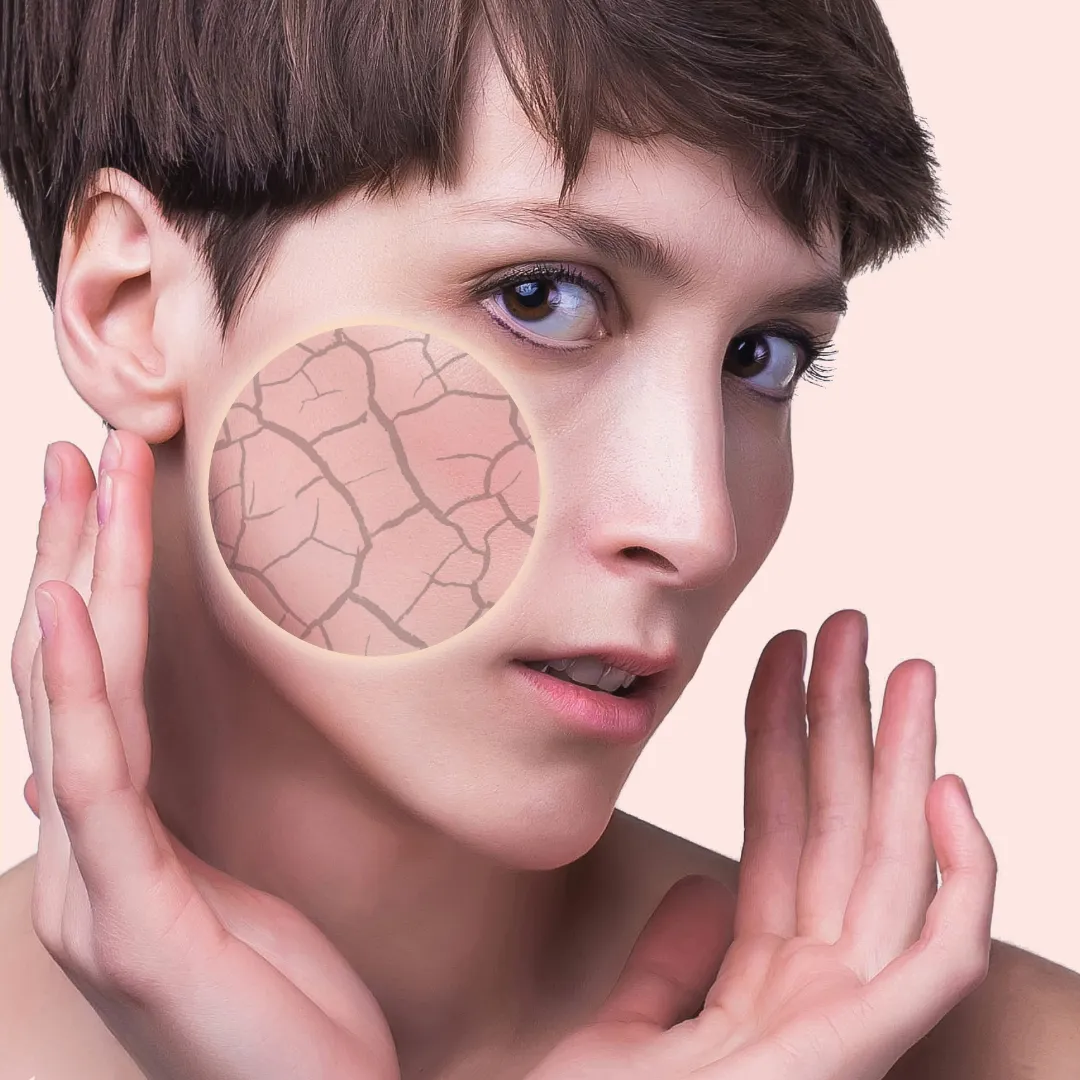
Understanding the concern
Dry skin is a skin type and it isn't usually a very serious issue. It can occur due to the weather, low humidity and also from soaking in hot water for too long. You can check your own skin type at home as well. In caseyout 'T-zone', the area of your forehead and nose feels to dry and so do your cheeks,you most likely have dry skin.
It can be maintained at home with a good dermatologist prescribed home care routine. In case it gets serious, you should definitely meet your specialist.
Dry skin can feel tight, rough, flaky or itchy. It may be a short-lived response to weather or washing, or part of a condition such as eczema.
Causes and contributing factors
Low humidity, hot water, harsh cleansers, ageing and changes in the skin barrier can contribute. Medicines and some health conditions may also play a role.
How it is assessed
Assessment looks at distribution, itch, cracks, exposures and any rash. Dry skin with inflammation may need more than a moisturiser.
When to seek medical advice
Seek advice for deep cracks, infection, persistent itch, a widespread rash or dryness that does not improve with a simple routine.
Treatment and management options
Gentle cleansing and regular moisturiser are the foundation. An inflammatory condition may need prescription treatment, while ingredient choice should match skin tolerance.
Hydrafacial ↗
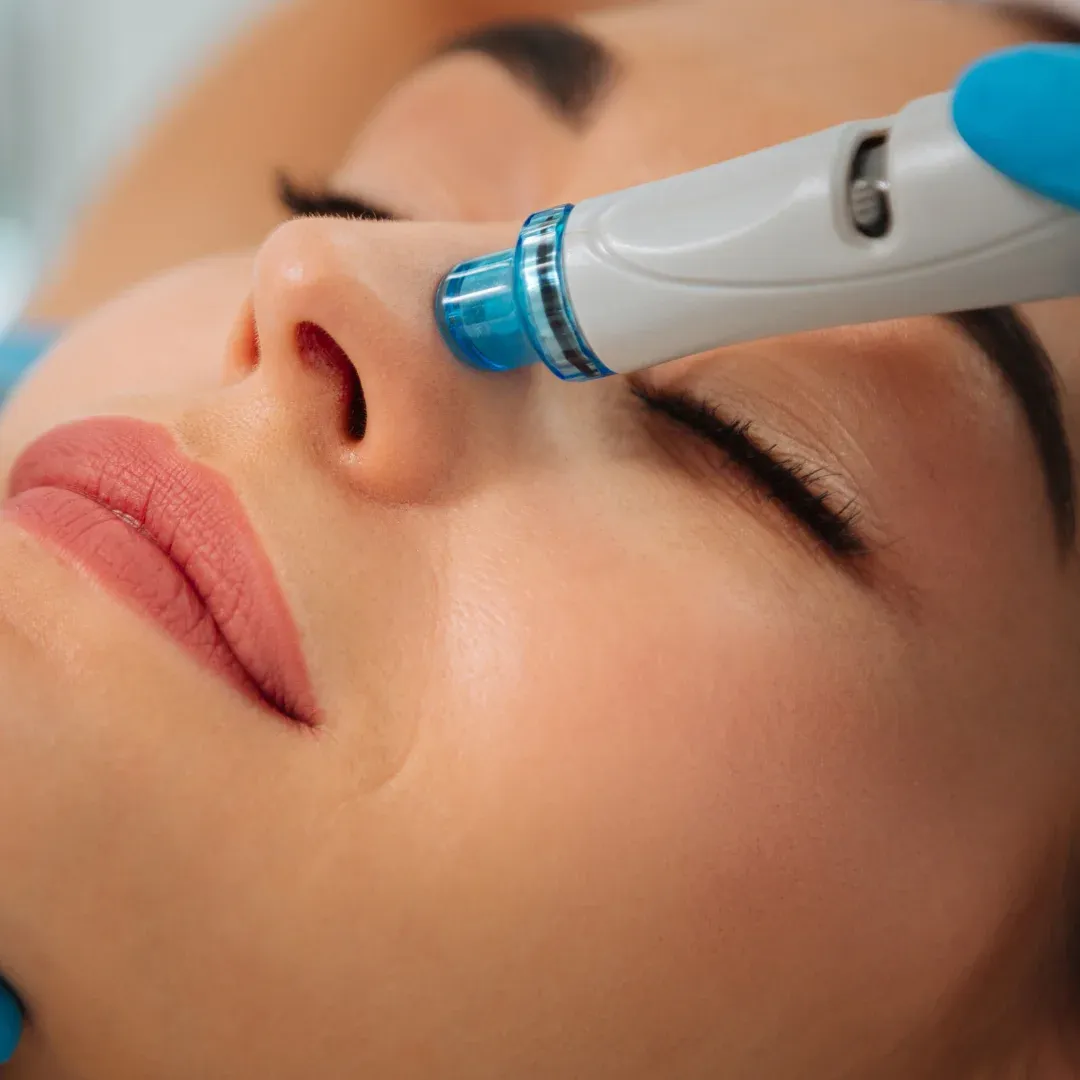
The hydrafacial involves vacuum deep dermal exfoliation followed by the application of customized gentle peels and infusion of skin-specific vitamins with the USFDA approved hydrafacial machine.
The hydrafacial is a 8 step facial. Duration 65 minutes. Effects last up to 1 month
What improvement can look like
Barrier care can improve comfort, but recurring triggers may cause further episodes. A facial can provide temporary hydration without treating an underlying skin disease.
Understanding your treatment choices
Dryness can mean a temporary lack of comfort, a damaged skin barrier or part of an inflammatory condition. Tightness after washing, flaking, itching and cracks help describe the problem more usefully than simply calling the skin dehydrated. The products and habits around the time it started are important clues.
Start by reviewing cleansing, water temperature, exfoliation and the number of active products in the routine. A suitable moisturiser helps reduce water loss, while a gentle cleanser avoids repeatedly stripping the surface. A richer product may suit some areas, but the best choice is one that is comfortable enough to use consistently.
Persistent redness or itch may indicate eczema or another condition needing treatment as well as moisturising. New widespread dryness, significant cracking or symptoms linked to a medicine deserve assessment. A facial or peel should not be used to exfoliate away an inflamed barrier before the cause is understood.
Track comfort and symptoms rather than the appearance immediately after applying a product. Less stinging, fewer cracks and better tolerance of normal daily care are useful improvements. Reintroduce active skincare gradually when advised, rather than returning to every previous product as soon as the flaking settles.
Everyday care and prevention
Use lukewarm water, moisturise soon after washing and reduce fragrance or irritating actives if they worsen symptoms. Choose a texture you can use consistently.
Explore related guides
Continue exploring the treatments, concerns and categories connected with this topic.
Treatment guides
Category guides

Common questions
Is dry skin a problem that requires treatment?
Dry skin does not always require treatment. However, it should be treated in case it leads to lifestyle issues.
What are the most effective treatments for dry skin?
The hydra-facial and certain medications are the most effective treatments for dry skin.
How is the right care plan chosen?
Assessment looks at distribution, itch, cracks, exposures and any rash. Dry skin with inflammation may need more than a moisturiser.
What can I do as part of everyday care?
Use lukewarm water, moisturise soon after washing and reduce fragrance or irritating actives if they worsen symptoms. Choose a texture you can use consistently.
When should I get advice?
Seek advice for deep cracks, infection, persistent itch, a widespread rash or dryness that does not improve with a simple routine.
Further reading and references
Take the next step
Explore care in your city
For local specialists, clinic information and appointments, choose a city.

Mumbai
Explore local specialists, clinics and appointments in Mumbai.
Explore care
Thane
Explore local specialists, clinics and appointments in Thane.
Explore care
Navi Mumbai
Explore local specialists, clinics and appointments in Navi Mumbai.
Explore care
Jaipur
Explore local specialists, clinics and appointments in Jaipur.
Explore care