 SCIENTIFIC SKIN, HAIR & PERSONAL AESTHETICS
Category guides
Dermafacial: treatments and concerns explained
Dermafacials are skin-care treatments designed around goals such as cleansing, hydration, exfoliation and surface appearance. The products and devices used matter more than the name alone.
SkinGenious editorial team
Explore the guide ↓
Understanding this area of care
This category of treatments deals mainly with the maintenance of healthy skin and customized skincare services to resolve aesthetic concerns.
Dermafacials are skin-care treatments designed around goals such as cleansing, hydration, exfoliation and surface appearance. The products and devices used matter more than the name alone.
Concerns and goals
Dryness, congestion, dullness and mild surface texture concerns may be relevant. Persistent acne, eczema, rosacea or unusual pigment still need diagnosis-led care.
Approaches and treatment options
Options include gentle cleansing and hydration, device-assisted facials and selected light-based or exfoliating procedures. These can differ substantially in intensity.
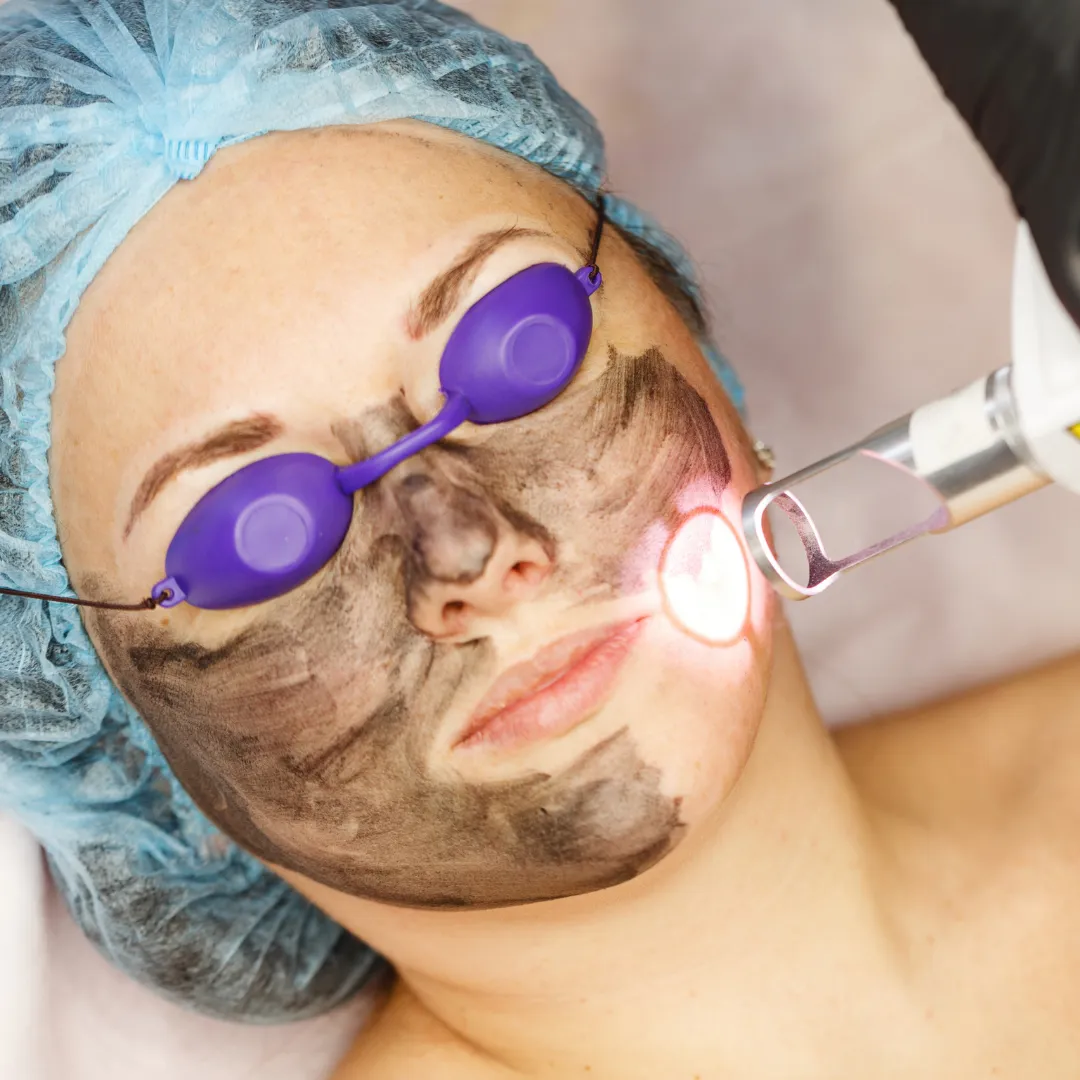
Carbon Laser Facial ↗
The best dermafacial for oily skin and de-tanning!
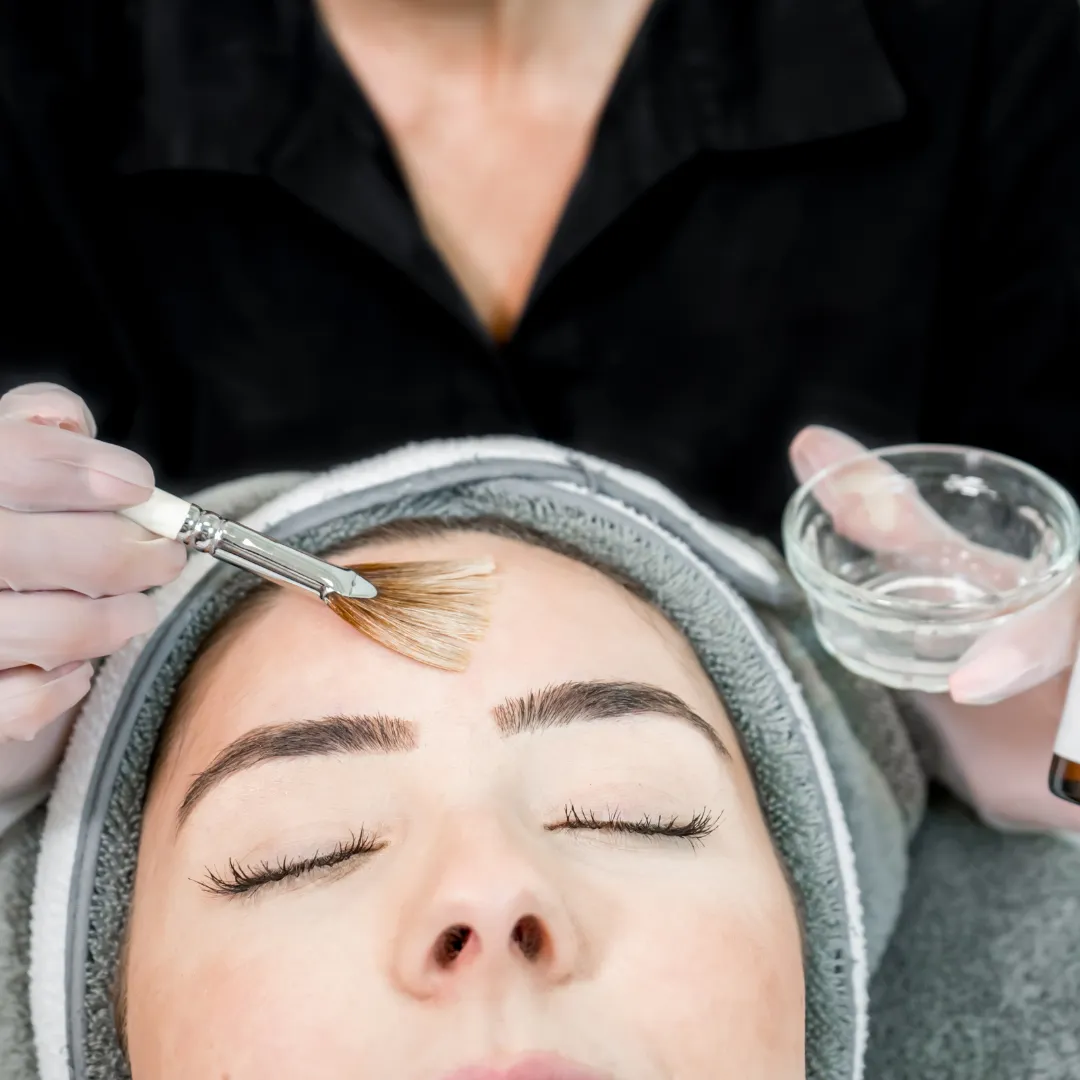
Chemical Peeling ↗
Chemical peel treatment or chemexfoliation is a technique where strong chemical agents (in the right concentrations), usually acidic in nature, are applied over the skin with the desired action of removing the top layer and hence replacing it with the underlying smoother skin. It is therefore also called a skin peeling treatment.
They are most commonly done over the face, neck or hands
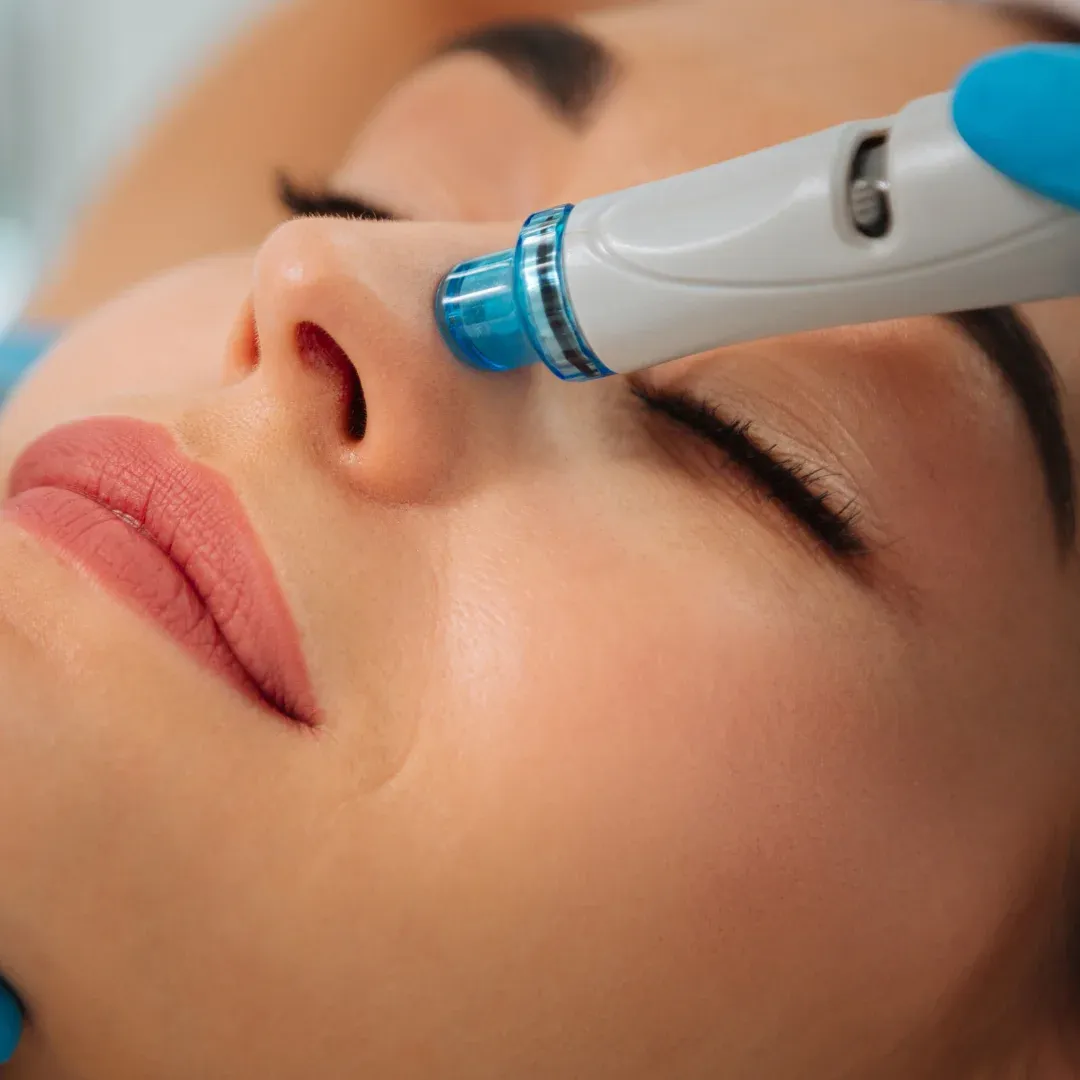
Hydrafacial ↗
The best dermafacial for dry skin & winter months!
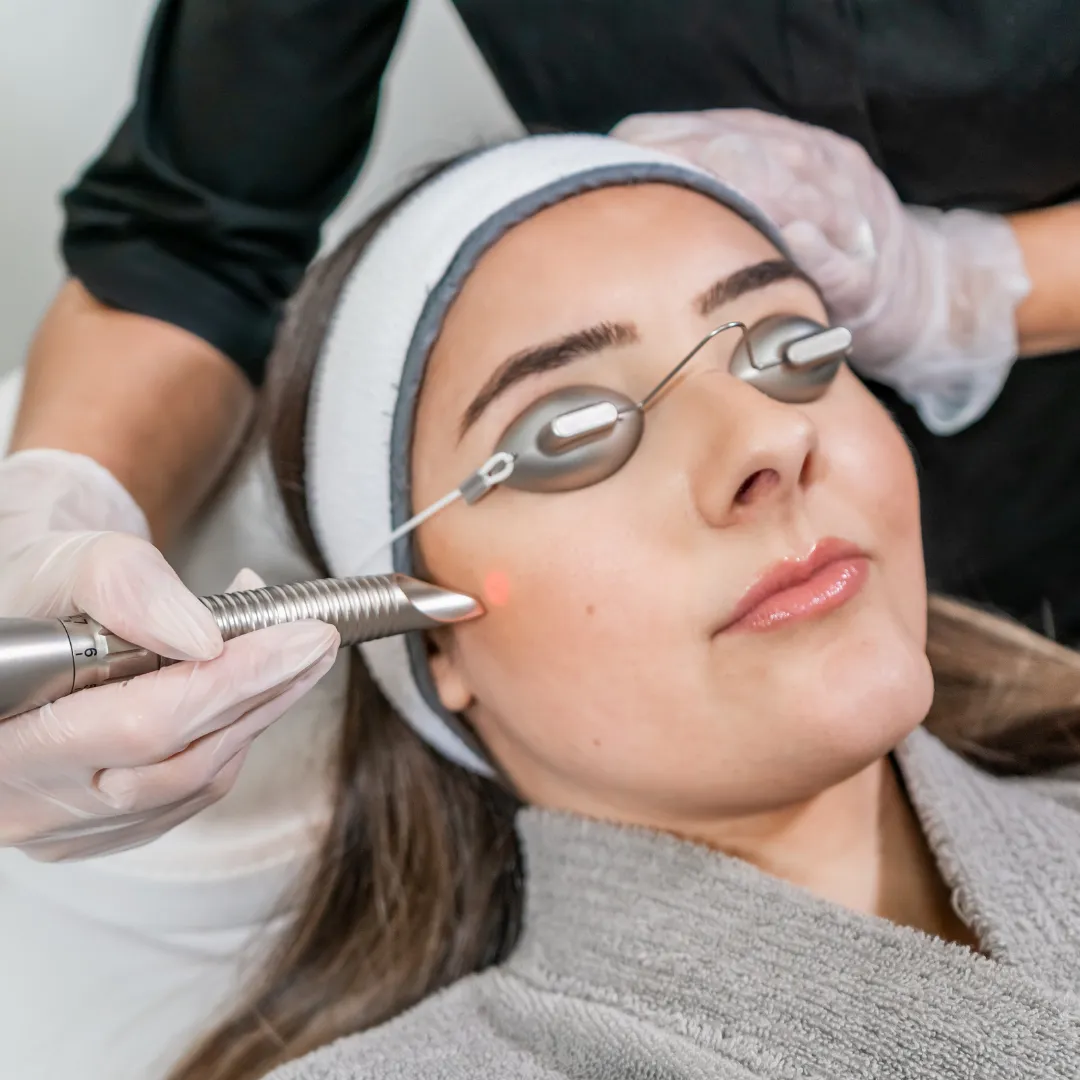
Photofacial ↗
This dermafacial focuses on improvement of sun-spots, age-spots among other concerns.
How the options differ
A hydrating facial and a photofacial are not equivalent. Compare the actual steps, ingredients, use of energy and expected recovery rather than assuming all facials are gentle.
Choosing an approach
Skin sensitivity, active inflammation, recent procedures and ingredient allergies guide the choice. The treatment should be adapted to the skin on the day.
Outcomes and limitations
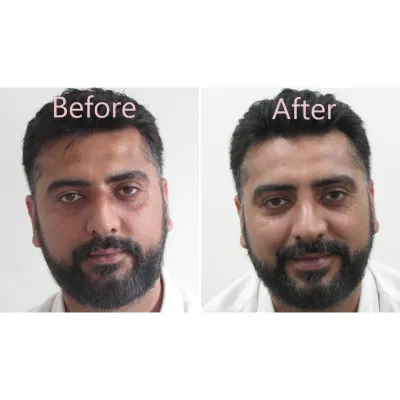
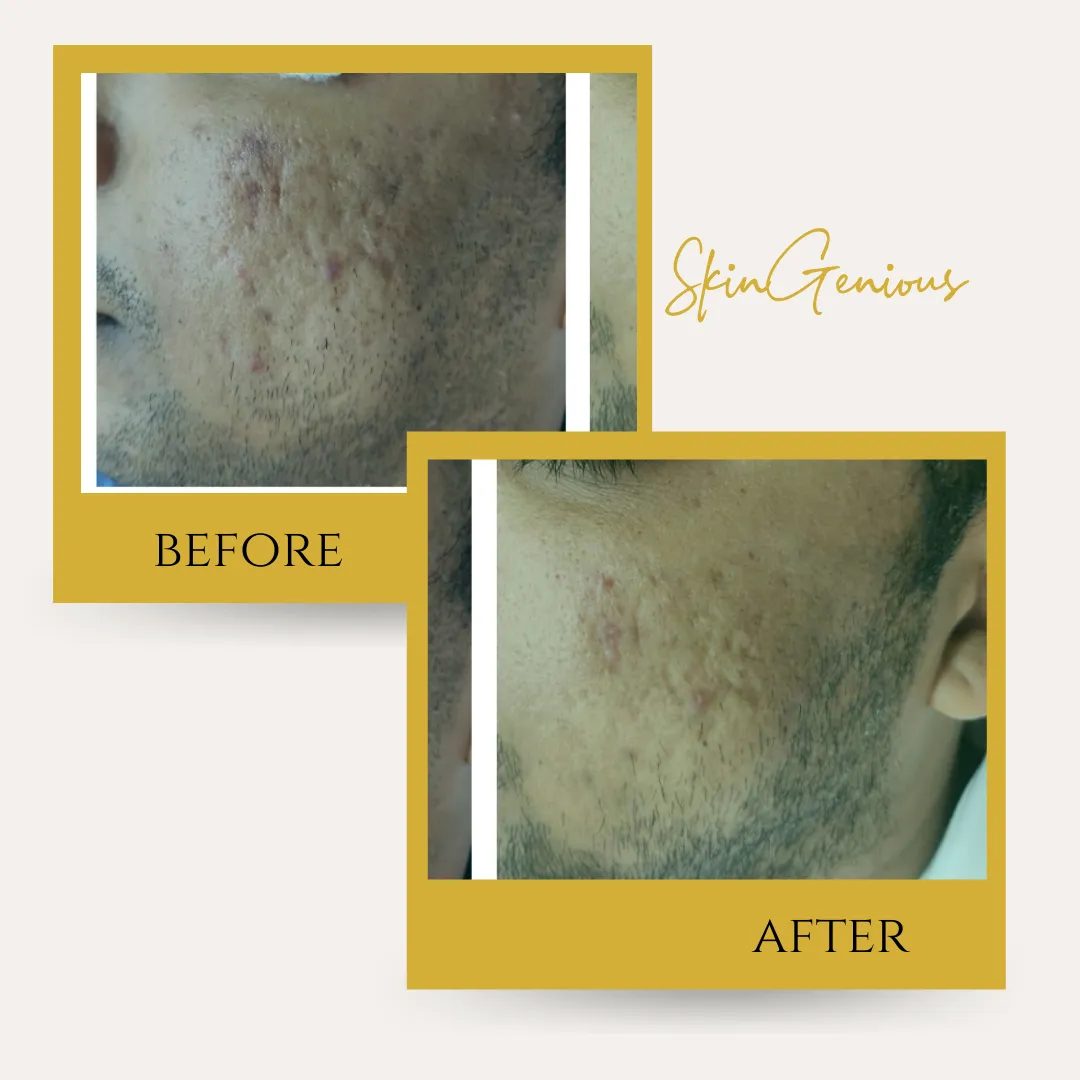
Dermafacial treatments under the guidance of the top dermatologists of the city are highly effective in maintenance of healthy skin and resolution of concerns. Some before and after images seen here can help you understand the same. The dermafacials can help resolve concerns such as open pores, tanning and dullness quite quickly. Multiple sessions may be required for ultimately desired results.
Surface smoothness or hydration may improve for a time. A facial does not permanently close pores or remove deep scars, and regular treatment is a preference rather than a requirement.
Carbon Laser Facial for open pores
The carbon laser facial is quite effective with tightening of open pores will help you see quite visible change in the tightening of open pores.
Chemical Peeling for Acne scars
Chemical peel are quite effective against superficial scars and less effective against severe scars. The treatment results start showing 2 weeks later. You can expect scabbing and flaking for 72 hours after the treatment.
Chemical Peeling for Wrinkles
Chemical peels (even deep acting ones) will only help with limited improvement in fine lines and superficial wrinkles.
Before and after results
These photographs come from the existing treatment and concern records. They illustrate individual outcomes. Your starting point, treatment plan and healing response affect your own result.
Putting a treatment plan together
A dermafacial is usually chosen to improve the skin surface, hydration or congestion. Different facials combine cleansing, exfoliation, extraction, products or devices in different ways. The name of a package is less useful than knowing the steps and how they match your skin.
Begin with your main goal: a fresher appearance before an event, less congestion, improved comfort or a regular maintenance routine. A person with dry sensitive skin may need a different approach from someone with oily comedones. Active acne, eczema, rosacea or a new rash may need medical assessment before exfoliation or extraction.
Ask which ingredients and devices are included. HydraFacial, a chemical peel, carbon laser facial and IPL photofacial are not equivalent procedures, even when they appear in a broad facial menu. Some offer an immediate improvement in surface feel, while others target a particular pigment or vascular concern and need a different recovery plan.
A useful appointment should leave the skin comfortable, not simply more intensely exfoliated. Stronger tingling, more redness or more visible peeling does not automatically mean a better result. Tell the practitioner about recent retinoids, peels and other procedures so that treatments are not layered without considering recovery.
For longer-term care, judge whether the facial helps the concern you started with and fits a sensible home routine. A temporary glow can be a worthwhile goal, but it should not be confused with correcting deeper scars or controlling an ongoing skin condition. Leave time to assess your skin's response before trying a new procedure immediately before an important event.
Safety and ongoing care
Avoid layering several exfoliating procedures at once. Gentle aftercare and a sustainable home routine are more useful than repeated irritation.
Explore related guides
Continue exploring the treatments, concerns and categories connected with this topic.
Treatment guides
Carbon Laser Facial
A carbon laser facial combines a topical carbon preparation with laser treatment for selected surface concerns. Learn how it is used and how to compare it with other skin-care options.
Read the guideChemical Peeling
Chemical peels improve selected surface and texture concerns by producing controlled exfoliation. Understand the different depths, how a peel is chosen and the care needed afterwards.
Read the guideHydrafacial
HydraFacial combines cleansing, exfoliation, extraction and hydration in a device-assisted facial. Explore its uses, the treatment steps and how it fits into a wider skincare routine.
Read the guidePhotofacial
Photofacial treatments use light to address selected pigment changes and visible redness. Explore IPL, the skin features it targets and the factors that guide a treatment plan.
Read the guideConcern guides
Acne
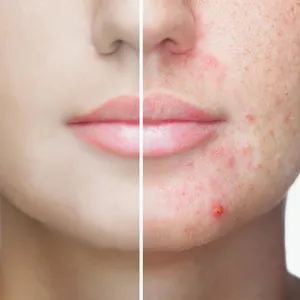
Acne is an inflammatory condition involving hair follicles and oil glands. It can include blackheads, whiteheads, inflamed spots and deeper painful lesions.
Read the guide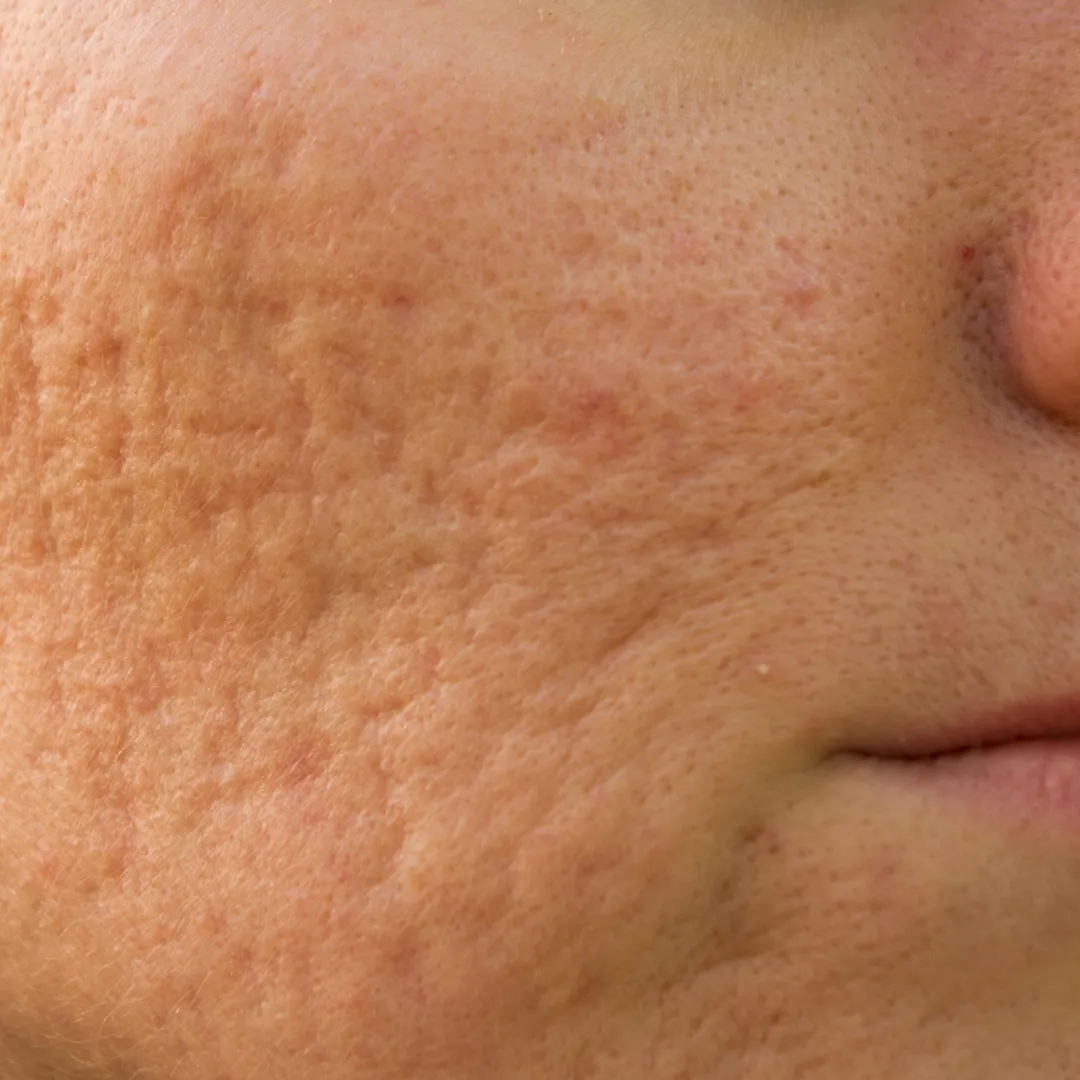
Acne scars
Acne scars are lasting changes in skin texture after acne inflammation. They differ from flat red or brown marks, which may improve without the same scar procedures.
Read the guide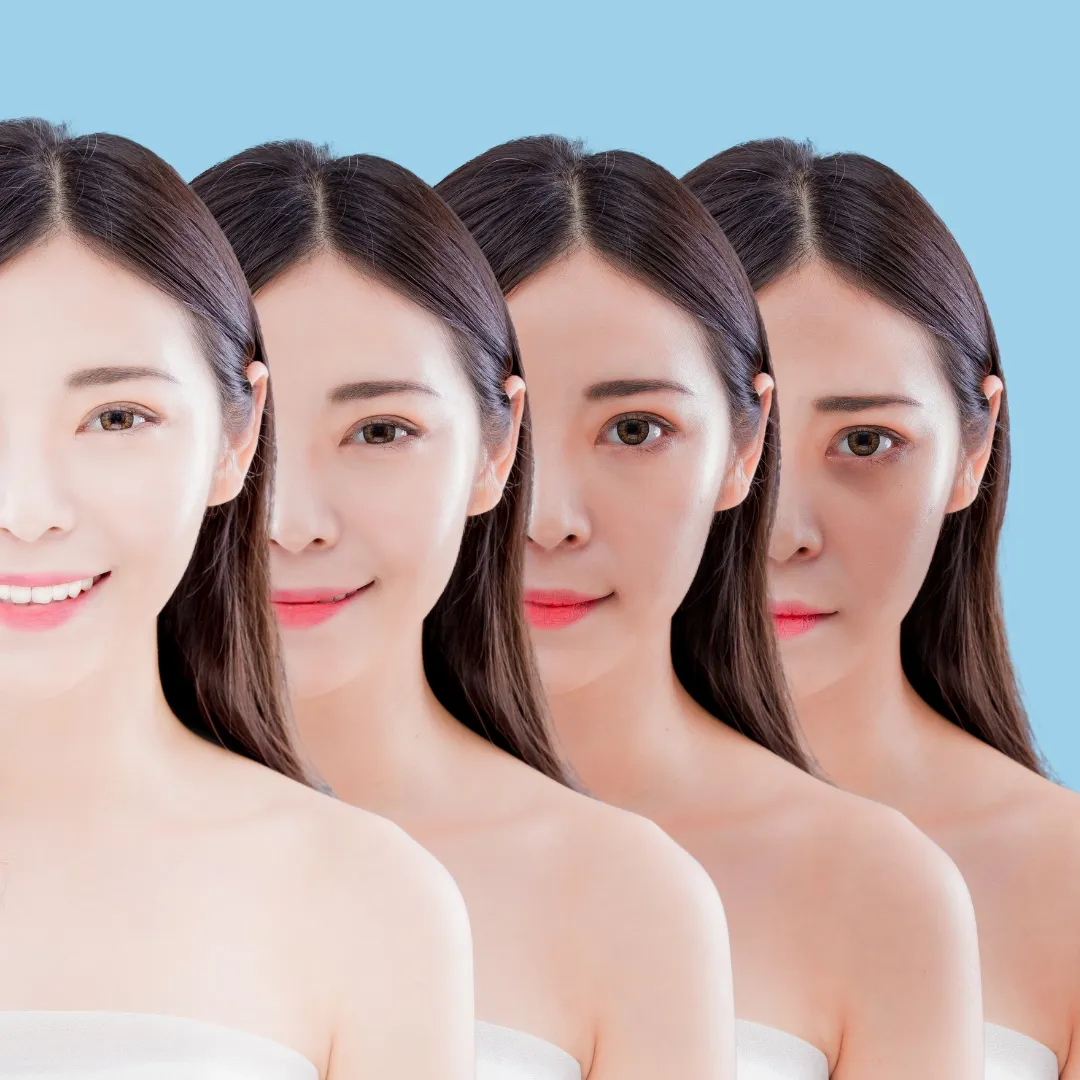
Dark skin
Darker skin is a normal part of human variation. People seeking advice may instead be noticing tanning, uneven tone, dullness or a particular patch of excess pigment.
Read the guide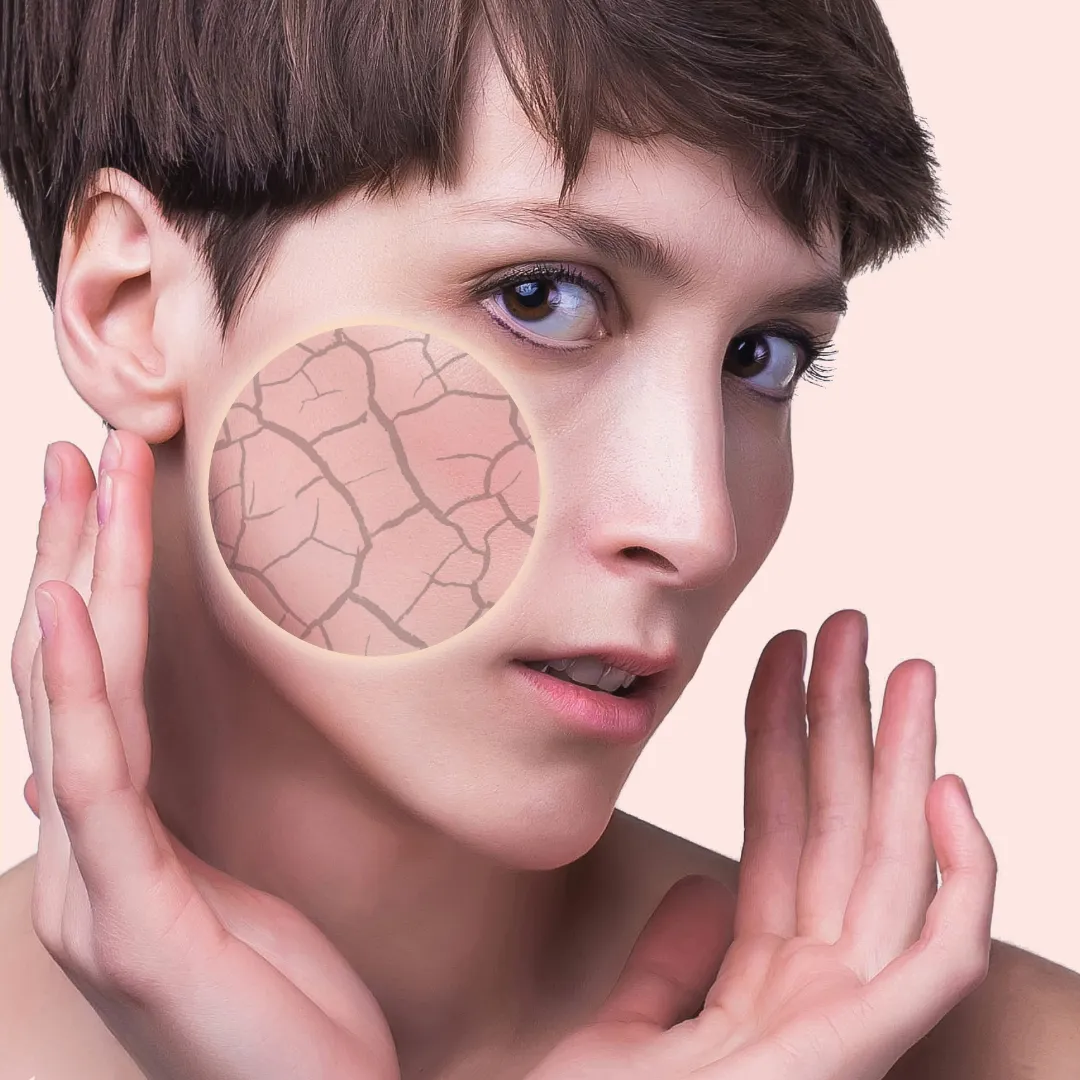
Dry skin
Dry skin can feel tight, rough, flaky or itchy. It may be a short-lived response to weather or washing, or part of a condition such as eczema.
Read the guide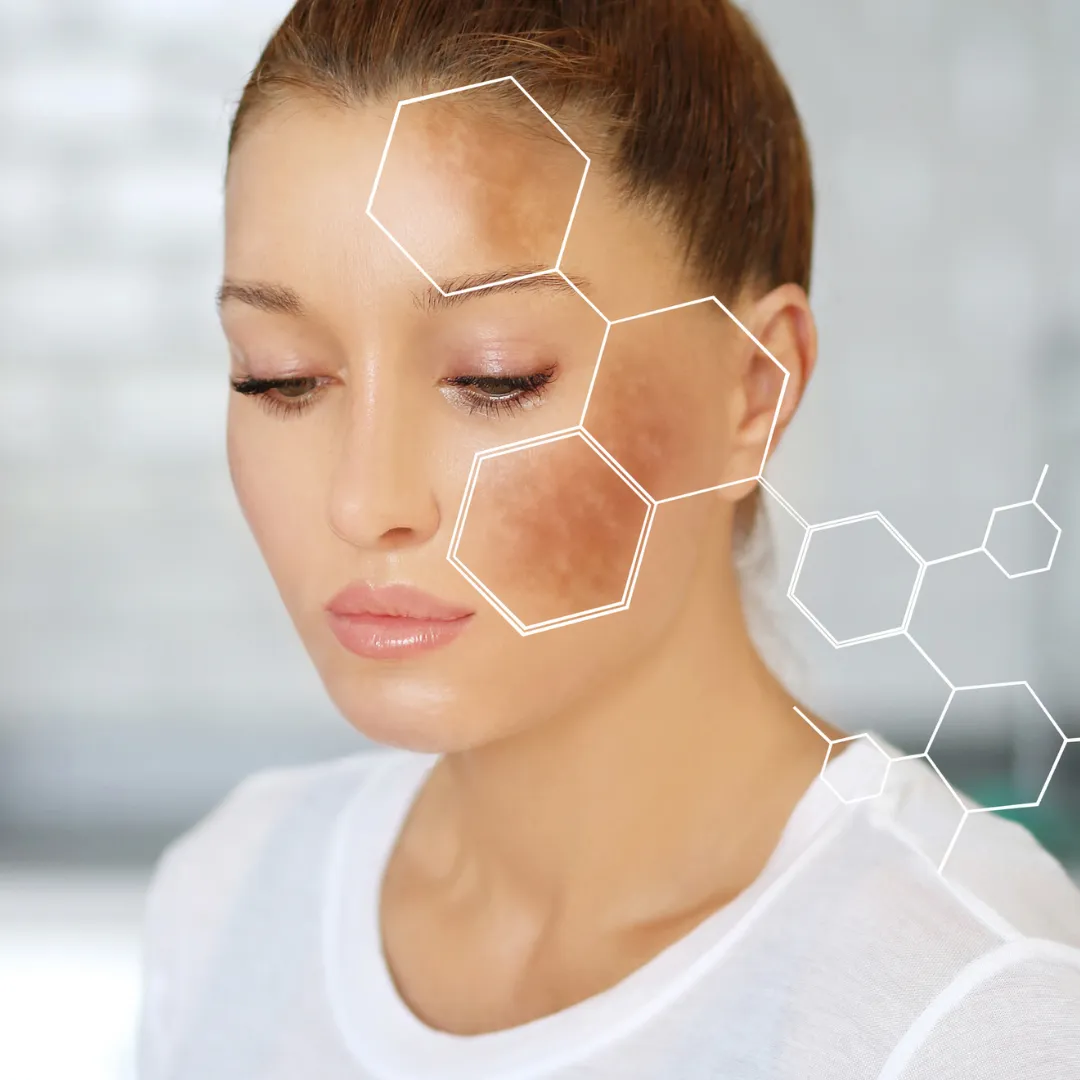
Hyperpigmentation
Hyperpigmentation means an area of skin is darker than the surrounding skin because of increased or altered pigment. The pattern helps identify the cause.
Read the guide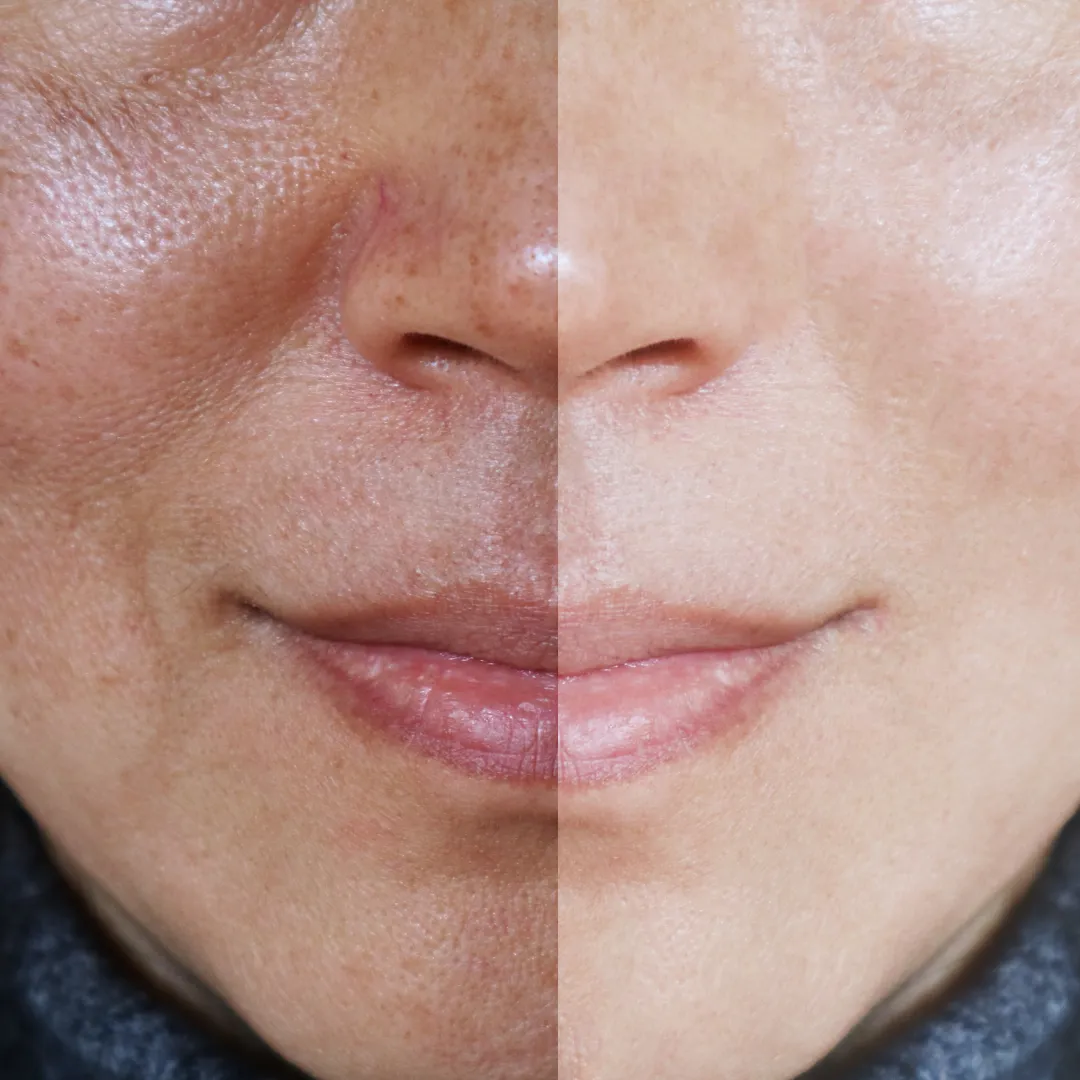
open pores
Visible pores are normal openings associated with hair follicles and oil glands. They can look more noticeable when skin is oily, congested or losing firmness.
Read the guide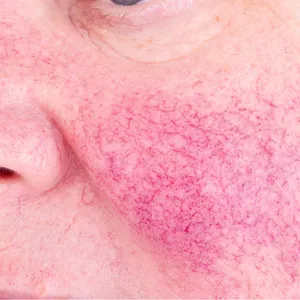
Rosacea
Rosacea is a chronic facial condition that can cause flushing, persistent colour change, visible vessels or acne-like bumps. Some people also have eye symptoms.
Read the guide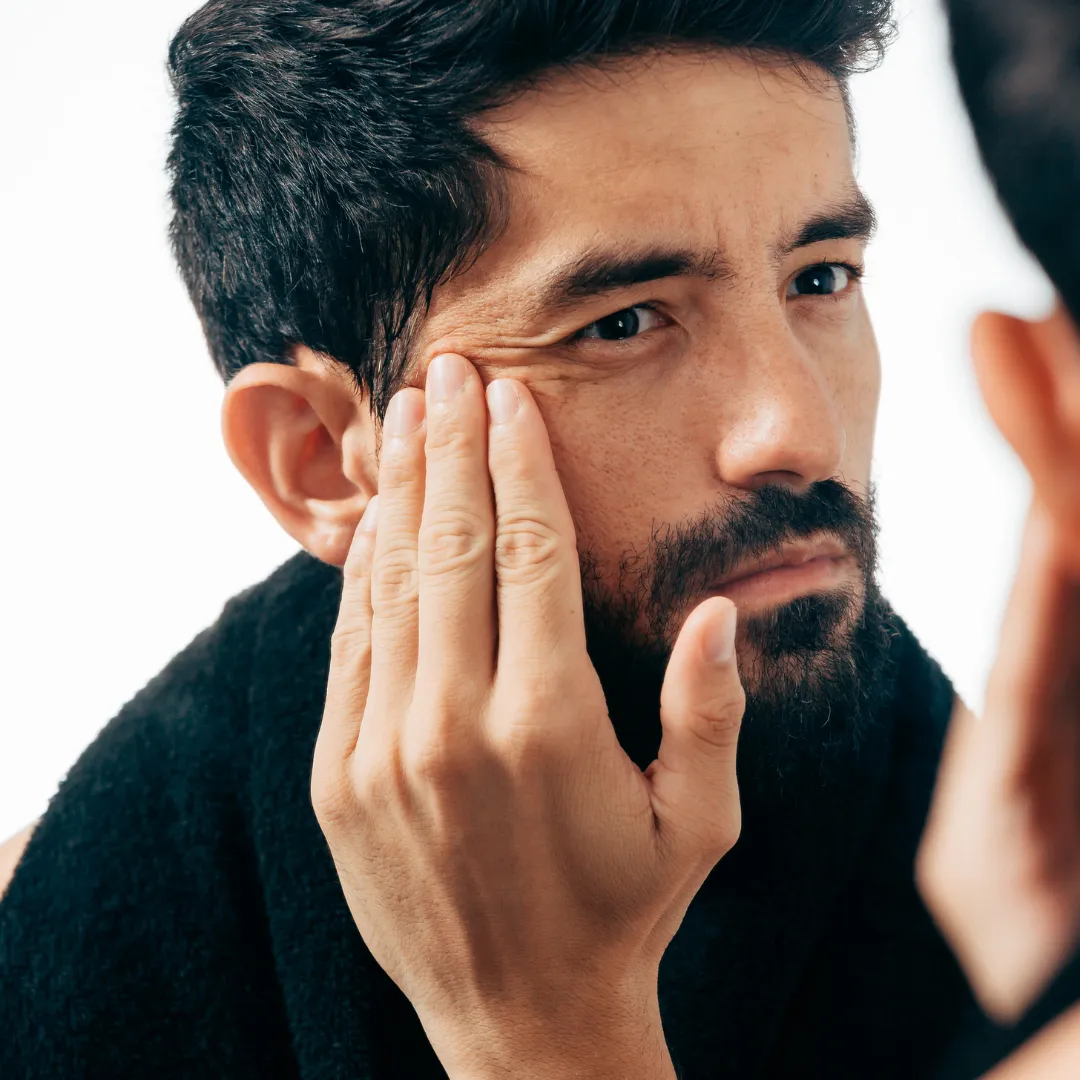
Wrinkles
Wrinkles are lines or folds that develop as skin changes with age, sun exposure and repeated facial movement. Some appear mainly with expression, while others remain when the face is at rest.
Read the guideCategory guides
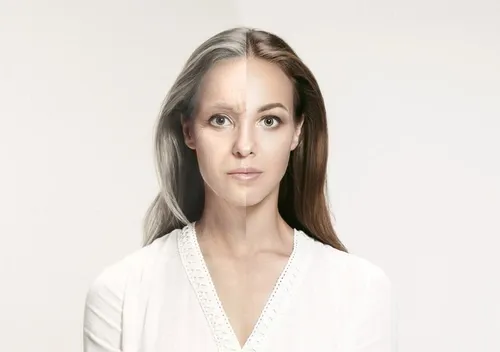
Anti Aging
Anti-ageing care addresses visible changes such as lines, uneven texture, pigmentation and reduced firmness. A useful plan starts with the feature you want to change rather than treating age itself as a problem.
Read the guide
Cosmetology
Cosmetology in this setting refers to care aimed at improving selected aspects of appearance, including skin texture, facial balance and visible ageing. The plan should reflect your priorities rather than a fixed beauty standard.
Read the guide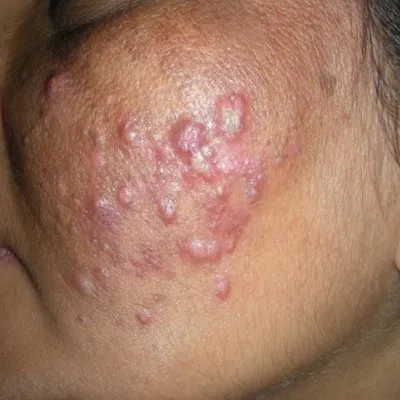
Dermacare
Dermacare covers the assessment and management of skin conditions, from acne and eczema to infections and pigment problems. A diagnosis is the starting point for effective care.
Read the guide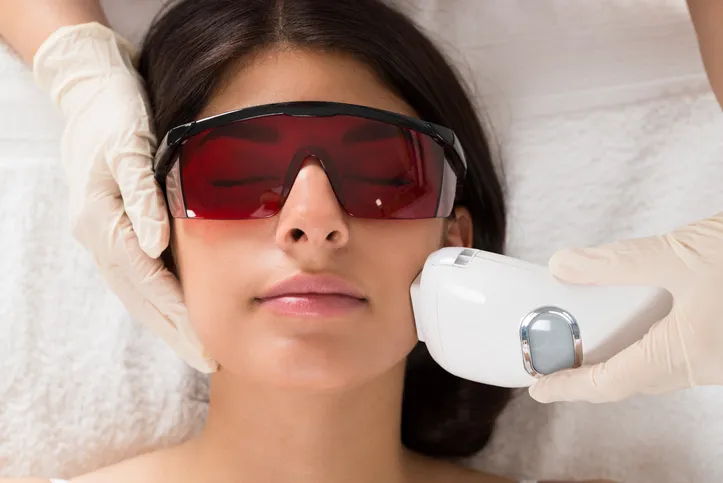
Laser
Laser treatments use selected wavelengths of light for specific targets in the skin or hair. The category includes very different procedures, from hair reduction to scar resurfacing.
Read the guide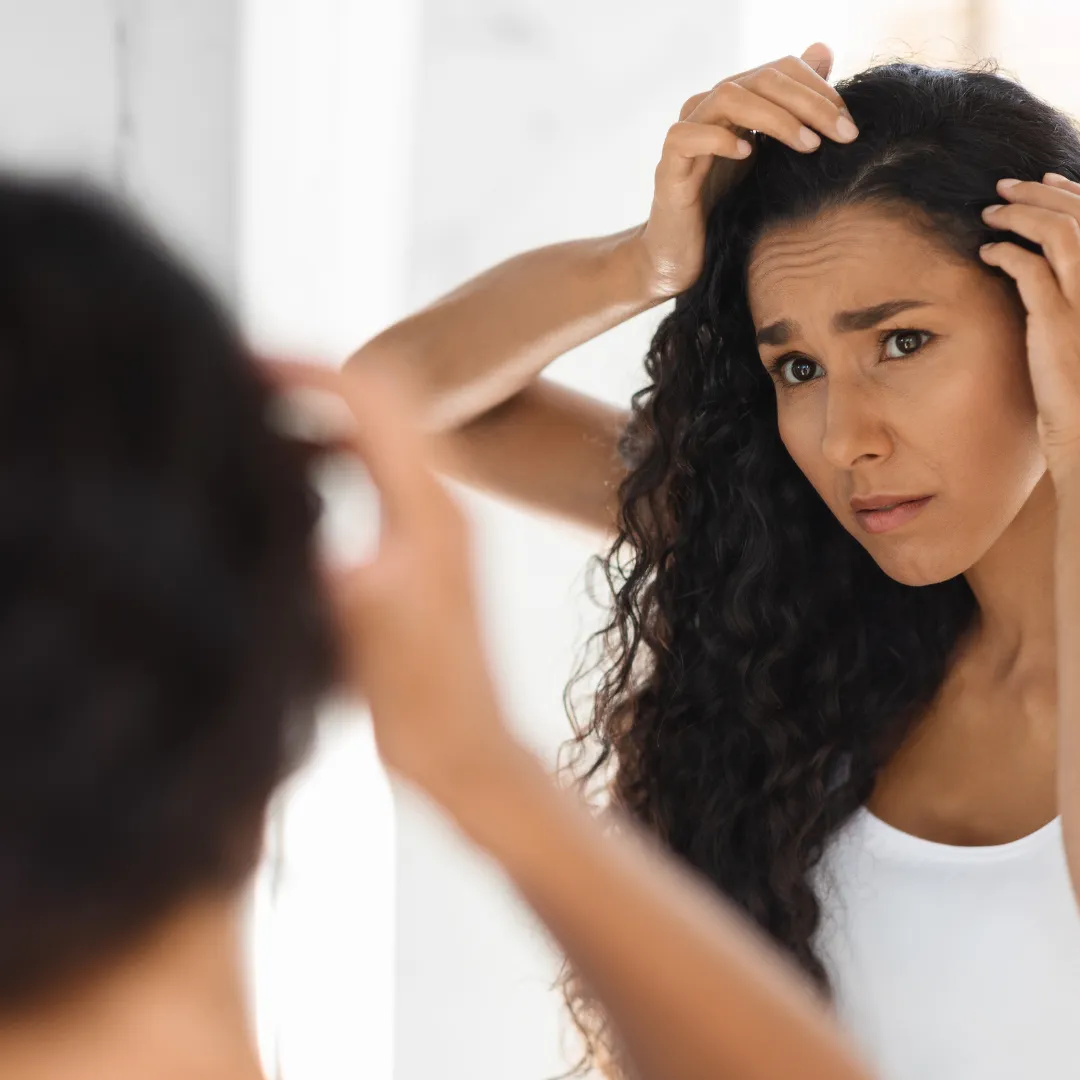
Trichology
Trichology focuses on hair and scalp health. It includes understanding shedding, thinning, scalp symptoms and the factors that influence hair growth.
Read the guideCommon questions
How is a dermafacial different from a regular facial?
A dermafacial is different from a regular facial in quite a few ways. It is provided at a skin clinic and not a salon. A dermafacial is provided after consultation with a dermatologist (skin specialist doctor) and under their supervision. It is customized for your skin-type and skin concerns. A dermafacial usually involves the usage of USFDA approved machines including laser machines. The massage that goes with them is a lymphatic massage by a trained therapist and not just for relaxation, although it is also relaxing.
Is a laser facial the same as a dermafacial?
No, all laser facials are dermafacials, but all dermafacials do not utilize a laser machine. They may use other kinds of machines as well.
Where should I start?
Skin sensitivity, active inflammation, recent procedures and ingredient allergies guide the choice. The treatment should be adapted to the skin on the day.
Are all treatments in this category similar?
A hydrating facial and a photofacial are not equivalent. Compare the actual steps, ingredients, use of energy and expected recovery rather than assuming all facials are gentle.
What should I expect from a care plan?
Surface smoothness or hydration may improve for a time. A facial does not permanently close pores or remove deep scars, and regular treatment is a preference rather than a requirement.
Further reading and references
Take the next step
Explore care in your city
For local specialists, clinic information and appointments, choose a city.

Mumbai
Explore local specialists, clinics and appointments in Mumbai.
Explore care
Thane
Explore local specialists, clinics and appointments in Thane.
Explore care
Navi Mumbai
Explore local specialists, clinics and appointments in Navi Mumbai.
Explore care
Jaipur
Explore local specialists, clinics and appointments in Jaipur.
Explore care