 SCIENTIFIC SKIN, HAIR & PERSONAL AESTHETICS
Concern guides
Dull Skin & Lack of Radiance: understanding the concern and care options
Skin can look flat or tired for several different reasons. A useful plan separates surface dryness, rough texture and pigmentation so treatment matches what you actually want to improve.
SkinGenious editorial team
Explore the guide ↓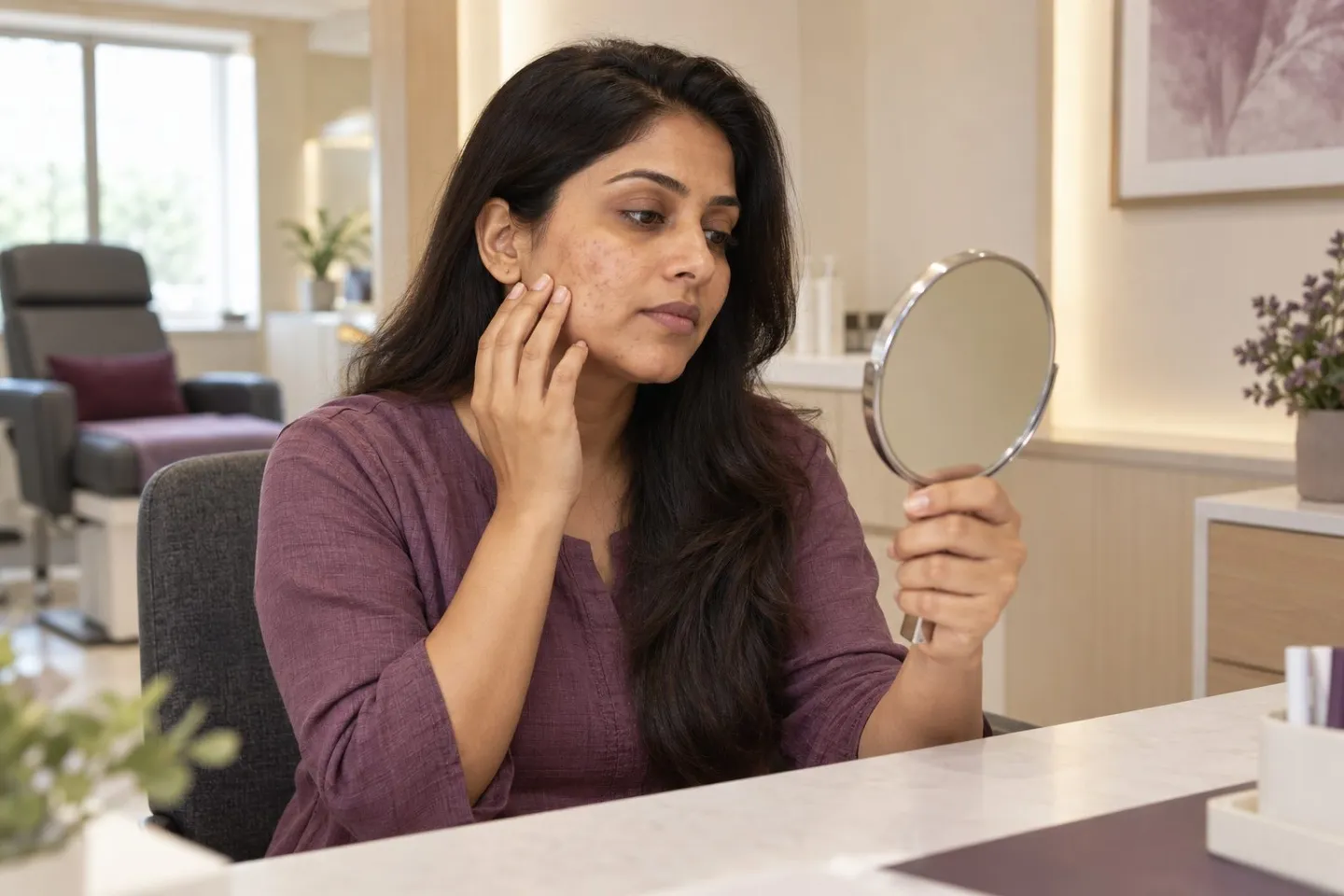
Understanding the concern
“Dull skin” describes an appearance rather than a single diagnosis. It may mean that the skin looks rough, lacks its usual luminosity or appears uneven in photographs. Natural skin colour is not a problem to correct; the goal can be healthier-looking texture and a more comfortable, even-looking complexion. Common features to discuss are:
• Tightness, flaking or makeup catching on dry areas.
• Rough texture or irritation after using several active products.
• Patchy pigmentation or marks left after acne.
• A recent change in skin appearance alongside broader health symptoms.
Read more: American Academy of Dermatology: relieving dry skin.
Light reflects differently from a smooth, well-moisturised surface than from a dry or rough one. Pigmentation can also make tone appear uneven even when the skin is well hydrated. Identifying which feature matters most helps you choose between a skincare adjustment, a dermatology procedure and a review of general health.
Causes and contributing factors
Harsh cleansing, over-exfoliation and unsuitable products can disturb the skin barrier. Sun exposure contributes to uneven tone, while acne or other inflammation may leave marks. Sleep and routine can influence how your skin looks, but appearance alone cannot diagnose a vitamin deficiency. Dehydration of the body and dryness of the skin surface are separate issues.
How it is assessed
Bring your current products or a list of them, including acids, retinoids and scrubs. Explain when the change began and whether there is itching, stinging or flaking. The dermatologist can assess texture, pigmentation and inflammation. Photographs taken in similar lighting can help describe change without relying on flattering filters or different camera settings.
When to seek medical advice
Book a dermatology review for persistent irritation, a new rash or a changing skin lesion. A sudden change in complexion with significant tiredness, breathlessness or other general symptoms also deserves a medical assessment.
Treatment and management options
A gentle cleanser, moisturiser and consistent sun protection are useful foundations. Depending on the findings, the dermatologist may discuss treatment for pigmentation, acne or texture, including suitable topical products or selected procedures. Skin & Radiance IV and Glutathione IV Therapy are related SkinGenious services. Their ingredient lists should not be taken as proof of a predictable glow or skin-lightening result. An infusion does not replace treatment of pigment disorders or a damaged skin barrier; discuss what measurable benefit is expected for your particular concern.
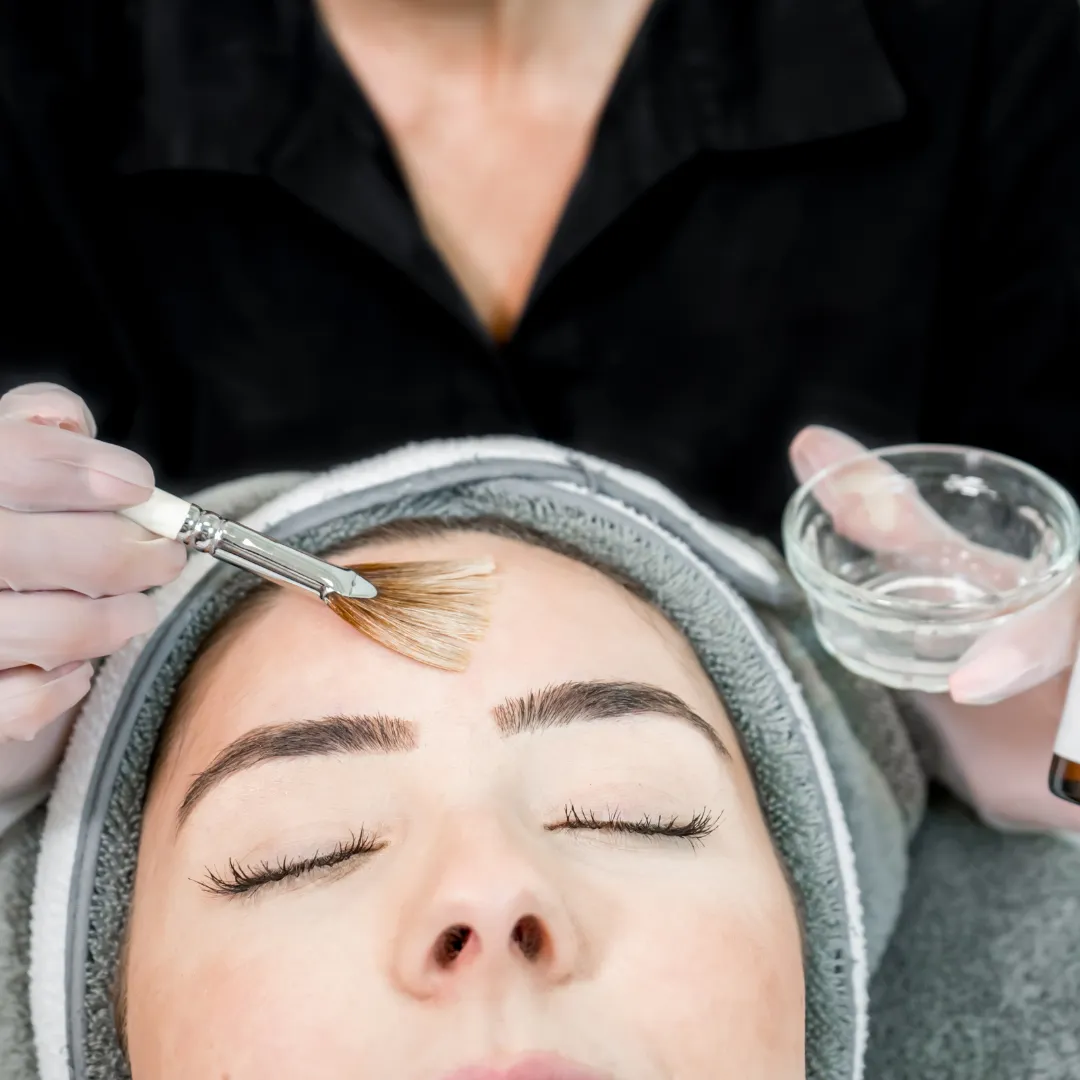
Chemical Peeling ↗
Chemical peel treatment or chemexfoliation is a technique where strong chemical agents (in the right concentrations), usually acidic in nature, are applied over the skin with the desired action of removing the top layer and hence replacing it with the underlying smoother skin. It is therefore also called a skin peeling treatment.They are most commonly done over the face, neck or hands

Glutathione IV Therapy ↗
Glutathione is an antioxidant made naturally by the body. If you are exploring it for skin tone or radiance, understanding the ingredient, the infusion process and the limits of the evidence is a useful place to start.
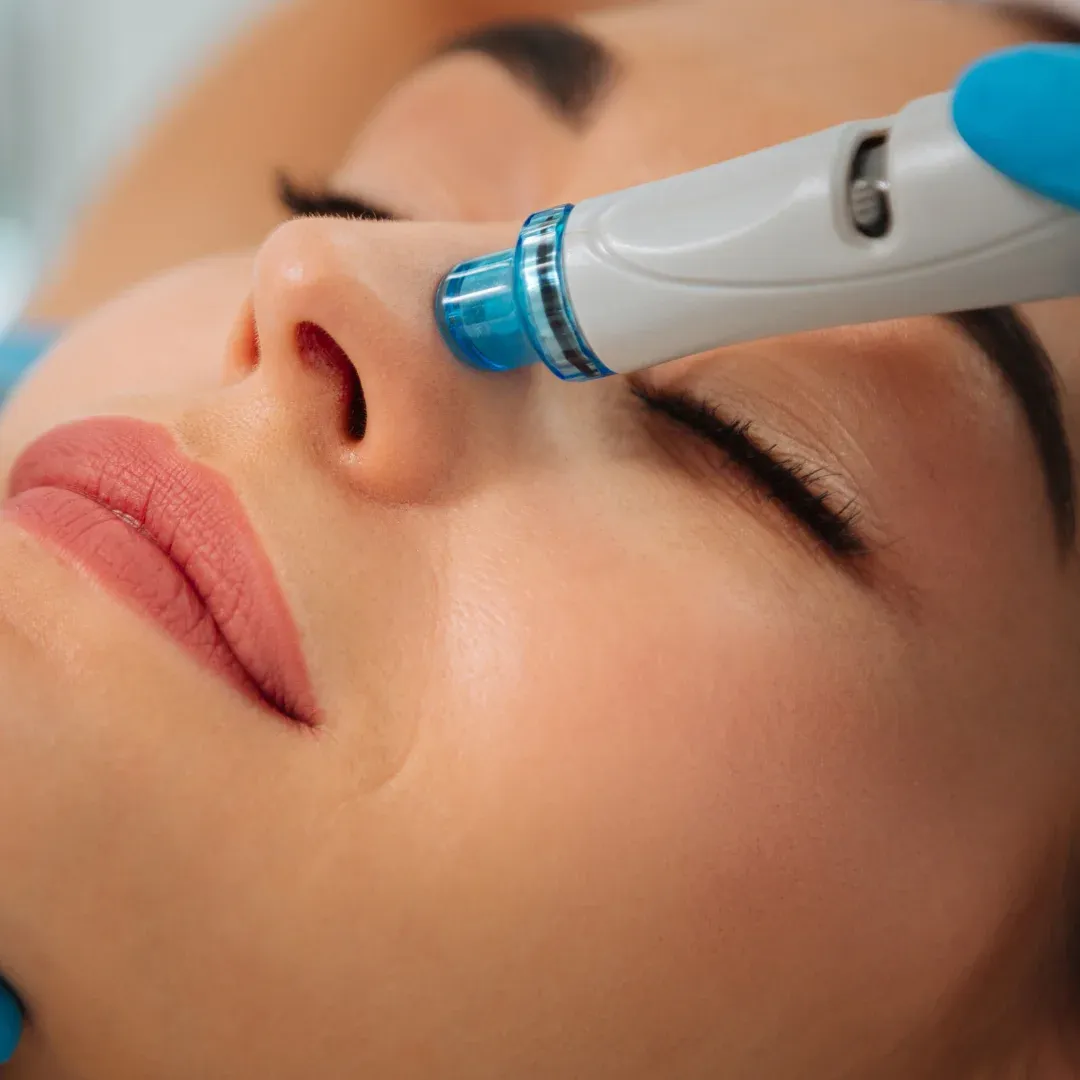
Hydrafacial ↗
The best dermafacial for dry skin & winter months!

Skin & Radiance IV ↗
For people exploring the nutritional side of skin care, Skin & Radiance looks at vitamin C, glutathione, glycine and lysine alongside the skin routine and treatments already suited to their concerns.
What improvement can look like
A useful outcome could be less tightness, smoother makeup application or more even-looking texture over time. Pigment concerns often need a longer plan than surface dryness. Compare progress under similar lighting and give an agreed routine time to work rather than changing products after every photograph.
Understanding your treatment choices
Choose one or two priorities for your consultation: dryness, texture, acne marks or uneven tone. Ask which part of the proposed plan addresses each priority, how long it should take and what maintenance involves. If you are considering both a facial procedure and IV therapy, clarify the separate purpose and cost of each.
Everyday care and prevention
Use moisturiser regularly and choose broad-spectrum SPF 30 or higher sun protection. Introduce active skincare gradually, especially if your skin stings easily. Avoid scrubbing harder in pursuit of radiance. Bring a simple record of products and reactions to follow-up so the routine can be adjusted based on your skin’s response.
Explore related guides
Continue exploring the treatments, concerns and categories connected with this topic.
Treatment guides
Chemical Peeling
Chemical peels improve selected surface and texture concerns by producing controlled exfoliation. Understand the different depths, how a peel is chosen and the care needed afterwards.
Read the guideGlutathione IV Therapy
Glutathione is an antioxidant made naturally by the body. If you are exploring it for skin tone or radiance, understanding the ingredient, the infusion process and the limits of the evidence is a useful place to start.
Read the guideHydrafacial
HydraFacial combines cleansing, exfoliation, extraction and hydration in a device-assisted facial. Explore its uses, the treatment steps and how it fits into a wider skincare routine.
Read the guideSkin & Radiance IV
For people exploring the nutritional side of skin care, Skin & Radiance looks at vitamin C, glutathione, glycine and lysine alongside the skin routine and treatments already suited to their concerns.
Read the guideConcern guides
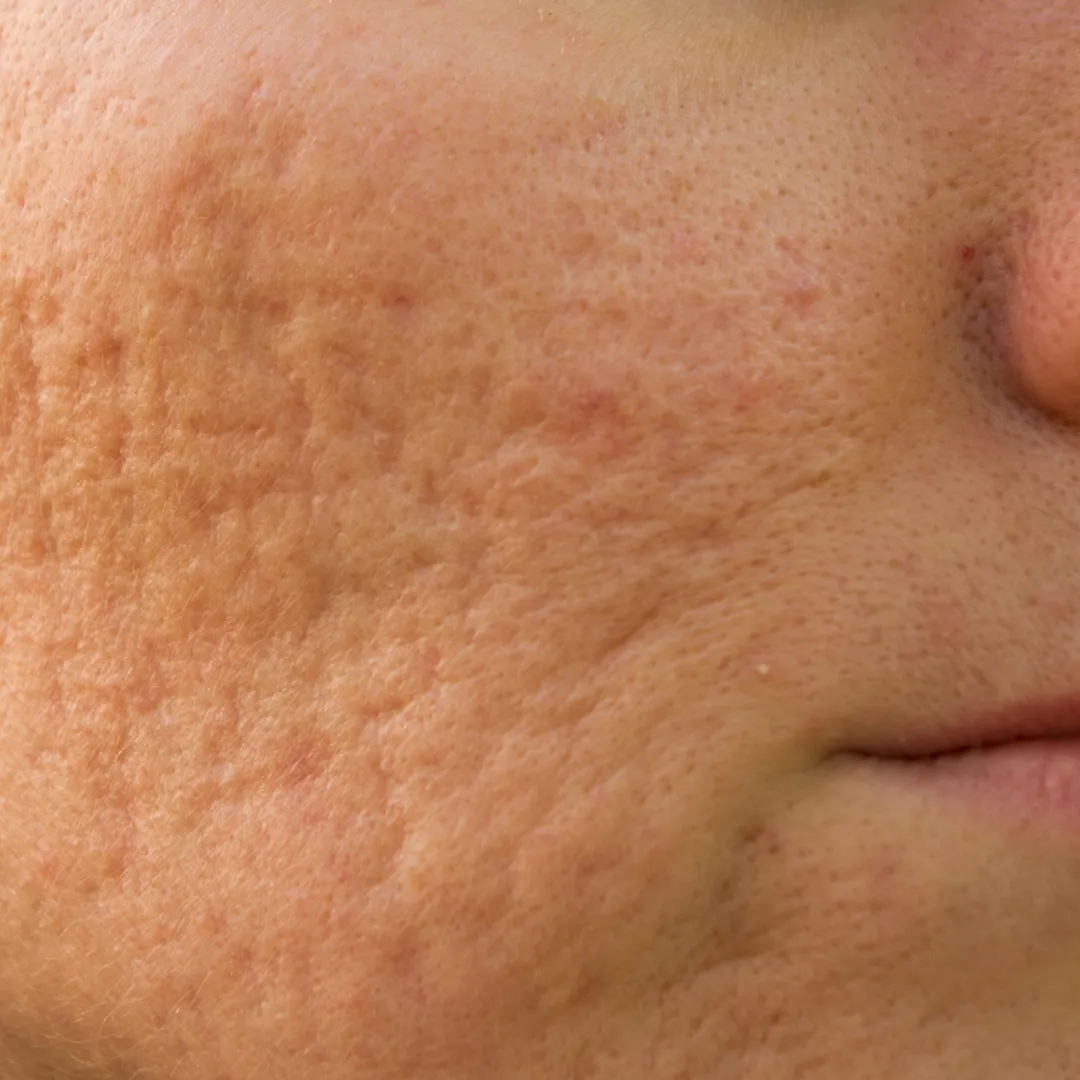
Acne scars
Acne scars are lasting changes in skin texture after acne inflammation. They differ from flat red or brown marks, which may improve without the same scar procedures.
Read the guide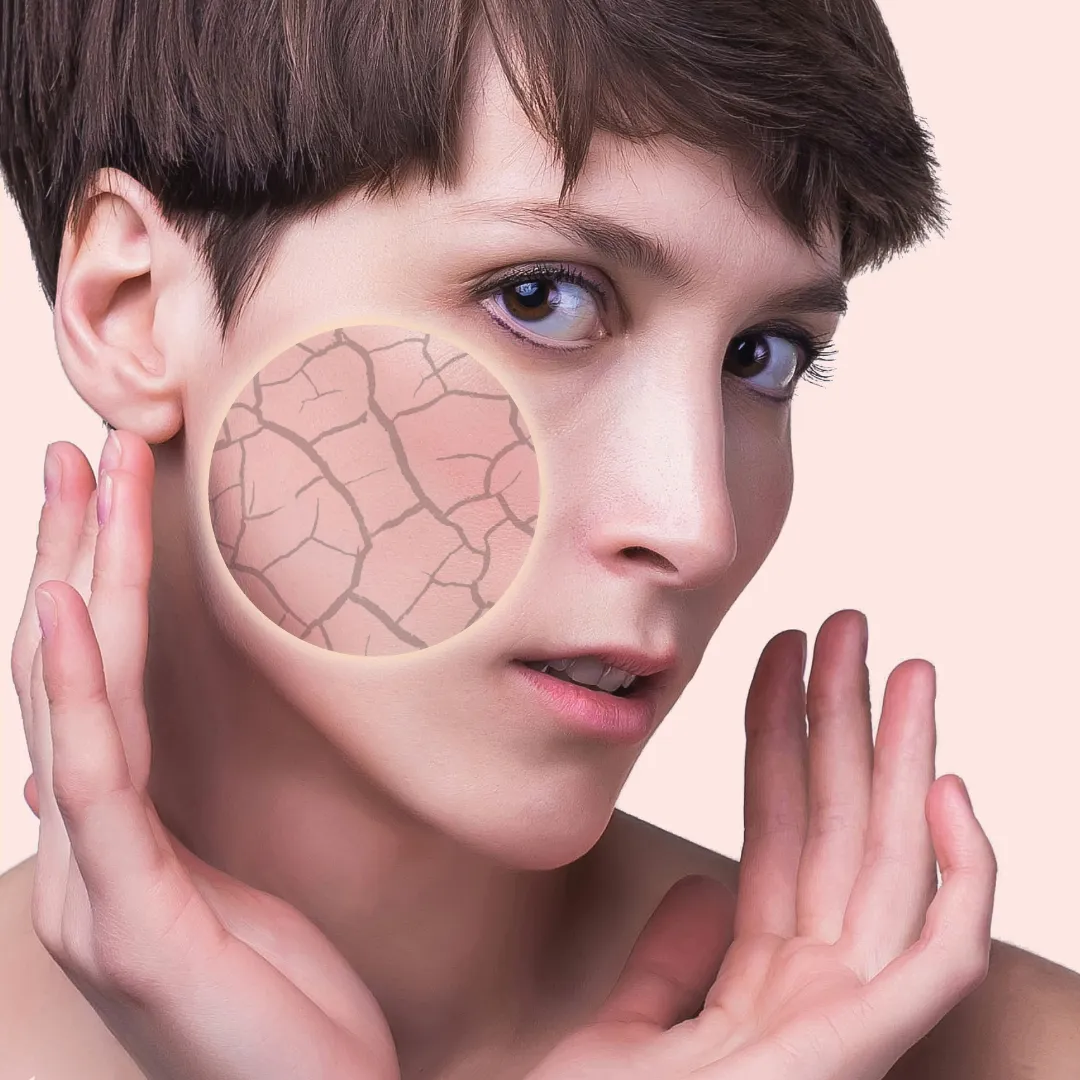
Dry skin
Dry skin can feel tight, rough, flaky or itchy. It may be a short-lived response to weather or washing, or part of a condition such as eczema.
Read the guide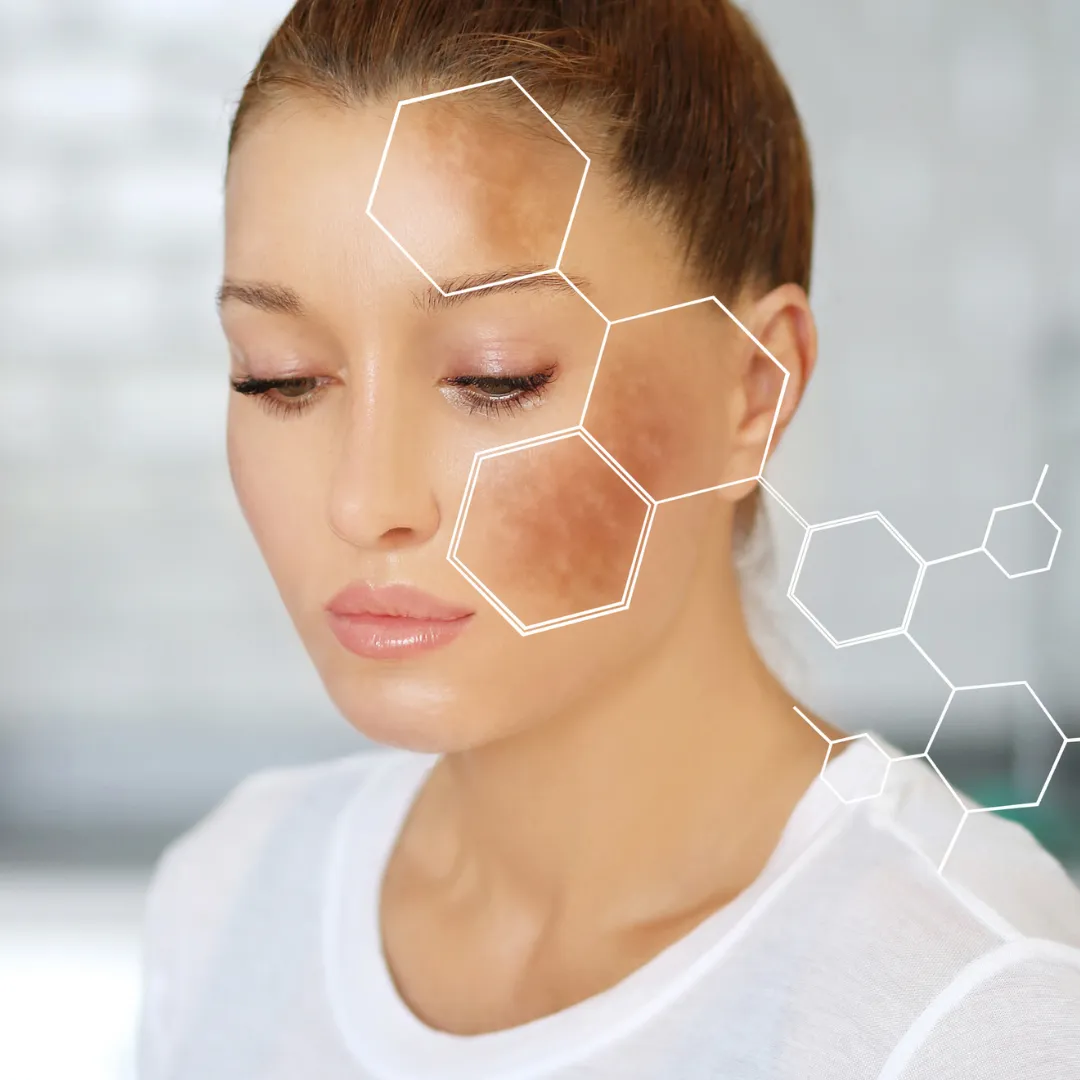
Hyperpigmentation
Hyperpigmentation means an area of skin is darker than the surrounding skin because of increased or altered pigment. The pattern helps identify the cause.
Read the guide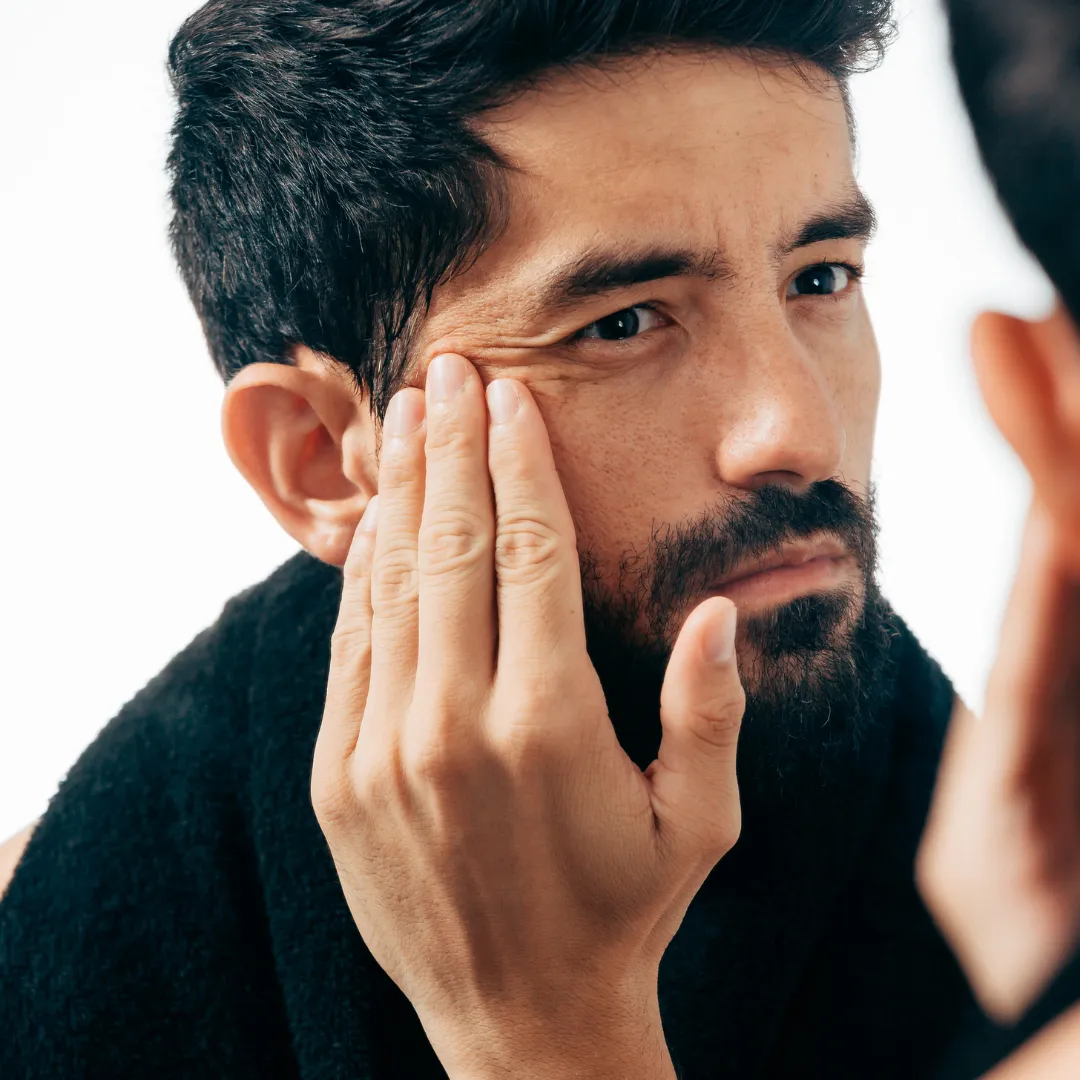
Wrinkles
Wrinkles are lines or folds that develop as skin changes with age, sun exposure and repeated facial movement. Some appear mainly with expression, while others remain when the face is at rest.
Read the guideCategory guides

Dermafacial
Dermafacials are skin-care treatments designed around goals such as cleansing, hydration, exfoliation and surface appearance. The products and devices used matter more than the name alone.
Read the guide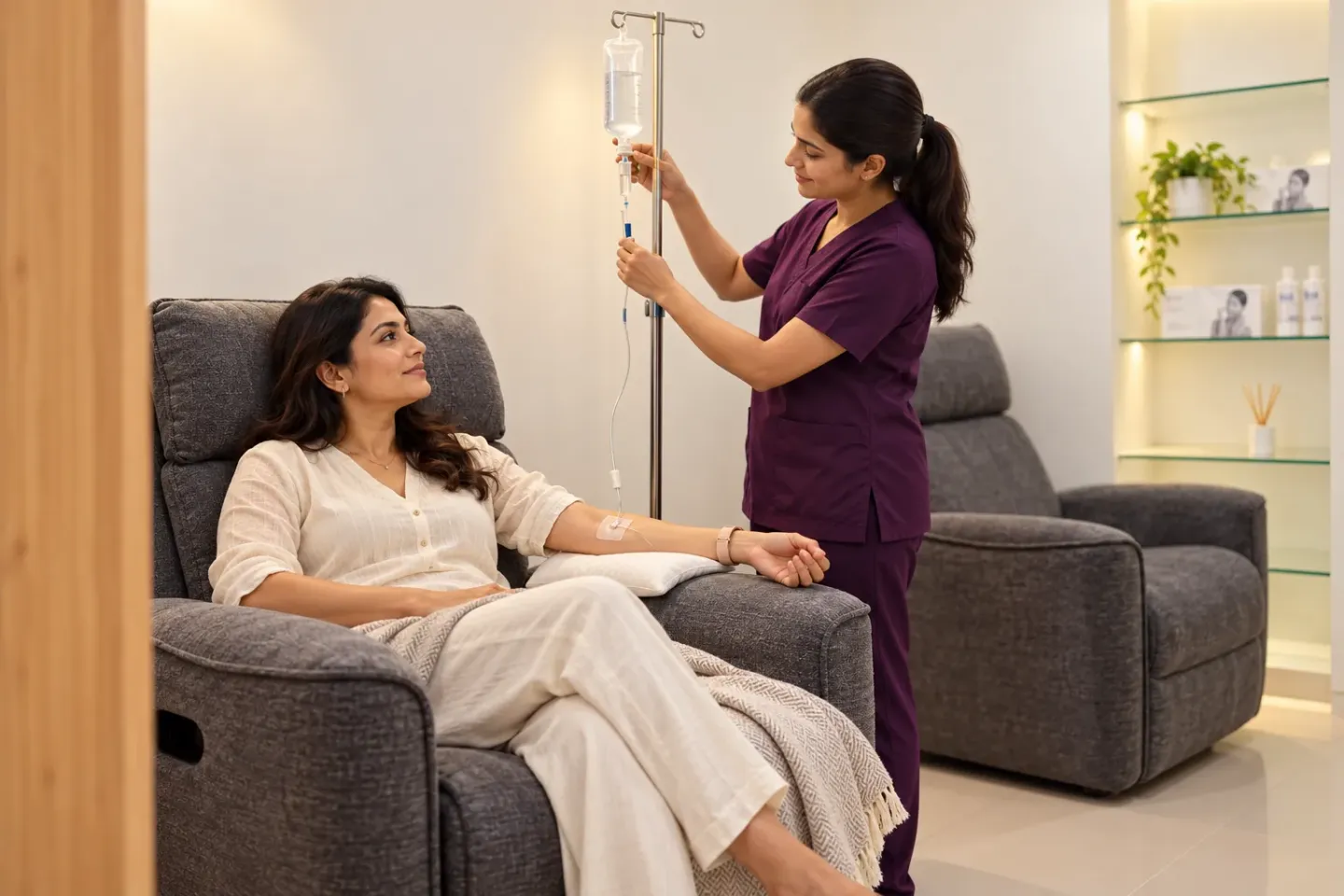
IV Drip & Wellness Therapy
Explore IV care at SkinGenious, from hydration and nutrient replacement to individual vitamin C, glutathione and NAD+ services. Compare what each option contains, what a session involves and how it relates to your goals.
Read the guideTake the next step
Explore care in your city
For local specialists, clinic information and appointments, choose a city.

Mumbai
Explore local specialists, clinics and appointments in Mumbai.
Explore care
Thane
Explore local specialists, clinics and appointments in Thane.
Explore care
Navi Mumbai
Explore local specialists, clinics and appointments in Navi Mumbai.
Explore care
Hyderabad
Explore local specialists, clinics and appointments in Hyderabad.
Explore care
Jaipur
Explore local specialists, clinics and appointments in Jaipur.
Explore care