 SCIENTIFIC SKIN, HAIR & PERSONAL AESTHETICS
Treatment guides
Laser Tattoo Removal: how it works, suitability and aftercare
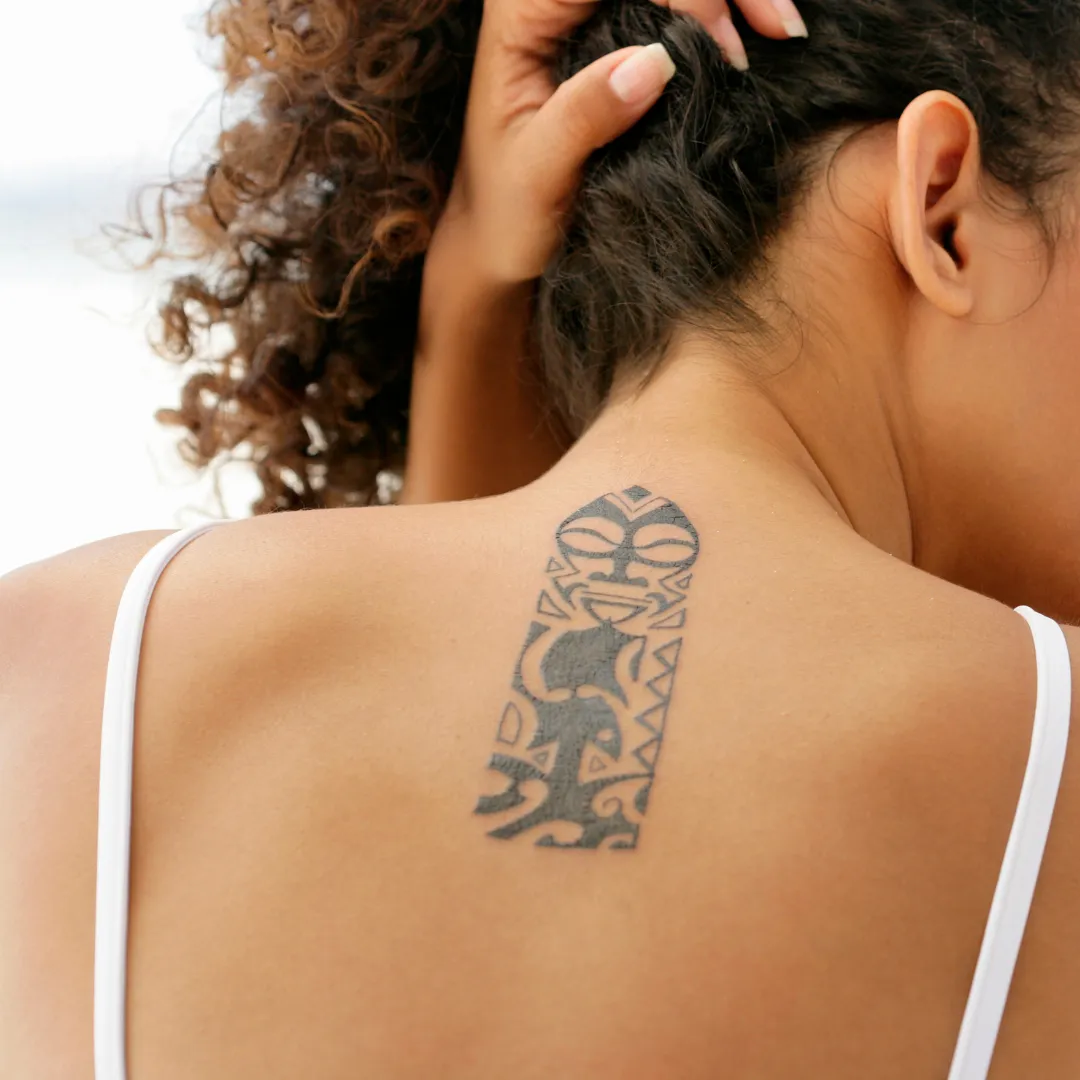
Laser tattoo removal gradually fades selected tattoo pigments. Learn how ink colour, tattoo depth and skin tone influence the treatment plan.
SkinGenious editorial team
Explore the guide ↓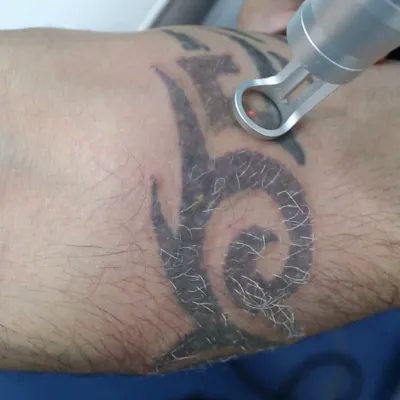
Understanding the treatment
The treatment could use different types of lasers, such as alexandrite or the q-switch Nd:YAG. At our clinics, we use the Q-switch laser method. This treatment is considered the most effective for removal of permanent tattoos. The Q-switch laser is a revolutionary technology used for the tattoo removal treatment. The name of the laser comes from the fact that this type of laser machine can produce a pulsed output beam which enables it to produce pulses of very high power.
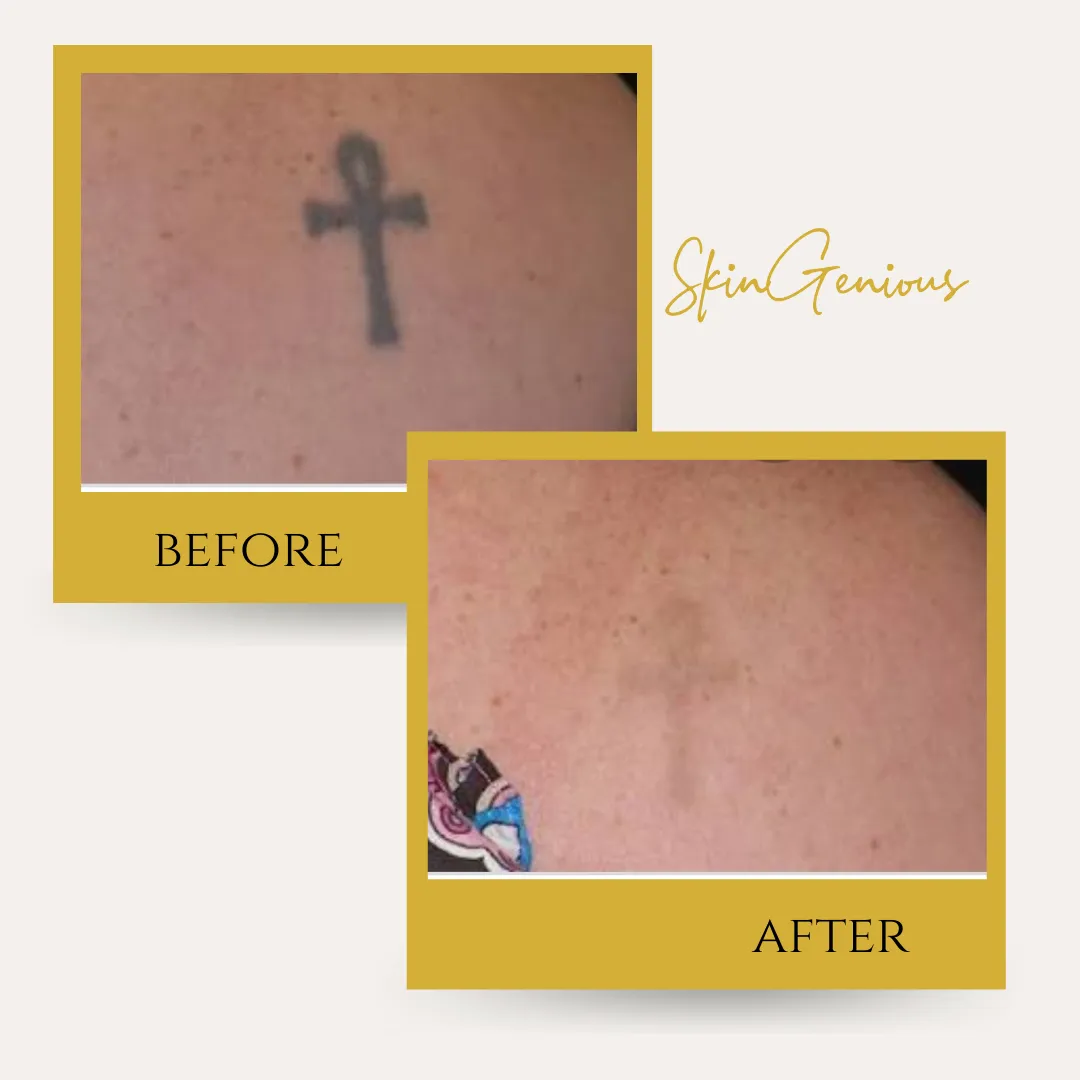
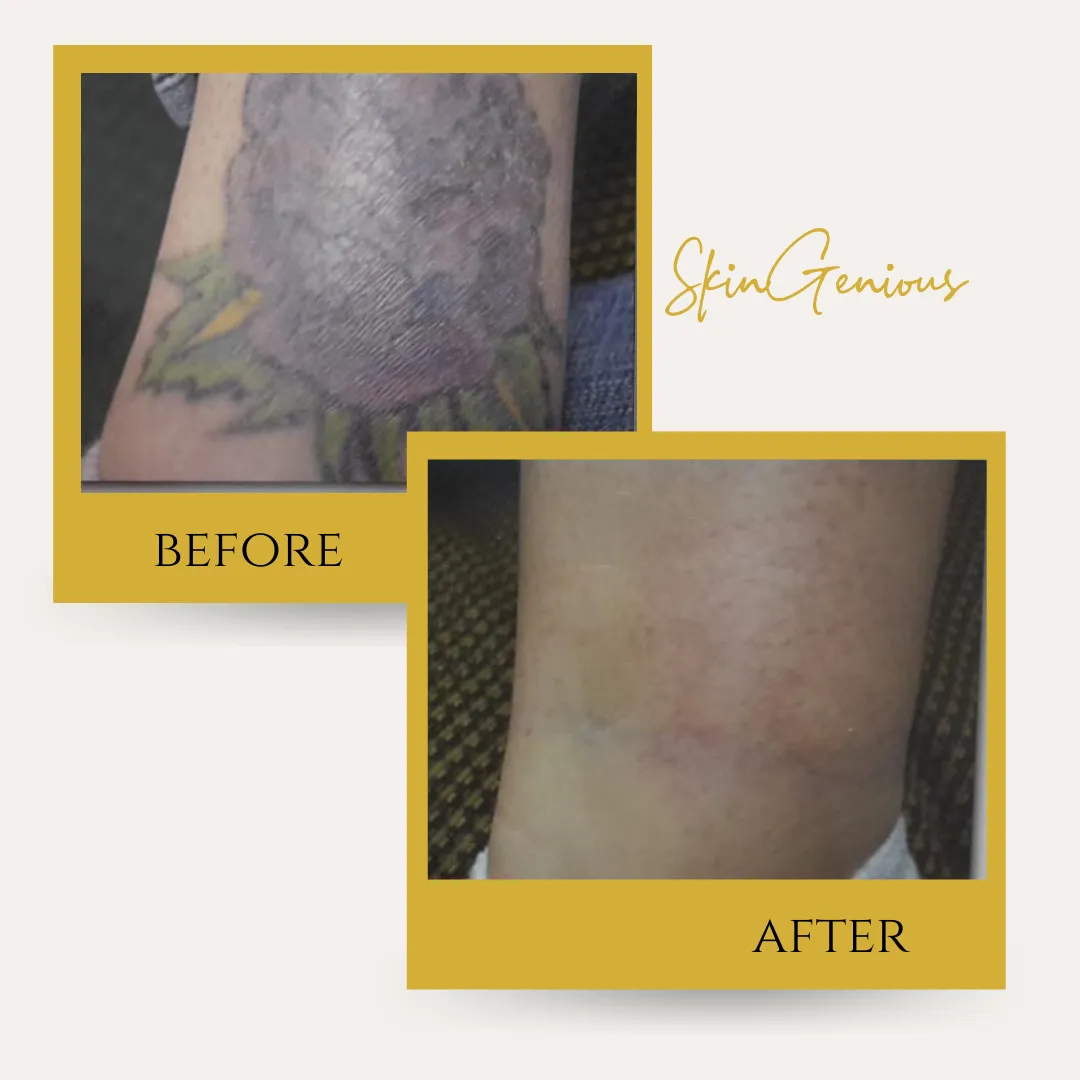
The high pulse rate and high energy of the Q-switch lasers directly target the externally inserted pigments and break them down. They do not affect the surrounding normal cells. Once the pigment molecules are broken down, they are excreted by the body through normal metabolism. Our dermatologists will guide you properly on pre-care and after-care for this laser treatment. It is useful for deeper as well as superficial tattoos and hence provides quick and visible results. You will require multiple sessions with this treatment. The tattoo will appear lighter in every subsequent session till maximum reversion is achieved. Professional tattoos could take anything between 5-10 sessions whereas amateur tattoos could be managed in 3-6 sessions. Reversion may not be 100% in all cases. A ghost shadow of the tattoo will almost always continue to be visible, but can easily be covered with cosmetic products.
Laser tattoo removal breaks down selected tattoo pigments so the body can clear some of the fragmented ink. Removal is usually a course rather than a single-session procedure.
How it works
We can divide tattoos into five types: Traumatic tattoos or natural tattoos that occur from colored substances entering into wounds Amateur tattoos : done by individuals themselves or by friends, mostly by placing India ink under the skin with a pin Professional tattoos: done by professionals using cultural methods or modern methods like a tattoo gun Cosmetic tattoos: Used for permanent make-up such as eyebrows or eyeliners or even for covering up hypopigmented vitiligo patches Medical tattoos: commonly made and used by physicians to delineate permanent landmarks for radiation therapy. Out of these tattoo types, the toughest to remove are the traumatic tattoos because the pigments are highly dissipated and present across several layers of skin. Amateur tattoos are the easiest to remove with the best outcomes. Professional tattoos are also removed, but take a higher number of sessions. The laser treatment targets the pigment molecules to break them down. Black and blue tattoos are the easiest to remove whereas yellow and green are the toughest, and removal may not give desired results with the latter two colors. After the process is complete, you should be left only with a ghost image of scarring and minimal presence of any tattoo pigments, provided they were a dark color. Improvement expected: 70-100% (multiple sessions required) Procedure time: 30-45 minutes Down time: NIL Results show after: Immediately, and keep improving after each session Results last for: Permanent
Specific wavelengths and pulse characteristics interact with different ink colours. Ink composition, depth and the body's response influence fading.
Suitability and assessment
Tattoo colour, age, location, scar history and skin tone are assessed. Cosmetic tattoos may contain pigments that darken with laser exposure, so extra caution is needed.
What happens during treatment
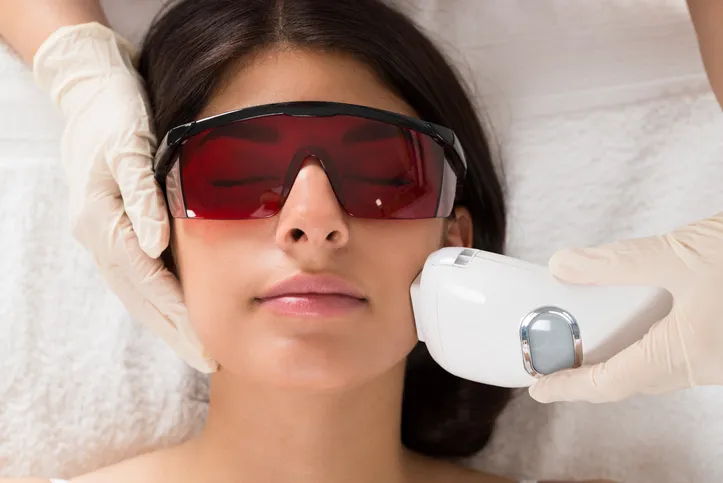
Photographs and a plan are followed by eye protection, possible test treatment and laser application. The clinician provides wound-care and spacing advice.
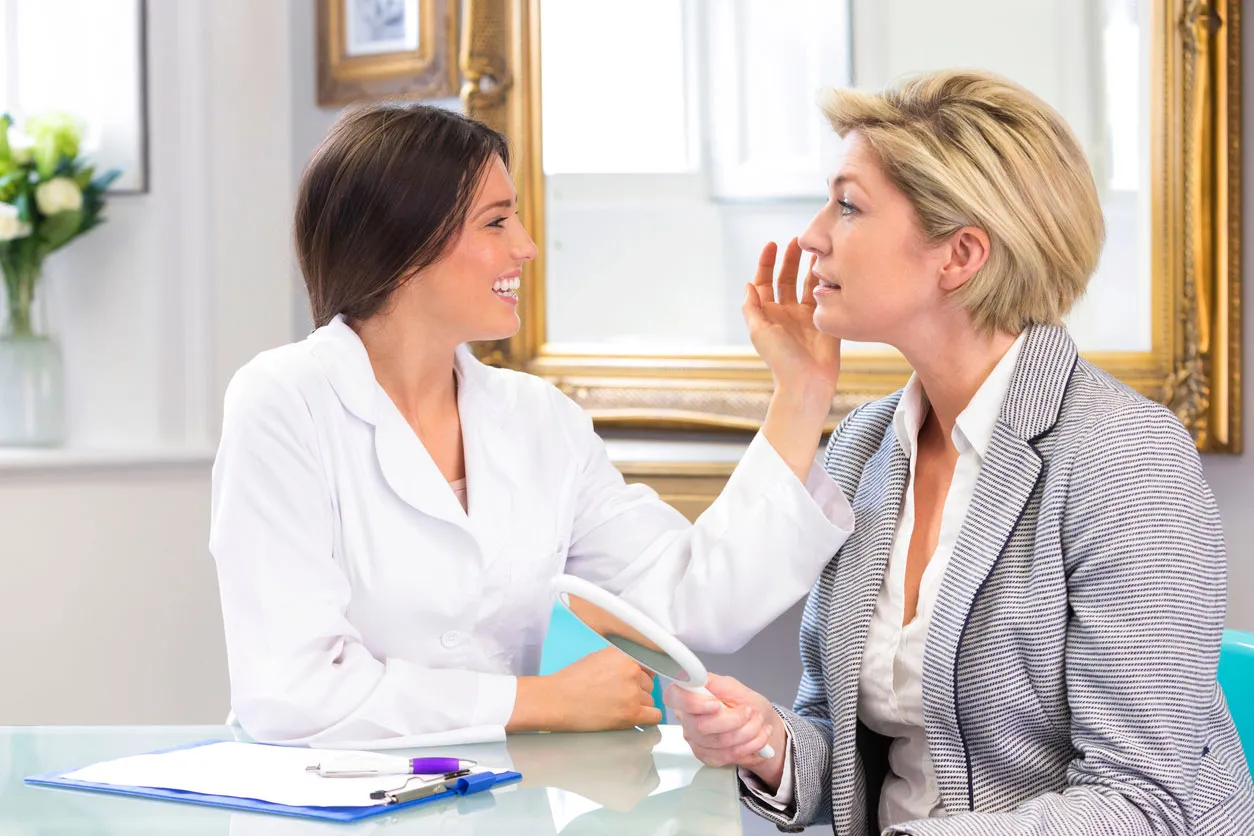
In-person Consultation
Consulting the dermatologist is the first step of any treatment at SkinGenious. You will meet the dermatologist, share your concerns and history regarding the tattoo. The dermatologist will then plan your laser sessions, including timing them properly.
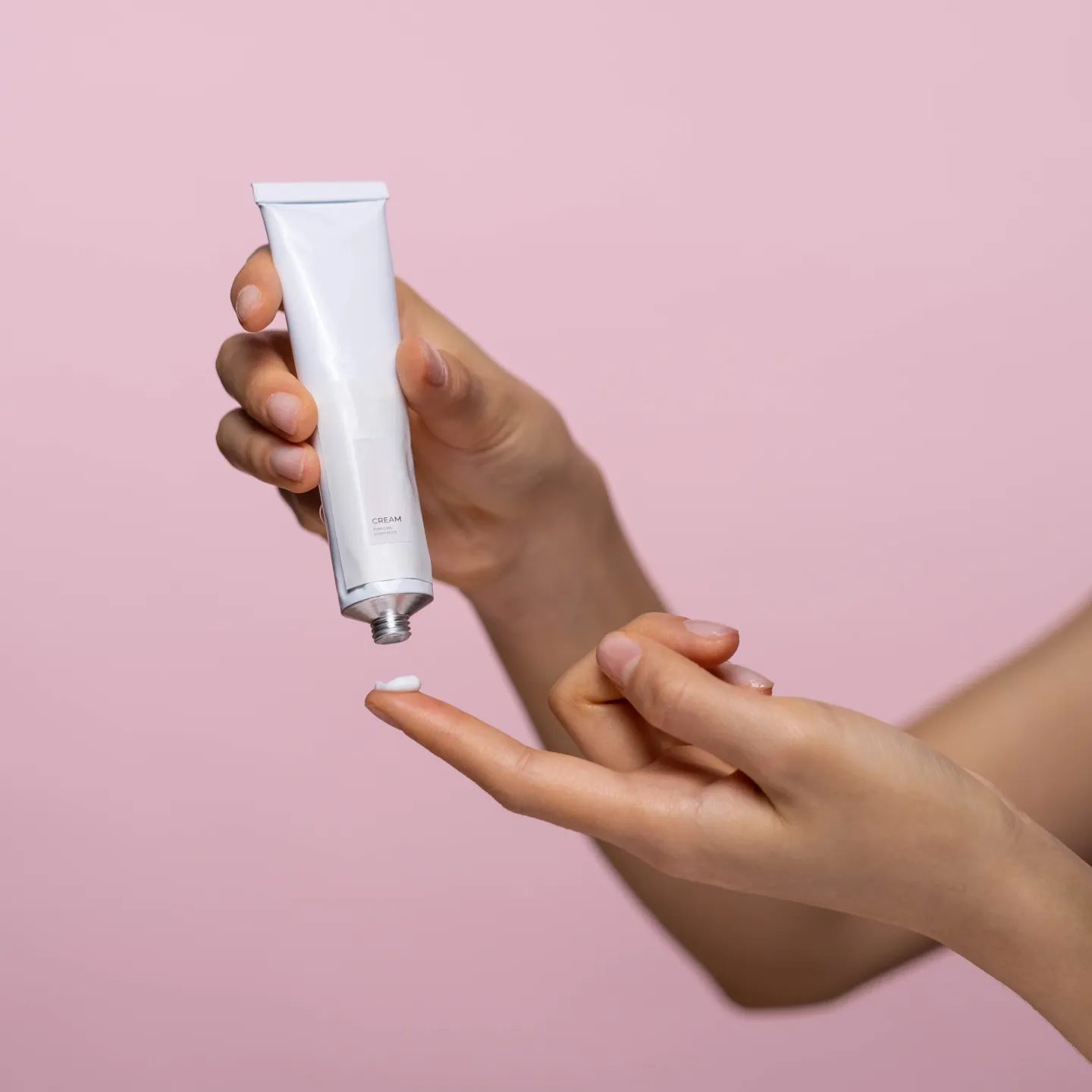
Pre-treatment preparation
Preparation for the treatment involves cleaning up the target area. Topical anaesthesia will then be applied. After this, you will wear protective goggles and relax on the treatment chair while the treatment is performed.
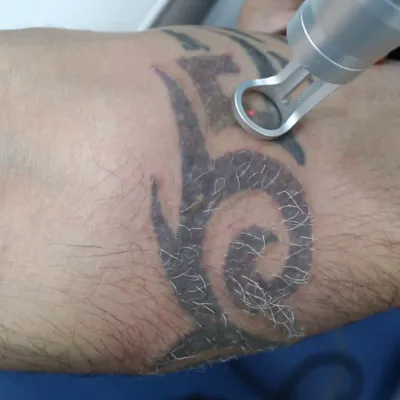
Treatment with Q-Switch laser
The dermatologist will deliver energy pulses from the Q-switch laser on the desired target areas. The treatment will take up to 30 minutes. After this you collect the after care instructions and revised skin care routine which you should follow diligently.
Results and limitations
Complete clearance is not guaranteed. Some colours are more resistant, and residual pigment or a shadow can remain after treatment.
Laser Tattoo Removal for Unwanted tattoo
You will require multiple sessions with this treatment. The tattoo will appear lighter in every subsequent session till maximum reversion is achieved. Professional tattoos could take anything between 5-10 sessions whereas amateur tattoos could be managed in 3-6 sessions. Reversion may not be 100% in all cases.
A ghost shadow of the tattoo will almost always continue to be visible, but can easily be covered with cosmetic products.
Before and after results
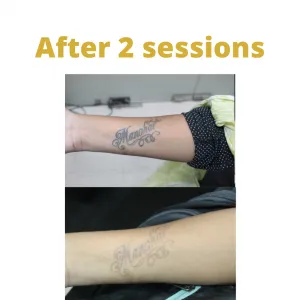
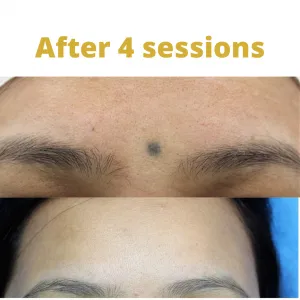
These photographs come from the existing treatment and concern records. They illustrate individual outcomes. Your starting point, treatment plan and healing response affect your own result.
Risks and recovery
Blistering, crusting, pigment changes, scarring and allergic reactions can occur. Existing tattoo scars may become more obvious as ink fades.
- Swelling
- Redness
- Post inflammatory hyperpigmentation
Preparing for treatment
Bring details of previous procedures, medicines, allergies and any change in your health. Ask which skincare products or activities need adjusting before the appointment. Do not stop prescribed medicines without advice.
Any change to prescribed medicines, including blood thinners, must be agreed with the prescribing clinician.
- Stop using any over the counter products that you apply on your skin.
- Clean the area so that it is clearly visible before your consultation.
- Not smoking will help avoid the risks of the procedure.
Aftercare
Keep healing skin clean, avoid picking and protect it from sunlight. Follow instructions about dressings, swimming and when to seek review.
Alternatives to consider
Leaving the tattoo unchanged, professional cover-up work after healing, or selected surgical options have different trade-offs. Caustic home-removal products can damage skin.
Planning treatment and maintenance
A tattoo is not one uniform target. Ink colour, depth, density, age and previous attempts at removal all influence how it responds. Black and some dark inks are often easier to target than certain bright colours, and a multicoloured tattoo may need more than one laser wavelength.
Show the clinician the whole tattoo and explain whether your goal is complete removal or lightening before a cover-up. The position on the body, skin tone and any existing scar also affect the plan. Cosmetic tattoos and some light-coloured pigments need particular care because their colour can change unexpectedly when treated.
Sessions are spaced to allow the skin and immune response time to clear fragmented pigment. Trying to compress a course into a short period does not necessarily improve clearance. Ask for a realistic range of sessions and an explanation of which colours may remain difficult, rather than a guarantee based only on the size of the tattoo.
The area needs careful protection while it heals. Follow the instructions for dressing, washing and sun exposure, and avoid picking at crusts or blisters. Compare photographs after recovery from each session. Sometimes a faint outline, pigment change or pre-existing scar remains even when much of the ink has cleared. That possibility should be part of the decision before you begin.
What affects the cost
The area treated, the product or device, the treatment plan and the number of sessions influence the total. A useful estimate explains what is included, what follow-up involves and whether maintenance is likely. City pages provide the local service information.
Explore related guides
Continue exploring the treatments, concerns and categories connected with this topic.
Concern guides
Category guides
Common questions
Is the Q-switch laser treatment painful?
You may feel mild sensations when the laser light pulses are used on you
What should I understand before choosing laser tattoo removal?
Tattoo colour, age, location, scar history and skin tone are assessed. Cosmetic tattoos may contain pigments that darken with laser exposure, so extra caution is needed.
What results should I expect?
Complete clearance is not guaranteed. Some colours are more resistant, and residual pigment or a shadow can remain after treatment.
How do I compare this with other options?
Leaving the tattoo unchanged, professional cover-up work after healing, or selected surgical options have different trade-offs. Caustic home-removal products can damage skin.
Further reading and references
Take the next step
Explore care in your city
For local specialists, clinic information and appointments, choose a city.

Mumbai
Explore local specialists, clinics and appointments in Mumbai.
Explore care
Thane
Explore local specialists, clinics and appointments in Thane.
Explore care
Navi Mumbai
Explore local specialists, clinics and appointments in Navi Mumbai.
Explore care
Hyderabad
Explore local specialists, clinics and appointments in Hyderabad.
Explore care
Jaipur
Explore local specialists, clinics and appointments in Jaipur.
Explore care