 SCIENTIFIC SKIN, HAIR & PERSONAL AESTHETICS
Treatment guides
Salicylic peel: how it works, suitability and aftercare
Salicylic acid peels can help selected oily and acne-prone skin. Explore how they fit into an acne-care plan and what preparation and aftercare involve.
SkinGenious editorial team
Explore the guide ↓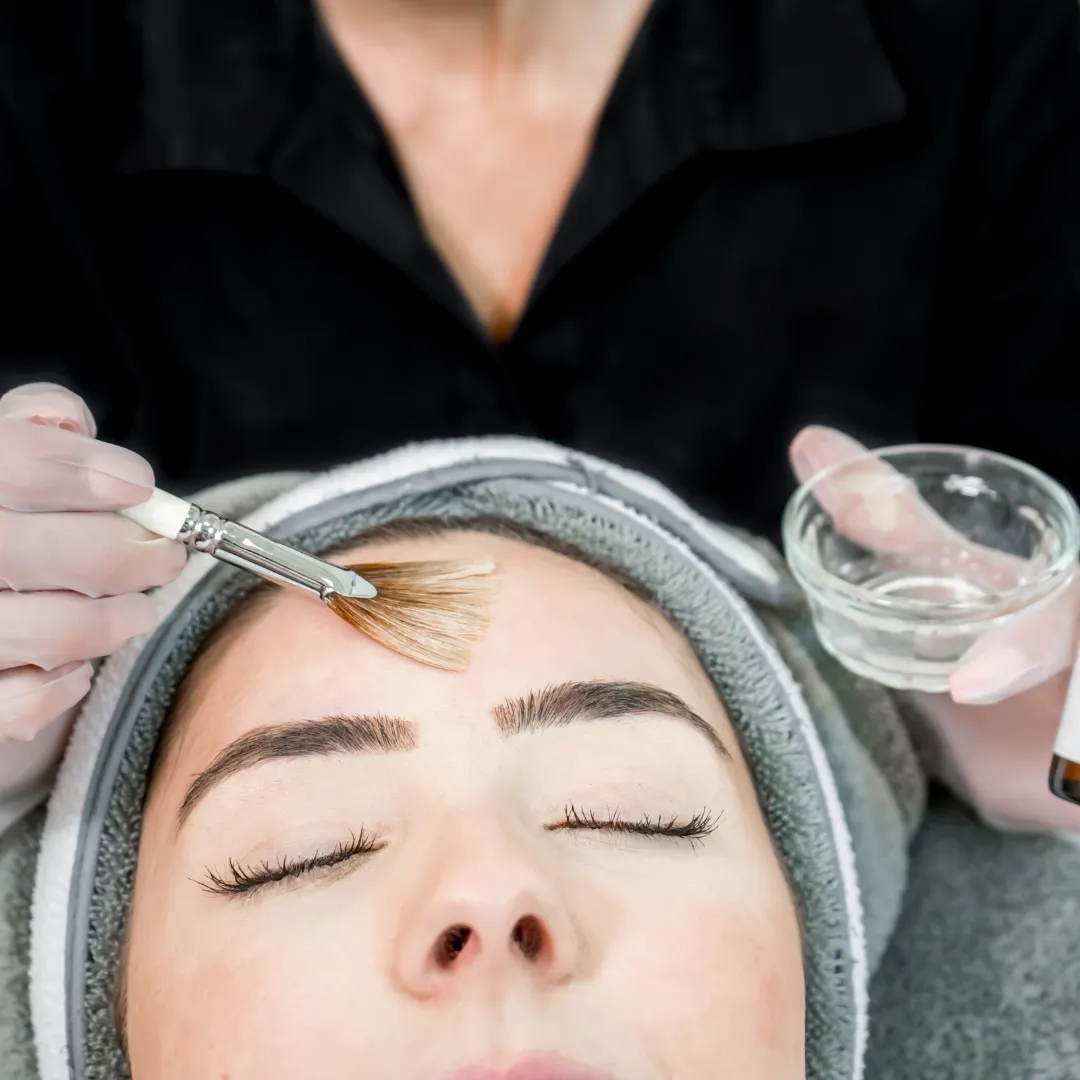
Understanding the treatment
Salicylic peel is a chemical peel that helps with acne. Acne is a condition where the normal hair follicles get blocked with sebum and impurities which may or may not be infected. In the early stages, they are seen as whiteheads or blackheads.
Salicylic peel is a chemical peel that can help deal with active acne. Acne can be classified into Grade1, 2 & 3 depending on the severity. Grade 1 acne is seen as blackheads and whiteheads, where the follicles are plugged, but are not infected. Pustular acne is seen as grade 2 and multiple nodulocystic acne are considered the most serious form of the condition and are considered grade 3. Given that more severe forms of acne involve infections of the follicles, the first line of treatment most commonly involves medications (antibiotics) for the infection to subside.
A salicylic acid peel is a chemical peel sometimes used for selected oily or acne-prone skin. It should be considered as part of a broader care plan rather than a universal acne treatment.
How it works
Acne is quite common. Many teenagers suffer from the condition. The condition may be considered more serious in adults, considering that the condition is likely to be indicative of underlying hormonal issues.
The treatment modalities are quite effective. Be it antibiotic medications, peels or other topical solutions such as retinoids the treatment of acne is quite evolved and patients are able to get rid of undesired acne.
Underlying conditions may need to be treated in adult acne.
Salicylic acid helps loosen surface cells and can act within oily follicles. The formulation and application determine the intensity of the peel.
Suitability and assessment
Acne type, skin sensitivity, salicylate allergy, medicines and pregnancy or breastfeeding need discussion. Irritated or broken skin may require postponement.
What happens during treatment
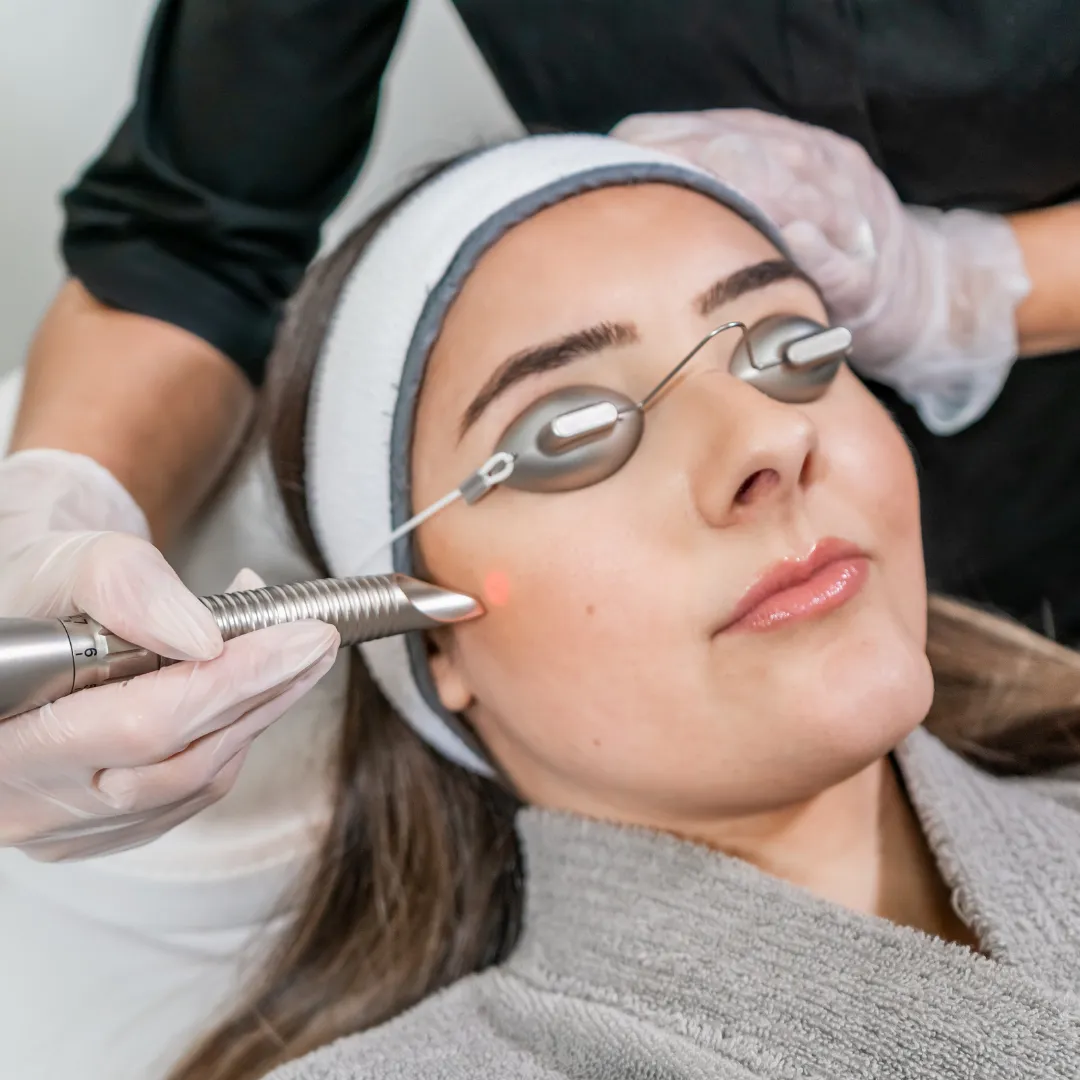
Skin is assessed and prepared before a professionally selected formulation is applied. Contact time and follow-up care depend on the product and protocol.
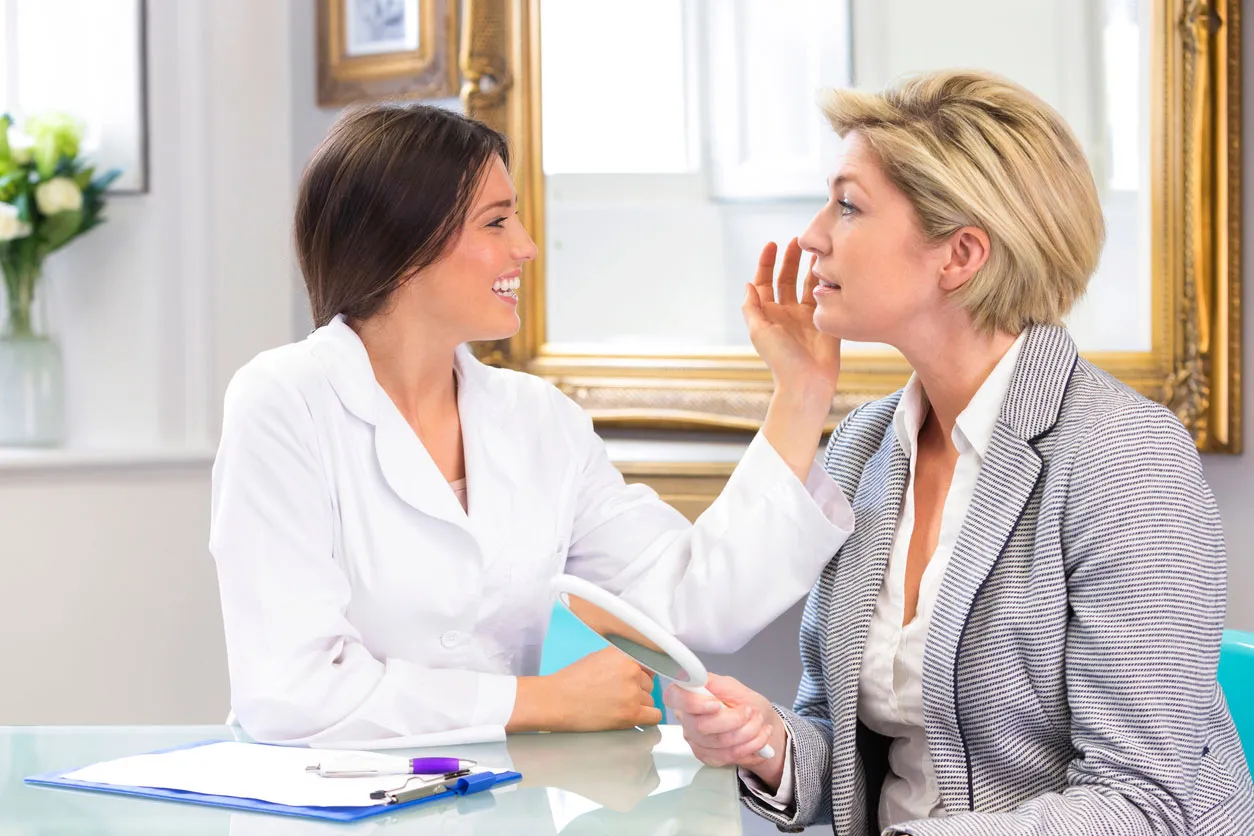
Consultation
When you visit SkinGenious, you will consult one of the top dermatologists in the city. They will understand and decide the correct line to help you with your condition.
Diagnosis
The dermatologist will diagnose the cause of your acne and then suggest the ideal line of treatment. There may be various underlying causes for ace including hormonal changes. Adult acne may be a more serious concern.
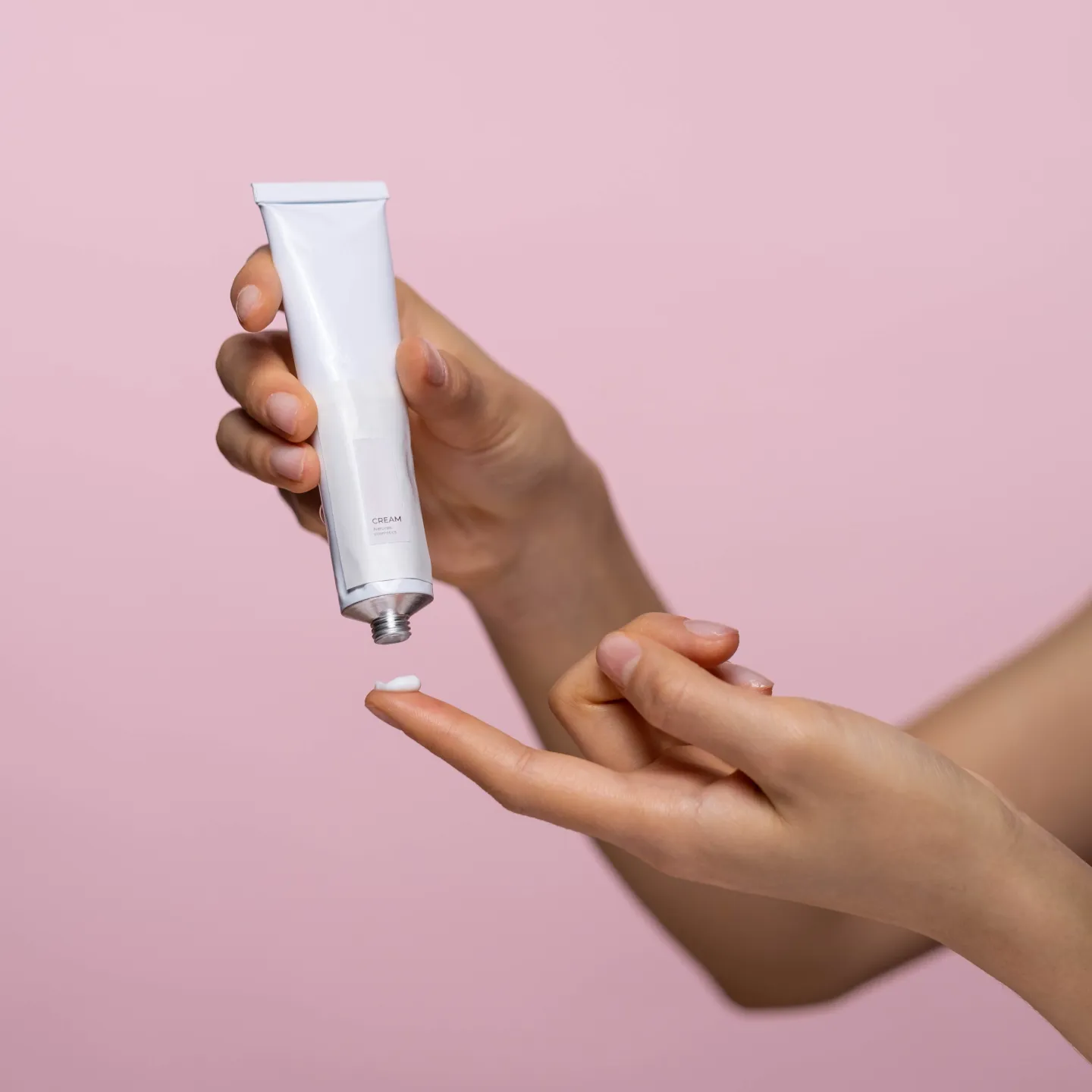
Treatment
The ideal line of treatment is chosen based on the diagnosis of your condition. This may involve medications as well as some in-clinic treatments such as salicylic peels.
Results and limitations
A course may help some congestion or superficial changes. Nodules, scarring acne and persistent inflammation often need medical treatment beyond peels.
Salicylic peel for Acne
Salicylic acid chemical peel is quite effective in subsiding immediate redness and swelling associated with severe acne. It is not used alone as the first line of treatment, but in conjunction with medications.
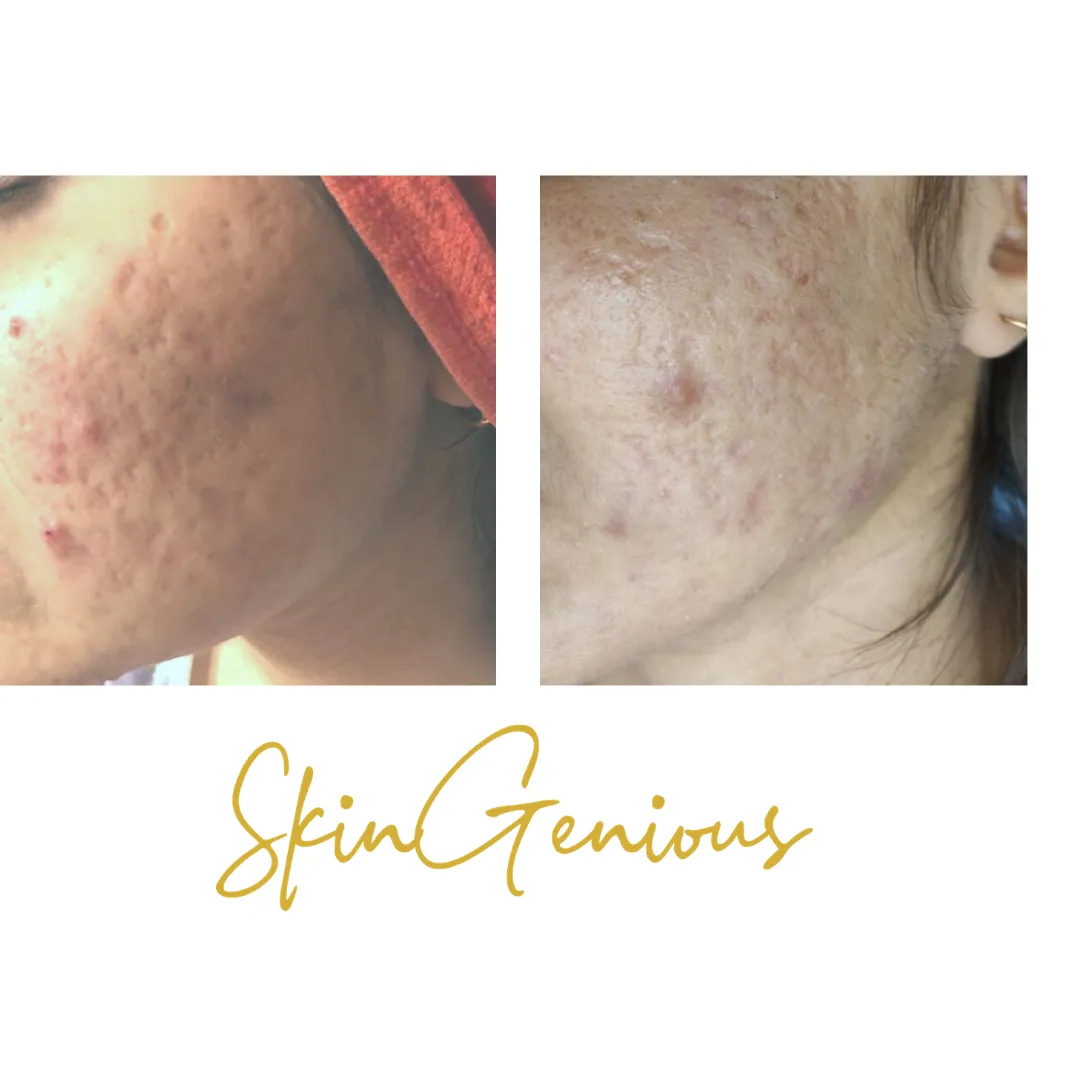
Before and after results
These photographs come from the existing treatment and concern records. They illustrate individual outcomes. Your starting point, treatment plan and healing response affect your own result.
Risks and recovery
Burning, redness, dryness, peeling and pigment changes are possible. Applying stronger products or treating excessive areas can increase risk.
There are no risks associated with the treatment. The side effects are pertinent to the medications used. Topicals like retinoids might lead to purging, whereas antibiotics may come with their own side effects like diarrhoea and etallic taste in the mouth. All potential side effects will be explained by the dermatologist before starting the treatment.
Preparing for treatment
Bring details of previous procedures, medicines, allergies and any change in your health. Ask which skincare products or activities need adjusting before the appointment. Do not stop prescribed medicines without advice.
Any change to prescribed medicines, including blood thinners, must be agreed with the prescribing clinician.
Before the treatment, make sure that you have stopped any home remedies or treatments that you have been using, so that the dermatologist can appreciate the true extent of your illness.
Steroid use at home is a big no.
Aftercare
There is no specific after-care required for the treatment apart from cases where a chemical peel may have been used. In those cases, use of sunscreen and other methods of sun protection may be prescribed.
Use gentle cleansing, moisturiser and sun protection as directed. Avoid adding retinoids or acids until advised to restart them.
Alternatives to consider
Topical retinoids, benzoyl peroxide and other diagnosis-specific therapies may be more important for acne control. A peel is an adjunct for selected patients.
Planning treatment and maintenance
Salicylic acid peels are commonly used for oily and acne-prone skin because the ingredient can work within oily pores. They may help with comedones and selected post-acne surface changes. The peel is still only one part of an acne plan if breakouts are being driven by ongoing inflammation or other factors.
Your dermatologist will look at whether the skin is congested, actively inflamed, irritated or dry from current treatment. Using a peel on an already damaged barrier may increase discomfort and marks rather than improve the appearance. Mention sensitivity to salicylates and all the products you currently apply.
The depth of treatment depends on how the peel is used, not just its name. The clinic should explain preparation, the sensation during application and the expected recovery. Do not apply extra salicylic products at home to intensify the effect unless that is part of the agreed plan.
Track the number of new breakouts, pore congestion and how comfortable the skin feels between appointments. Surface dryness and visible flaking are not the same as long-term acne control. Continue prescribed care and sun protection as advised, and review persistent painful acne or scarring early. The aim is clearer, more comfortable skin, not repeated irritation.
What affects the cost
The area treated, the product or device, the treatment plan and the number of sessions influence the total. A useful estimate explains what is included, what follow-up involves and whether maintenance is likely. City pages provide the local service information.
Explore related guides
Continue exploring the treatments, concerns and categories connected with this topic.
Treatment guides
Concern guides
Category guides
Common questions
What should I understand before choosing salicylic peel?
Acne type, skin sensitivity, salicylate allergy, medicines and pregnancy or breastfeeding need discussion. Irritated or broken skin may require postponement.
What results should I expect?
A course may help some congestion or superficial changes. Nodules, scarring acne and persistent inflammation often need medical treatment beyond peels.
How do I compare this with other options?
Topical retinoids, benzoyl peroxide and other diagnosis-specific therapies may be more important for acne control. A peel is an adjunct for selected patients.
Further reading and references
Take the next step
Explore care in your city
For local specialists, clinic information and appointments, choose a city.

Mumbai
Explore local specialists, clinics and appointments in Mumbai.
Explore care
Thane
Explore local specialists, clinics and appointments in Thane.
Explore care
Navi Mumbai
Explore local specialists, clinics and appointments in Navi Mumbai.
Explore care
Jaipur
Explore local specialists, clinics and appointments in Jaipur.
Explore care