 SCIENTIFIC SKIN, HAIR & PERSONAL AESTHETICS
Treatment guides
Photofacial: how it works, suitability and aftercare
Photofacial treatments use light to address selected pigment changes and visible redness. Explore IPL, the skin features it targets and the factors that guide a treatment plan.
SkinGenious editorial team
Explore the guide ↓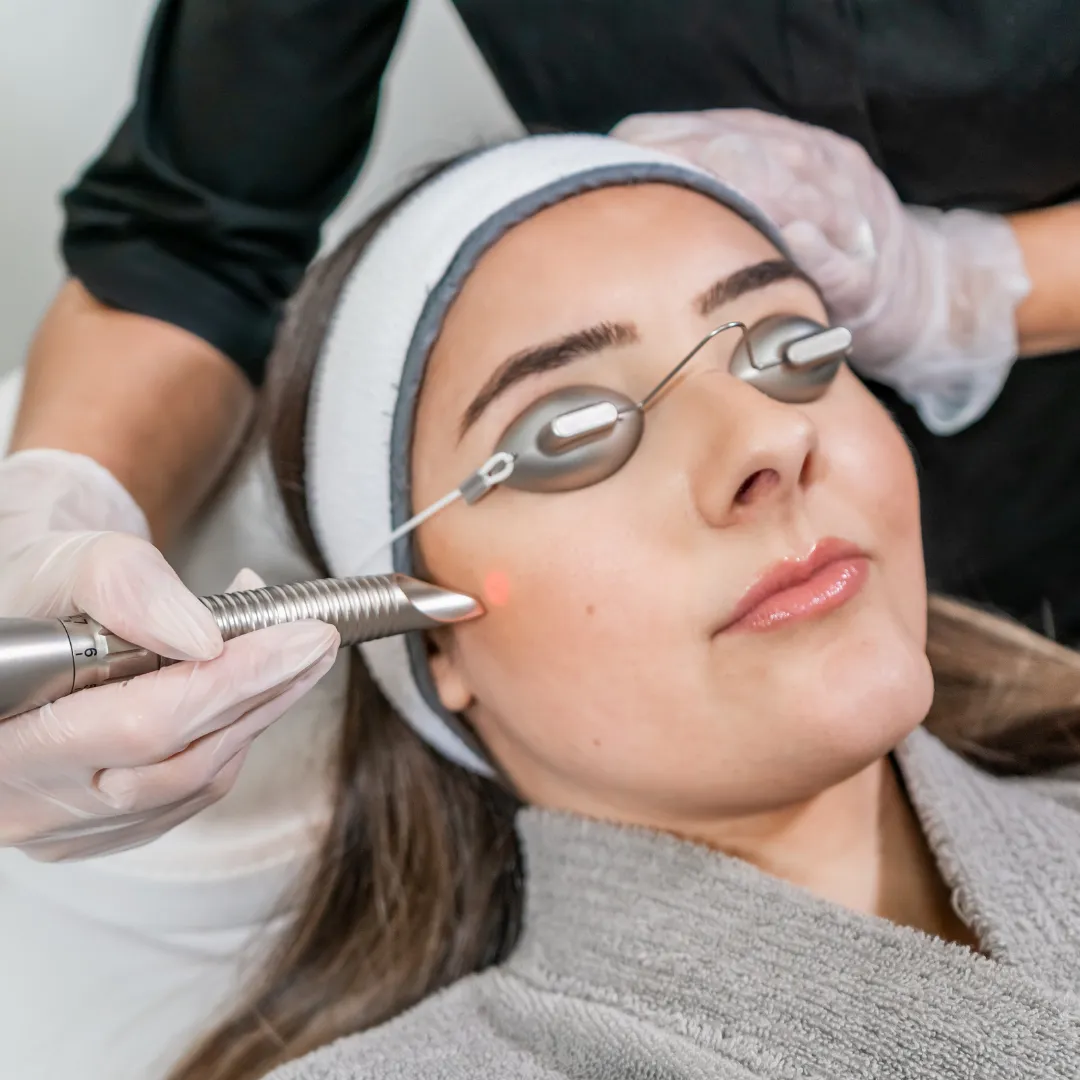
Understanding the treatment
This dermafacial focuses on improvement of sun-spots, age-spots among other concerns.
This dermafacial focuses on improvement of sun-spots, age-spots, dullness, large pores, uneven pigmentation & early signs of aging; giving you smoother skin and an even tone. Laser light is used to treat the skin, followed by the application of a customized lightening mask. It is a 7 step facial. Scroll images on left for steps. Scroll down for description of steps. Duration 45 minutes. Effects last 2 weeks
Photofacial commonly refers to light-based treatment for selected pigment and vascular changes, often using intense pulsed light. The device and intended target should be specified rather than assumed from the name.
How it works
You can expect the results of the treatment to last for 2 weeks. The total duration of the treatment is 45 minutes. After the treatment, you will see improvement in:
Sun-spots
Age-spots
Dullness
Large pores
Uneven pigmentation
Early signs of aging
IPL delivers filtered light across several wavelengths. Energy is absorbed by selected pigments or blood-vessel targets; IPL is different from a single-wavelength laser.
Suitability and assessment
Sun spots, redness and other marks require diagnosis. Skin tone, tanning, melasma, medicines and photosensitivity can affect risk and suitability.
What happens during treatment
The clinician selects settings and may consider a test area. Eye protection and coupling gel or cooling are used as light pulses are applied.
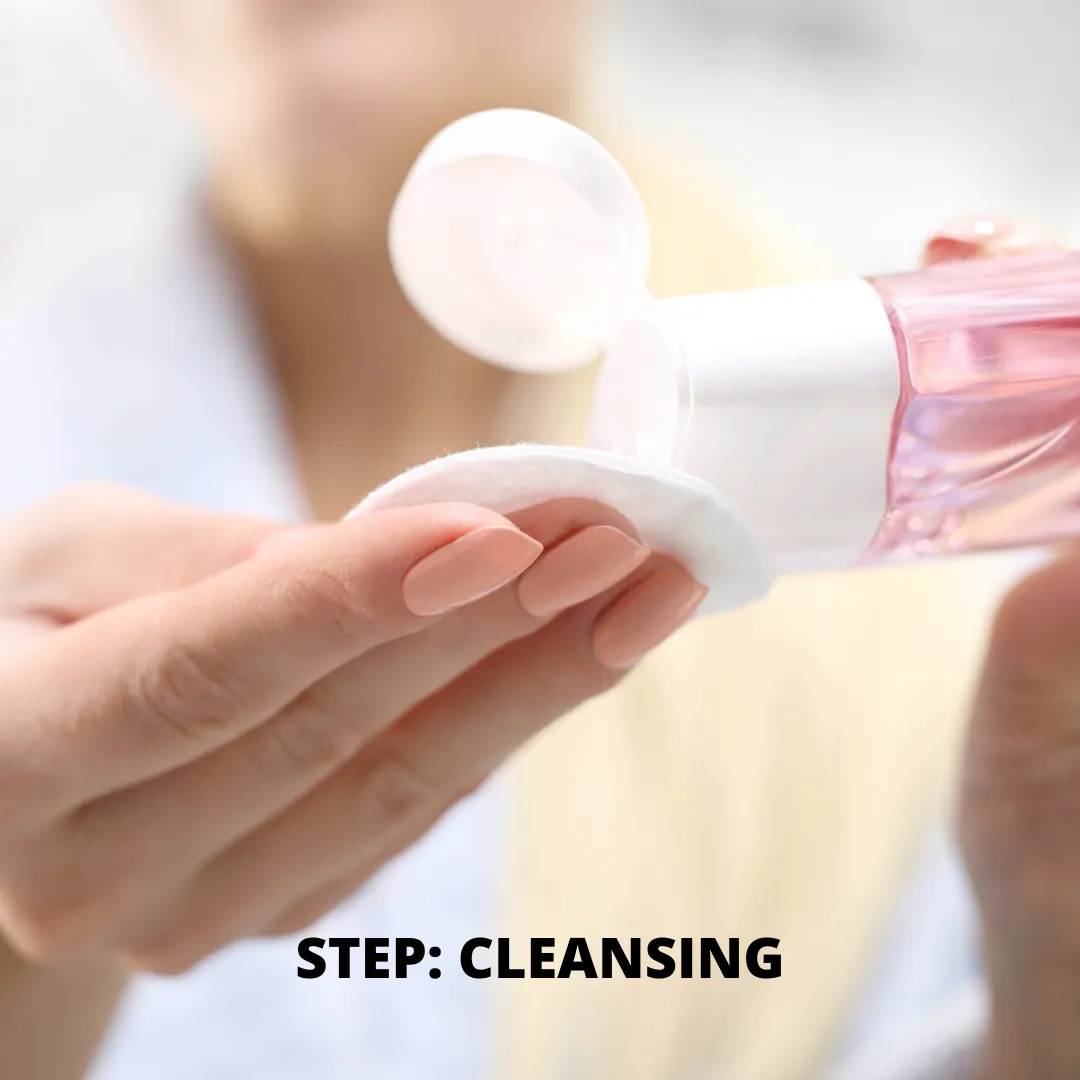
Cleansing
The first step of the facial is a cleansing step where mild agents and a toner are used to clear out the skin
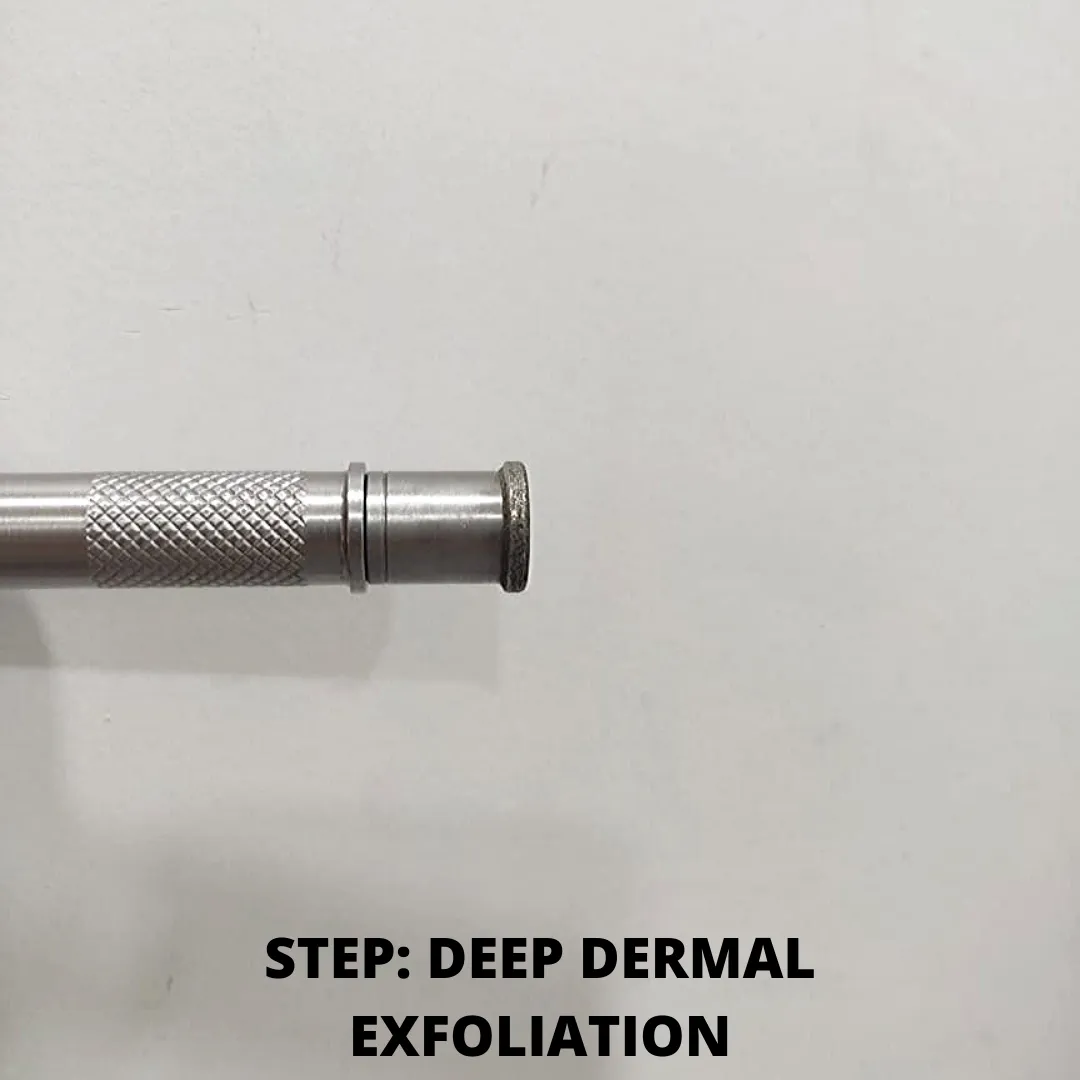
Deep dermal exfoliation
Exfoliation of the skin to remove the dead cells using an exfoliation machine or other methods.
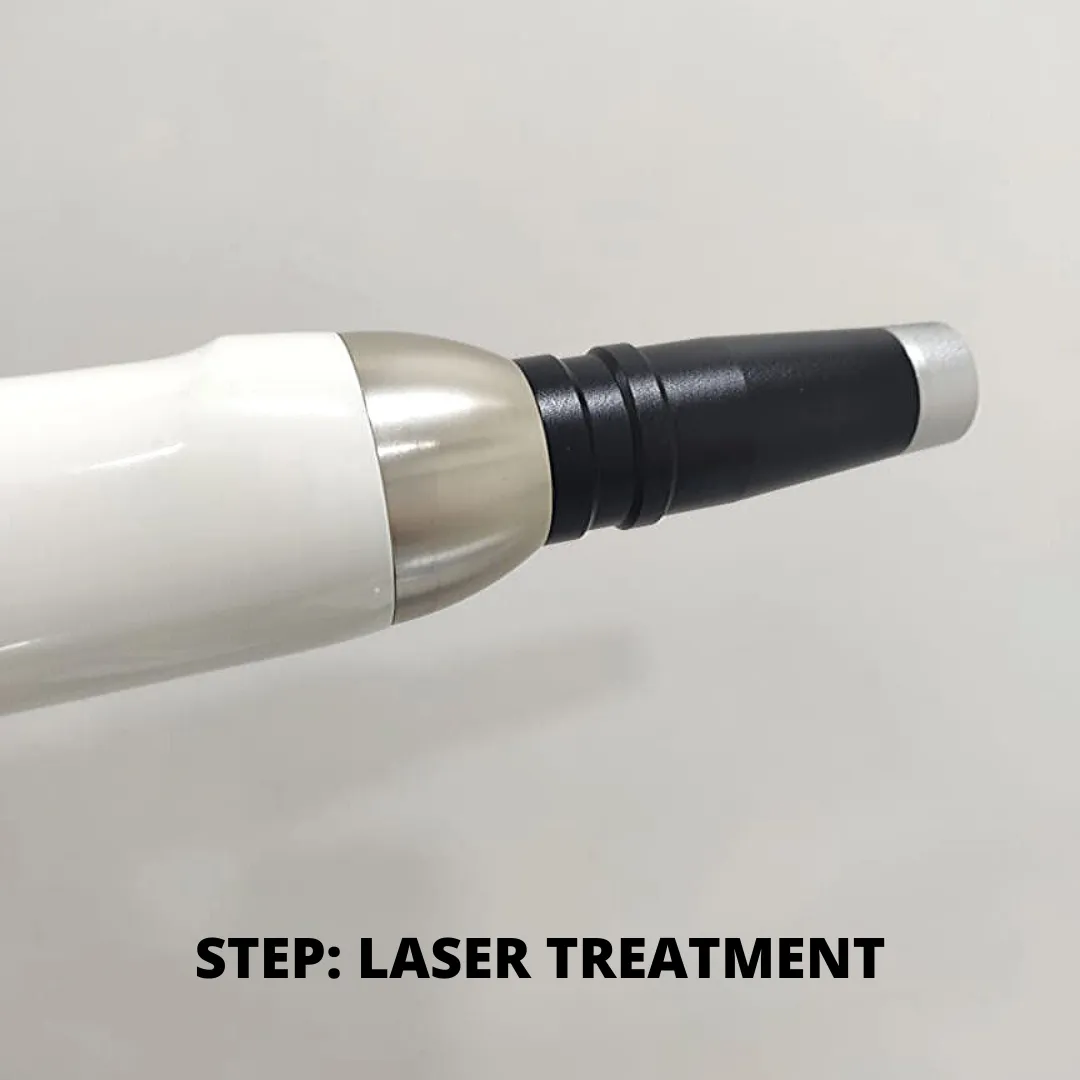
Laser light treatment
In this step, the light energy is applied to heal your sun spots, age spots & dullness. This is the main step of the facial that gets it its' name.
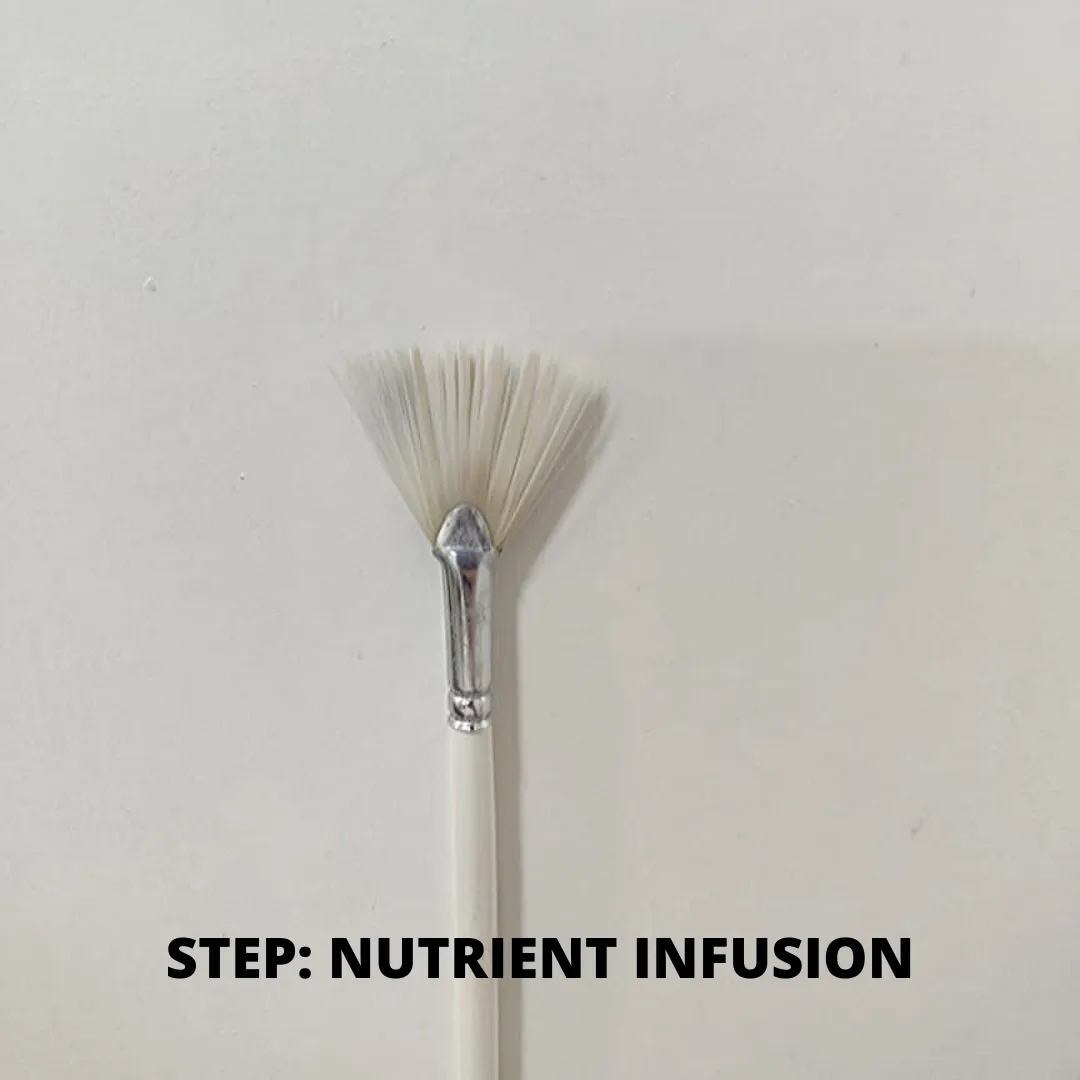
Nutrient infusion
Infusion of skin specific nutrients to target your concerns as discussed during your consultation.
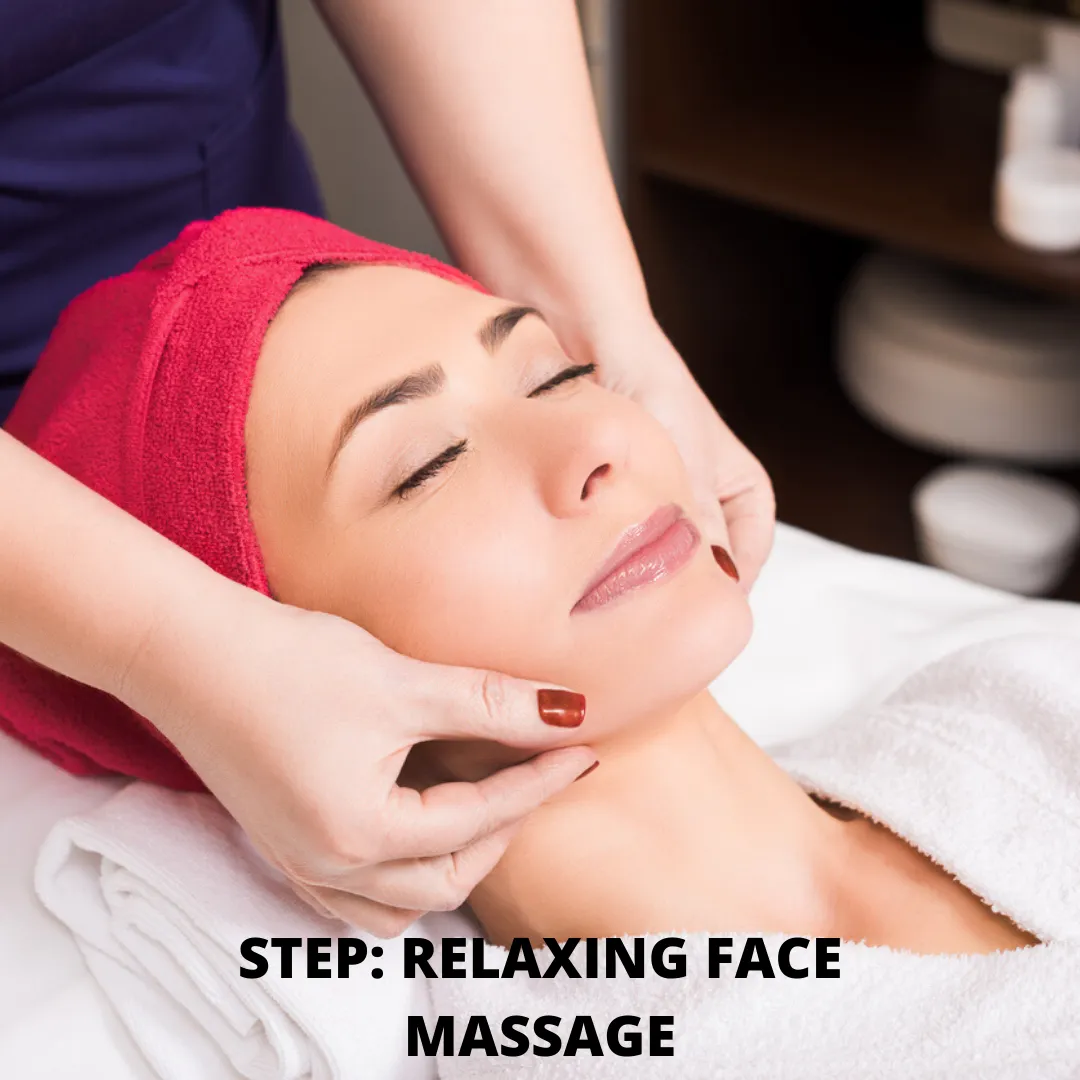
Face Massage
A relaxing face massage, to help with lymphatic drainage and also as a stress buster.
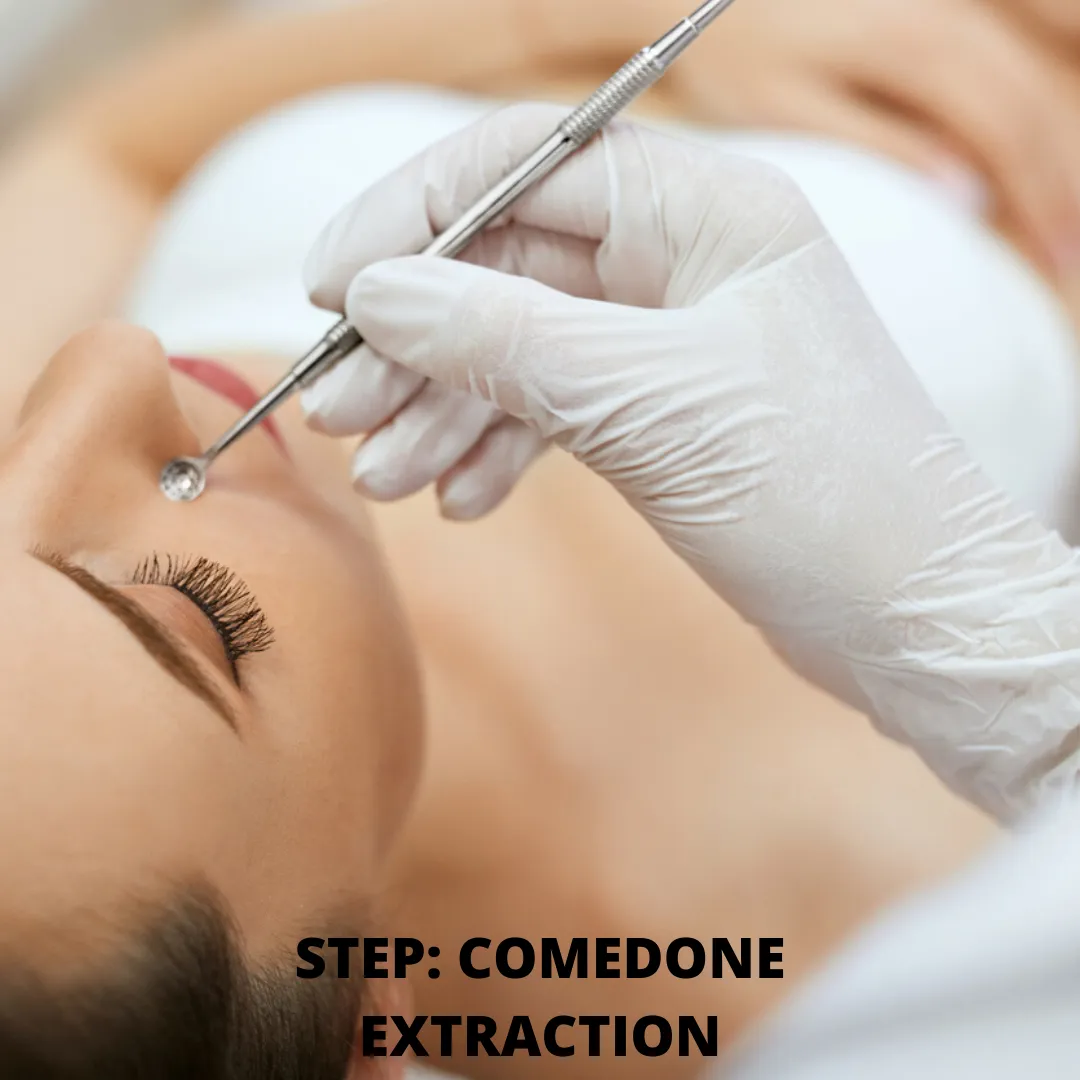
Extraction of Comedones
In this step, the blackheads and whiteheads are removed through a comedone extractor or machine probe.
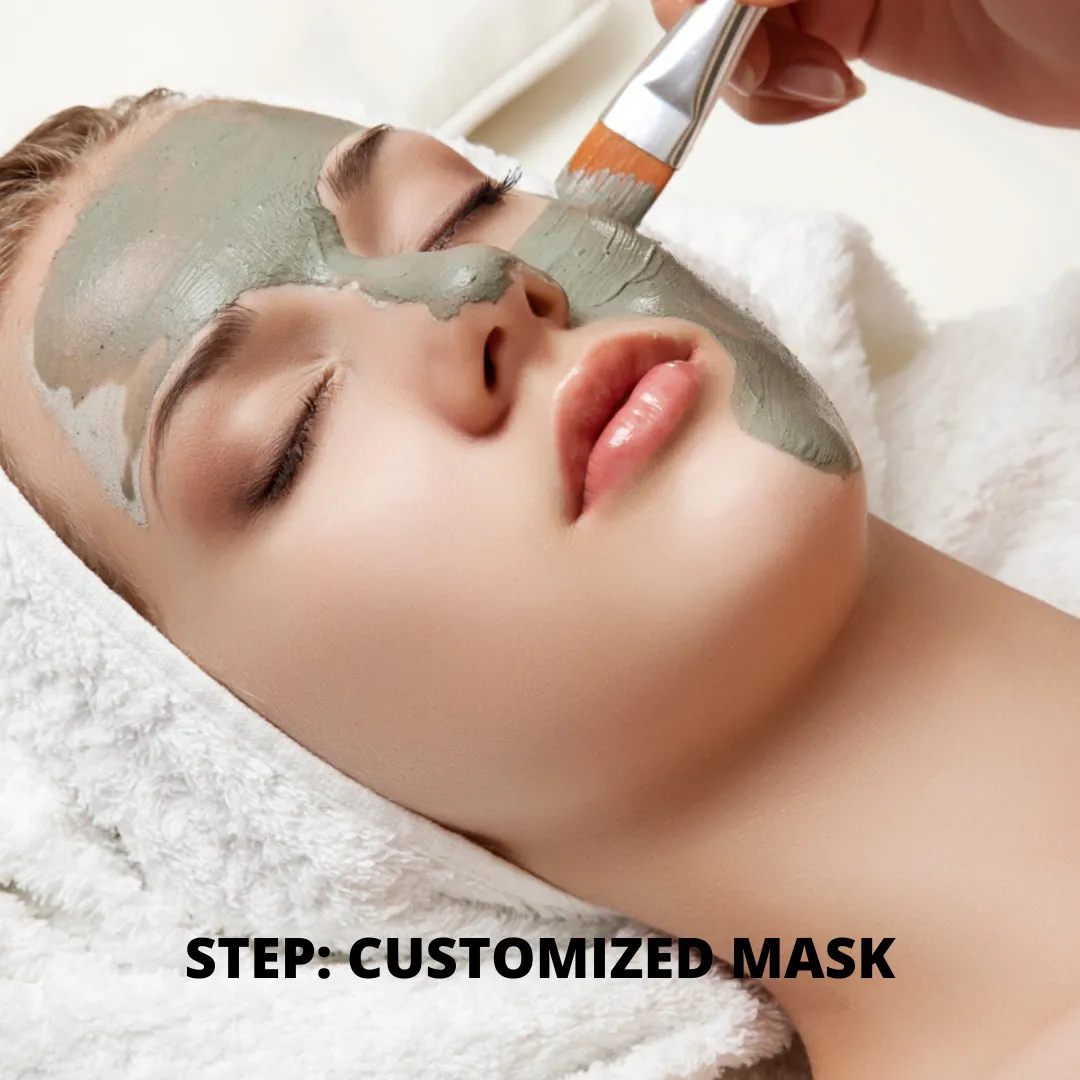
Brightening mask
A customized face mask is applied that targets concerns specific to your skin and its requirements.
Results and limitations
Selected spots or visible vessels may fade over a course. New sun damage can occur, and redness caused by an underlying condition may need continuing management.
Risks and recovery
Temporary redness, darkening of spots and swelling can occur. Blistering, burns and lighter or darker patches are possible, especially with unsuitable settings or tanning.
There are no risks or side effects associated with the laser photofacial. The dermafacial is provided under the supervision of an expert dermatologist.
Preparing for treatment
Bring details of previous procedures, medicines, allergies and any change in your health. Ask which skincare products or activities need adjusting before the appointment. Do not stop prescribed medicines without advice.
Any change to prescribed medicines, including blood thinners, must be agreed with the prescribing clinician.
Preferably remove your make-up before you come to the clinic or simply avoid wearing it on the day of the dermafacial.
Inform your dermatologist in case you have any history of PIH (post-inflammatory hyperpigmentation)
Aftercare
Wear the recommended SPF sunscreen before leaving the clinic or before stepping out.
Inform your dermatologist in case of any redness
Follow your regular skincare routine at home.
Follow instructions on sun avoidance, skincare and healing. Do not pick darkened spots, and report blisters, increasing pain or persistent pigment change.
Alternatives to consider
Targeted lasers, topical treatment and management of rosacea triggers have different roles. Not every birthmark or red lesion is appropriate for IPL.
Planning treatment and maintenance
Photofacial usually refers to light-based treatment, often IPL, for selected pigment and vascular concerns. Unlike a laser that uses a particular wavelength, IPL uses a filtered range of light. Your clinician chooses the filter and settings around the structure being targeted.
A brown sun spot and a red visible vessel need different treatment planning. Melasma, post-inflammatory marks and a naturally darker complexion also need careful assessment because not every pigment problem responds well to the same light treatment. Recent tanning and medicines that affect light sensitivity should be discussed before booking.
Ask which concern is the priority and how progress will be assessed. A course intended to reduce redness may not give the same visible change as one aimed at discrete brown spots. Eye protection is essential during treatment, and the operator should explain the expected sensations and recovery for the settings used.
The response can continue as the treated area settles. Your clinic will explain whether temporary darkening, flaking or redness is expected in your case. Use sun protection and avoid picking at treated spots. If the original problem is rosacea, a light-based procedure may address visible vessels while skincare and medical treatment manage other symptoms. A combined plan can therefore be more useful than treating every symptom as a pigment problem.
What affects the cost
The area treated, the product or device, the treatment plan and the number of sessions influence the total. A useful estimate explains what is included, what follow-up involves and whether maintenance is likely. City pages provide the local service information.
Explore related guides
Continue exploring the treatments, concerns and categories connected with this topic.
Treatment guides

Botox
Botox softens expression lines by relaxing selected facial muscles. Understand how it works, how a treatment plan is chosen and what happens after the appointment.
Read the guide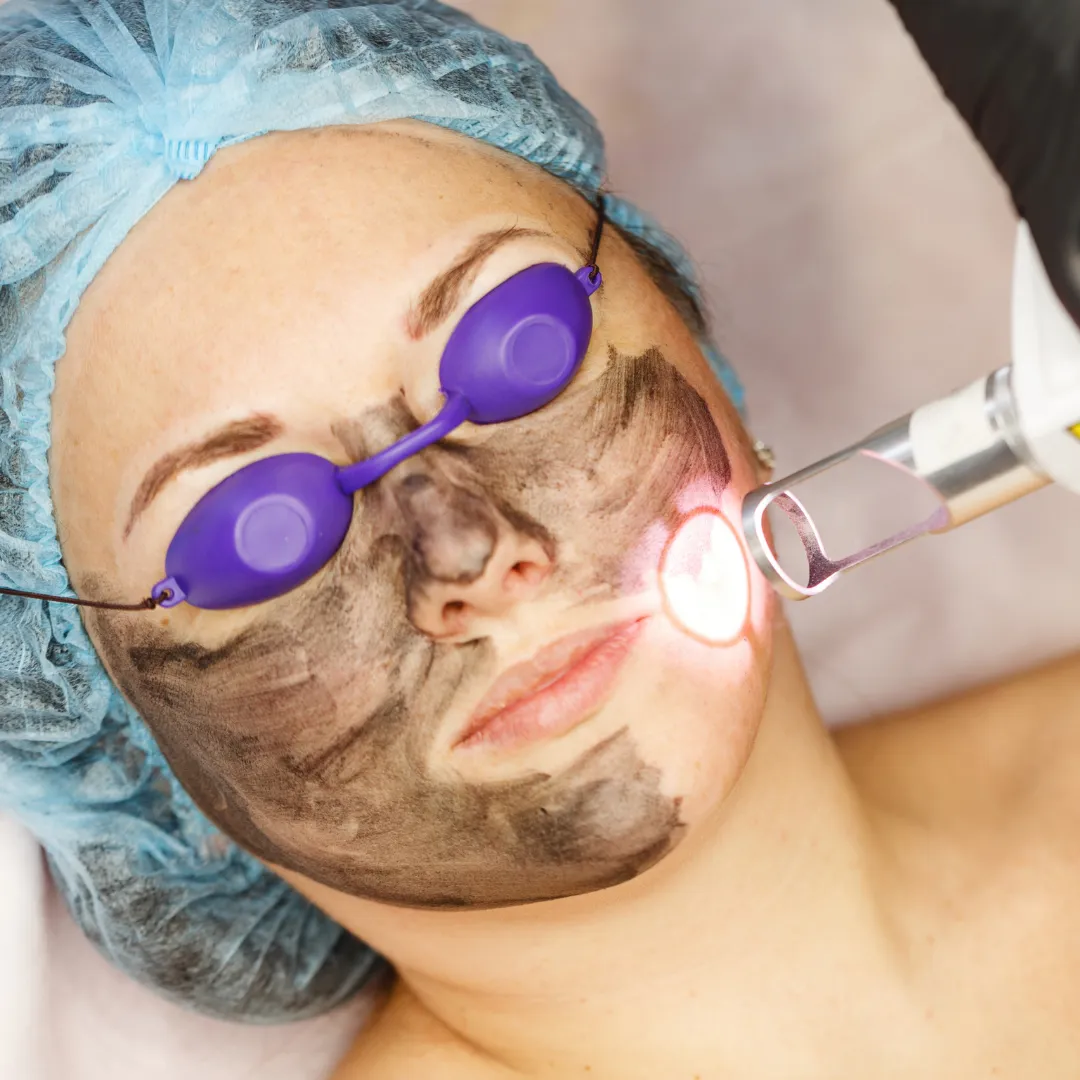
Carbon Laser Facial
A carbon laser facial combines a topical carbon preparation with laser treatment for selected surface concerns. Learn how it is used and how to compare it with other skin-care options.
Read the guide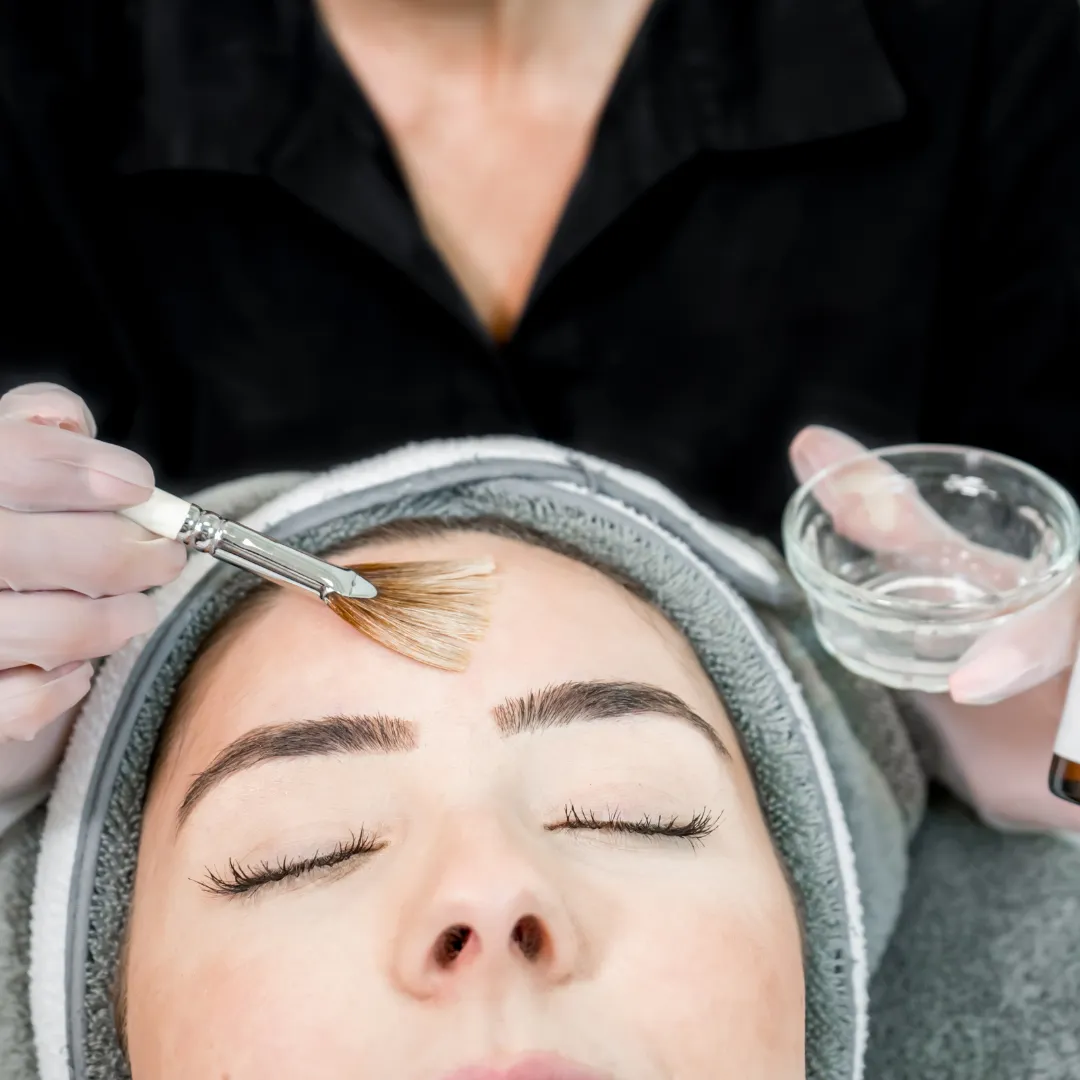
Chemical Peeling
Chemical peels improve selected surface and texture concerns by producing controlled exfoliation. Understand the different depths, how a peel is chosen and the care needed afterwards.
Read the guide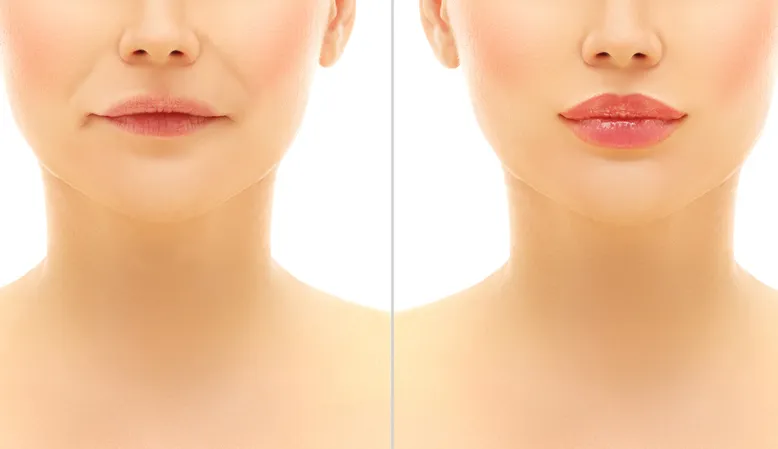
Dermal Filler
Dermal fillers can restore selected areas of volume and refine facial contours. Learn how product choice, facial proportions and placement shape a treatment plan.
Read the guide
Fractional Co2 Laser Resurfacing
Fractional CO2 laser resurfacing improves selected scars and changes in skin texture through controlled resurfacing. Learn about assessment, treatment, healing and the results a course can achieve.
Read the guide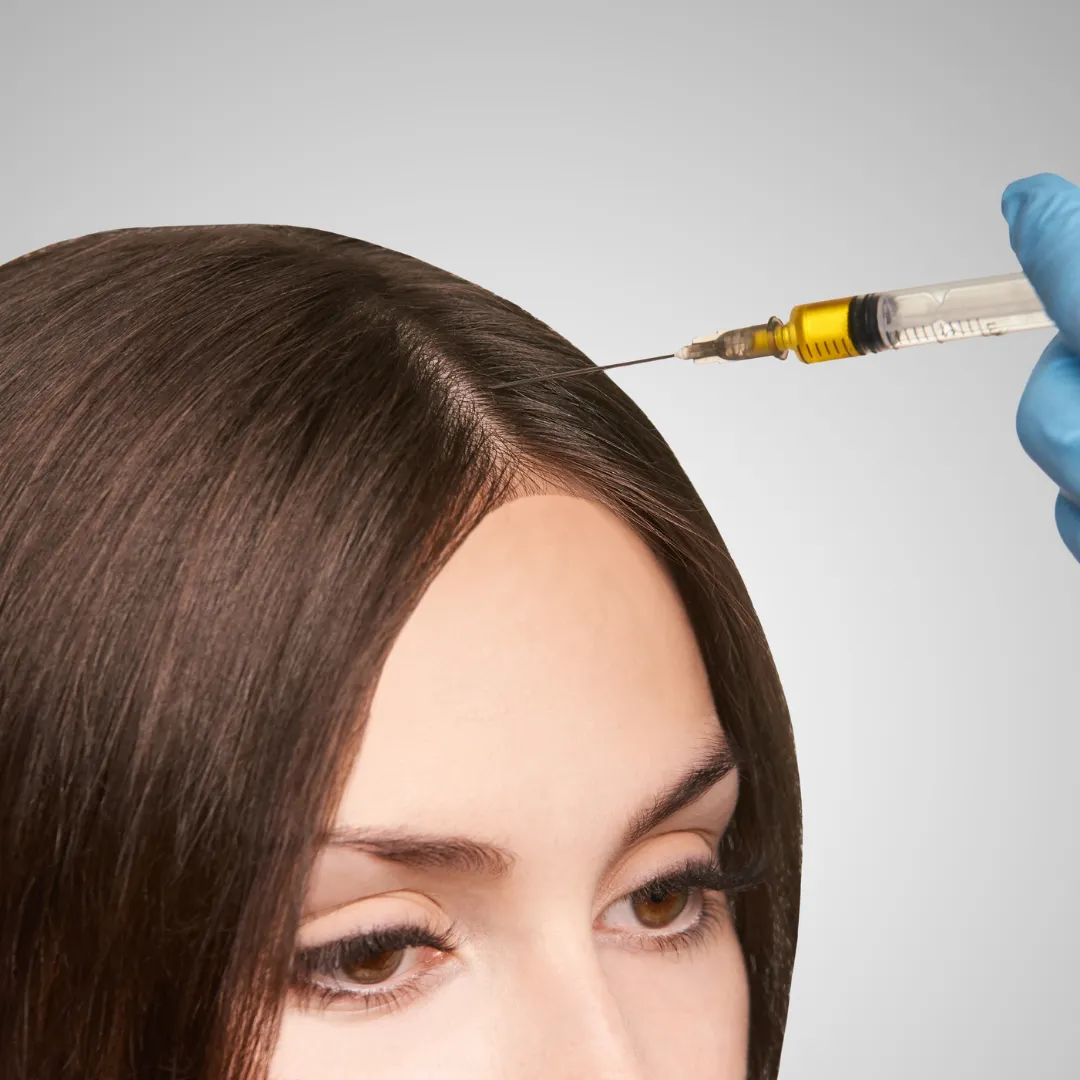
PRP (Platelet Rich Plasma)
PRP uses a concentrated preparation from your own blood in selected skin and hair procedures. Explore how it is prepared, where it is used and how results are assessed.
Read the guide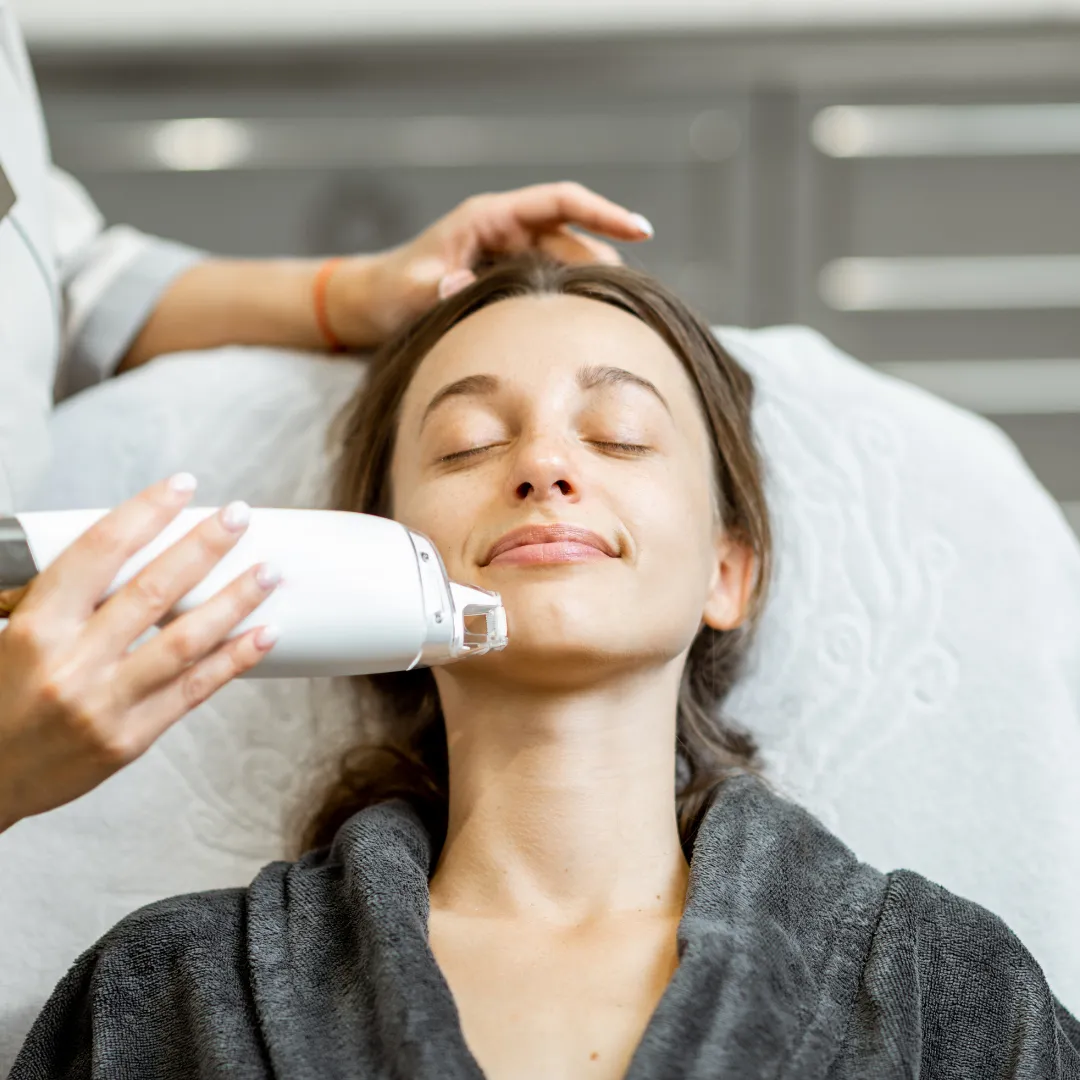
Q-switch laser
Q-switched lasers target selected pigments in the skin and tattoo ink. This guide explains how pigment treatment is chosen and why the diagnosis matters.
Read the guide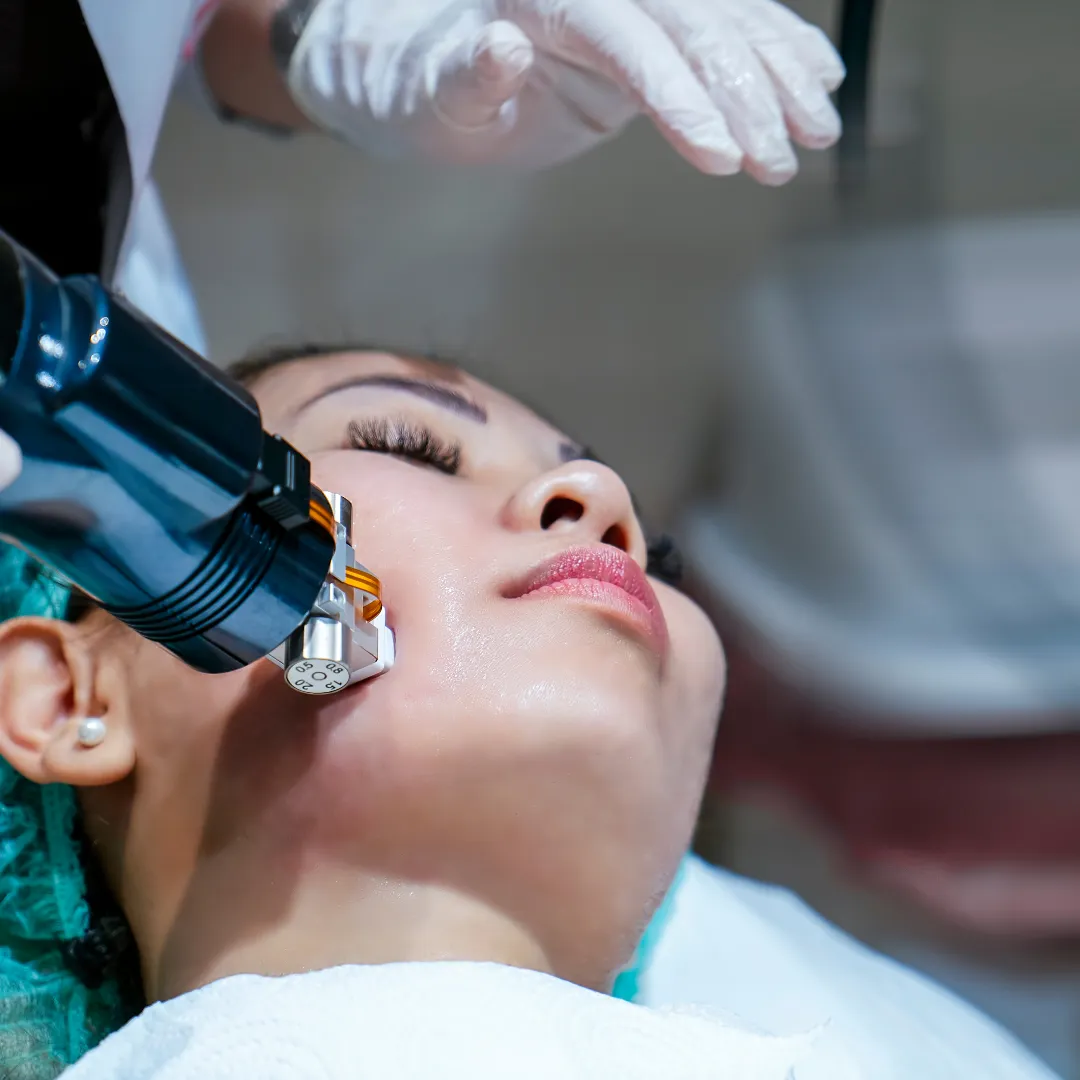
RF Microneedling (MNRF)
RF microneedling combines fine needles and radiofrequency energy to address selected scars and texture concerns. Learn about treatment depth, suitability, recovery and alternatives.
Read the guide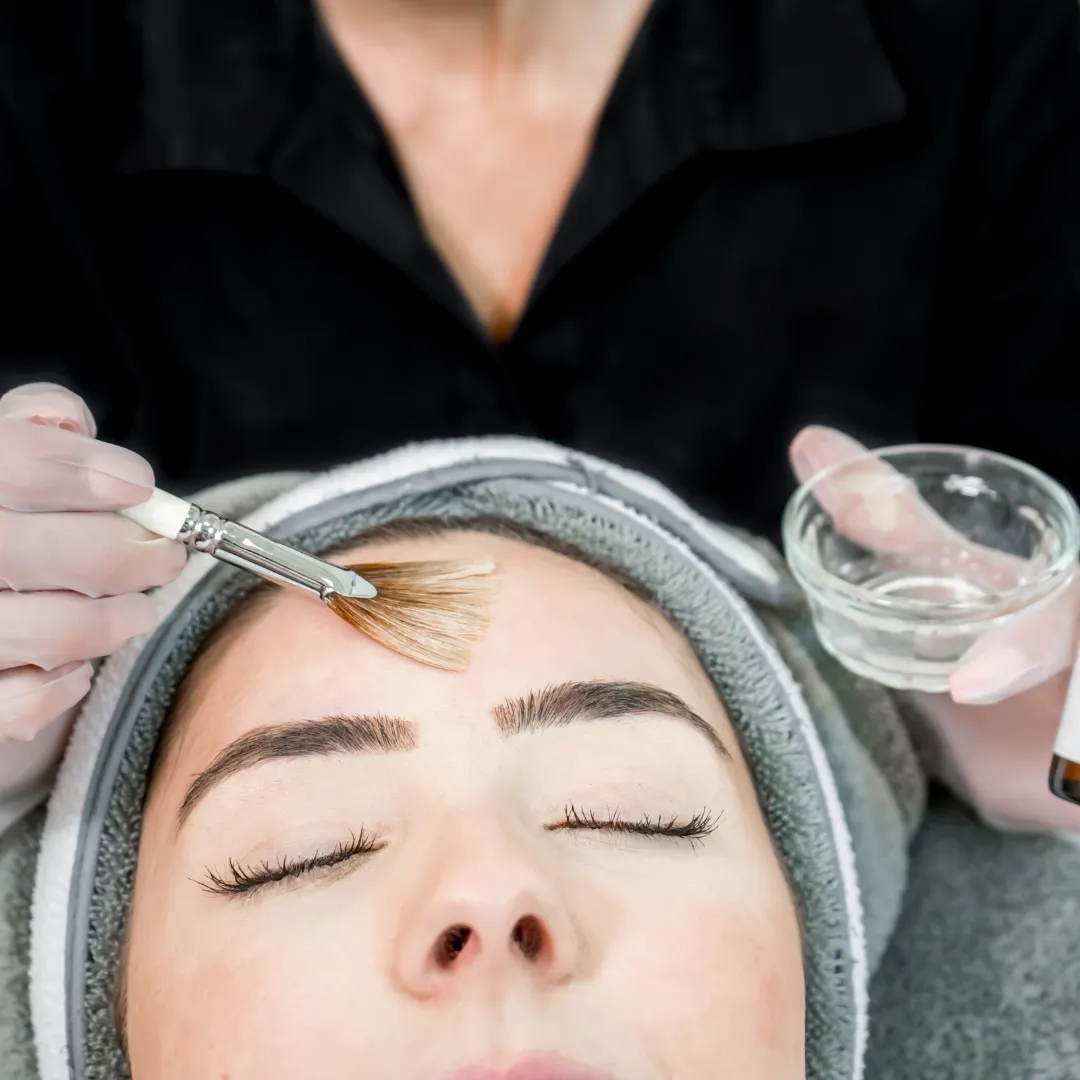
Salicylic peel
Salicylic acid peels can help selected oily and acne-prone skin. Explore how they fit into an acne-care plan and what preparation and aftercare involve.
Read the guide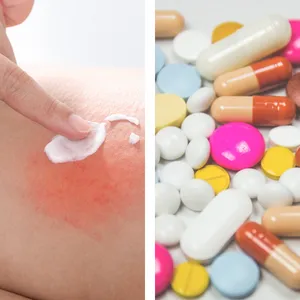
Skin medications
Skin medicines target the causes and symptoms of diagnosed skin conditions. Learn how prescriptions are chosen, how progress is reviewed and how everyday skincare fits alongside treatment.
Read the guideConcern guides
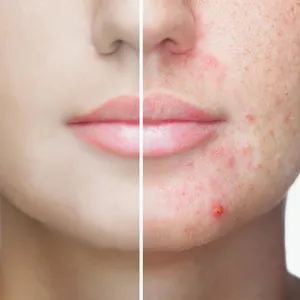
Acne
Acne is an inflammatory condition involving hair follicles and oil glands. It can include blackheads, whiteheads, inflamed spots and deeper painful lesions.
Read the guide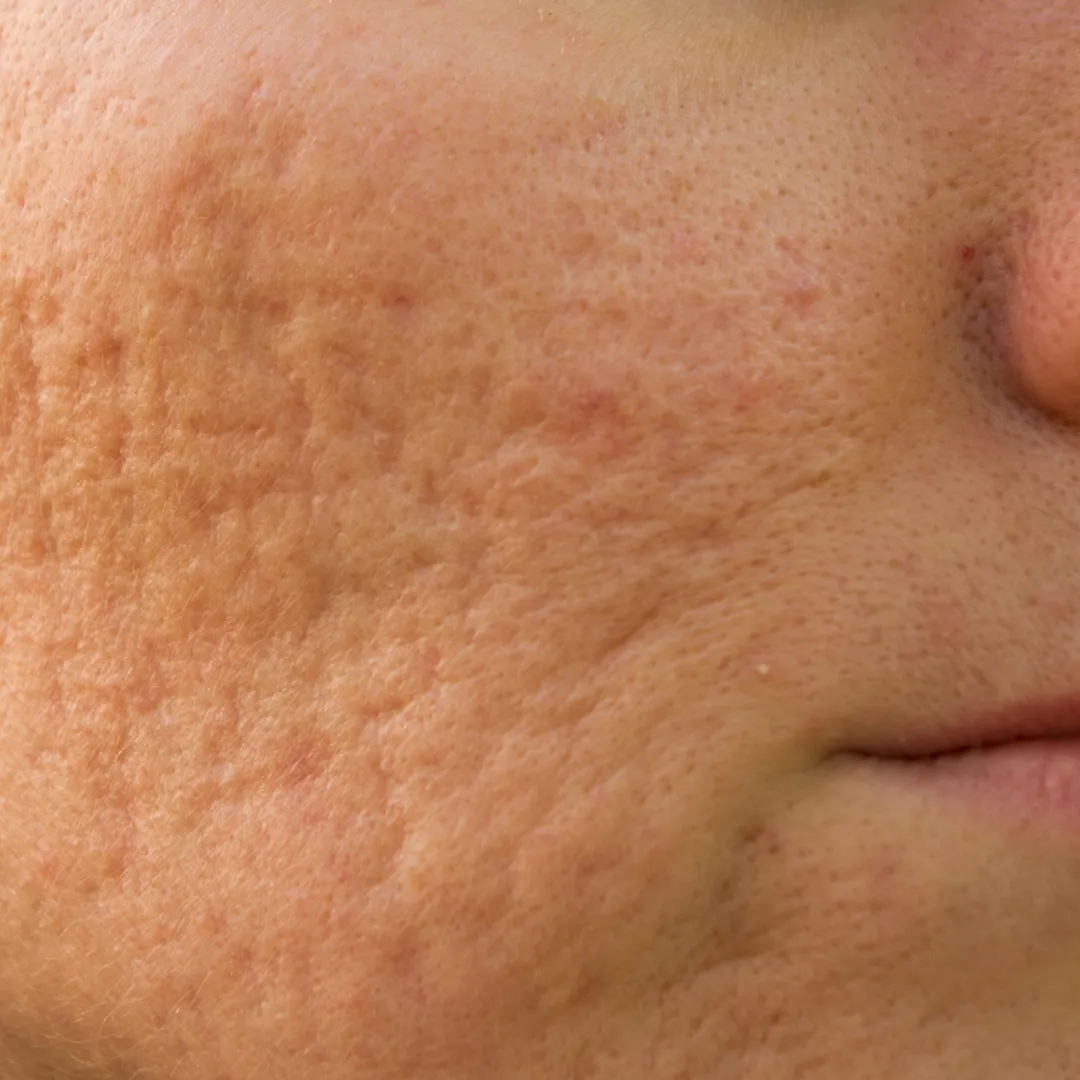
Acne scars
Acne scars are lasting changes in skin texture after acne inflammation. They differ from flat red or brown marks, which may improve without the same scar procedures.
Read the guide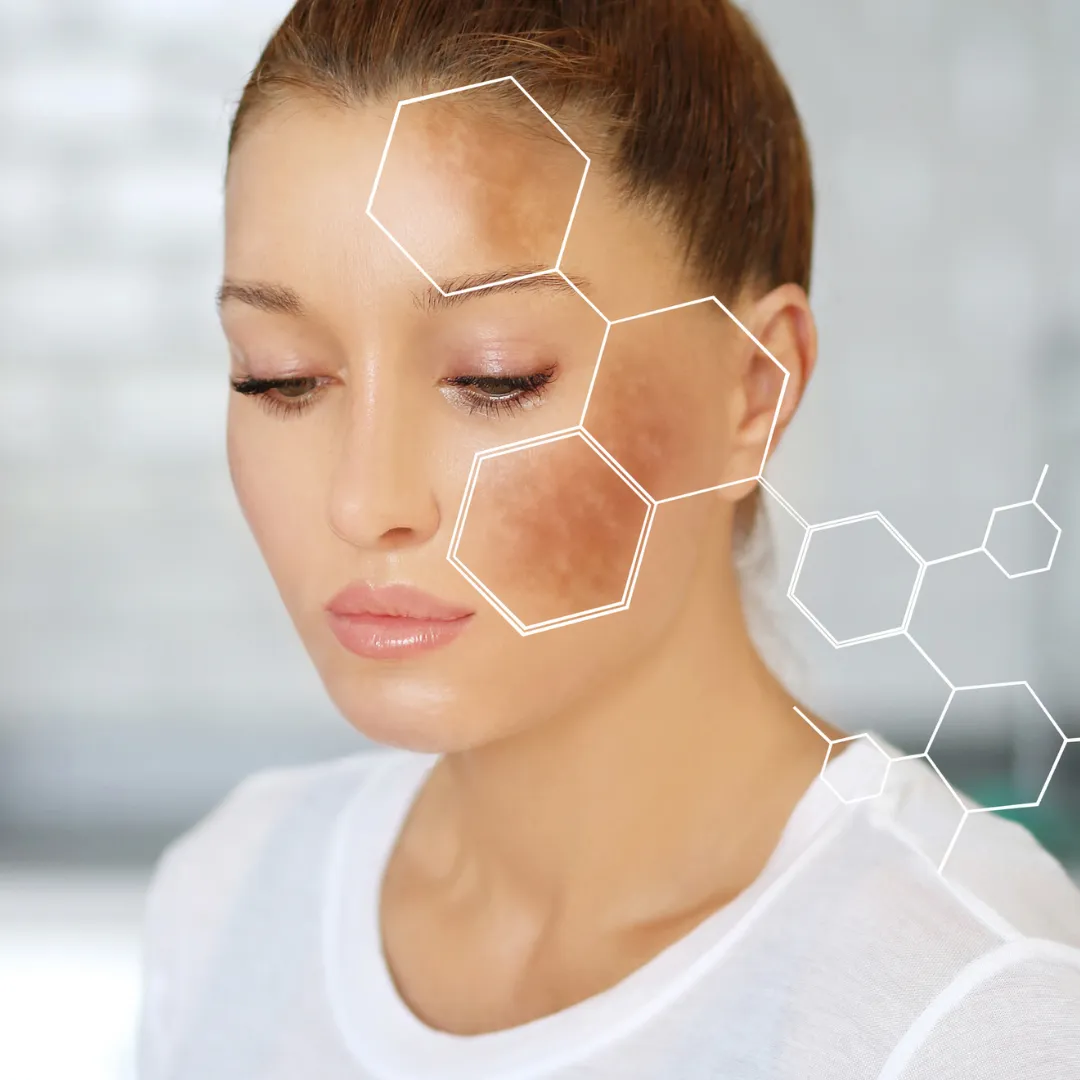
Hyperpigmentation
Hyperpigmentation means an area of skin is darker than the surrounding skin because of increased or altered pigment. The pattern helps identify the cause.
Read the guide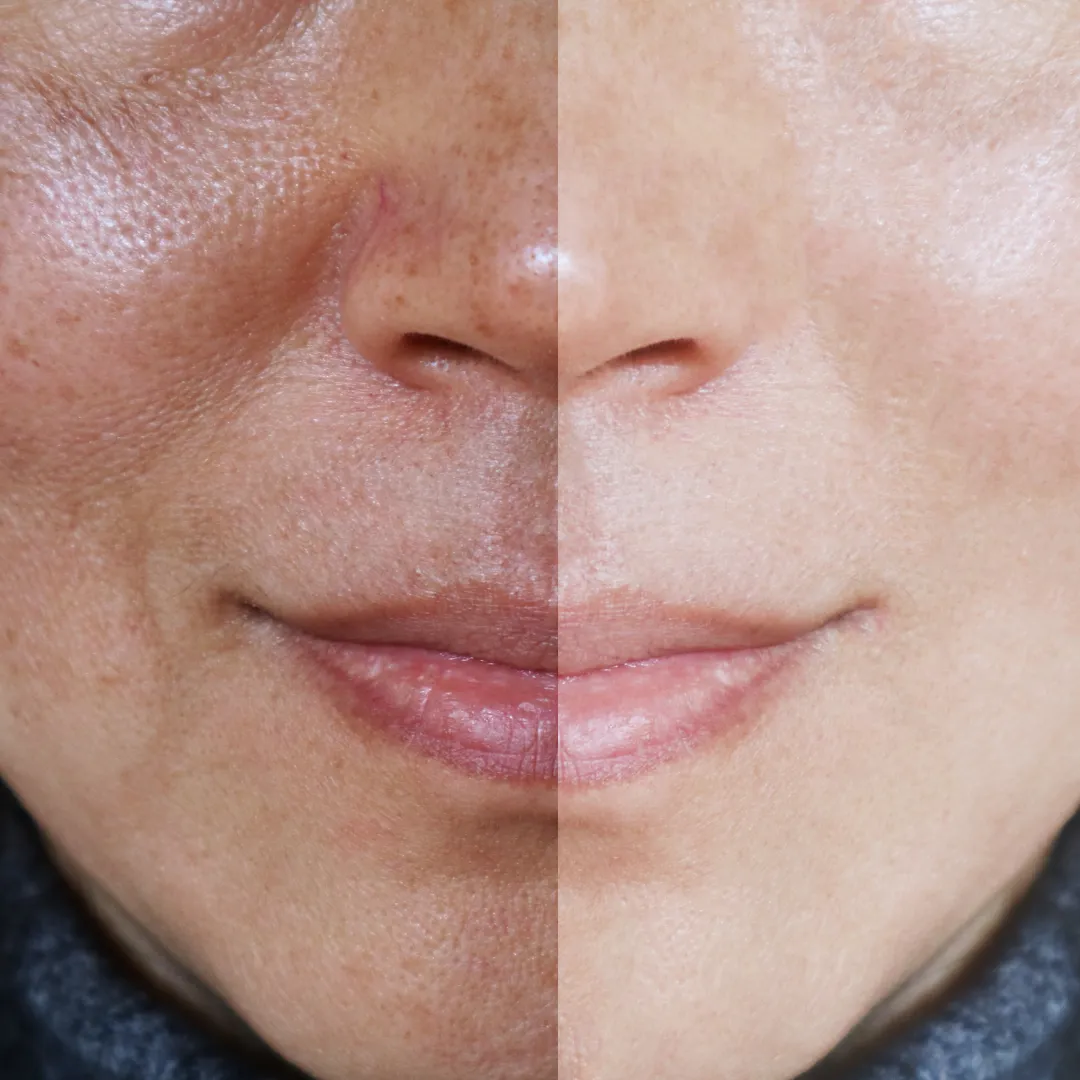
open pores
Visible pores are normal openings associated with hair follicles and oil glands. They can look more noticeable when skin is oily, congested or losing firmness.
Read the guide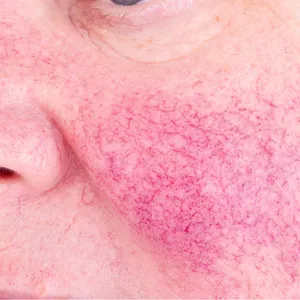
Rosacea
Rosacea is a chronic facial condition that can cause flushing, persistent colour change, visible vessels or acne-like bumps. Some people also have eye symptoms.
Read the guide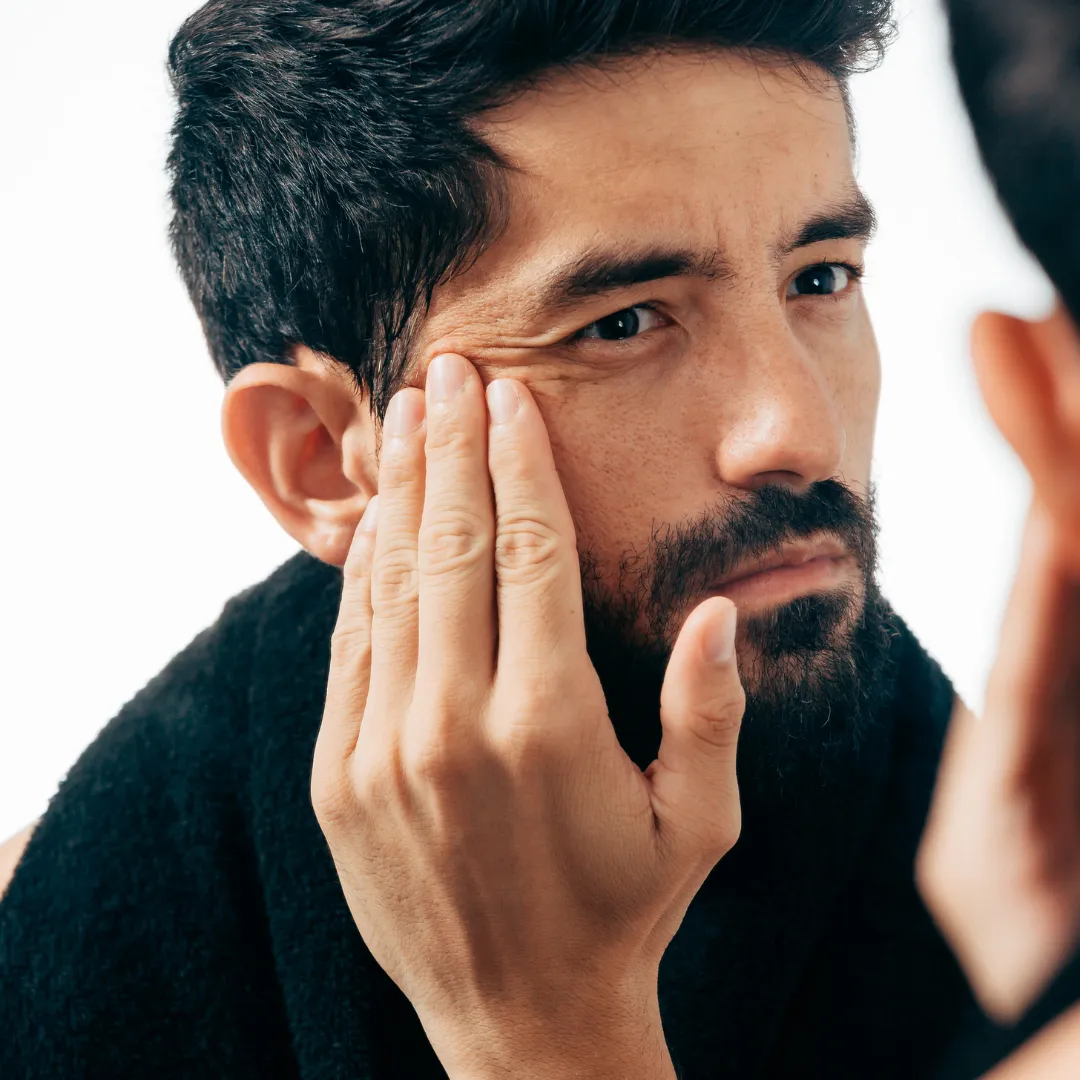
Wrinkles
Wrinkles are lines or folds that develop as skin changes with age, sun exposure and repeated facial movement. Some appear mainly with expression, while others remain when the face is at rest.
Read the guideCategory guides

Common questions
What should I understand before choosing photofacial?
Sun spots, redness and other marks require diagnosis. Skin tone, tanning, melasma, medicines and photosensitivity can affect risk and suitability.
What results should I expect?
Selected spots or visible vessels may fade over a course. New sun damage can occur, and redness caused by an underlying condition may need continuing management.
How do I compare this with other options?
Targeted lasers, topical treatment and management of rosacea triggers have different roles. Not every birthmark or red lesion is appropriate for IPL.
Further reading and references
Take the next step
Explore care in your city
For local specialists, clinic information and appointments, choose a city.

Mumbai
Explore local specialists, clinics and appointments in Mumbai.
Explore care
Thane
Explore local specialists, clinics and appointments in Thane.
Explore care
Navi Mumbai
Explore local specialists, clinics and appointments in Navi Mumbai.
Explore care
Hyderabad
Explore local specialists, clinics and appointments in Hyderabad.
Explore care
Jaipur
Explore local specialists, clinics and appointments in Jaipur.
Explore care