 SCIENTIFIC SKIN, HAIR & PERSONAL AESTHETICS
Concern guides
Acne: understanding the concern and care options
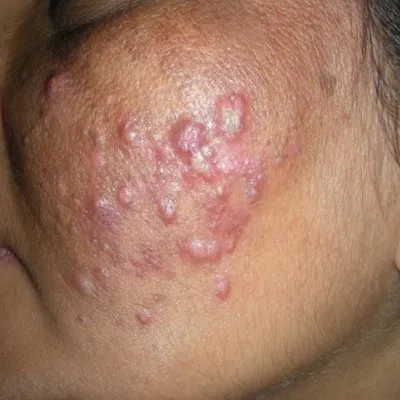
Acne is an inflammatory condition involving hair follicles and oil glands. It can include blackheads, whiteheads, inflamed spots and deeper painful lesions.
SkinGenious editorial team
Explore the guide ↓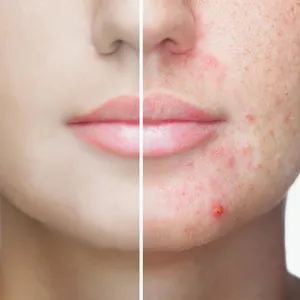
Understanding the concern
Acne is a condition where the normal hair follicles get blocked with sebum and impurities which may or may not be infected. In the early stages, they are seen as whiteheads or blackheads.
Acne can be classified into Grade1, 2 & 3 depending on the severity. Grade 1 acne is seen as blackheads and whiteheads, where the follicles are plugged, but are not infected. Pustular acne is seen as grade 2 and multiple nodulocystic acne are considered the most serious form of the condition and are considered grade 3.
Given that more severe forms of acne involve infections of the follicles, the first line of treatment most commonly involves medications (antibiotics) for the infection to subside. This can be supplemented with treatments such as the salicylic peel.
Acne is an inflammatory condition involving hair follicles and oil glands. It can include blackheads, whiteheads, inflamed spots and deeper painful lesions.
Causes and contributing factors
Oil, blocked follicles, inflammation and hormonal influences contribute. Acne is not simply a sign of poor hygiene, and excessive washing can irritate the skin.
How it is assessed
Assessment considers lesion type, severity, affected areas, scarring and the impact on daily life. Hormonal patterns and previous treatment help shape a plan.
When to seek medical advice
Seek early advice for deep painful lesions, scarring or acne affecting confidence and wellbeing. Rapidly worsening acne or acne with other hormonal symptoms may need further assessment.
Treatment and management options
Treatment may include topical retinoids, benzoyl peroxide, other topical medicines or selected oral treatment. Peels and procedures can support some plans, but do not replace indicated medical care.
Photofacial ↗
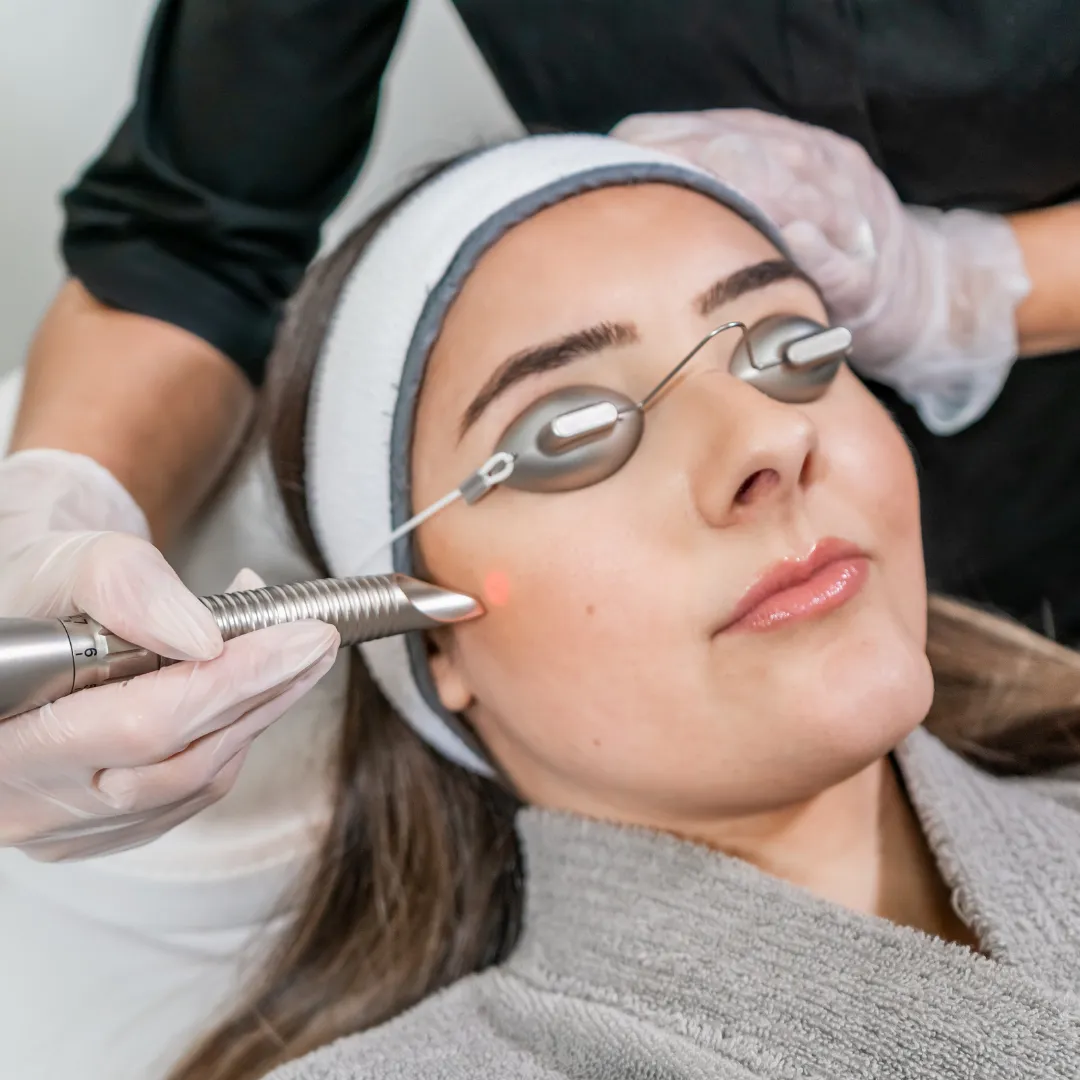
This dermafacial focuses on improvement of sun-spots, age-spots among other concerns.
Salicylic peel ↗
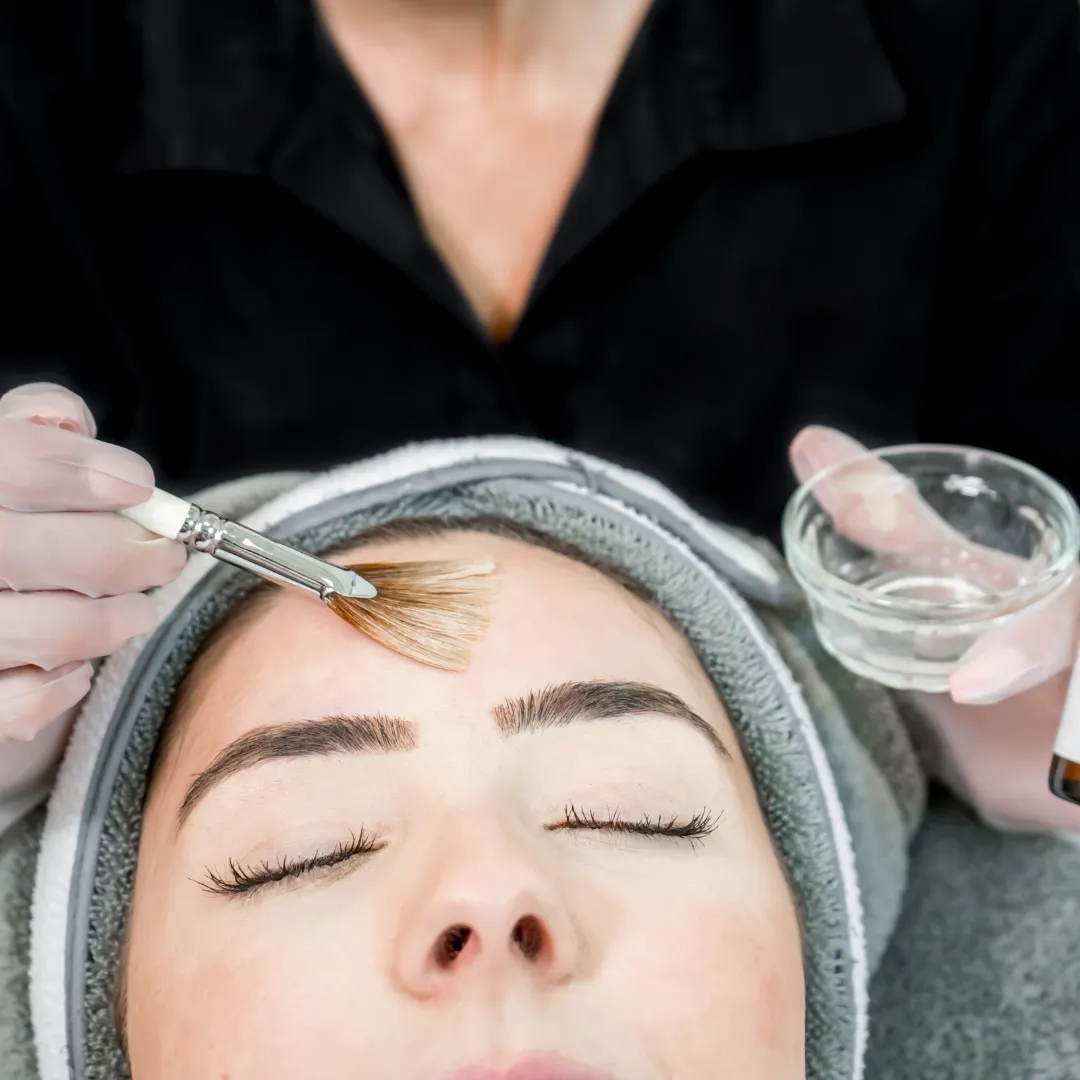
Salicylic acid works two-fold. Immediately, it helps act against redness and swelling, which is often associated with an active flare-up of acne. Apart from this, it also helps unclog the pores in your skin. As discussed, clogging of pores is the root cause of acne. Salicylic acid chemical peel thus helps symptomatically, as well as a cure. It is hence a very useful treatment for the condition and is often used in conjunction with medications, especially in severe cases.
What improvement can look like
Improvement usually takes weeks rather than days. Maintenance may be needed, and early follow-up helps manage irritation or an incomplete response.
Salicylic peel for Acne
Salicylic acid chemical peel is quite effective in subsiding immediate redness and swelling associated with severe acne. It is not used alone as the first line of treatment, but in conjunction with medications.
Before and after results
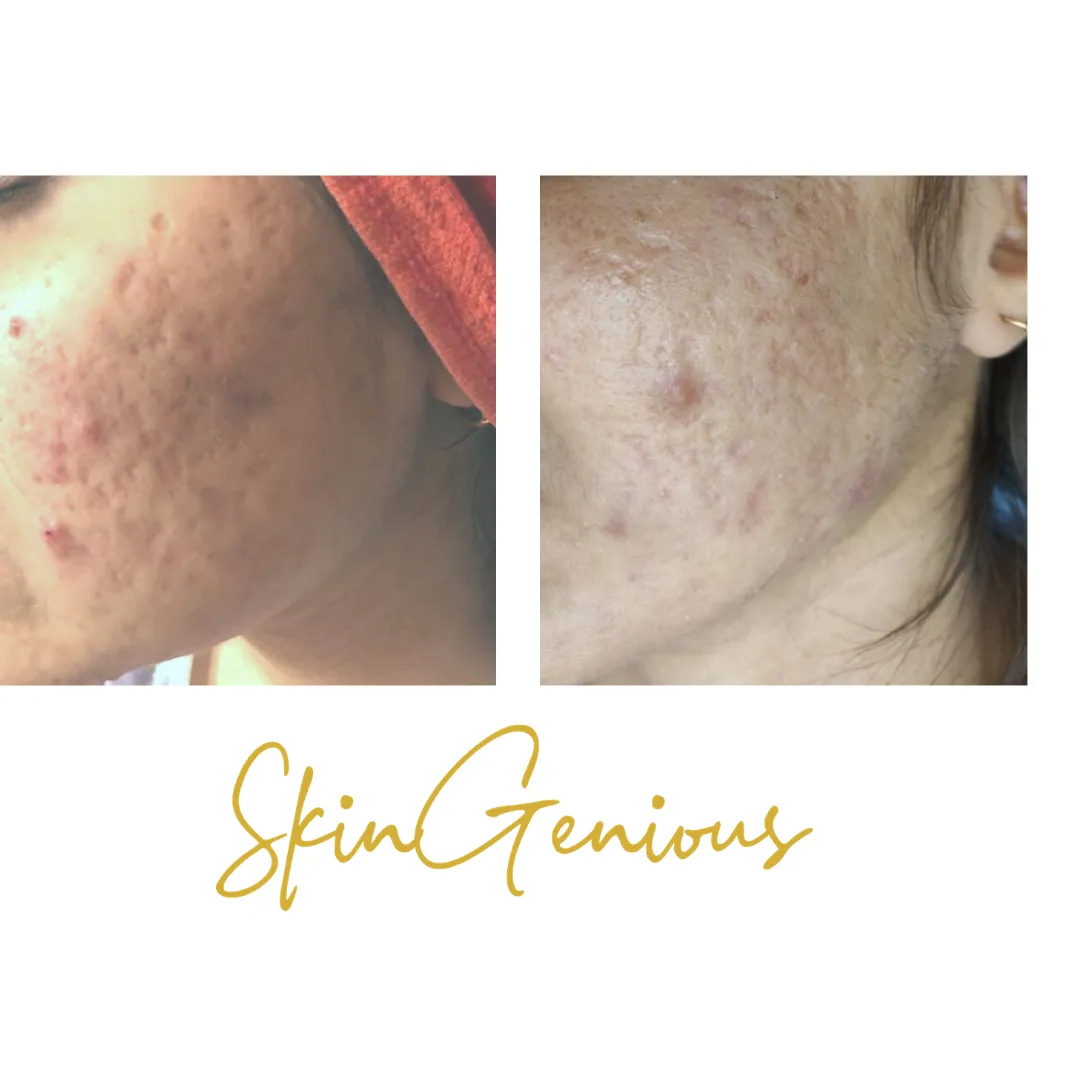
These photographs come from the existing treatment and concern records. They illustrate individual outcomes. Your starting point, treatment plan and healing response affect your own result.
Understanding your treatment choices
Acne can include blackheads, whiteheads, inflamed spots and deeper painful lesions. The pattern and severity help decide the treatment, but so do scarring, marks and the impact on your confidence. You do not need to wait until acne is severe everywhere before asking for help.
A plan may use medicines that act on blocked pores, inflammation or other contributing factors. Hormonal patterns can be relevant for some people. Procedures may have a supporting role, but repeated facials alone may not control ongoing inflammatory acne. If scars are developing, early control of new breakouts is particularly valuable.
Bring a list of products and previous prescriptions, including how long you used them. Some treatments take time to show a useful effect, while irritation may need adjustment rather than simply adding another active product. Ask which products to continue and which to pause so that the routine remains manageable.
Judge progress by new breakouts over time rather than a single good or bad day. Picking and frequent abrasive cleansing can add irritation and marks. If treatment is not helping at the agreed review point, reassess the diagnosis, application and next options. Pregnancy plans or a possible pregnancy are important to discuss because they affect which acne medicines are suitable.
Everyday care and prevention
Use gentle cleansing, non-comedogenic products and avoid picking. Give a prescribed routine time to work instead of adding several new products at once.
Explore related guides
Continue exploring the treatments, concerns and categories connected with this topic.
Treatment guides
Photofacial
Photofacial treatments use light to address selected pigment changes and visible redness. Explore IPL, the skin features it targets and the factors that guide a treatment plan.
Read the guideSalicylic peel
Salicylic acid peels can help selected oily and acne-prone skin. Explore how they fit into an acne-care plan and what preparation and aftercare involve.
Read the guideConcern guides
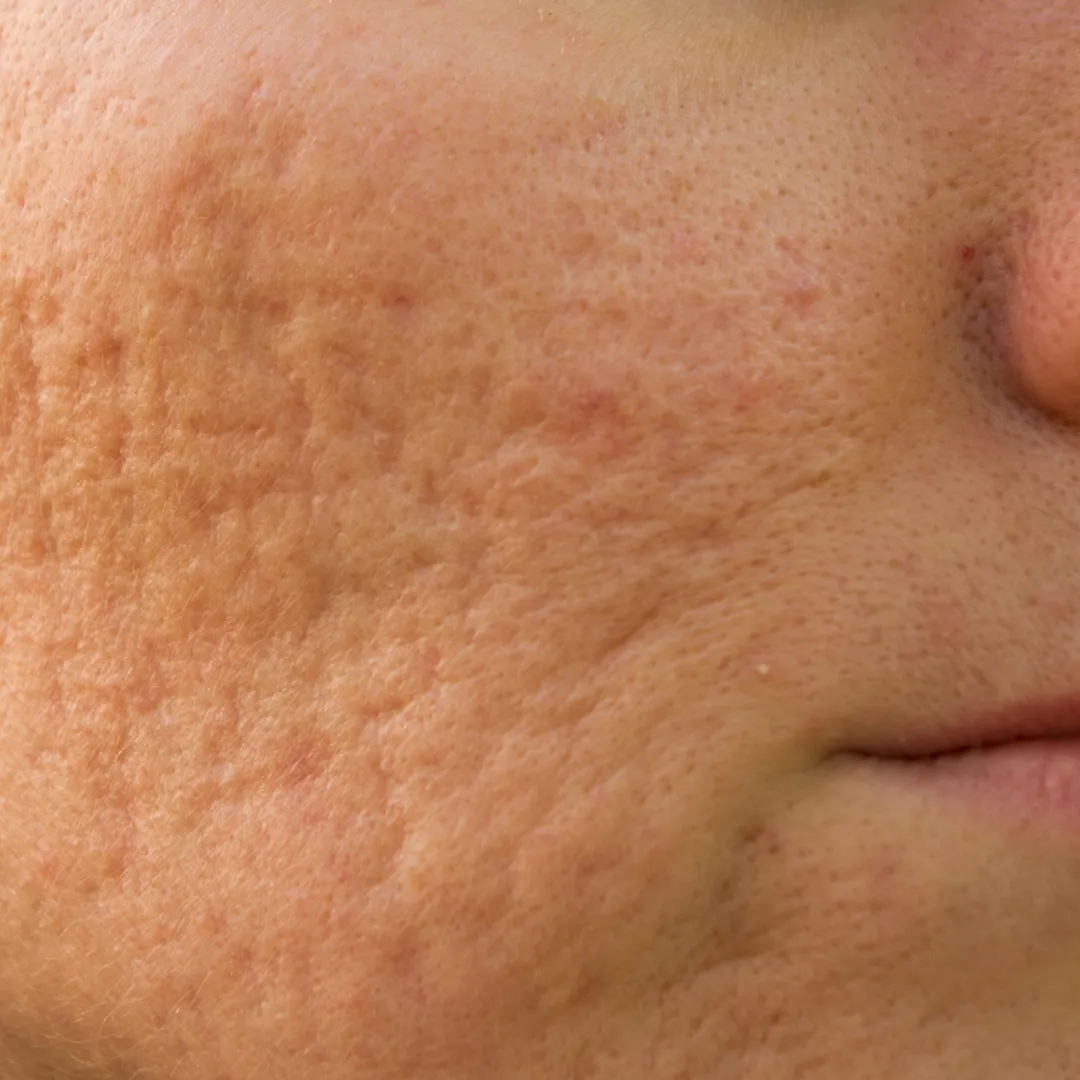
Acne scars
Acne scars are lasting changes in skin texture after acne inflammation. They differ from flat red or brown marks, which may improve without the same scar procedures.
Read the guide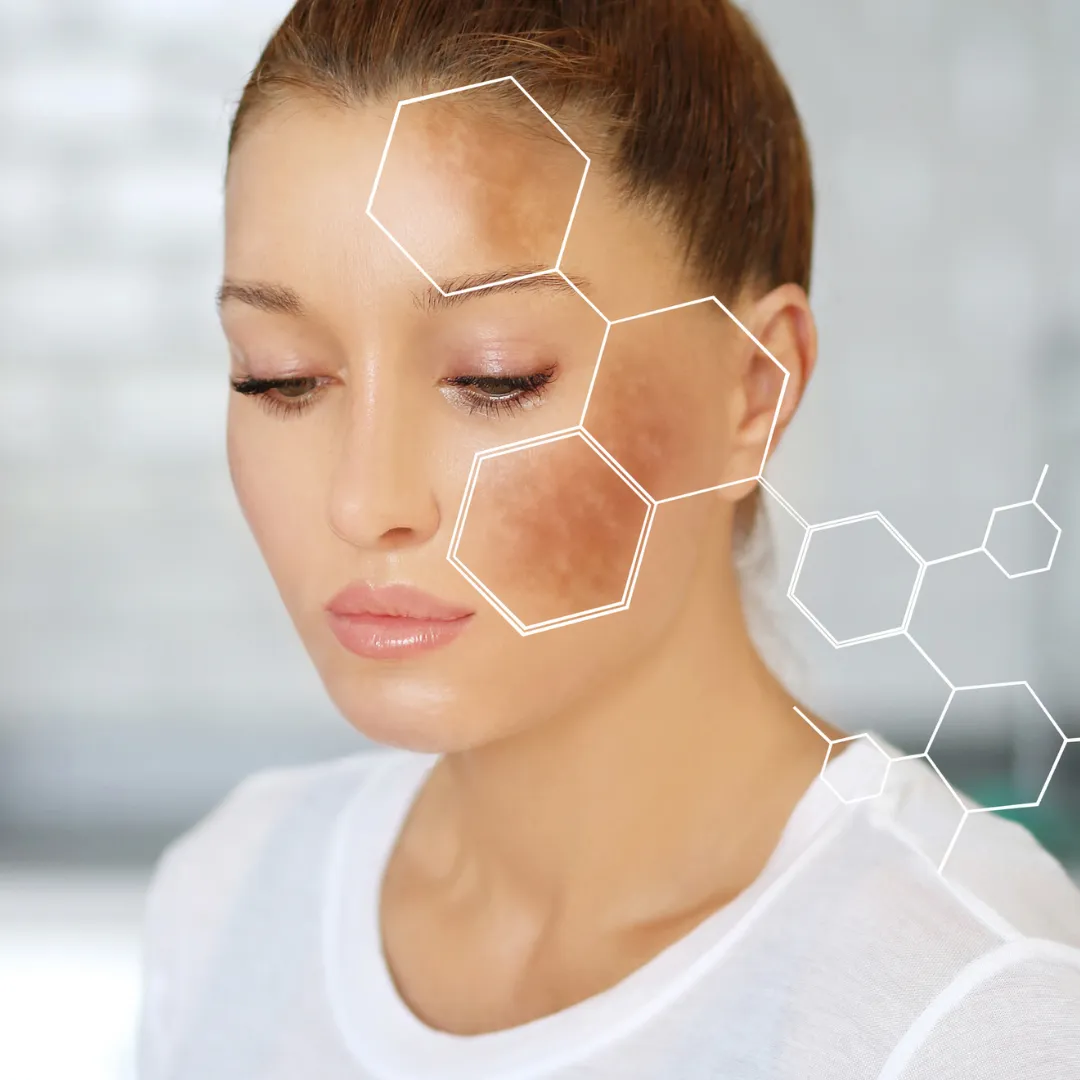
Hyperpigmentation
Hyperpigmentation means an area of skin is darker than the surrounding skin because of increased or altered pigment. The pattern helps identify the cause.
Read the guide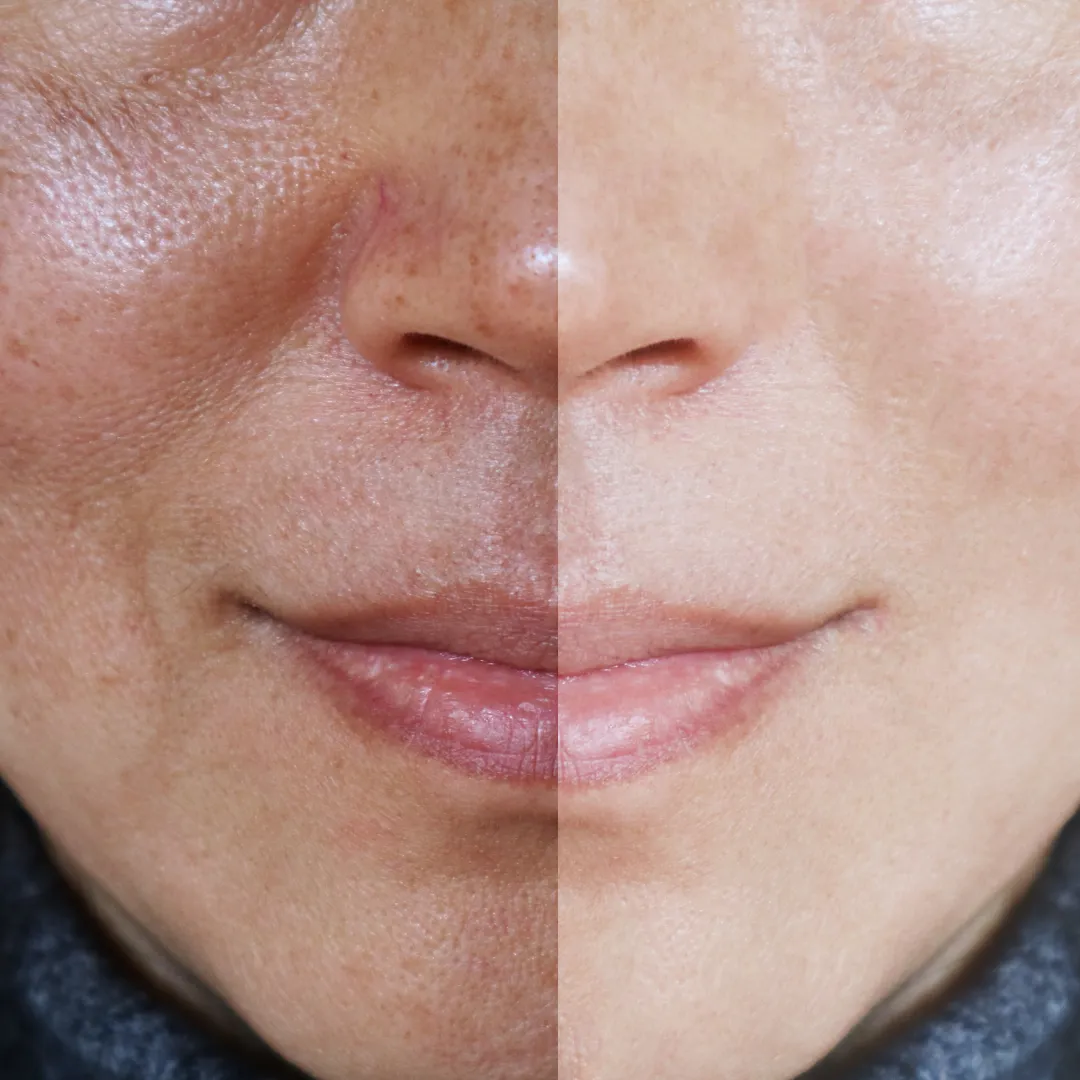
open pores
Visible pores are normal openings associated with hair follicles and oil glands. They can look more noticeable when skin is oily, congested or losing firmness.
Read the guide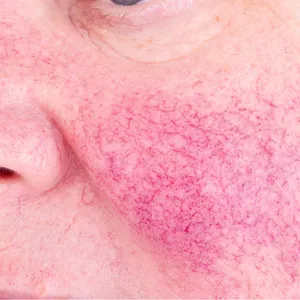
Rosacea
Rosacea is a chronic facial condition that can cause flushing, persistent colour change, visible vessels or acne-like bumps. Some people also have eye symptoms.
Read the guide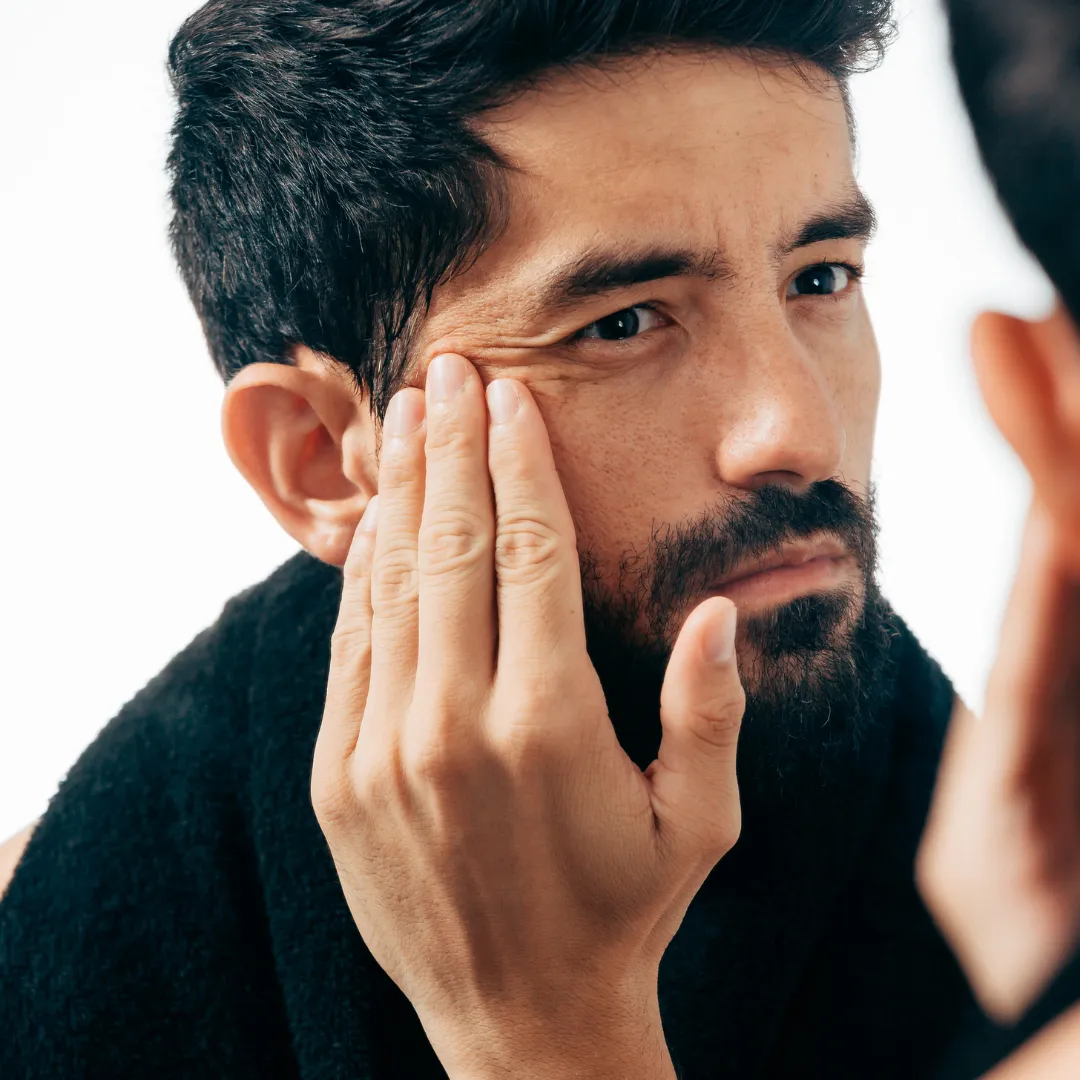
Wrinkles
Wrinkles are lines or folds that develop as skin changes with age, sun exposure and repeated facial movement. Some appear mainly with expression, while others remain when the face is at rest.
Read the guideCategory guides
Dermacare
Dermacare covers the assessment and management of skin conditions, from acne and eczema to infections and pigment problems. A diagnosis is the starting point for effective care.
Read the guide
Dermafacial
Dermafacials are skin-care treatments designed around goals such as cleansing, hydration, exfoliation and surface appearance. The products and devices used matter more than the name alone.
Read the guideCommon questions
How is the right care plan chosen?
Assessment considers lesion type, severity, affected areas, scarring and the impact on daily life. Hormonal patterns and previous treatment help shape a plan.
What can I do as part of everyday care?
Use gentle cleansing, non-comedogenic products and avoid picking. Give a prescribed routine time to work instead of adding several new products at once.
When should I get advice?
Seek early advice for deep painful lesions, scarring or acne affecting confidence and wellbeing. Rapidly worsening acne or acne with other hormonal symptoms may need further assessment.
Further reading and references
Take the next step
Explore care in your city
For local specialists, clinic information and appointments, choose a city.

Mumbai
Explore local specialists, clinics and appointments in Mumbai.
Explore care
Thane
Explore local specialists, clinics and appointments in Thane.
Explore care
Navi Mumbai
Explore local specialists, clinics and appointments in Navi Mumbai.
Explore care
Jaipur
Explore local specialists, clinics and appointments in Jaipur.
Explore care