 SCIENTIFIC SKIN, HAIR & PERSONAL AESTHETICS
Treatment guides
Skin medications: how it works, suitability and aftercare
Skin medicines target the causes and symptoms of diagnosed skin conditions. Learn how prescriptions are chosen, how progress is reviewed and how everyday skincare fits alongside treatment.
SkinGenious editorial team
Explore the guide ↓
Understanding the treatment
These are pharmaceutical products that help treat skin conditions. There are various kinds of medications and multiple forms of such medications.
Pharmaceuticals have been used to resolve skin concerns since decades. the medications could be used for resolving concerns as well as for lifestyle management of certain conditions. They are available in various formats such as tablets, capsules, creams, ointments or injections. For conditions such as bacterial or fungal infections, medicines are used as cures. In other conditions such as psoriasis, they are used for lifestyle manaegment.
Skin medications include topical, oral and other prescription treatments chosen for a diagnosis. An acne medicine, an eczema treatment and a pigment treatment are not interchangeable.
How it works
In case of infections, you can expect a cure from medications. For certain chronic conditions such as psoriasis, you can expect lifestyle management and to keep the condition in control.
Medicines may act on inflammation, infection, cell turnover, immune activity or another disease process. The mechanism and safety profile depend on the actual medicine.
Suitability and assessment
Diagnosis, pregnancy plans, allergies, other medicines and relevant health conditions guide selection. Some medicines require tests or monitoring.
What happens during treatment
The clinician explains the prescription, how it is used and when response will be reviewed. Instructions should identify what to do if irritation or another adverse effect occurs.
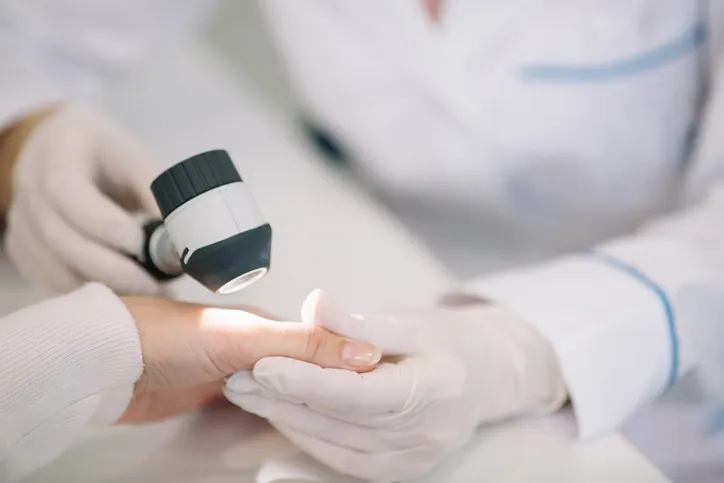
Consultation
Meet the dermatologist and share your concerns and symptoms. Based on what you share and in some cases with the help of additional lab tests, the specialist will diagnose your condition and then suggest the correct medications, which could be tablets, cream or injections.

Follow your presription
Make sure you comply with the advice of the specialist to ensure that you achieve the desired outcomes and your skin concern is completely resolved.

Follow-up
Meet your dermatologist once again, after completing your course, as suggested during the first consultation. The specialist will review to make sure that your improvement is as desired.
Results and limitations
Some conditions improve over weeks, while others need long-term management. Early irritation or a slow response should be discussed rather than prompting unsupervised dose changes.
Risks and recovery
Risks vary widely. Topical steroids, antibiotics, retinoids and systemic medicines each have distinct precautions, so borrowed prescriptions and unlabelled combinations should be avoided.
The potential risks and side effects will be explained by the dermatologist as well as be available on the medication leaflets.
Preparing for treatment
Bring a list of medicines, supplements and products you already use, together with details of allergies and previous treatment. Ask how the new prescription fits with your existing routine.
Any change to prescribed medicines, including blood thinners, must be agreed with the prescribing clinician.
It is never advisable to self-medicate, you must only use medications that are prescribed to you by a registered medical practitioner.
Aftercare
As suggested by the specialist.
Follow the written prescription and monitoring plan. Do not stop, increase or combine medicines without advice when there are important medical risks.
Alternatives to consider
Procedures and skincare can support some plans but do not replace indicated treatment for infection or inflammatory disease. The diagnosis determines the comparison.
Planning treatment and maintenance
Skin medication covers many different treatments, from moisturising and anti-inflammatory creams to medicines that target acne, infection or other diagnosed conditions. The right prescription depends on the cause of the problem, its severity, the area involved and your medical history.
It helps to understand the job of each product. One may treat the active condition, another may protect the skin barrier, and another may be used only during a flare. Ask where to apply it, how often, how much and when to reduce, stop or return for review. A written routine is especially useful when several products are prescribed.
Results are not always immediate. Acne treatment, for example, often needs a different review interval from a short course for an acute rash. Irritation should be discussed rather than dealt with by adding more creams or abandoning every product without a plan.
Avoid sharing prescriptions or continuing a combination cream indefinitely because it worked once. Steroids, antibiotics and pigment treatments have specific roles and limits. Tell your dermatologist about pregnancy plans, other medicines and any supplements when relevant to the prescription. If a medicine is not helping, a review of the diagnosis, application and side effects is more useful than simply moving to a stronger product.
What affects the cost
Cost depends on the actual medicine, formulation, duration and any monitoring required. Ask what is included in review appointments and whether a longer-term maintenance prescription is likely.
Explore related guides
Continue exploring the treatments, concerns and categories connected with this topic.
Treatment guides
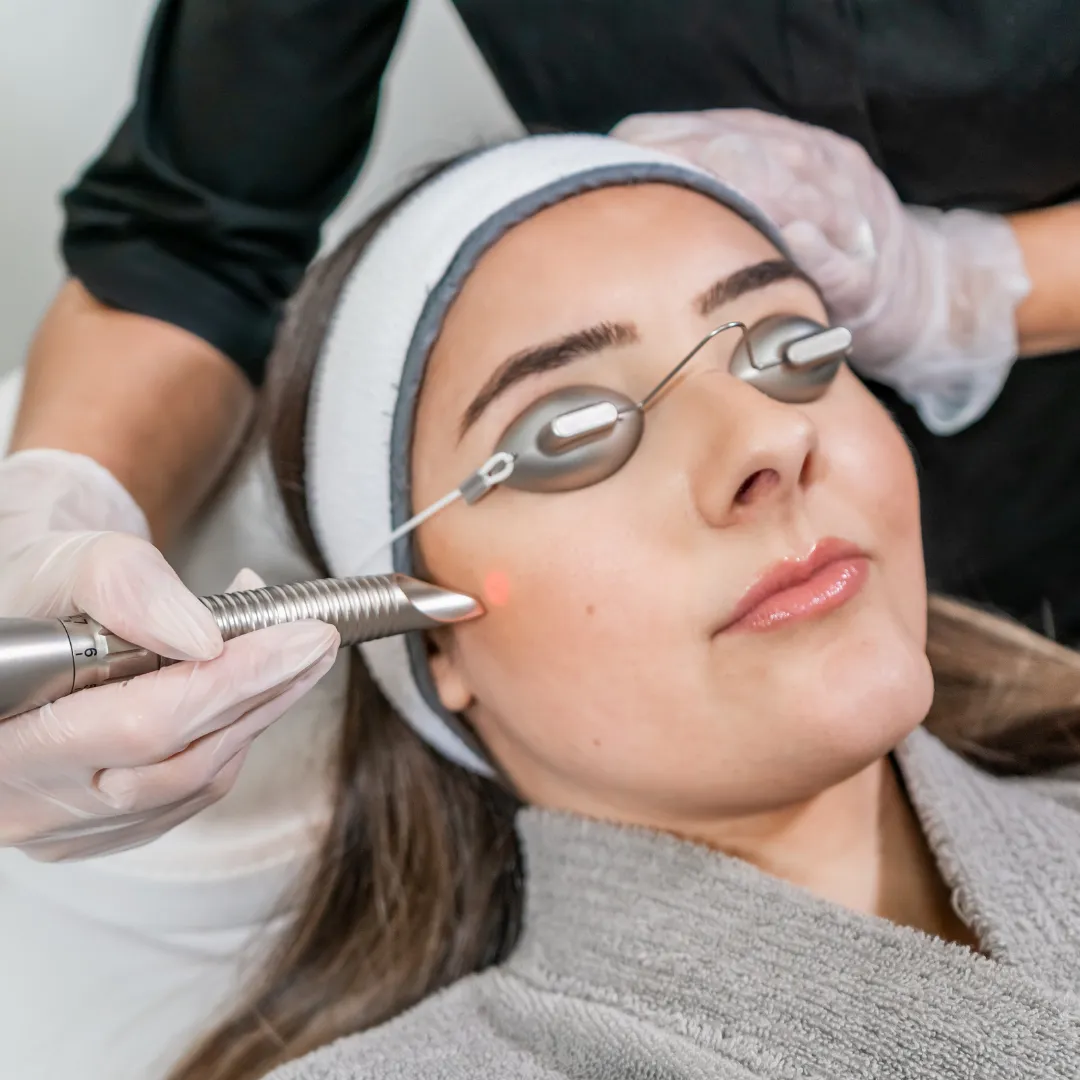
Concern guides

Eczema
Eczema describes a group of inflammatory skin conditions that often cause itch, dryness and a rash. Atopic eczema and contact dermatitis are examples with different contributing factors.
Read the guide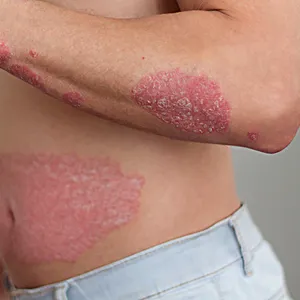
Psoriasis
Psoriasis is a long-term inflammatory condition that can affect skin, scalp and nails. It is not contagious and is different from ordinary dry skin.
Read the guide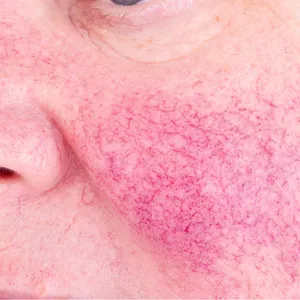
Rosacea
Rosacea is a chronic facial condition that can cause flushing, persistent colour change, visible vessels or acne-like bumps. Some people also have eye symptoms.
Read the guideCategory guides
Common questions
What should I understand before choosing skin medications?
Diagnosis, pregnancy plans, allergies, other medicines and relevant health conditions guide selection. Some medicines require tests or monitoring.
What results should I expect?
Some conditions improve over weeks, while others need long-term management. Early irritation or a slow response should be discussed rather than prompting unsupervised dose changes.
How do I compare this with other options?
Procedures and skincare can support some plans but do not replace indicated treatment for infection or inflammatory disease. The diagnosis determines the comparison.
Further reading and references
Take the next step
Explore care in your city
For local specialists, clinic information and appointments, choose a city.