 SCIENTIFIC SKIN, HAIR & PERSONAL AESTHETICS
Treatment guides
Skin Tightening (RF): how it works, suitability and aftercare
Radiofrequency treatment uses controlled heat to improve skin firmness. Explore the areas it can address, how sessions are planned and what influences the result.
SkinGenious editorial team
Explore the guide ↓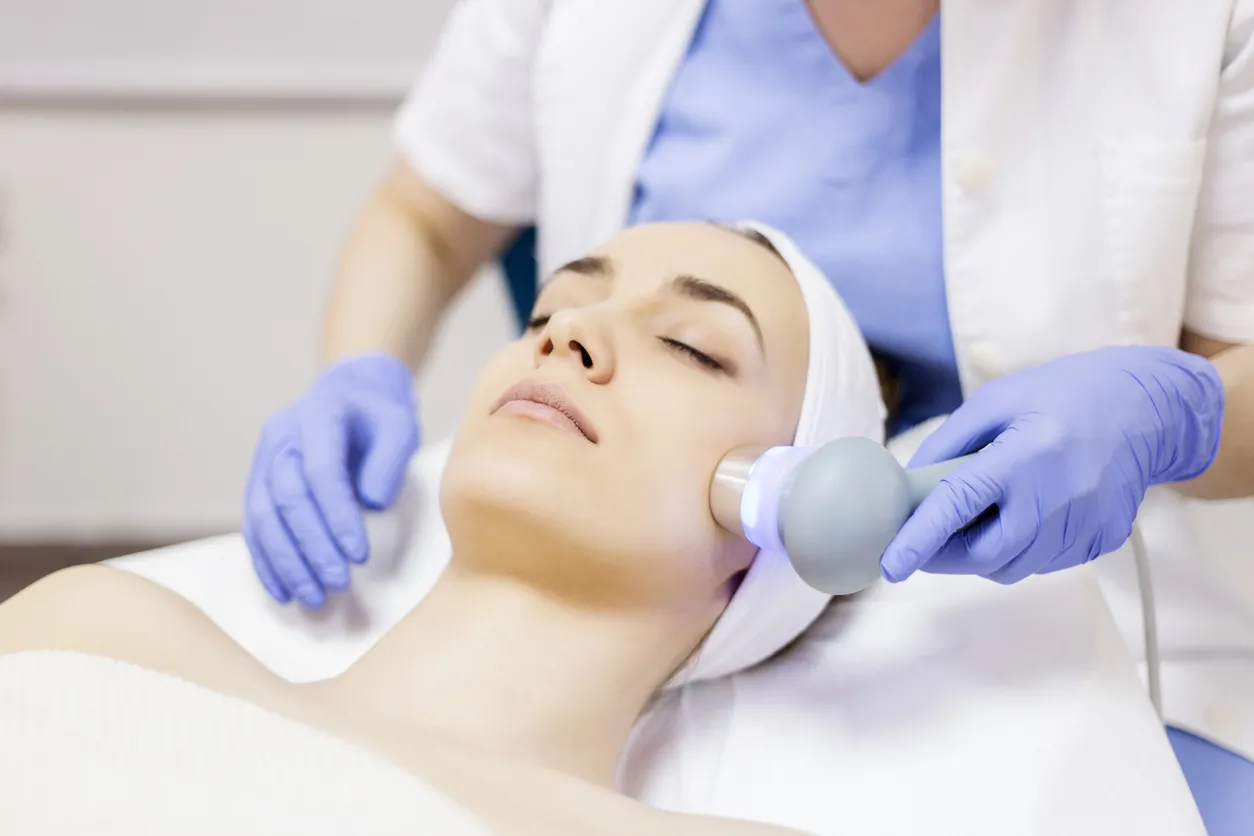
Understanding the treatment
Skin tightening with RF involves the use of radio-frequency waves to help you body generate new connective tissue like collagen. This connective tissue is what holds the skin together. Loss of connective tissue is what leads to sagging skin.
RF treatment involves the use of radiofrequency waves to help your body regenerate the connective tissue (collagen) that it has lost over the years. It generates heat under the layers of skin superficially and this action leads to your body reacting by generating more collagen in the superficial layers. This in turn helps tighten the structures below the skin and hence helps you lose the saggy appearance. In the case of RF, a single session is often not enough although you will start seeing results. You may need 3-6 sessions to see the desired levels of change. The treatment is delivered with the help of a hand-held device.
Radiofrequency skin tightening uses controlled heat to produce a tissue response in selected skin layers. The aim is usually a modest improvement in mild laxity, not the result of surgical lifting.
How it works
There is no down-time involved with RF skin tightening treatment. Results start to show immediately and improve over the next 3 months. You may require 3-6 sessions to see drastic change. There are no long term side effects of this treatment and the results once generated last permanently.
An applicator delivers radiofrequency energy while the device controls treatment settings and, where provided, cooling. The response depends on the device, treatment depth and the person being treated.
Suitability and assessment
Skin thickness, the degree of laxity and the location of implants or medical devices affect suitability. An examination is important when facial fullness, rather than loose skin, is the main concern.
What happens during treatment
The skin is assessed and prepared, a coupling product may be applied and the applicator is moved over agreed areas. Sensation and temperature are monitored during treatment.

In-person consultation
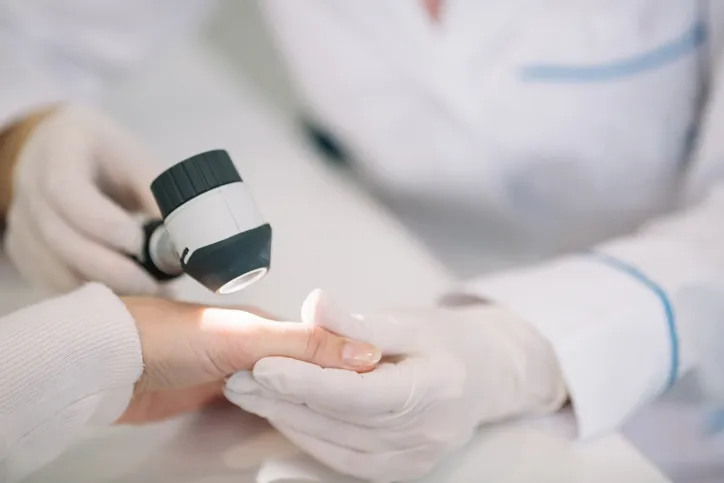
You will meet the dermatologist and they will assess the condition of your skin. They will collect the relevant medical history and also see the elasticity and plasticity of your skin in relation to your age.
Expectation setting
The dermatologist will let you know how much improvement you can expect after examining the condition of your skin and relating it to your age. Unless they expect you to see significant change after the procedure, they will not ask you to go ahead
Treatment
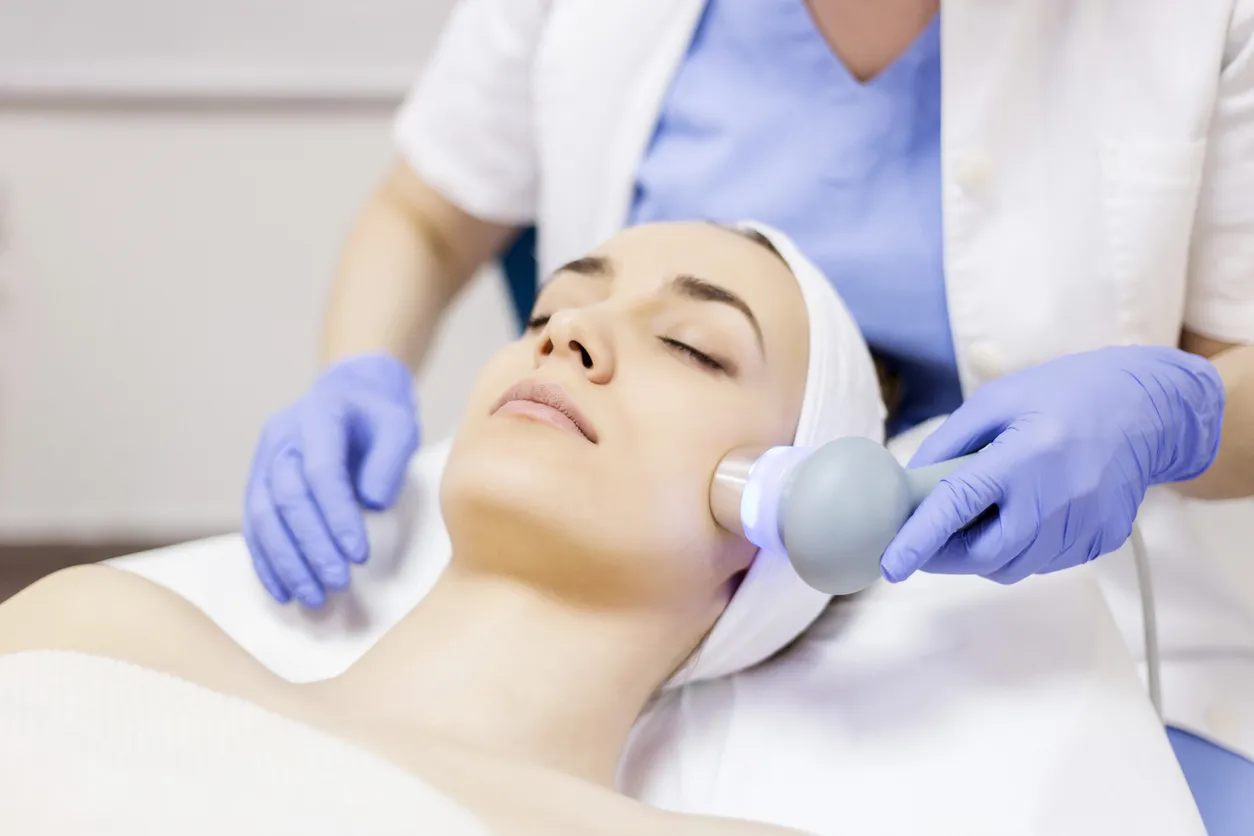
The treatment will be performed by the dermatologist themselves or may be assisted by trained technicians. The treatment is non-invasive and involves the application of a probe to the correct target areas.
Results and limitations
Improvement can develop gradually. Results vary and substantial excess skin is unlikely to respond in the same way as mild laxity.
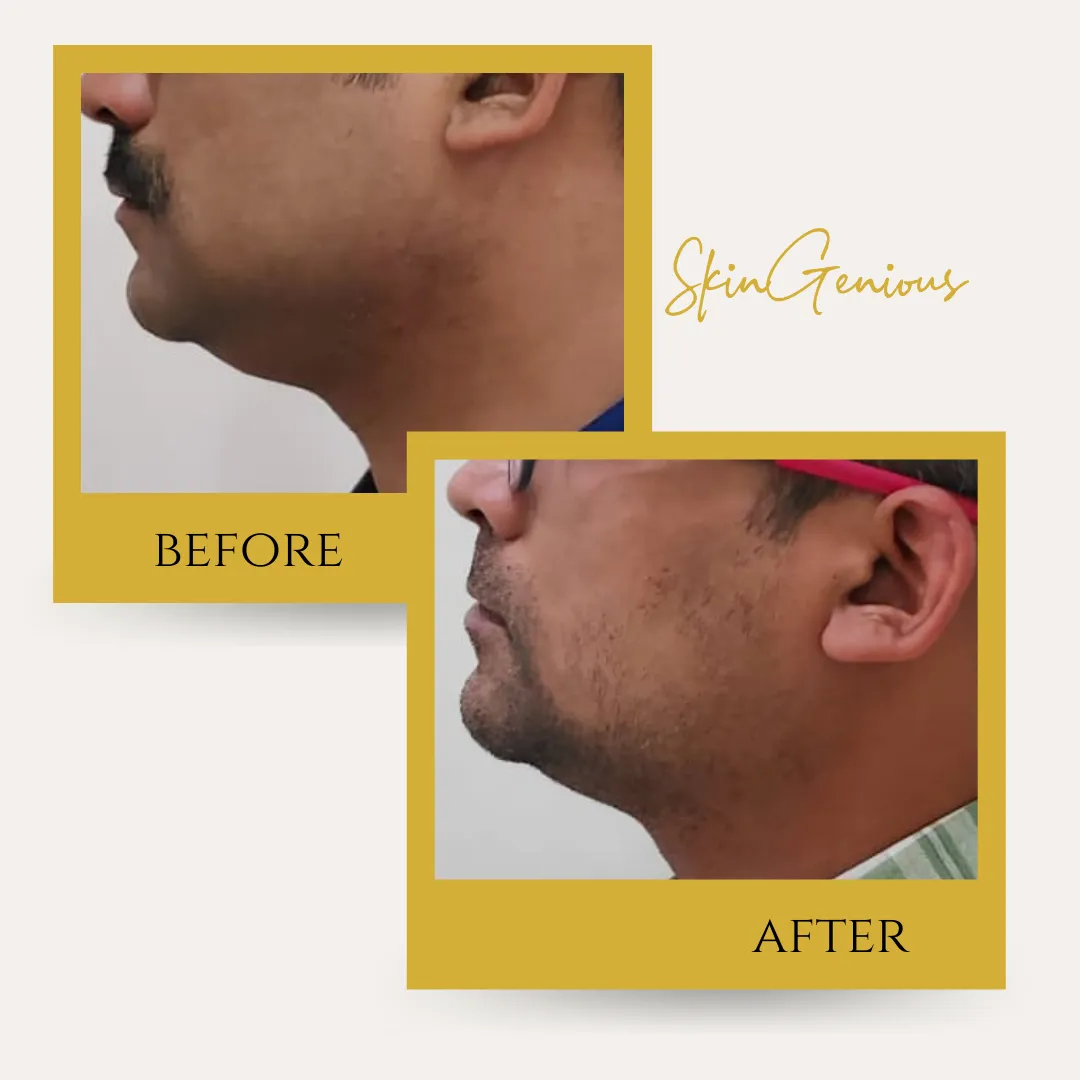
Skin Tightening (RF) for Sagging Skin
The results achieved in the shared image are after 3 sessions of RF treatment.
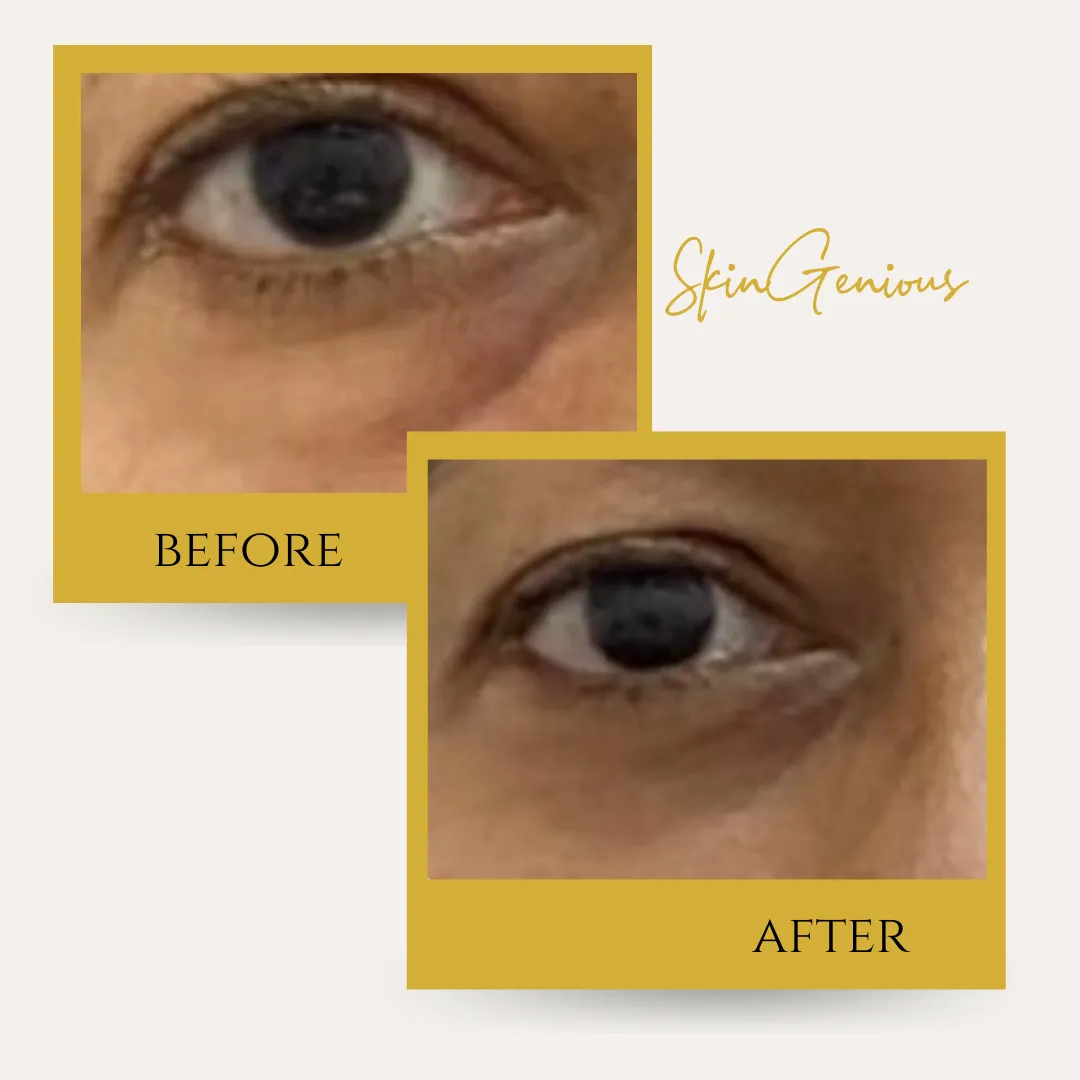
Skin Tightening (RF) for Under eye bags
The treatment is very effective in tightening the skin, thereby reducing the appearance of under eye bags
Before and after results
These photographs come from the existing treatment and concern records. They illustrate individual outcomes. Your starting point, treatment plan and healing response affect your own result.
Risks and recovery
Temporary redness, tenderness and swelling are possible. Burns, pigment changes and unwanted changes to underlying tissue are important risks if energy is unsuitable or poorly controlled.
Preparing for treatment
Bring details of previous procedures, medicines, allergies and any change in your health. Ask which skincare products or activities need adjusting before the appointment. Do not stop prescribed medicines without advice.
Any change to prescribed medicines, including blood thinners, must be agreed with the prescribing clinician.
- If you do not smoke, it means your body has much better chances of generating more connective tissue.
- Avoiding blood thinners like aspirin will help reduce the minimal chances of redness.
- Avoid the treatments in pregnancy or during breastfeeding. There aren’t enough studies on the safety profile.
- Also, you need to remove all make-up etc. from the face as the treatment is applied on the skin directly with only a gel application. You may prepare from home for this, or remove your make-up and other skin products at the clinic itself.
Aftercare
Use gentle skincare and sun protection, and follow instructions about heat, exercise and any planned combination procedures. Report persistent pain or skin injury.
Alternatives to consider
Focused ultrasound, resurfacing and surgical assessment may address different aspects of laxity. A suitable choice depends on anatomy and the change being sought.
Planning treatment and maintenance
Radiofrequency skin tightening uses controlled heat to improve firmness. It is worth distinguishing a surface RF treatment from RF microneedling, which delivers energy through needles. These are different procedures with different recovery needs, even though both use radiofrequency.
The area being treated and the degree of laxity guide the plan. A small change in firmness around the face may call for a different approach from loose skin on the body. Your clinician will assess skin thickness, underlying volume, previous treatments and any implanted device or medical issue relevant to the equipment being used.
A comfortable treatment is not necessarily ineffective, and a more painful treatment is not necessarily more effective. The important points are appropriate energy delivery, skin protection and a plan that matches the concern. Ask how the treatment is monitored and what sensations you should report during the session.
Firmness usually needs to be assessed over time rather than immediately after a single visit. Keep the review interval agreed with the clinician and compare photographs taken under similar conditions. If the main issue is excess skin, deep folds or marked loss of volume, RF alone may provide less change than expected. A clear explanation of the intended benefit helps you decide whether a course and any maintenance are worthwhile.
What affects the cost
The area treated, the product or device, the treatment plan and the number of sessions influence the total. A useful estimate explains what is included, what follow-up involves and whether maintenance is likely. City pages provide the local service information.
Explore related guides
Continue exploring the treatments, concerns and categories connected with this topic.
Treatment guides
Dermal Filler
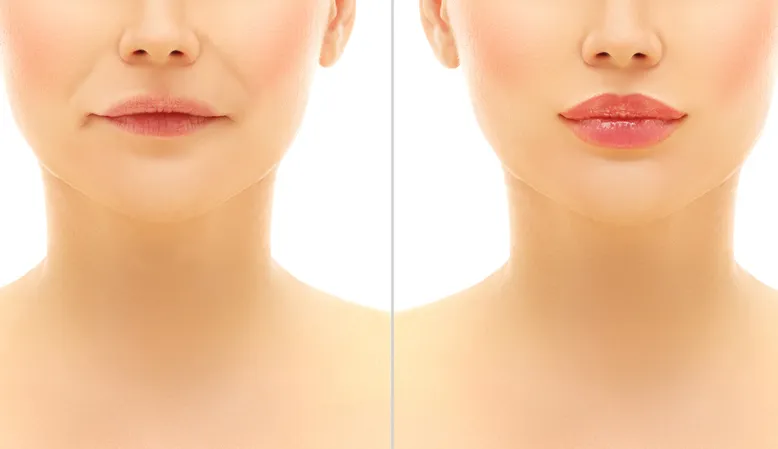
Dermal fillers can restore selected areas of volume and refine facial contours. Learn how product choice, facial proportions and placement shape a treatment plan.
Read the guide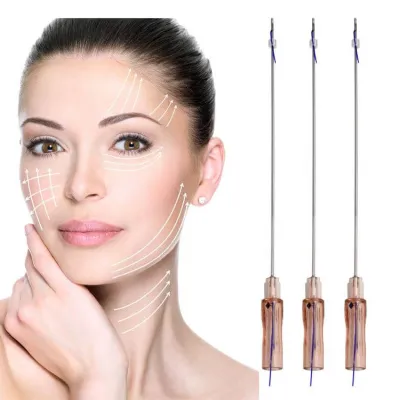
Dermal Threads
Dermal threads can provide selected tissue support and contour change without a surgical lift. Explore how thread treatment is planned, what it can achieve and how recovery is managed.
Read the guide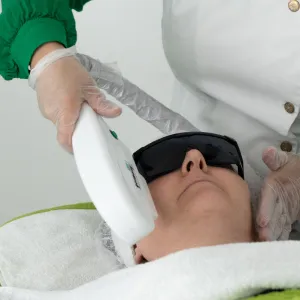
HIFU Facelift
HIFU uses focused ultrasound to improve skin firmness and soften the appearance of mild to moderate sagging. Learn how treatment works, who it may suit and what to expect afterwards.
Read the guideConcern guides
Sagging Skin
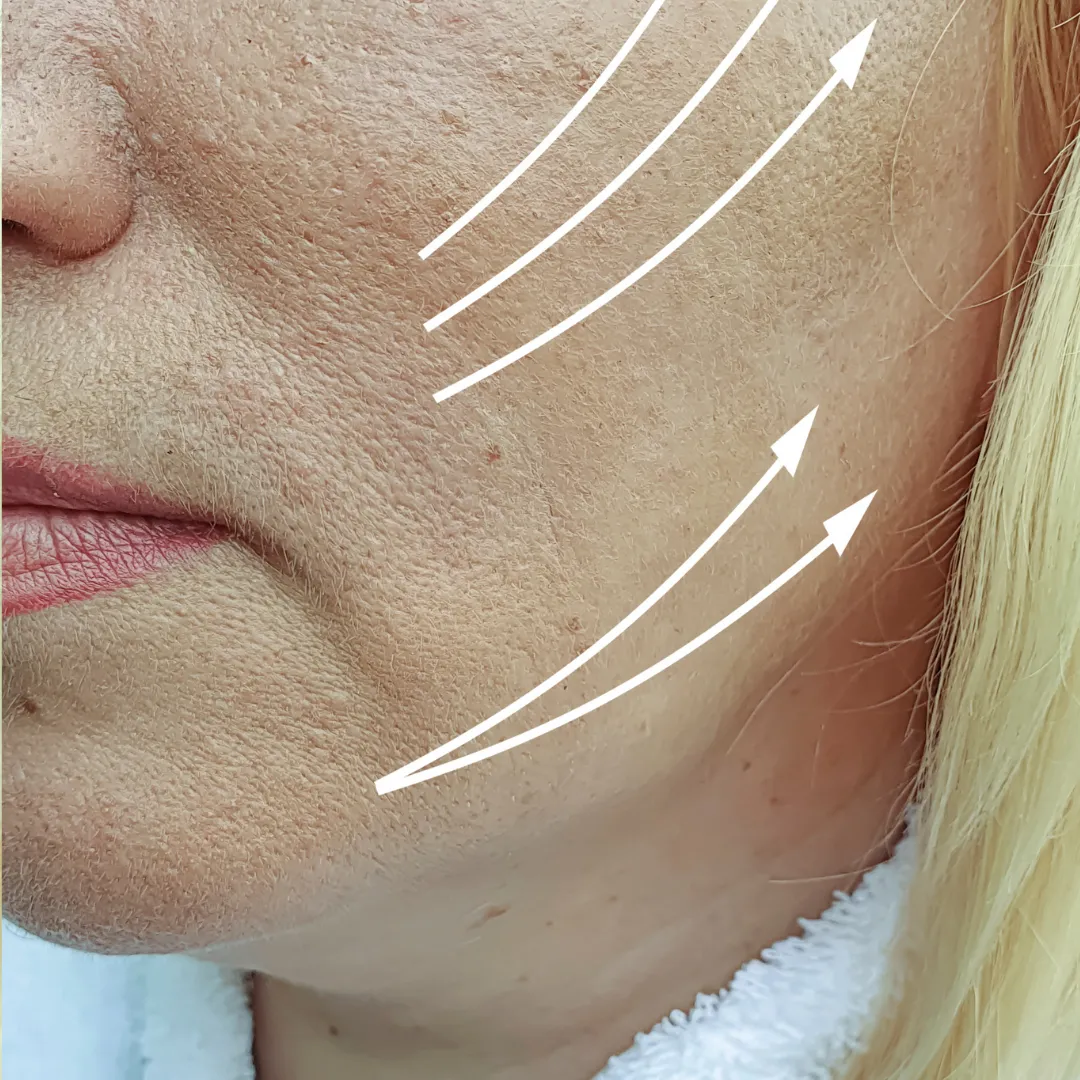
Sagging skin describes a change in firmness or the position of skin and underlying tissues. The jawline, neck, face and body can be affected in different ways.
Read the guide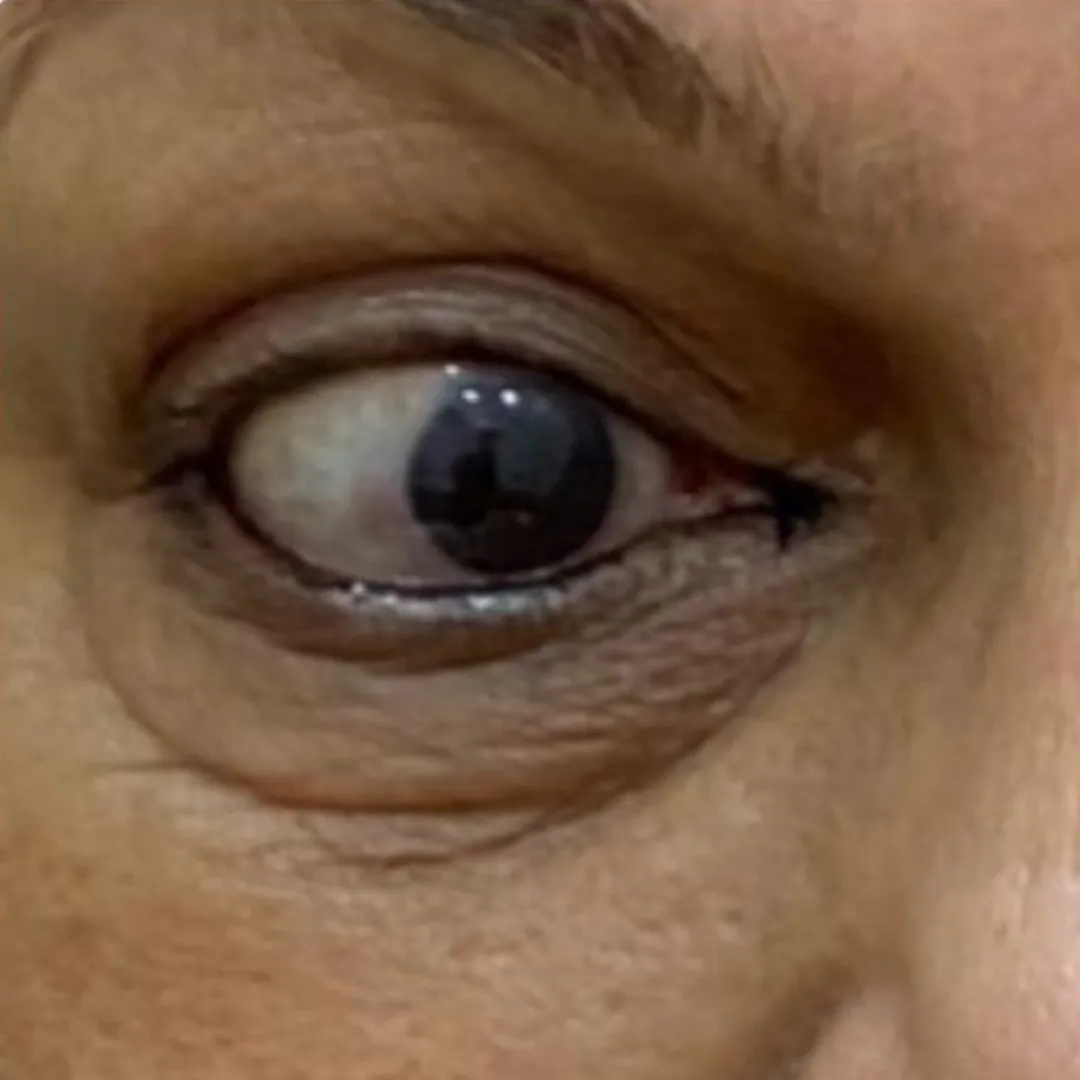
Under eye bags
Under-eye bags are a puffy or prominent appearance beneath the eyes. They may reflect fluid, skin laxity or the position of underlying fat.
Read the guideCategory guides

Common questions
Is RF skin tightening treatment safe?
Yes, the radiofrequency treatment is completely safe and non-invasive. The technology is time-tested and FDA approved.
Is RF skin tightening painful?
The treatment is not painful, but you may feel some amount of discomfort after the treatment. You may feel heat and tightness in the treated area, but this is completely normal and shows you that the treatment is working well. The feeling with dissipate within a maximum of 48 hours.
What should I understand before choosing RF skin tightening?
Skin thickness, the degree of laxity and the location of implants or medical devices affect suitability. An examination is important when facial fullness, rather than loose skin, is the main concern.
What results should I expect?
Improvement can develop gradually. Results vary and substantial excess skin is unlikely to respond in the same way as mild laxity.
How do I compare this with other options?
Focused ultrasound, resurfacing and surgical assessment may address different aspects of laxity. A suitable choice depends on anatomy and the change being sought.
Further reading and references
Take the next step
Explore care in your city
For local specialists, clinic information and appointments, choose a city.