 SCIENTIFIC SKIN, HAIR & PERSONAL AESTHETICS
Treatment guides
Dermal Filler: how it works, suitability and aftercare
Dermal fillers can restore selected areas of volume and refine facial contours. Learn how product choice, facial proportions and placement shape a treatment plan.
SkinGenious editorial team
Explore the guide ↓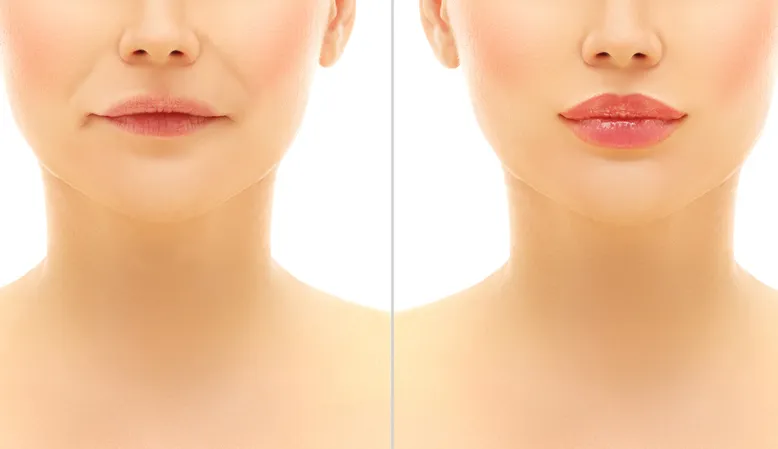
Understanding the treatment
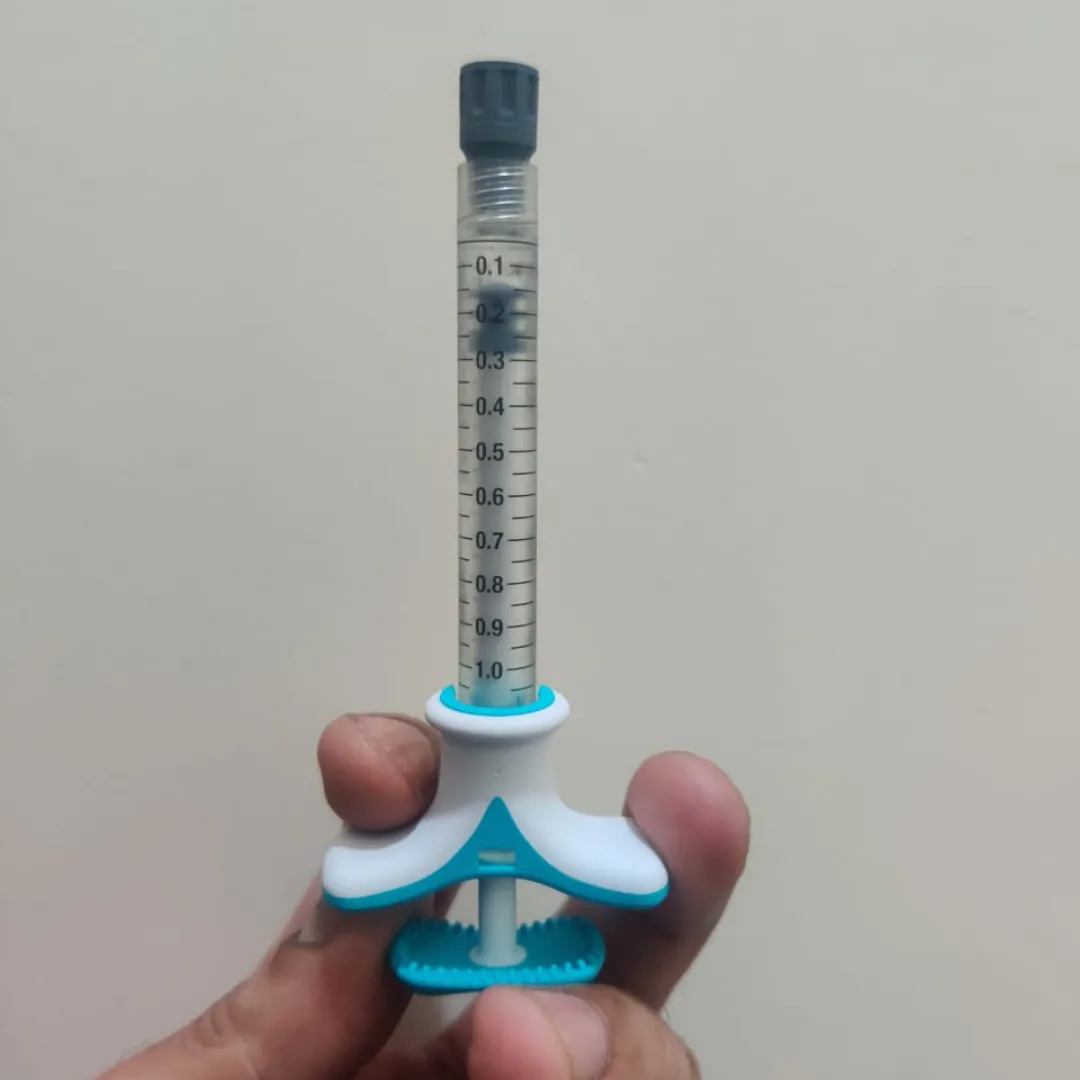
A dermal filler is a gel-like substance that is available in an injectable format in a pre-formed and packed syringe. Each syringe of a dermal filler is of 1ml quantity. here are different kinds of substances that dermal fillers are made from. These include Hyaluronic acid, Polymethylmethacrylate (PMMA), Poly-L-lactic acid and Calcium hydroxylapatite (CaHA). All these types of fillers are approved for use by the US FDA. However, in India, including Mumbai, only Hyaluronic acid fillers are approved, which is why these are the ones we will discuss in further detail.
Hyaluronic acid is a natural substance that is also available in the body under normal circumstances. It is present in the extra-cellular matrix and found throughout the body. However, around 50% of the hyaluronic acid that is present in the human body is in our skin. Its normal function is to retain water and it helps in hydration.Dermal fillers should only be injected by a trained aesthetic dermatologist or surgeon.They are injected under the skin to help you gain volume, support certain structures in your face and also enable contouring of the face. The areas under the skin where a dermal filler is injected include:Into the dermis (which is a layer of the skin) Subcutaneously (under the skin) Into the supra periosteal region (just above the bone) Once injected, the inert filler stays in the region till it is metabolized by the body (6-18 months, depending on the individual as well as kind of product injected). They hence, pull the connective tissue structures at desired angles or simply add volume. Since the change they bring needs to be precise, it is very important for your specialist to understand the dermal planes and predict properly how the fillers will affect your appearance. We assure you that the dermatologists at SkinGenious are highly trained at injecting and are specifically selected based on these abilities.Dermal fillers are therefore a safe option for enhanced facial aesthetics and can be explored by you with confidence.
Dermal fillers are injected materials used to alter selected facial contours or restore volume. Many commonly used products contain hyaluronic acid, although products differ in composition and intended use.
How it works
The procedure is usually competed within 30 minutes. The results are instant and you can see the change immediately after the procedure. You may have a slight amount of bruising or swelling which will subside within 48 hours. You specialist will be able to tell you how your appearance is expected to slightly vary after the bruising goes down. The skill in injectables also involves delivering the best possible results within the least quantity of dermal fillers so that you get the best value for money.
A filler changes shape or support where it is placed. The effect depends on facial anatomy, product properties, placement and the amount used.
Suitability and assessment
Assessment includes facial proportions, prior fillers, allergies, infection and the person's goals. An experienced medical injector should explain product-specific risks and realistic limits.
What happens during treatment
The clinician agrees a plan, cleans the skin and injects the chosen product using a needle or cannula. The area is assessed and clear aftercare and emergency contact advice are provided.

In-person consultation
The first step of any treatment at SkinGenious is to meet one of the top dermatologists of the city. You can share your aesthetic concerns. The dermatologist will guide you to the right kind and amount of fillers to help you.

Agree on treatment plan
You and your dermatologist will agree on a treatment plan and the associated number of fillers required, and the brands to be used. This will also define the cost of the treatment.
Undergo the procedure
The next step would be application of topical anesthesia and undergoing the injection. This is mostly painless and you may feel mild sensations.
Results and limitations
Swelling can obscure the early result, so final assessment is made after settling. Duration varies by product and site; permanent symmetry or a particular appearance cannot be guaranteed.
Dermal Filler for Lip augmentation
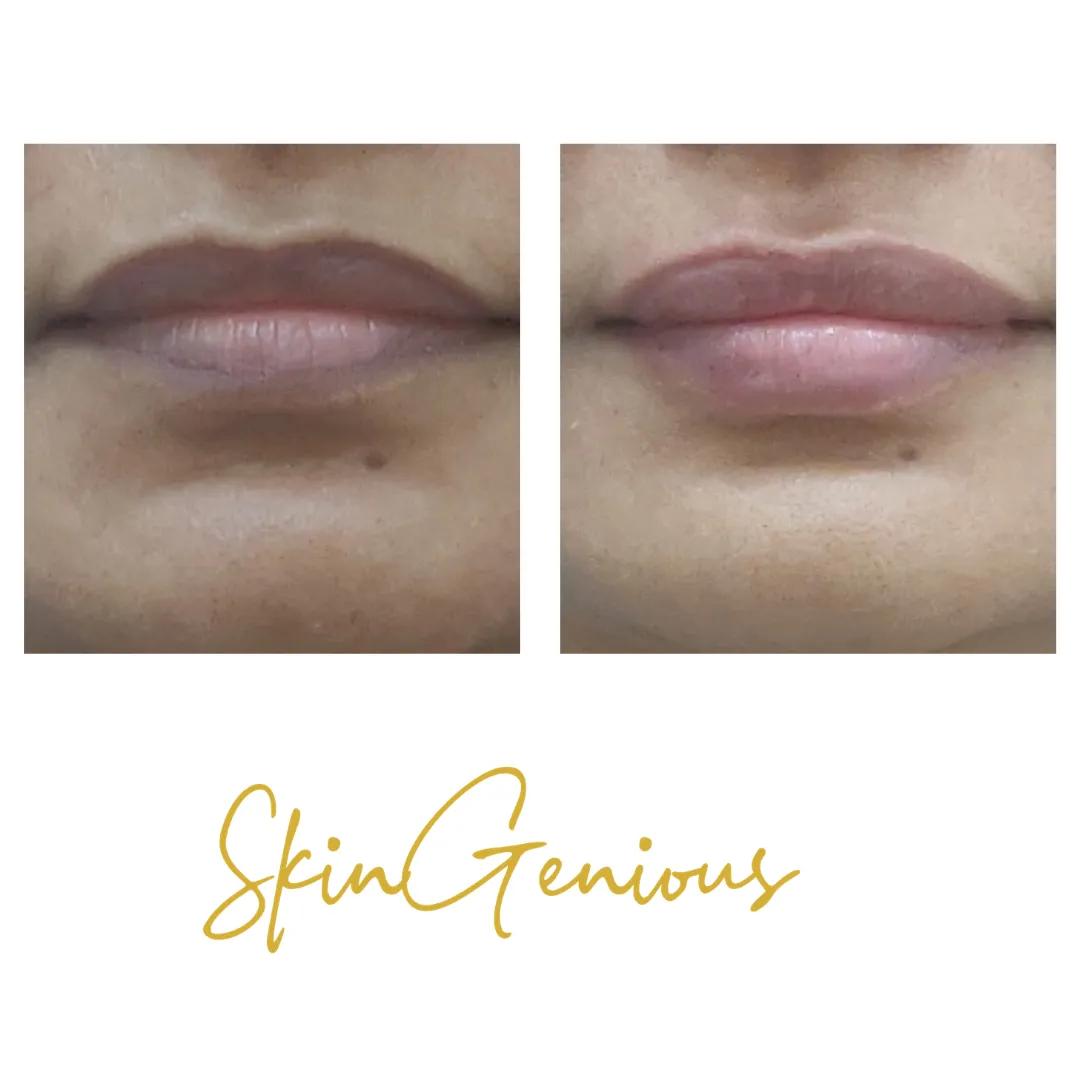
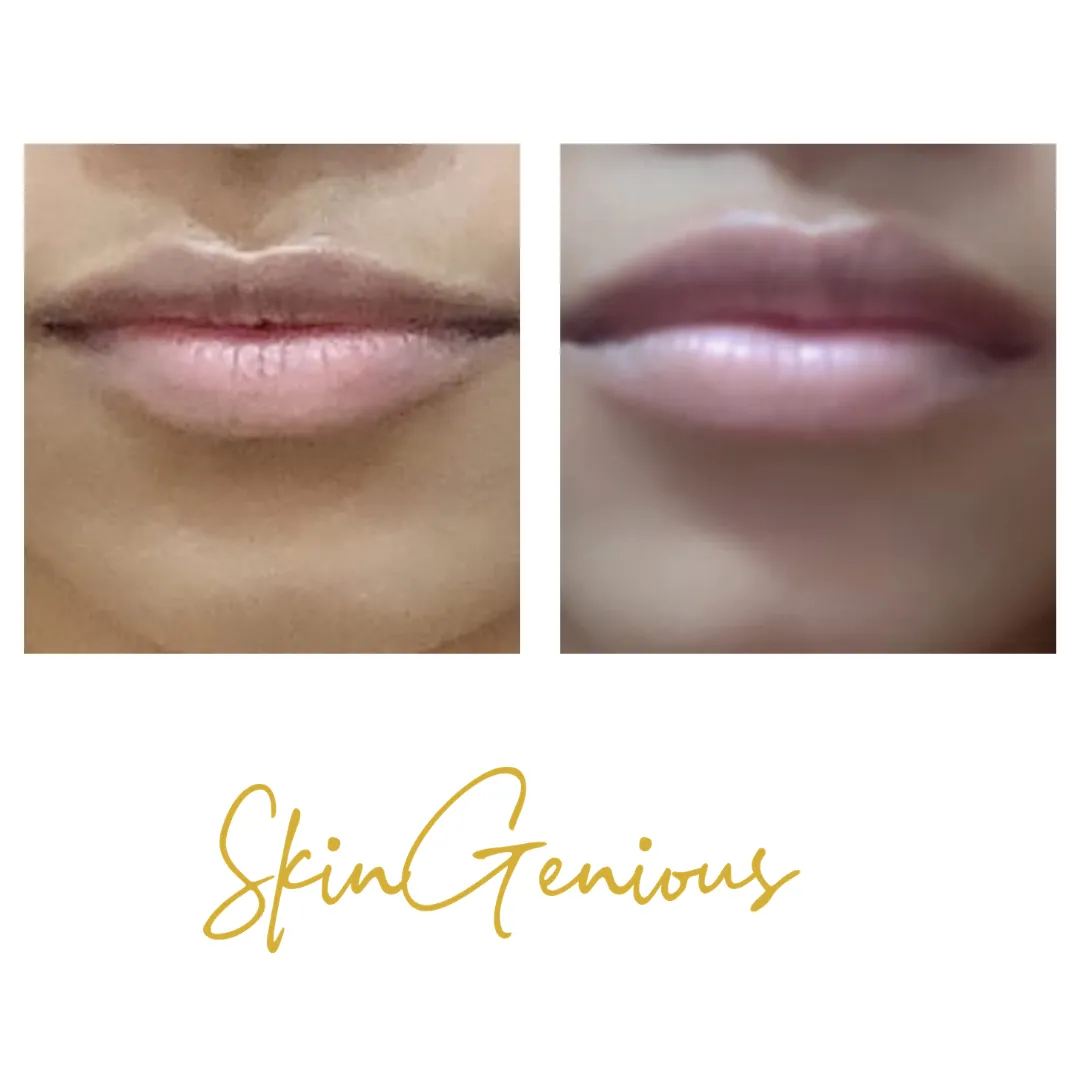
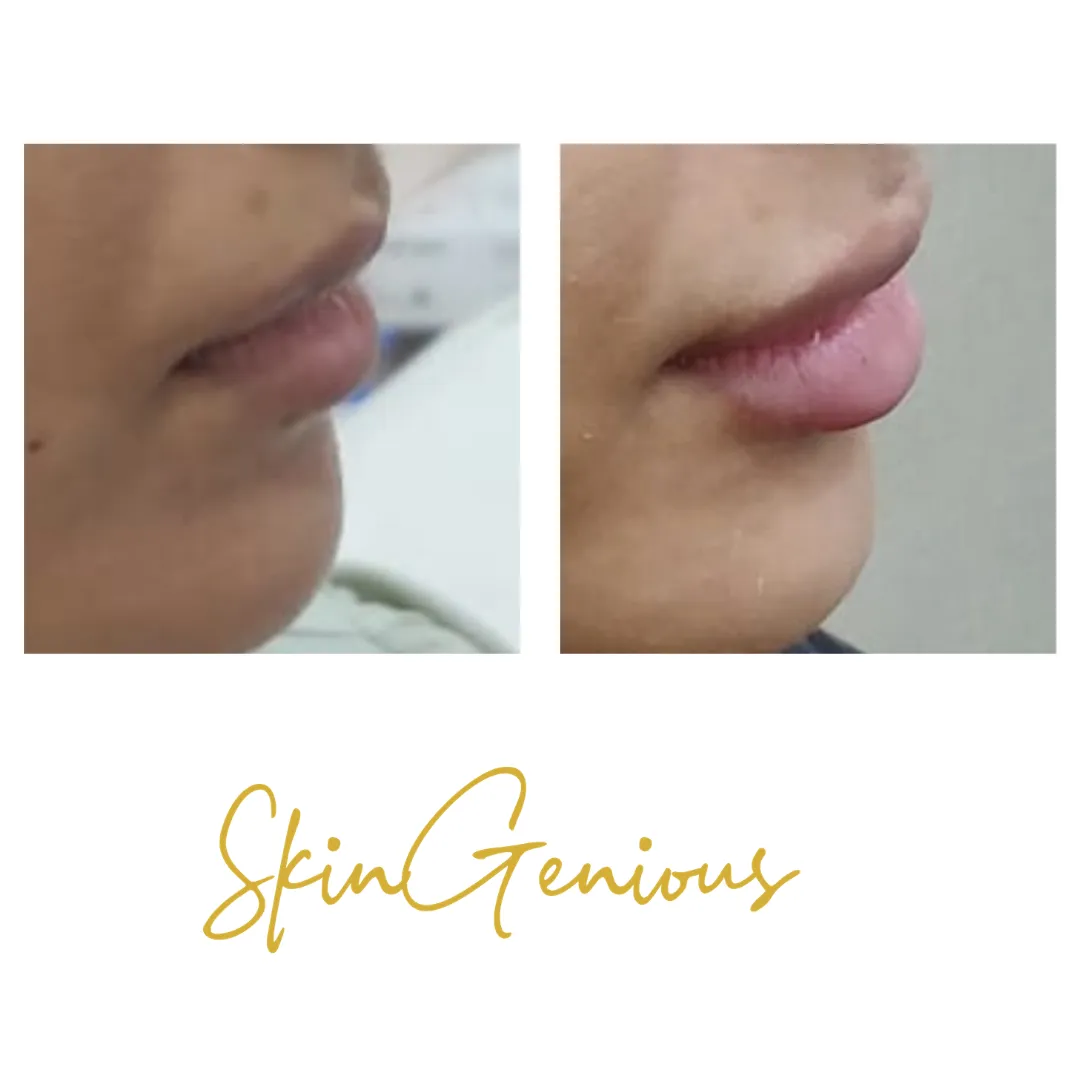
Dermal fillers are highly effective for augmentation of lips, balancing the upper and lower lip or balancing the overall facial aesthetics. They are also widely used to correct M-shaped lips as well as inverted lips. At SkinGenious, you can rest assured that you are in the hands of the top specialists.
Dermal Filler for Dark circles
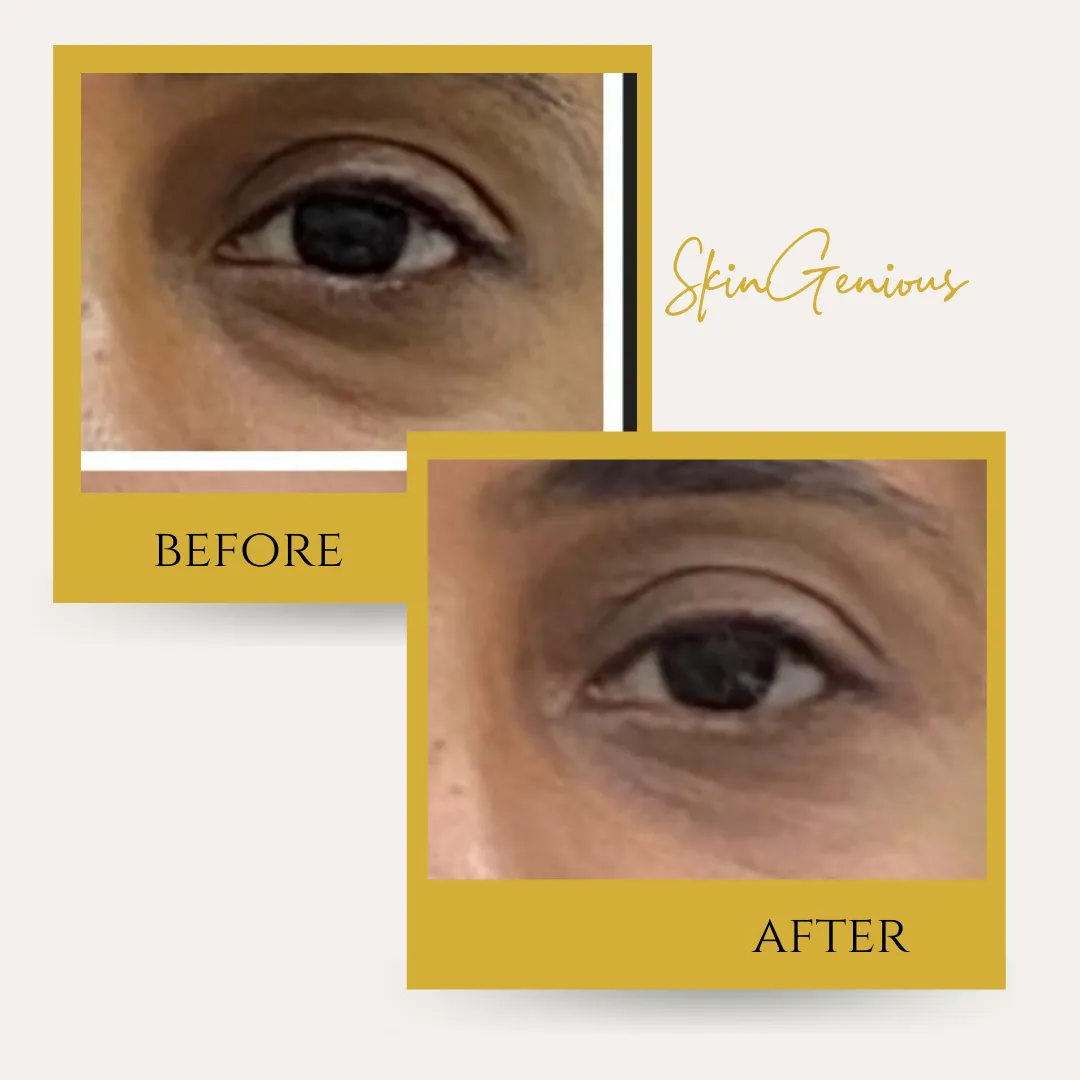
Dermal fillers are the most commonly used treatment to resolve the issue of dark circles that gives desired results.
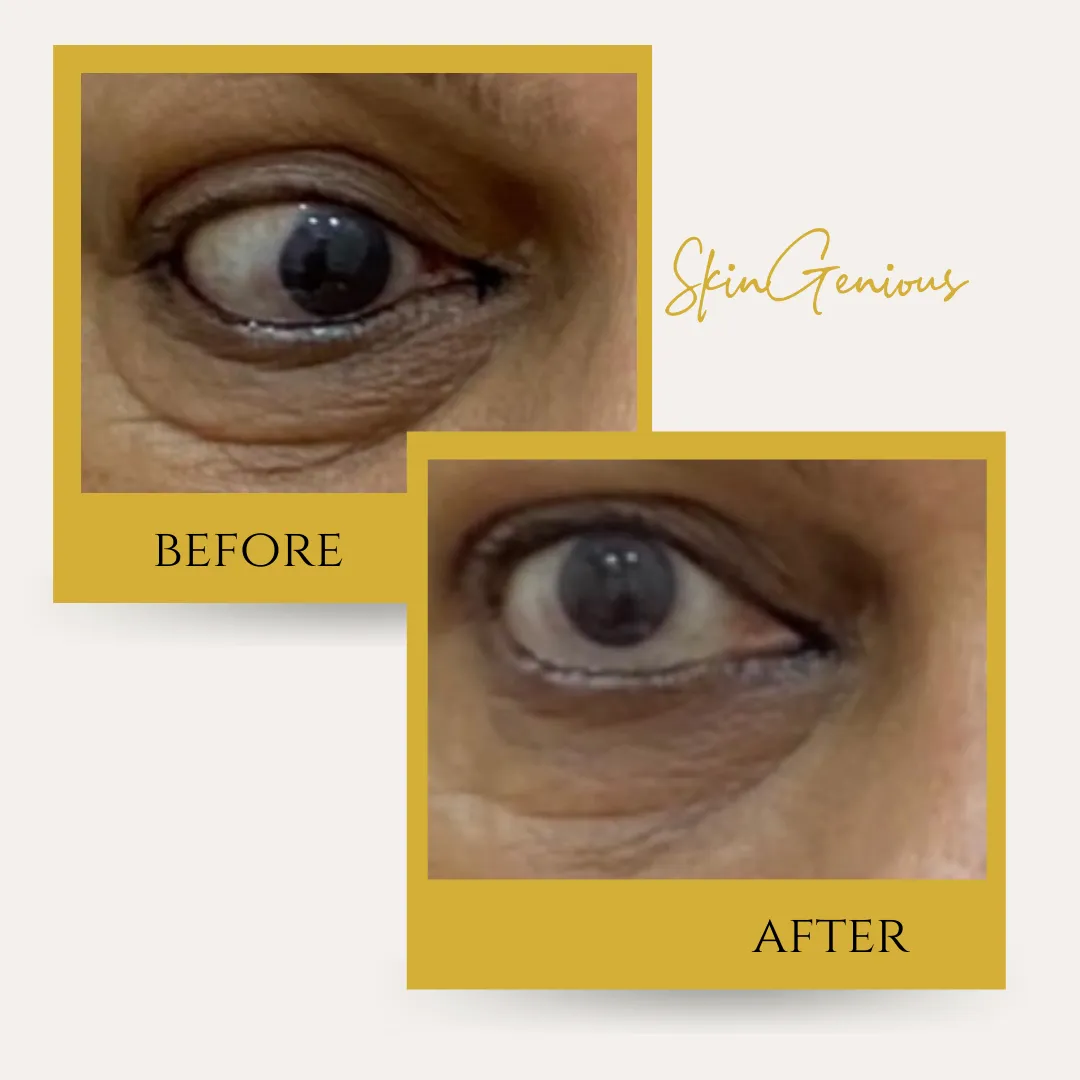
Dermal Filler for Under eye bags
The treatment is quite effective for under eye bags.
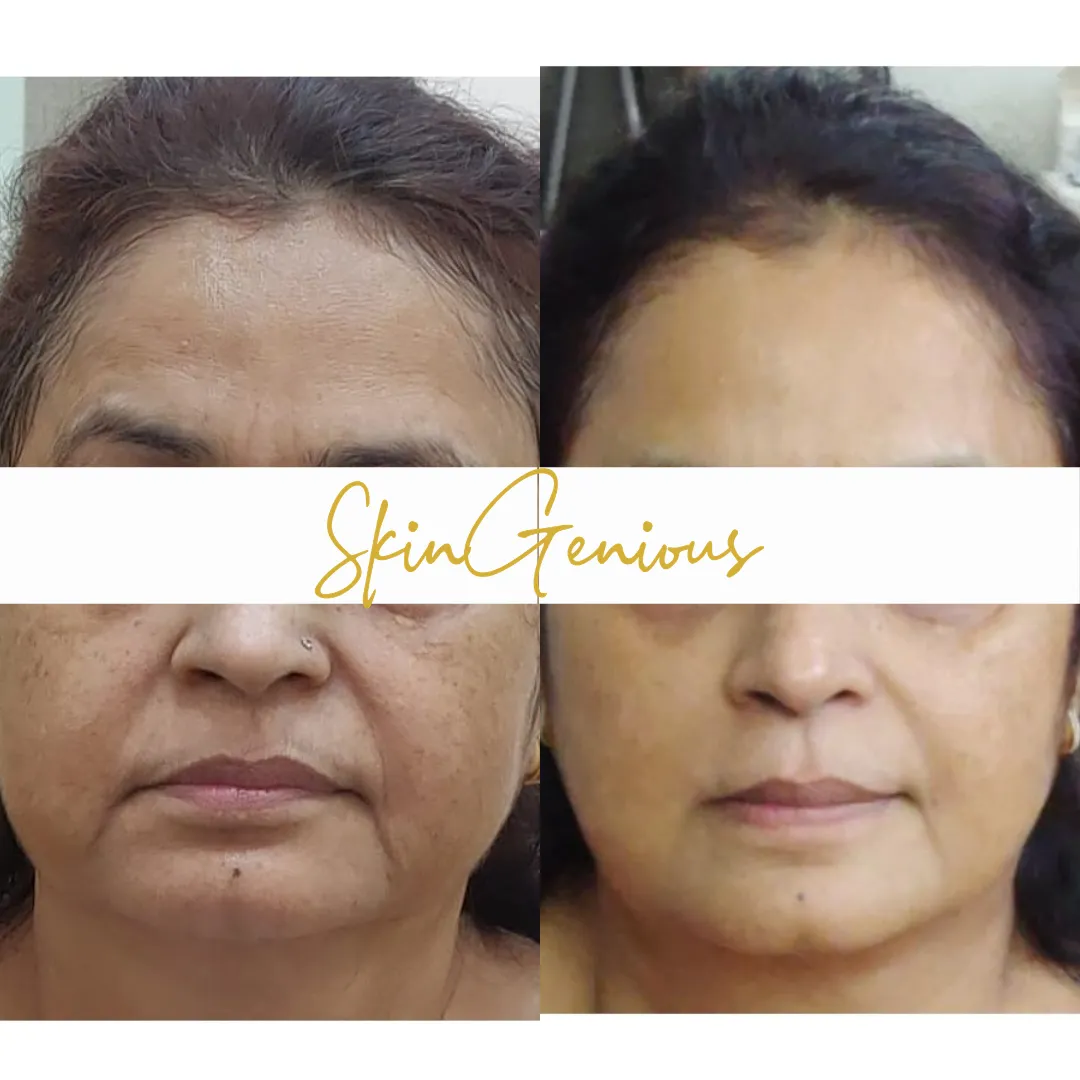
Dermal Filler for Wrinkles
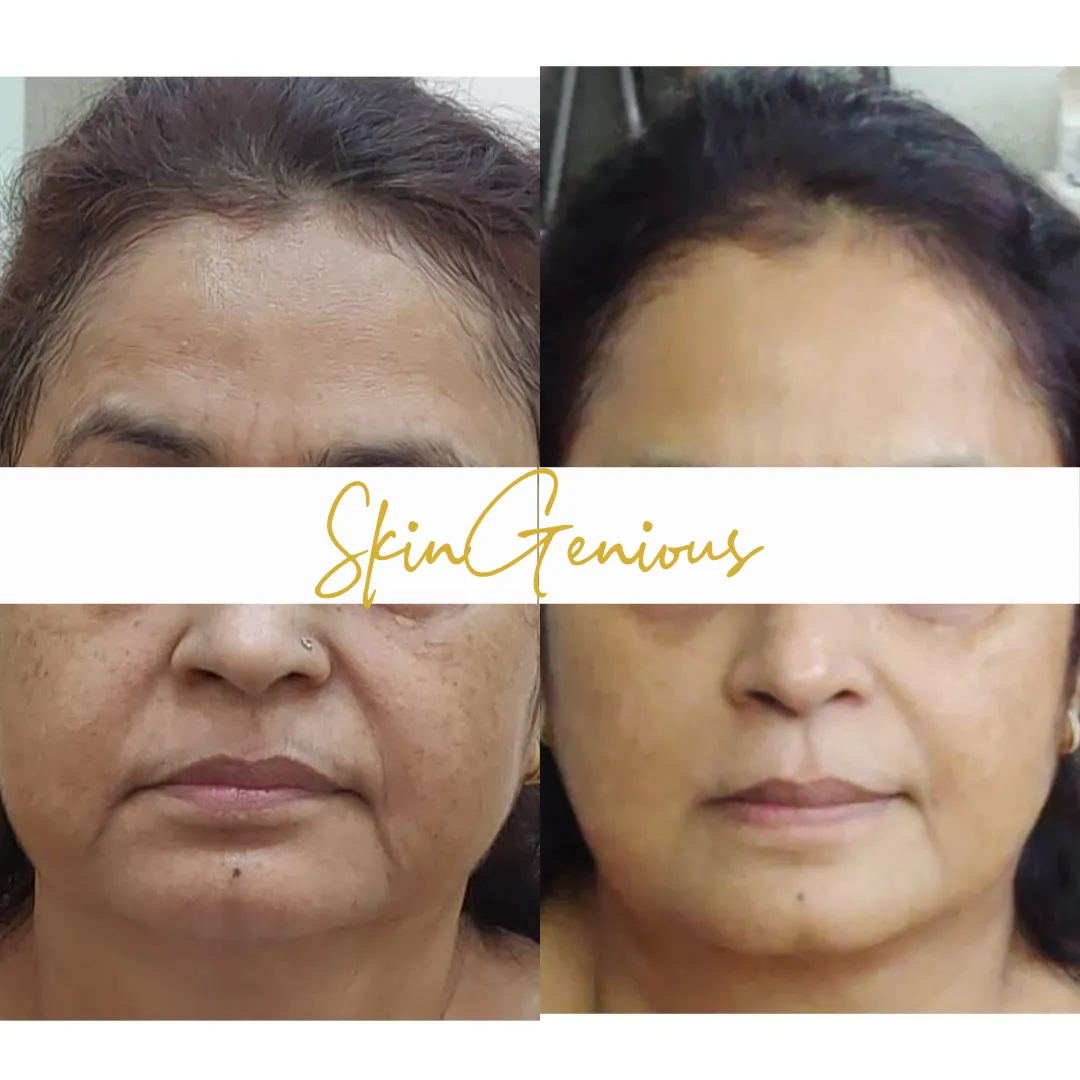
Dermal fillers are highly effective against wrinkles and provide additional volume, with the ability to take years away from your face.
Before and after results
These photographs come from the existing treatment and concern records. They illustrate individual outcomes. Your starting point, treatment plan and healing response affect your own result.
Risks and recovery
Bruising, swelling, nodules and infection can occur. Injection into a blood vessel can cause tissue injury and, rarely, blindness or stroke. Unusual pain, skin colour change or visual symptoms require urgent help.
Hyaluronic acid fillers are inert substances and therefore the chances of complications are minimal. The risks associated are the same that you have with any other injection
Bruising may occur in some cases. This will normally subside within 1-2 days.
Swelling may sometimes occur at the site of injection, but this subsides within 1-2 days even if it does occur
If you have a bleeding disorder like hemophilia you should avoid dermal fillers.
There are other complications possible in case the filler is injected into a blood vessel, but this would not happen with a good injector.
Preparing for treatment
Bring details of previous procedures, medicines, allergies and any change in your health. Ask which skincare products or activities need adjusting before the appointment. Do not stop prescribed medicines without advice.
Any change to prescribed medicines, including blood thinners, must be agreed with the prescribing clinician.
There are no absolute lifestyle changes that you need to take before going ahead with dermal fillers. However, some things that would help with the avoidance of any unwanted side effects are:
no blood thinning supplements like aspirin to be taken for 2 weeks before a treatment session
no smoking means lesser chances of bruising etc.
check with your specialist if any of the products in your skin care routine can interfere with the treatment results.
Aftercare
There is no specific after-care required for filler injections. Inform your dermatologist in case you feel pain or any other form of discomfort.
Follow advice about pressure, massage and exercise. Do not attempt to dissolve or adjust filler yourself; the response to a complication depends on the product and diagnosis.
Alternatives to consider
Skincare, muscle-relaxing injections, resurfacing or surgery address different concerns. More volume is not always the right answer for sagging or ageing.
Planning treatment and maintenance
Dermal fillers can restore volume, improve definition or soften selected folds. The same syringe should not be thought of as a standard treatment for every face. A plan for the lips is different from one for the cheeks or a deep facial fold, and the product needs to suit the tissue and the intended change. It helps to bring photographs that show the look you like, then discuss what is realistic for your own proportions. The goal may be subtle support rather than visibly fuller features. Previous filler is important even if it was placed years ago. Tell your clinician where it was used, which product was used if known, and whether you have had swelling, lumps or another reaction. Hyaluronic acid fillers are often discussed because they can be broken down with an appropriate enzyme when clinically indicated. That does not make every complication simple to reverse, and other filler materials behave differently. Ask about the product, why it suits the area and how the clinic manages a suspected complication. Early swelling can make the result look fuller or less even than it will after settling. Review photographs at the agreed follow-up rather than comparing the mirror hour by hour. Sudden severe pain, pale or dusky skin, or a change in vision needs urgent assessment. These symptoms are different from ordinary mild swelling and should not wait for a routine review.
What affects the cost
The area treated, the product or device, the treatment plan and the number of sessions influence the total. A useful estimate explains what is included, what follow-up involves and whether maintenance is likely. City pages provide the local service information.
Explore related guides
Continue exploring the treatments, concerns and categories connected with this topic.
Treatment guides

Botox
Botox softens expression lines by relaxing selected facial muscles. Understand how it works, how a treatment plan is chosen and what happens after the appointment.
Read the guide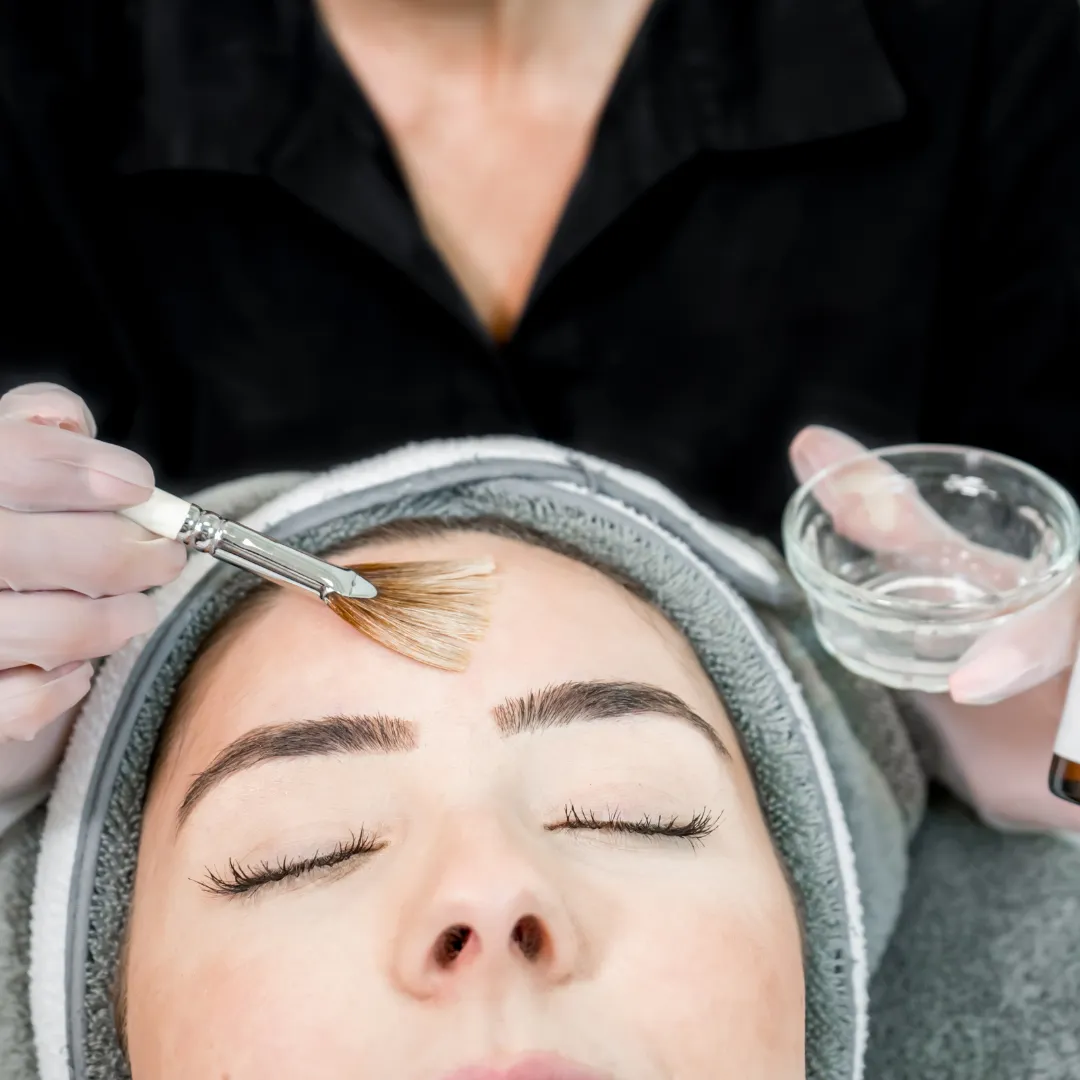
Chemical Peeling
Chemical peels improve selected surface and texture concerns by producing controlled exfoliation. Understand the different depths, how a peel is chosen and the care needed afterwards.
Read the guide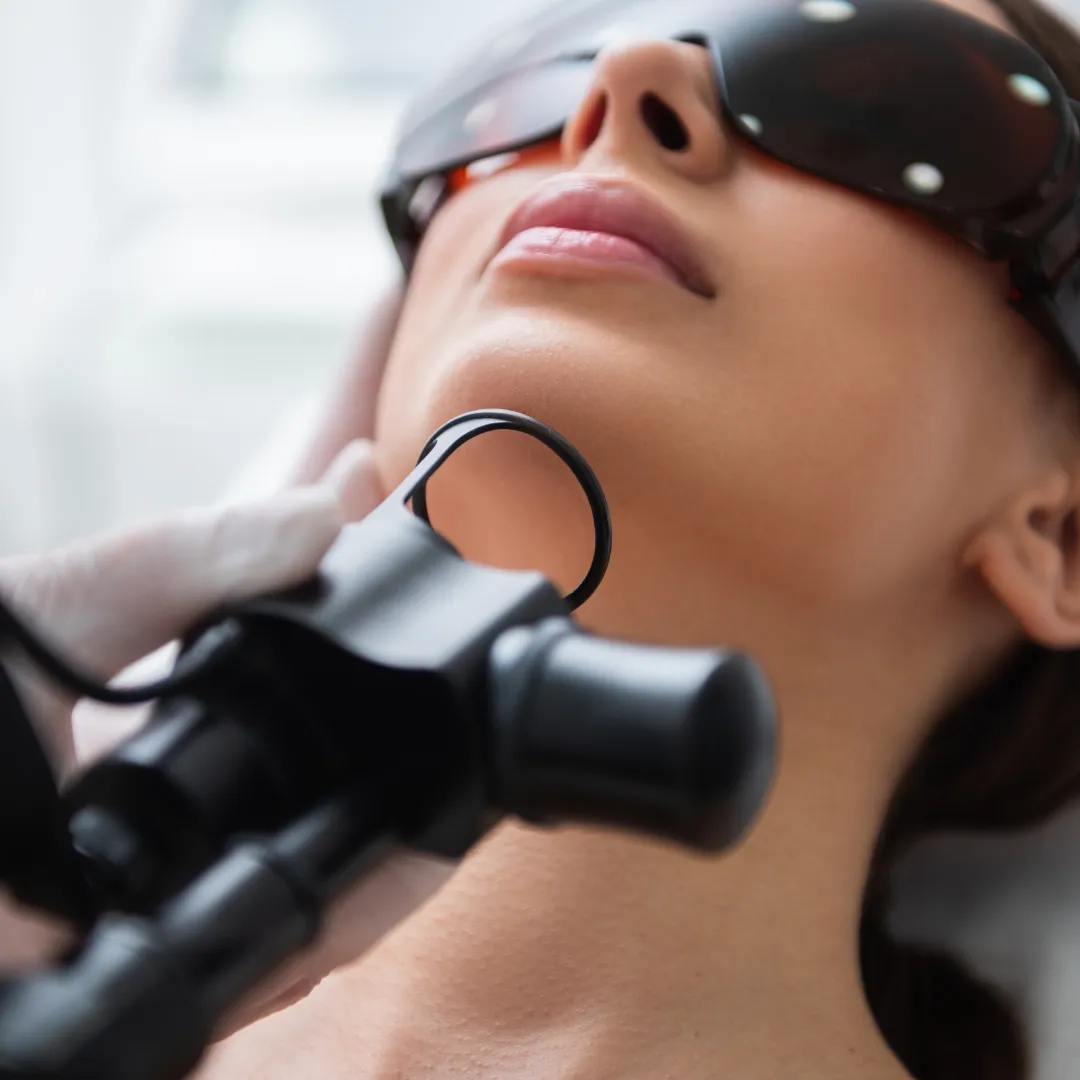
Fractional Co2 Laser Resurfacing
Fractional CO2 laser resurfacing improves selected scars and changes in skin texture through controlled resurfacing. Learn about assessment, treatment, healing and the results a course can achieve.
Read the guide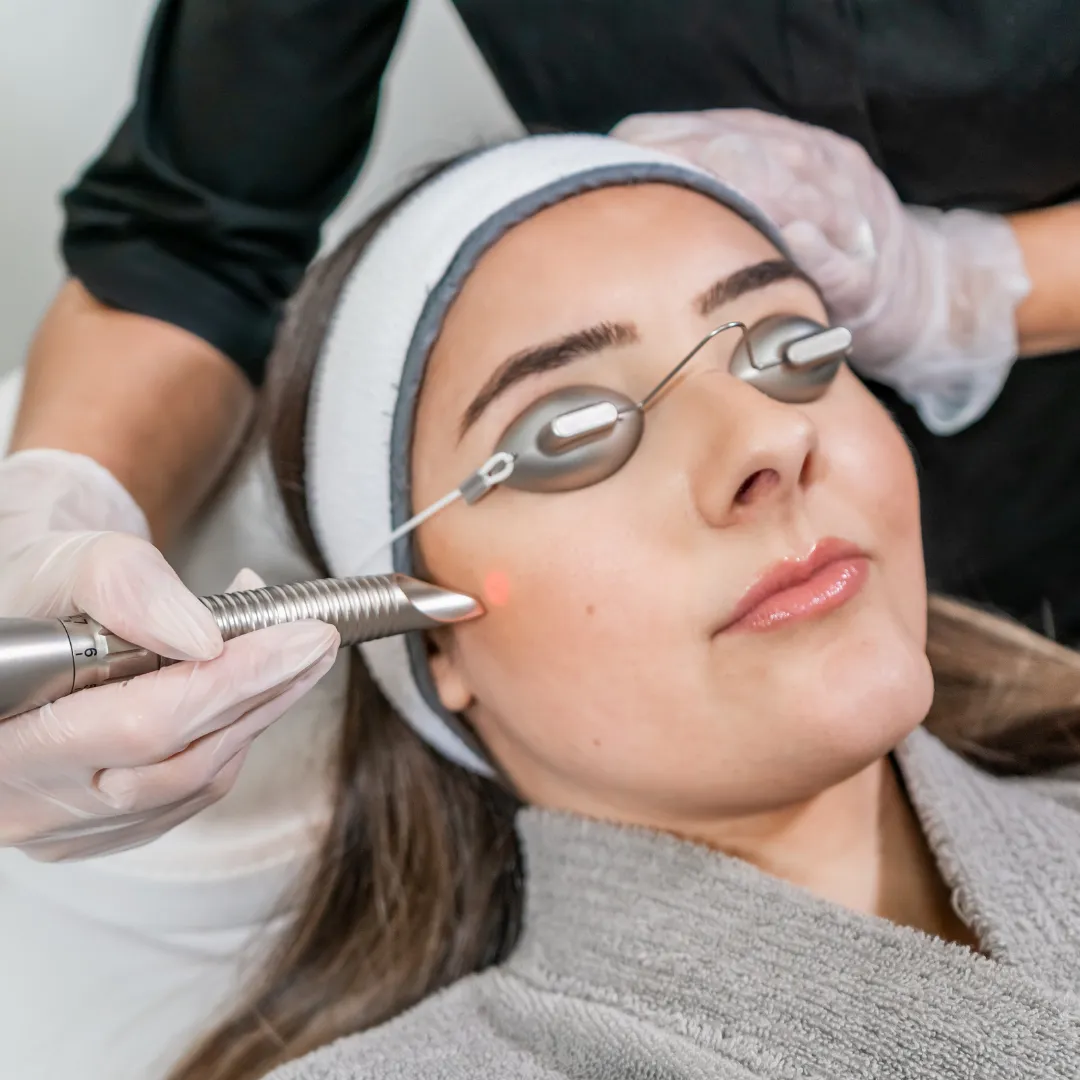
Photofacial
Photofacial treatments use light to address selected pigment changes and visible redness. Explore IPL, the skin features it targets and the factors that guide a treatment plan.
Read the guide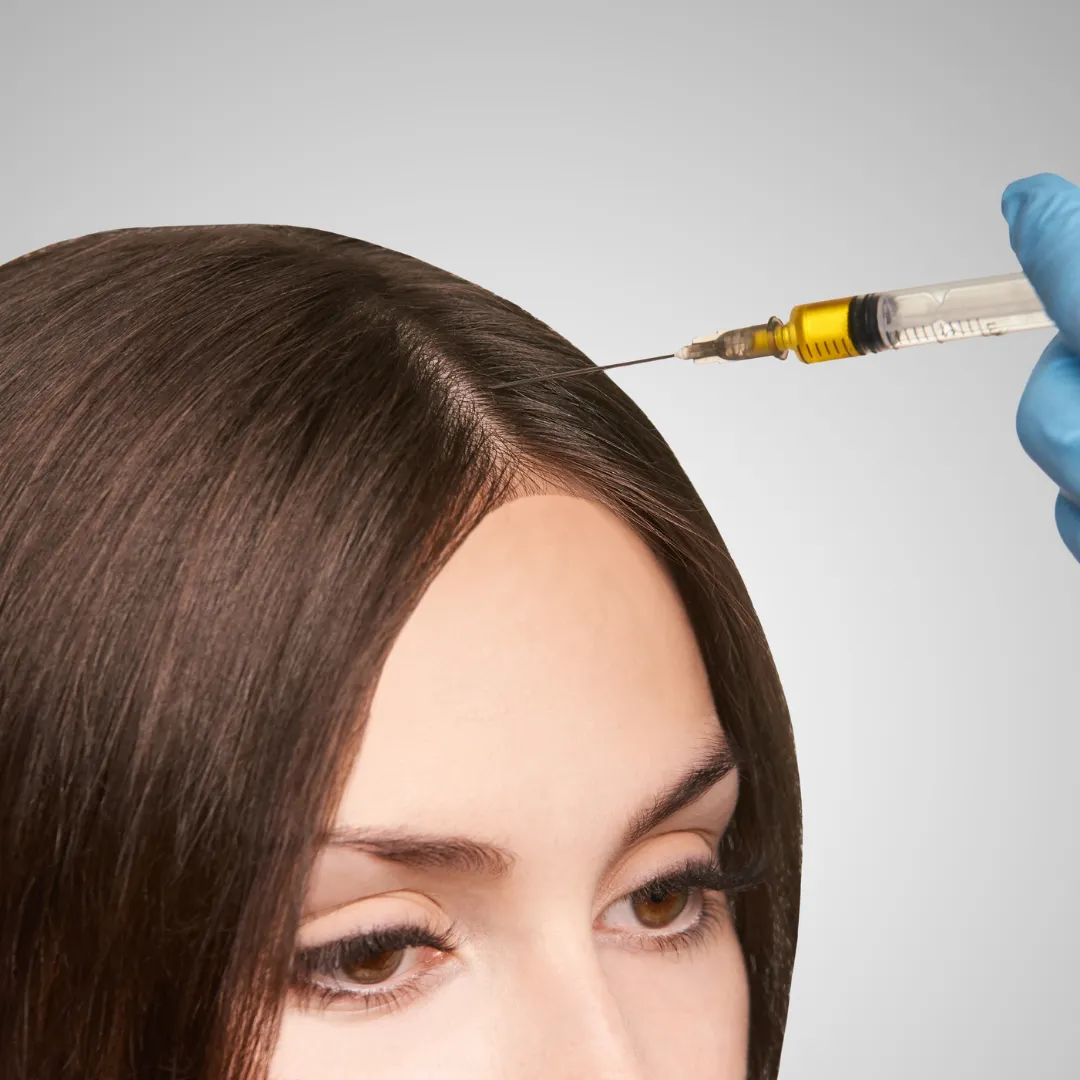
PRP (Platelet Rich Plasma)
PRP uses a concentrated preparation from your own blood in selected skin and hair procedures. Explore how it is prepared, where it is used and how results are assessed.
Read the guide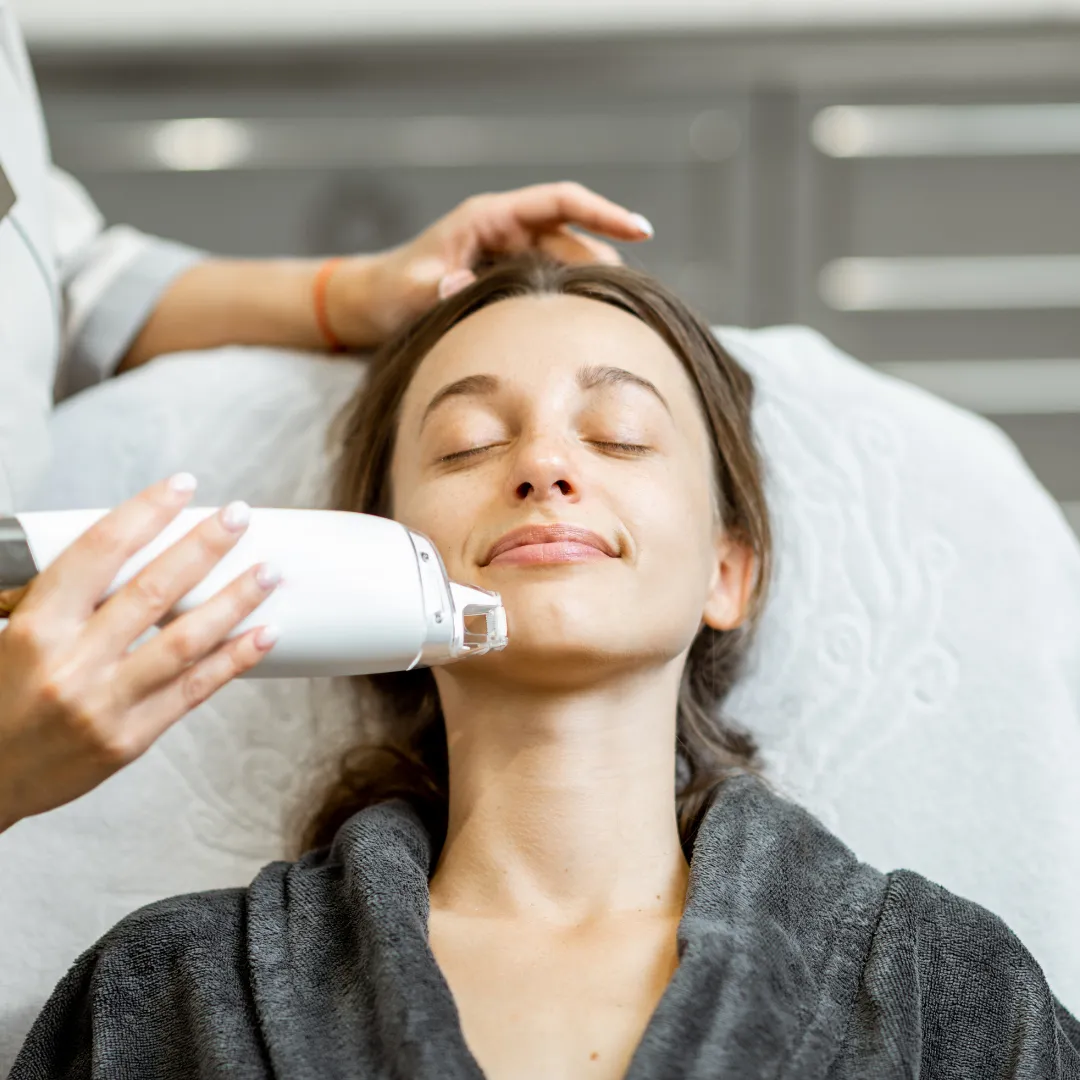
Q-switch laser
Q-switched lasers target selected pigments in the skin and tattoo ink. This guide explains how pigment treatment is chosen and why the diagnosis matters.
Read the guide
RF Microneedling (MNRF)
RF microneedling combines fine needles and radiofrequency energy to address selected scars and texture concerns. Learn about treatment depth, suitability, recovery and alternatives.
Read the guide
Skin Tightening (RF)
Radiofrequency treatment uses controlled heat to improve skin firmness. Explore the areas it can address, how sessions are planned and what influences the result.
Read the guideConcern guides
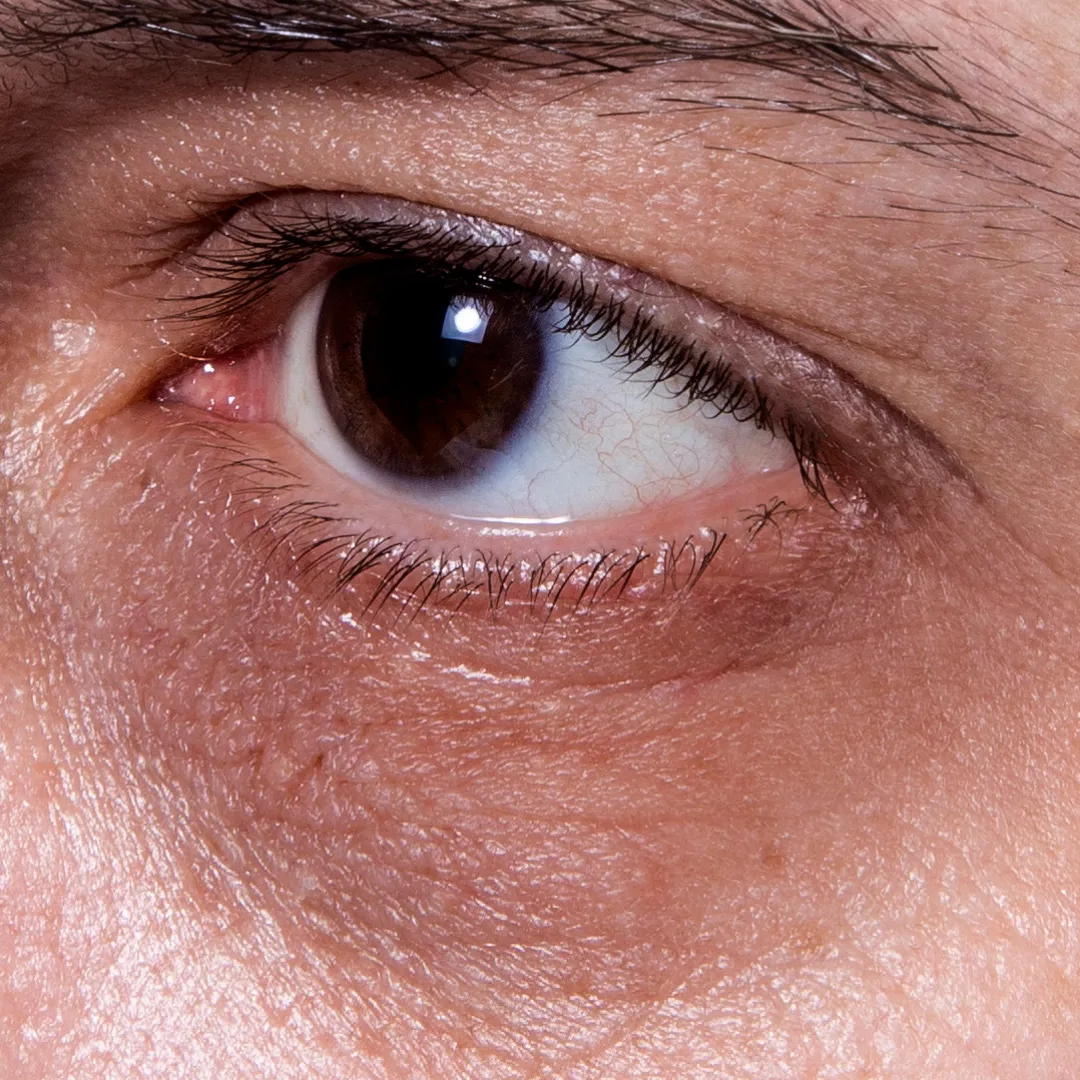
Dark circles
Dark circles describe a darker or shadowed appearance under the eyes. Pigment, visible vessels, puffiness and facial structure can each contribute.
Read the guide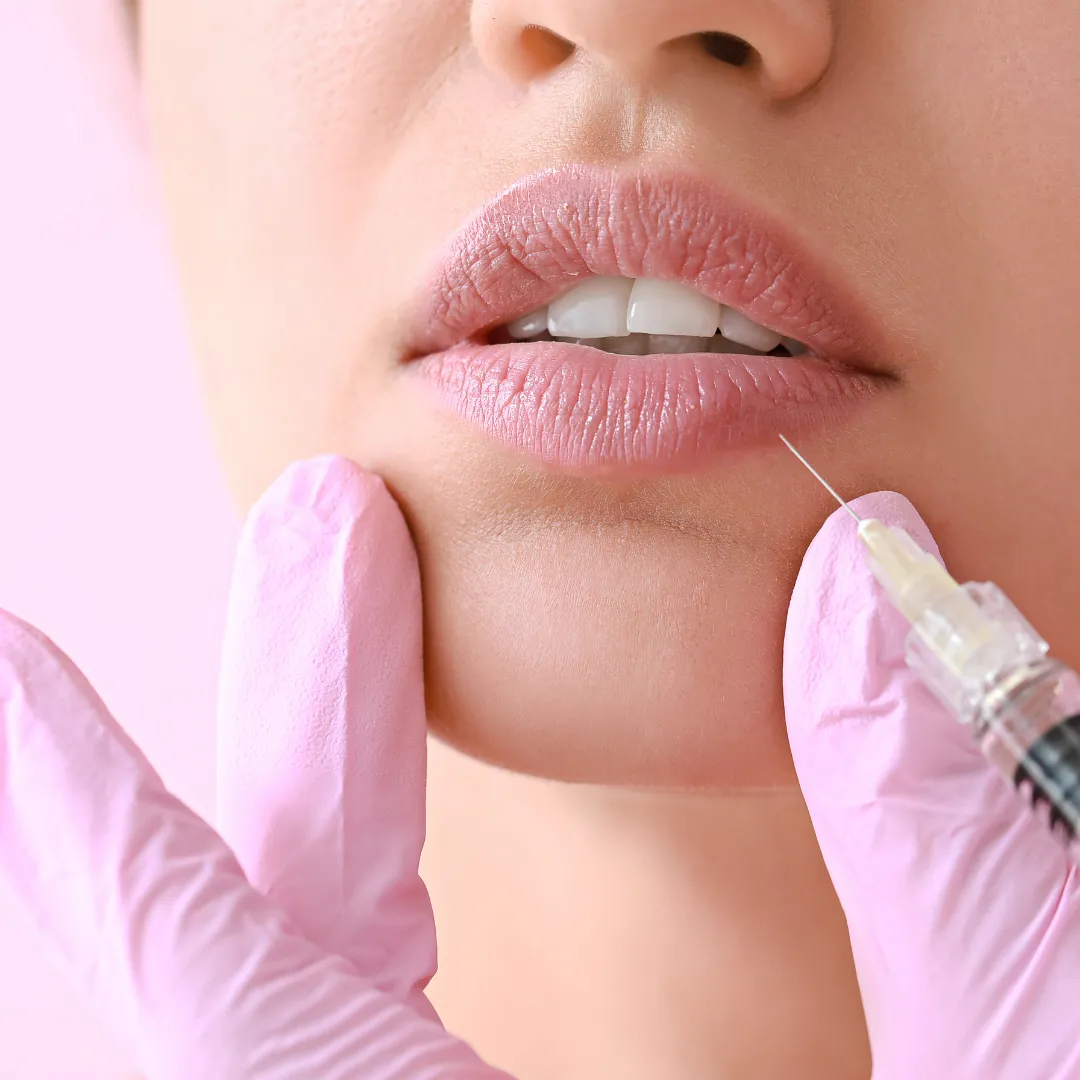
Lip augmentation
Lip augmentation is an aesthetic goal involving lip shape, definition or volume. It is not a disease, and a balanced result depends on the whole face rather than lip size alone.
Read the guide
Under eye bags
Under-eye bags are a puffy or prominent appearance beneath the eyes. They may reflect fluid, skin laxity or the position of underlying fat.
Read the guide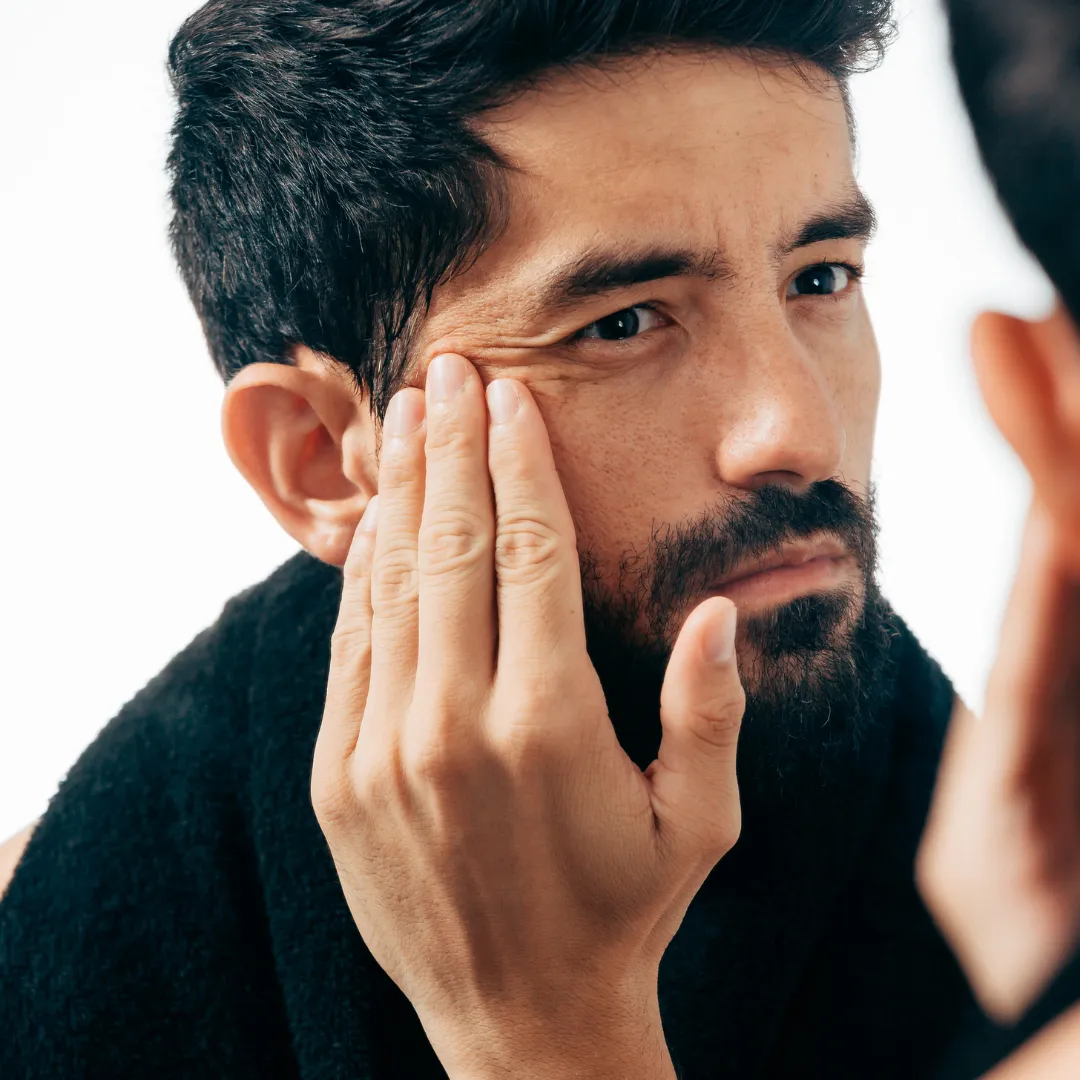
Wrinkles
Wrinkles are lines or folds that develop as skin changes with age, sun exposure and repeated facial movement. Some appear mainly with expression, while others remain when the face is at rest.
Read the guideCategory guides

Common questions
What is a dermal filler?
Dermal fillers are an injectable form of hyaluronic acid. They are inert and hence fill up the spaces under the skin where they are injected to impart volume or any other targeted function. They slowly dissolve themselves over time or can separately be dissolved earlier if required. Once dissolved, they are excreted from the body through normal metabolism.
Are dermal fillers permanent?
No, dermal fillers are semi-permanent and last anywhere between 6 to 18 months. The duration that they last depend upon the product used as well as the normal metabolism of the individual into which they are injected.
What are the different types of lip fillers?
Lip fillers mostly solve 3 purposes: Addition of volume, addition of hydration or skin lightening. For volume, there is a different kind of lip filler. For hydration, lightening and pinkness, there is a different kind. This depends on the formulation of the filler.
At what age can I start dermal fillers?
Although there is not prescribed age, we recommend that you do not start with fillers or any facial augmentation before the age of 18. Even your consent is not valid in case you are not an adult.
What should I understand before choosing dermal filler?
Assessment includes facial proportions, prior fillers, allergies, infection and the person's goals. An experienced medical injector should explain product-specific risks and realistic limits.
What results should I expect?
Swelling can obscure the early result, so final assessment is made after settling. Duration varies by product and site; permanent symmetry or a particular appearance cannot be guaranteed.
How do I compare this with other options?
Skincare, muscle-relaxing injections, resurfacing or surgery address different concerns. More volume is not always the right answer for sagging or ageing.
Further reading and references
Take the next step
Explore care in your city
For local specialists, clinic information and appointments, choose a city.

Mumbai
Explore local specialists, clinics and appointments in Mumbai.
Explore care
Thane
Explore local specialists, clinics and appointments in Thane.
Explore care
Navi Mumbai
Explore local specialists, clinics and appointments in Navi Mumbai.
Explore care
Hyderabad
Explore local specialists, clinics and appointments in Hyderabad.
Explore care
Jaipur
Explore local specialists, clinics and appointments in Jaipur.
Explore care