 SCIENTIFIC SKIN, HAIR & PERSONAL AESTHETICS
Concern guides
Hair loss: understanding the concern and care options
Hair loss may involve extra shedding, gradual thinning, patches or changes to the hairline. Identifying the pattern is the first useful step because these presentations have different causes.
SkinGenious editorial team
Explore the guide ↓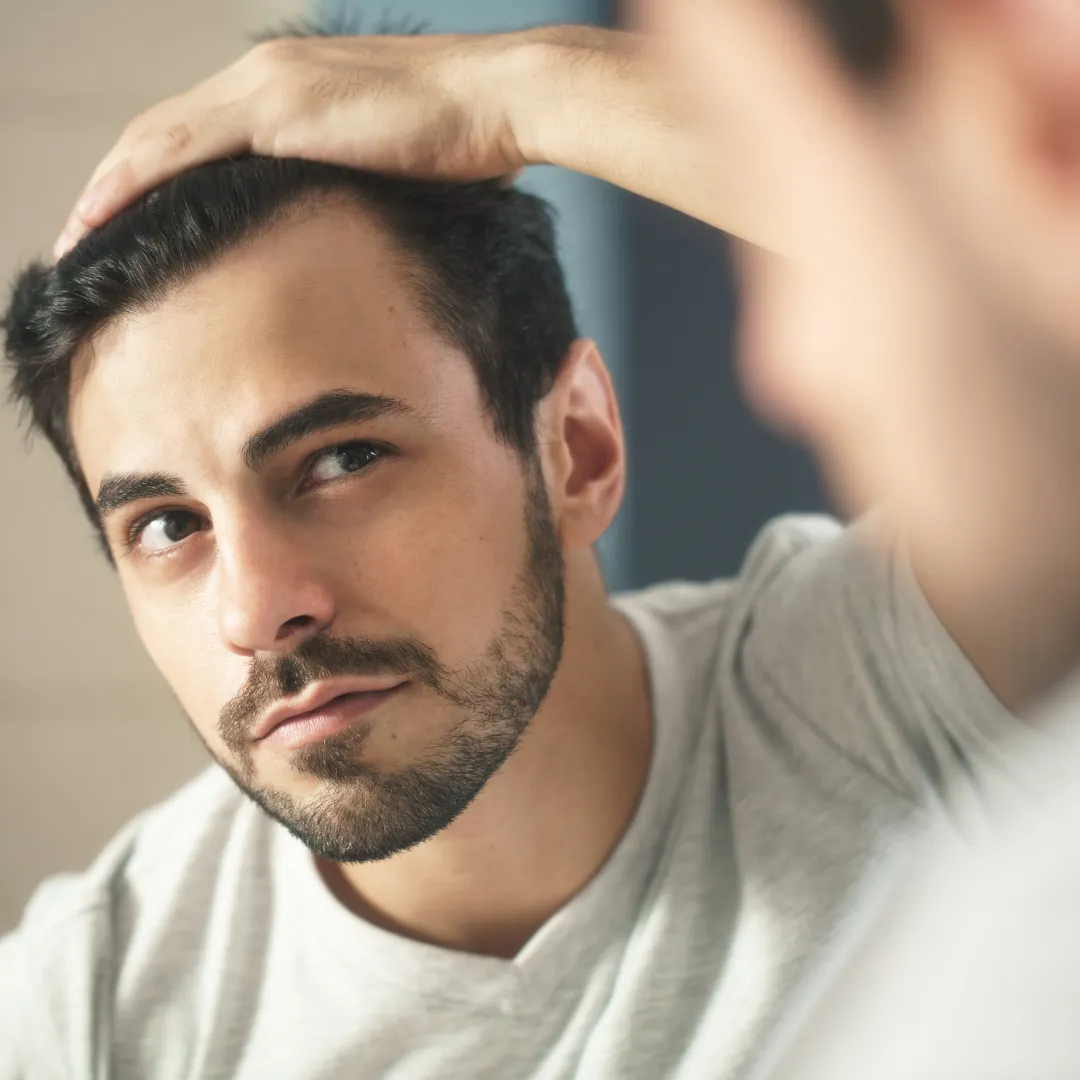
Understanding the concern
Hair loss can be caused by a myriad of factors, from emotional stress causing telogen effluvium to tieing hair tightly causing traction alopecia and also popular chemical hair treatments among others. The first step in resolving a hair loss concern is for your dermatologist to diagnose the condition and suggest remedial measures accordingly.
The major causes of hair loss are:
- Heredity, which is seen as male pattern or female pattern baldness. This happens gradually and in predictable patterns in most cases. While males tend to have different patterns, female pattern baldness generally starts from the crown of the scalp
- Telogen effluvium, which is a temporary form of hair loss that usually happens after a shock or a stressful/traumatic event.
- Hormonal changes and medical conditions, which could occur due to pregnancy, menopause or thyroid issues
- Some medications and supplements could have hair loss as a side effect
- Traction alopecia is often caused by excessive hairstyling etc. which pulls the hair. Certain unscientific treatments at salons could also lead to hair fall
Hair loss may involve extra shedding, gradual thinning, patches or changes to the hairline. Identifying the pattern is the first useful step because these presentations have different causes.
Causes and contributing factors
Hereditary pattern loss, illness, stress-related shedding, medicines, nutritional problems and inflammatory scalp disorders can contribute. Several factors may coexist.
How it is assessed
The clinician examines the scalp and hair, reviews timing and health history, and may use magnified examination or selected tests. A scalp biopsy is needed only in some cases.
When to seek medical advice
Seek early advice for patchy loss, pain, scaling, inflammation or shiny scar-like areas. Sudden shedding with other health symptoms also deserves assessment.
Treatment and management options
A plan may include treating the cause, topical or oral medicine, scalp care, selected procedures or transplantation for suitable stable patterns. Treatment should match the diagnosis.
Exosome treatment for hair ↗
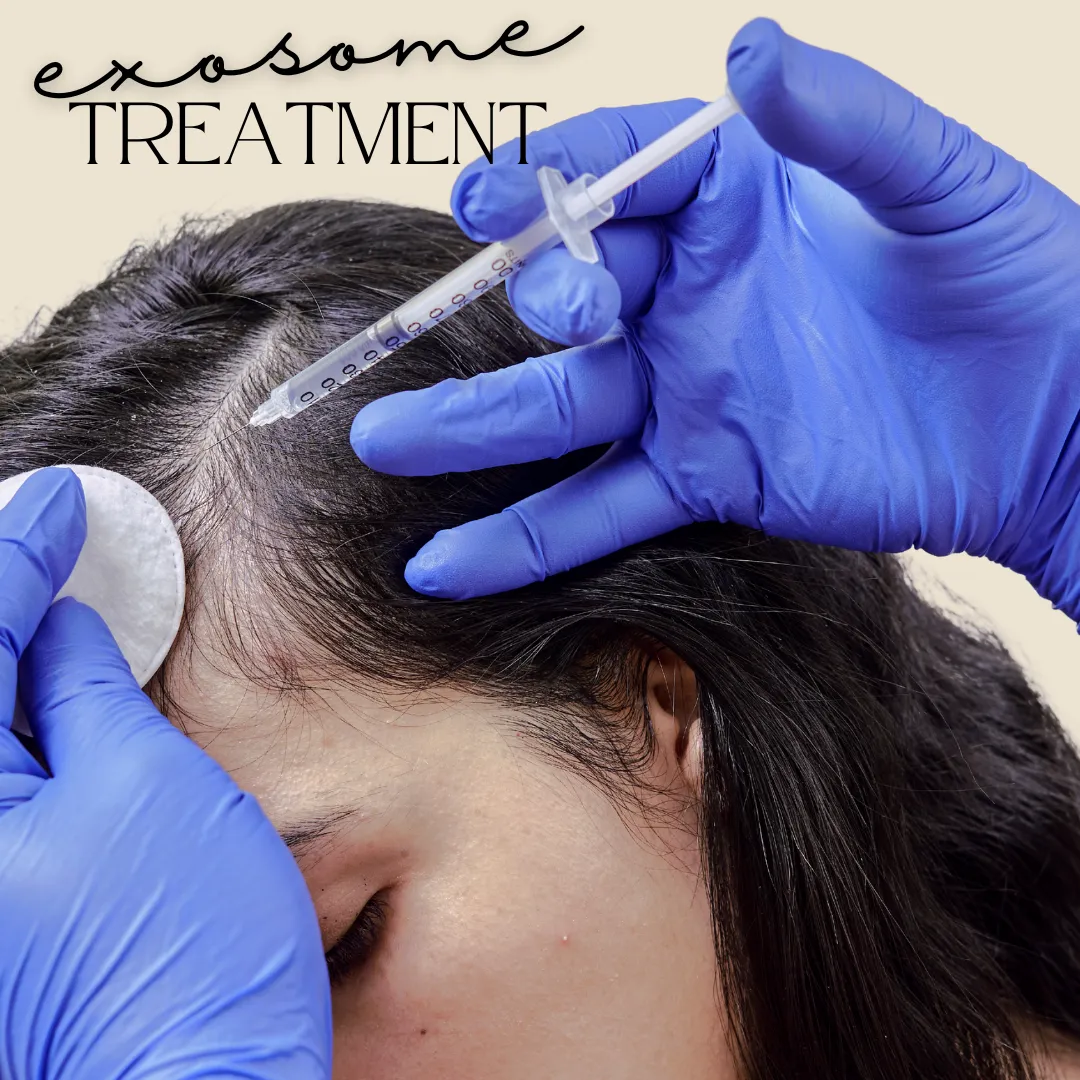
Exosomes are extracellular vesicles of stem cells that contain protein, growth factors and certain genetic material. Injecting exosomes in the scalp helps, improves the scalp health, promotes hair follicle stimulation and thereby promotes thicker and healthier hair growth. The treatment often requires 2 sessions to see the best results. The treatment delivers potent growth signals to the hair follicle thereby stimulating hair re-growth in various stages of hair loss. It also stimulates collagen production and improves blood circulation, promoting a healthier scalp. Studies have also shown that Exosomes block the effects of DHT (dihydrotestosterone) on the follicles, which is a mail sex hormone that leads to androgenic alopecia.
Hair transplant ↗
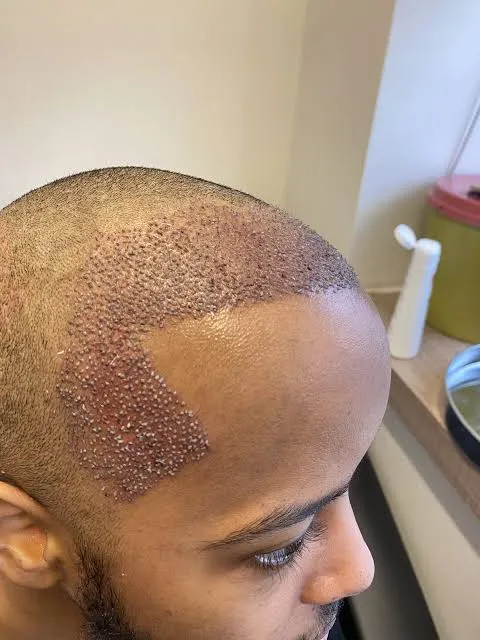
Hair transplant surgery moves healthy hair follicles to thinning or bald areas of the scalp. Explore FUE hair restoration with SkinGenious, with an individual assessment of donor hair, hairline design, recovery and realistic results.

Mesotherapy ↗
The word mesotherapy comes from the fact that in this treatment we target the ‘mesoderm’, a middle layer of the skin. Hair follicles develop from the ectoderm and mesoderm so the principle is that injecting the right ingredients in this layer makes them more effective. There is no specific formula of what gets injected in the treatment and there are many variants available. However, at our clinics we use what our specialists have found to be the most effective, which is a mixture of certain peptides and vitamins and in some cases medications like finasteride and minoxidil. The correct ingredients once injected in the right area, deliver nutrients to the hair, improve blood circulation and hence the delivery of growth factors. This in turn helps in the reactivation of dormant hair follicles and thereby is seen as regrowth of hair. It works for both men and women. However, a single session will not provide desired results. You will need multiple sessions.
PRP hair treatment ↗
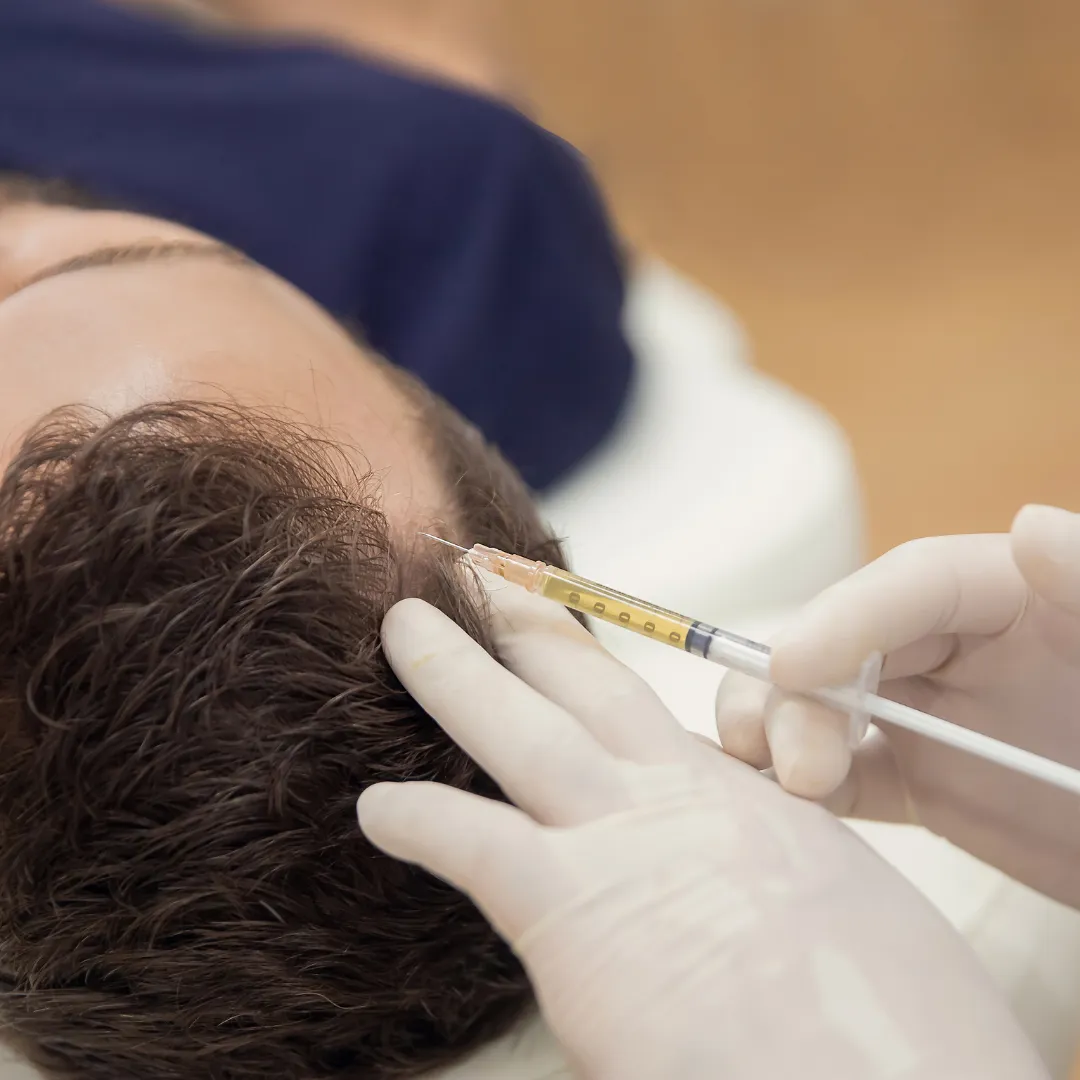
Platelet rich plasma therapy involves the use of platelets and growth factors from your own blood to help hair follicles that are inactive to move back into the growth phase. Your blood is drawn in a syringe and then centrifuged. This process helps extract plasma that is rich in platelets and growth factors. The plasma is then loaded in a syringe and injected into target areas of the scalp.
Unlike a hair transplant, there is no addition of follicles in the target area in PRP. It helps in reactivation of dormant hair follicles. PRP treatment is not ideal for: Late stage baldness or Complete baldness. It works best on: Early stages of hair thinning in both men and women. It Works on hereditary as well as traction alopecia as long as they are not late stage. PRP is not a substitute for hair transplantation. It is ideal for hair regrowth in cases where people haven’t reached a stage where they necessarily need a hair transplant. It works for both men and women. However, a single session will not provide desired results. You will need multiple sessions.
What improvement can look like
Hair growth changes slowly. Some conditions can recover, others need ongoing treatment, and scarring disorders may leave permanent loss where follicles have been destroyed.
Exosome treatment for hair for Hair loss
Exosome treatment is highly effective for early and middle stages of hair loss. It is the best alternative currently available as long as the hair follicle is not dead.
PRP hair treatment for Hair loss
PRP is quite effective for early stages of hair loss with live but dormant hair follicles are still present. For advanced hair loss, transplants are the suggested line of treatment.
Mesotherapy for Hair loss
Mesotherapy would therefore become the ideal choice in case: You are an ideal candidate and the specialist feels that it could provide you desired results You are averse to the idea of drawing your blood Your budget for improvement is lower than that required for PRP treatment.
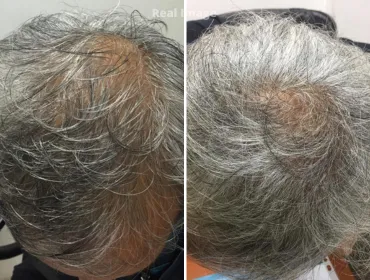
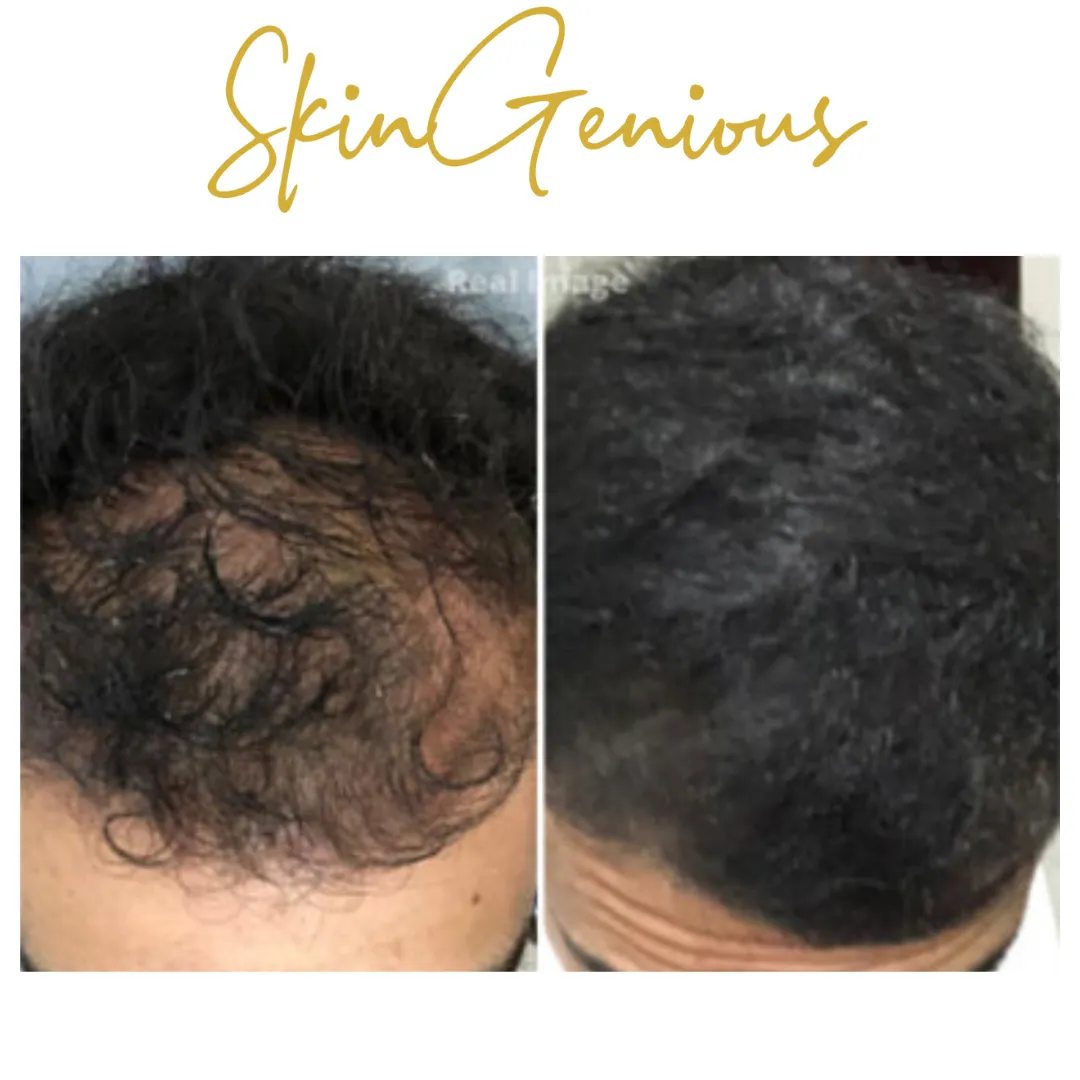
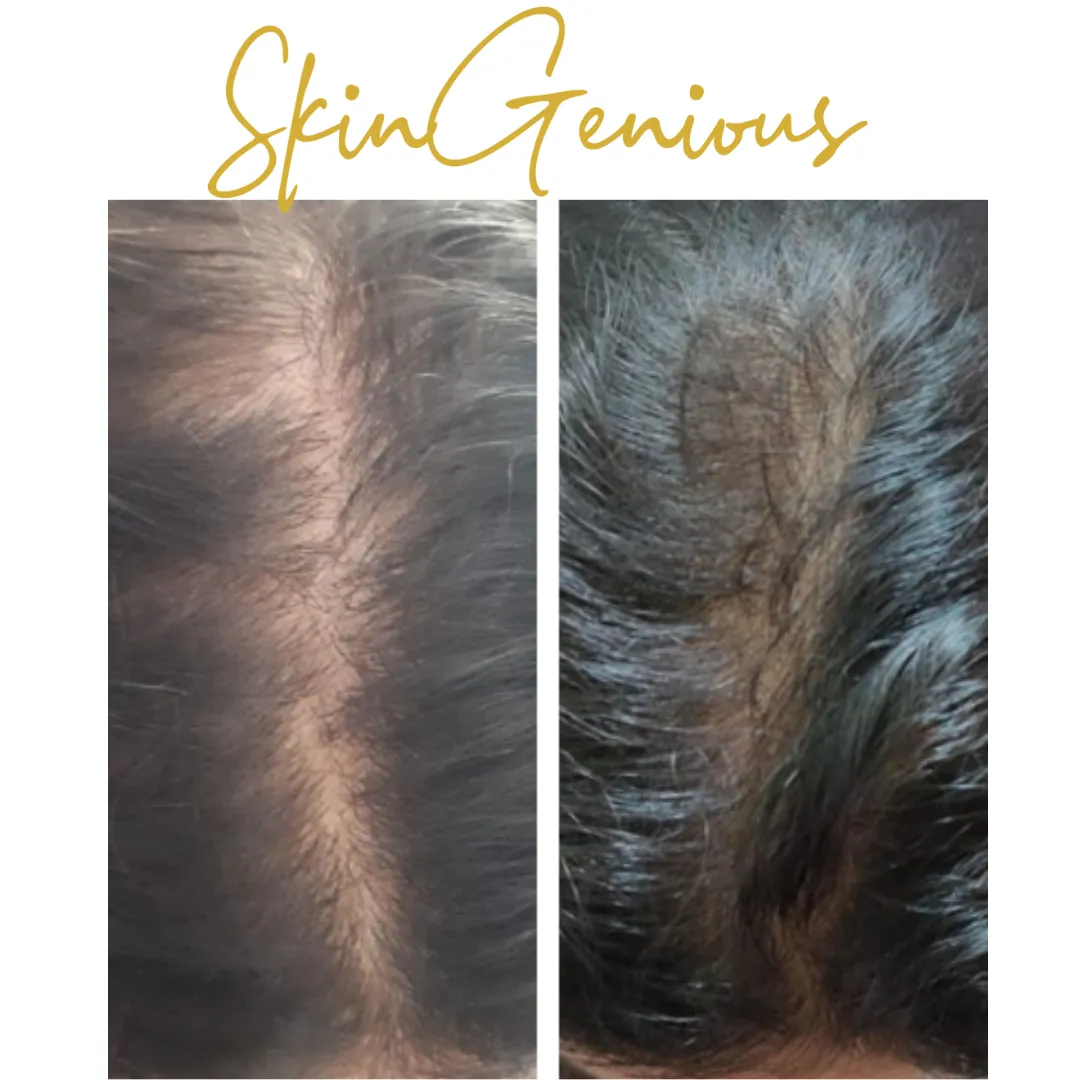
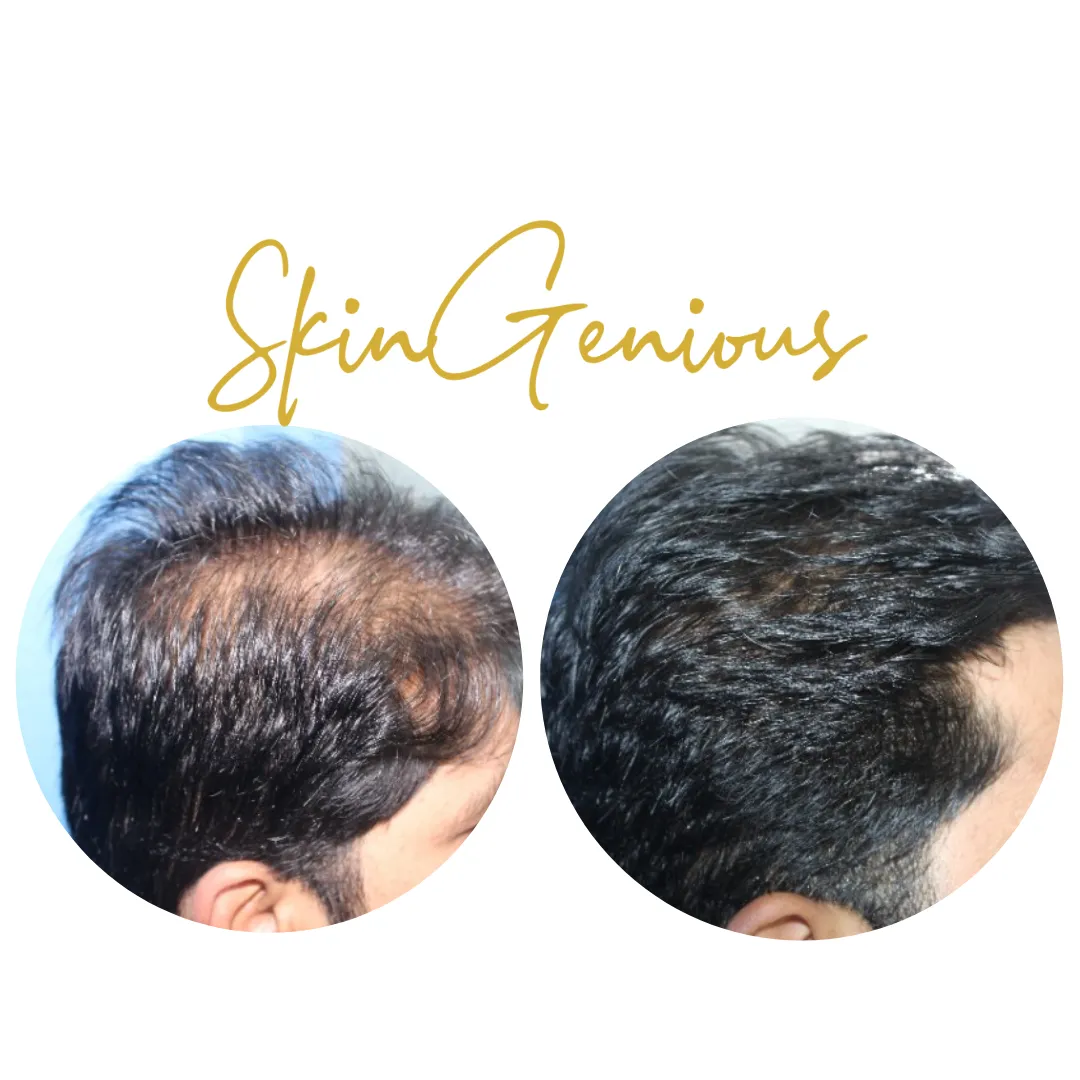
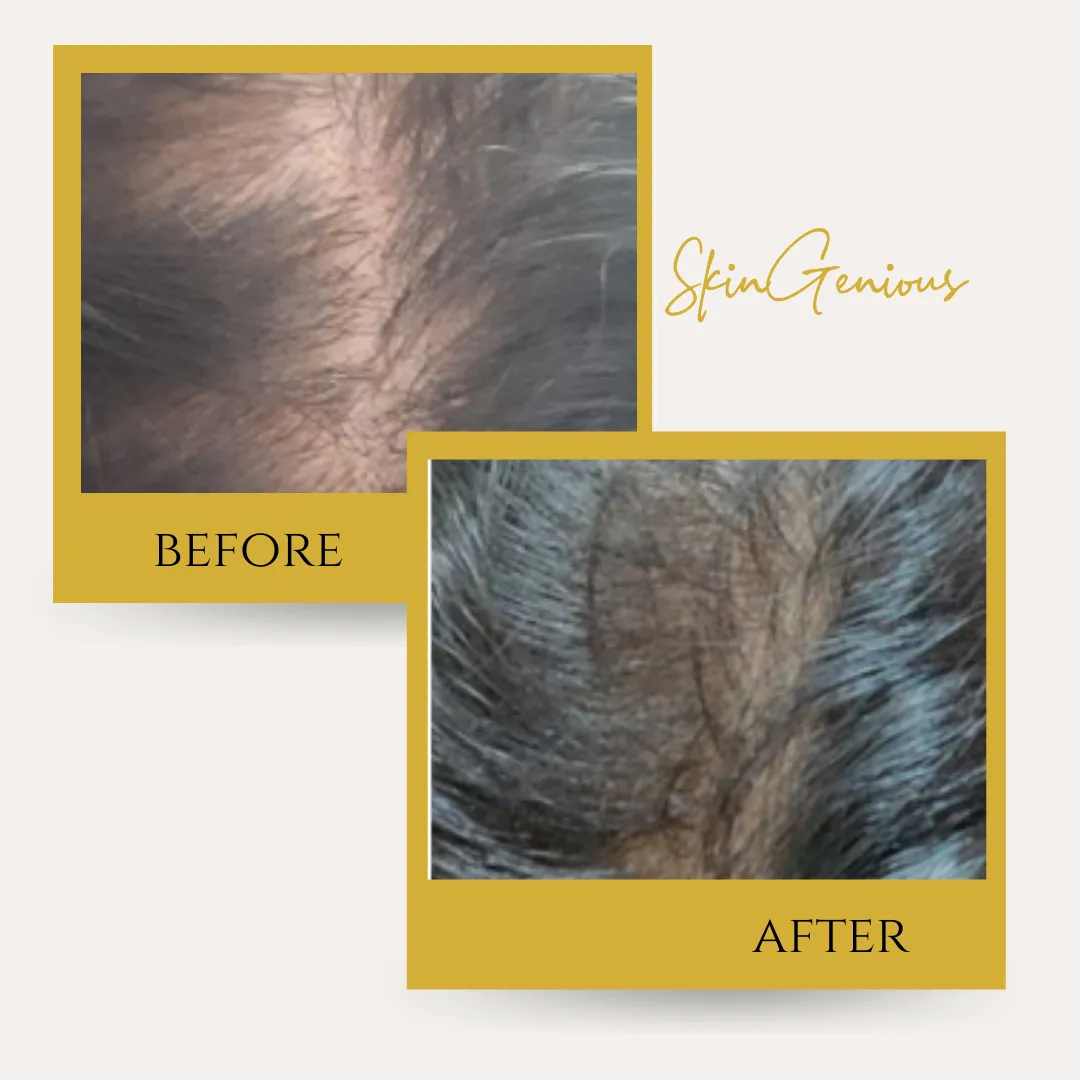
Before and after results
These photographs come from the existing treatment and concern records. They illustrate individual outcomes. Your starting point, treatment plan and healing response affect your own result.
Understanding your treatment choices
Hair loss is a description of what you see, not a single diagnosis. Gradual patterned thinning, sudden shedding, round patches and areas with pain or scaling point towards different possibilities. The timing, family history, medicines and changes in health all help narrow the cause.
Your dermatologist may examine the scalp closely and recommend tests when the history suggests a deficiency, hormonal issue or another medical cause. Tests are chosen to answer a question rather than because every person needs the same panel. Photographs and scalp examination can provide a baseline for follow-up.
Medical treatments, PRP and transplantation have different roles. A treatment aimed at preserving or improving existing follicles is different from moving follicles to an area of established loss. A transplant also needs a suitable donor area and a plan for future thinning. Scalp inflammation may need to be controlled before a cosmetic procedure is considered.
Ask what improvement would mean for your diagnosis: reduced shedding, better density, a wider-looking hair shaft or restoring coverage in a defined area. Hair growth takes time, so consistency matters. New scalp pain, inflammation or smooth areas where follicles appear absent should be reviewed promptly rather than waiting through a long cosmetic treatment course.
Everyday care and prevention
Avoid tight hairstyles and harsh handling. A balanced diet and appropriate scalp care help, but supplements are not a substitute for identifying a deficiency or disease.
Explore related guides
Continue exploring the treatments, concerns and categories connected with this topic.
Treatment guides
Exosome treatment for hair
Exosome-based treatments are being studied for their potential role in hair growth. Explore the proposed mechanism, current evidence and how they differ from established hair-loss treatments.
Read the guideHair transplant
Hair transplantation moves follicles from a donor area to selected areas of thinning. Learn about planning, the surgical stages, recovery and the factors that shape long-term density.
Read the guideMesotherapy
Mesotherapy uses small injections to deliver a specified preparation into selected areas. Understand why the ingredients and purpose matter more than the treatment name alone.
Read the guidePRP hair treatment
PRP hair treatment uses a preparation from your own blood to support selected hair-loss care plans. Learn how the diagnosis, scalp assessment and treatment course influence the result.
Read the guideCategory guides
Common questions
Can men and women both suffer from hair loss?
Yes, hair loss can occur with either gender and has multiple causes.
What are the most effective non-surgical hair loss treatments?
The most commonly used lines of approach to hair loss include medications. Mesotherapy and platelet-rich plasma treatment.
How is the right care plan chosen?
The clinician examines the scalp and hair, reviews timing and health history, and may use magnified examination or selected tests. A scalp biopsy is needed only in some cases.
What can I do as part of everyday care?
Avoid tight hairstyles and harsh handling. A balanced diet and appropriate scalp care help, but supplements are not a substitute for identifying a deficiency or disease.
When should I get advice?
Seek early advice for patchy loss, pain, scaling, inflammation or shiny scar-like areas. Sudden shedding with other health symptoms also deserves assessment.
Further reading and references
Take the next step
Explore care in your city
For local specialists, clinic information and appointments, choose a city.

Mumbai
Explore local specialists, clinics and appointments in Mumbai.
Explore care
Thane
Explore local specialists, clinics and appointments in Thane.
Explore care
Navi Mumbai
Explore local specialists, clinics and appointments in Navi Mumbai.
Explore care
Hyderabad
Explore local specialists, clinics and appointments in Hyderabad.
Explore care
Jaipur
Explore local specialists, clinics and appointments in Jaipur.
Explore care