 SCIENTIFIC SKIN, HAIR & PERSONAL AESTHETICS
Treatment guides
Hair transplant: how it works, suitability and aftercare
Hair transplantation moves follicles from a donor area to selected areas of thinning. Learn about planning, the surgical stages, recovery and the factors that shape long-term density.
SkinGenious editorial team
Explore the guide ↓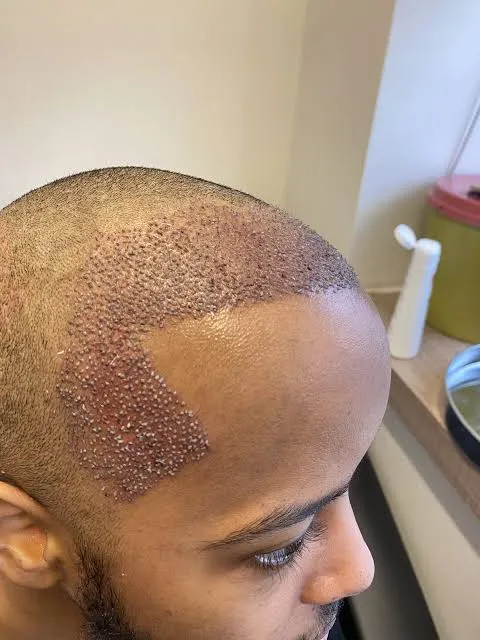
Understanding the treatment
Hair transplant surgery moves healthy hair follicles to thinning or bald areas of the scalp. Explore FUE hair restoration with SkinGenious, with an individual assessment of donor hair, hairline design, recovery and realistic results.
Considering a hair transplant for a receding hairline or thinning crown? The first step is finding out why you are losing hair. Hair transplantation may suit people with established pattern hair loss and enough healthy donor hair. It is not the right option for every type of hair loss. Follicular unit extraction, or FUE, removes individual follicular units from a donor area, usually at the back or sides of the scalp. The surgeon places these grafts into carefully planned recipient sites. FUT uses a strip of hair-bearing scalp instead. Your surgeon should explain the method, likely scarring and expected coverage before you decide. At a SkinGenious hair restoration consultation, discuss your hair loss history, donor supply and long-term goals. Ask who will perform the surgery, what follow-up is included and whether treatment for ongoing hair loss is also needed. A personalised plan matters more than a headline graft count.
Hair transplantation is surgery that moves follicles from a donor area to selected areas of thinning. It redistributes existing hair and does not stop the underlying process of future hair loss.
How it works
Growth develops gradually. Transplanted hairs commonly shed before new growth appears. Visible improvement takes several months, and the final appearance may take a year or longer. Density depends on donor supply, graft survival and the extent of hair loss. Surgery redistributes existing follicles rather than creating new ones. Untreated surrounding hair can continue to thin, so ongoing care or further treatment may be needed.
Follicular units are taken from a donor region using a selected harvesting method and placed into recipient sites. Donor quality and long-term planning are central to the result.
Suitability and assessment
The cause and stability of hair loss, donor supply, scalp health and future progression require assessment. Some scarring or inflammatory forms of hair loss are unsuitable until addressed.
What happens during treatment
Consultation and planning are followed by anaesthesia, graft harvesting, recipient-site preparation and graft placement. The surgical team should explain who performs each stage and how grafts are handled.
Consultation and hairline planning
The surgeon assesses the cause and pattern of hair loss, examines donor hair and agrees a realistic hairline and coverage plan with you.
Donor preparation and anaesthesia
The planned donor and recipient areas are prepared. Local anaesthetic is given, and the surgeon checks that the scalp is numb before starting.
Graft collection
For FUE, individual follicular units are collected from the donor area. Grafts are handled carefully while the team prepares them for placement.
Graft placement
The surgeon creates recipient sites and places grafts with attention to hair direction, spacing and the agreed design. The number of grafts depends on the individual plan.
Recovery and follow-up
Before leaving, you receive personalised graft-care instructions and a follow-up plan. Healing is checked first, while hair growth is assessed over the following months.
Results and limitations
Growth develops gradually over many months, with early shedding commonly discussed in the recovery plan. Density is limited by donor supply, and a second procedure is not automatically appropriate.
Risks and recovery
Bleeding, infection, swelling, scarring, altered sensation and poor growth are possible. An unnatural hairline or over-harvesting can create lasting problems.
Temporary swelling, tenderness and scabbing can occur. Both FUE and FUT leave scars, although their pattern differs. Surgical risks include bleeding, infection, anaesthetic reactions, poor graft growth and an uneven or disappointing result. Some people need another procedure. Discuss your personal risks, the surgeon’s experience and the clinic’s arrangements for complications before consenting.
Preparing for treatment
Bring details of previous procedures, medicines, allergies and any change in your health. Ask which skincare products or activities need adjusting before the appointment. Do not stop prescribed medicines without advice.
Any change to prescribed medicines, including blood thinners, must be agreed with the prescribing clinician.
Share your medical history, medicines, supplements, allergies and previous hair treatments. Ask whether your hair loss is stable and whether your donor area can provide the coverage you want. Request a written plan explaining technique, estimated grafts, total cost and follow-up. Follow the surgeon’s instructions about smoking, alcohol and preparation. Do not stop prescribed medicine without the prescribing clinician’s advice.
Aftercare
Follow your surgeon’s washing and graft-care instructions. Avoid rubbing, scratching or picking the treated scalp, and return to work and exercise only as advised. Attend follow-up appointments so healing and growth can be checked. Contact the clinic promptly for severe or increasing pain, spreading redness, discharge, fever or unexpected bleeding.
Follow the surgeon's instructions on washing, sleeping position, activity and medicines. Contact the surgical team for increasing pain, discharge, fever or unusual skin changes.
Alternatives to consider
Medical treatment, camouflage and accepting the current hair pattern are valid alternatives. Medication may still be relevant to protect non-transplanted hair.
Planning treatment and maintenance
Hair transplantation moves follicles from a donor area to areas of thinning or baldness. The donor supply is finite, so planning needs to consider both the change you want now and how the surrounding hair may change over time. A natural hairline and a realistic density plan are usually more useful goals than the largest possible graft number.
FUE and FUT describe different ways of obtaining donor follicles. FUE removes individual follicular units, while FUT takes a strip from which units are prepared. The surgeon will explain suitability, scarring and donor-area considerations. Neither term on its own tells you the quality of the hairline design, graft handling or overall care.
Assessment includes the pattern and stability of hair loss, donor density, scalp health and previous procedures. Some people benefit from medical treatment before or alongside surgery to protect existing hair. A transplant does not stop ongoing thinning in untreated follicles.
Plan for recovery, postoperative washing and follow-up before the procedure. Transplanted hairs can shed before new growth develops, and the visible result takes months to mature. Ask who performs the key surgical steps, how the donor area will be managed and what support is available afterwards. If future loss continues, a conservative design leaves more options than an aggressive hairline that uses the donor supply early.
What affects the cost
The area treated, the product or device, the treatment plan and the number of sessions influence the total. A useful estimate explains what is included, what follow-up involves and whether maintenance is likely. City pages provide the local service information.
Explore related guides
Continue exploring the treatments, concerns and categories connected with this topic.
Treatment guides
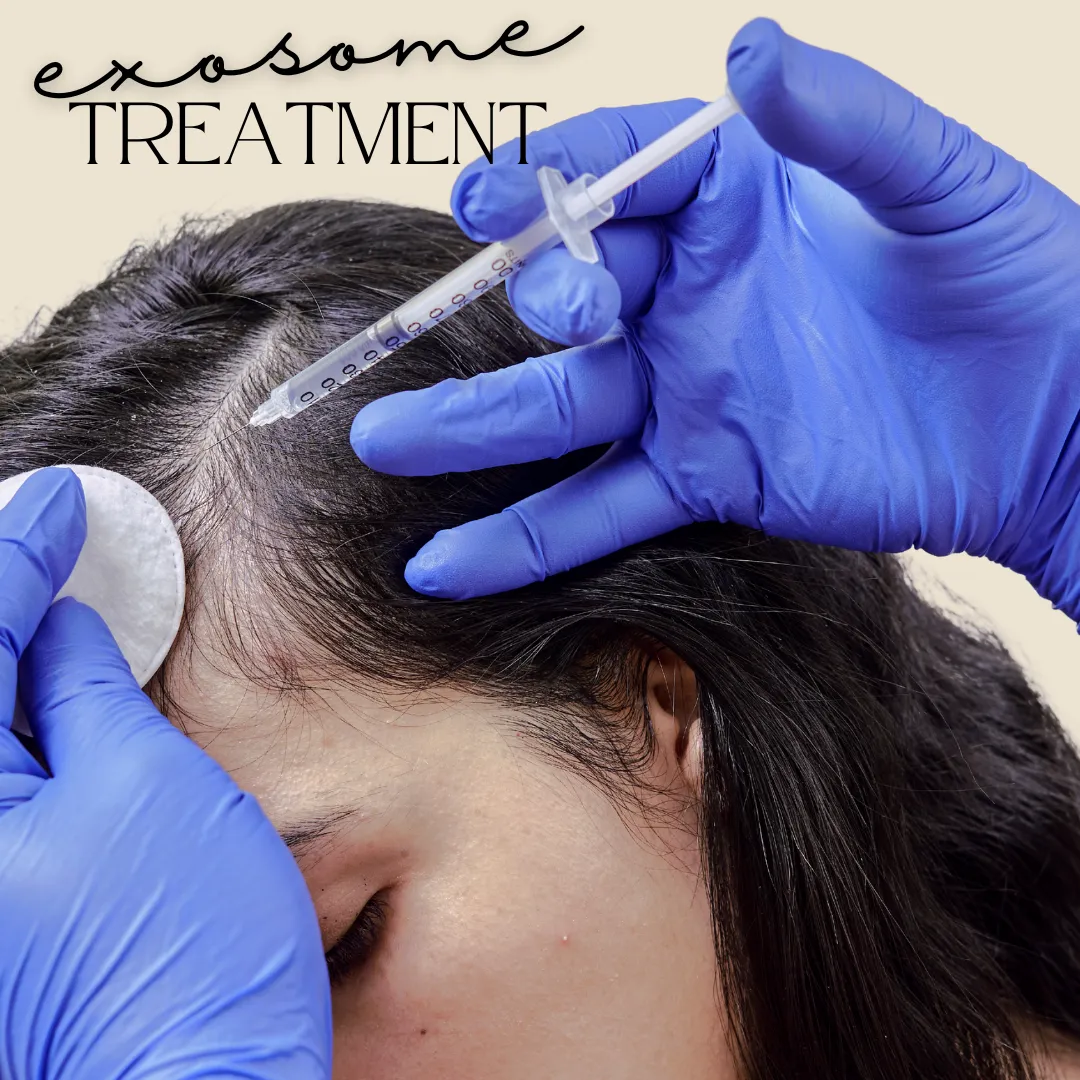
Exosome treatment for hair
Exosome-based treatments are being studied for their potential role in hair growth. Explore the proposed mechanism, current evidence and how they differ from established hair-loss treatments.
Read the guide
Mesotherapy
Mesotherapy uses small injections to deliver a specified preparation into selected areas. Understand why the ingredients and purpose matter more than the treatment name alone.
Read the guide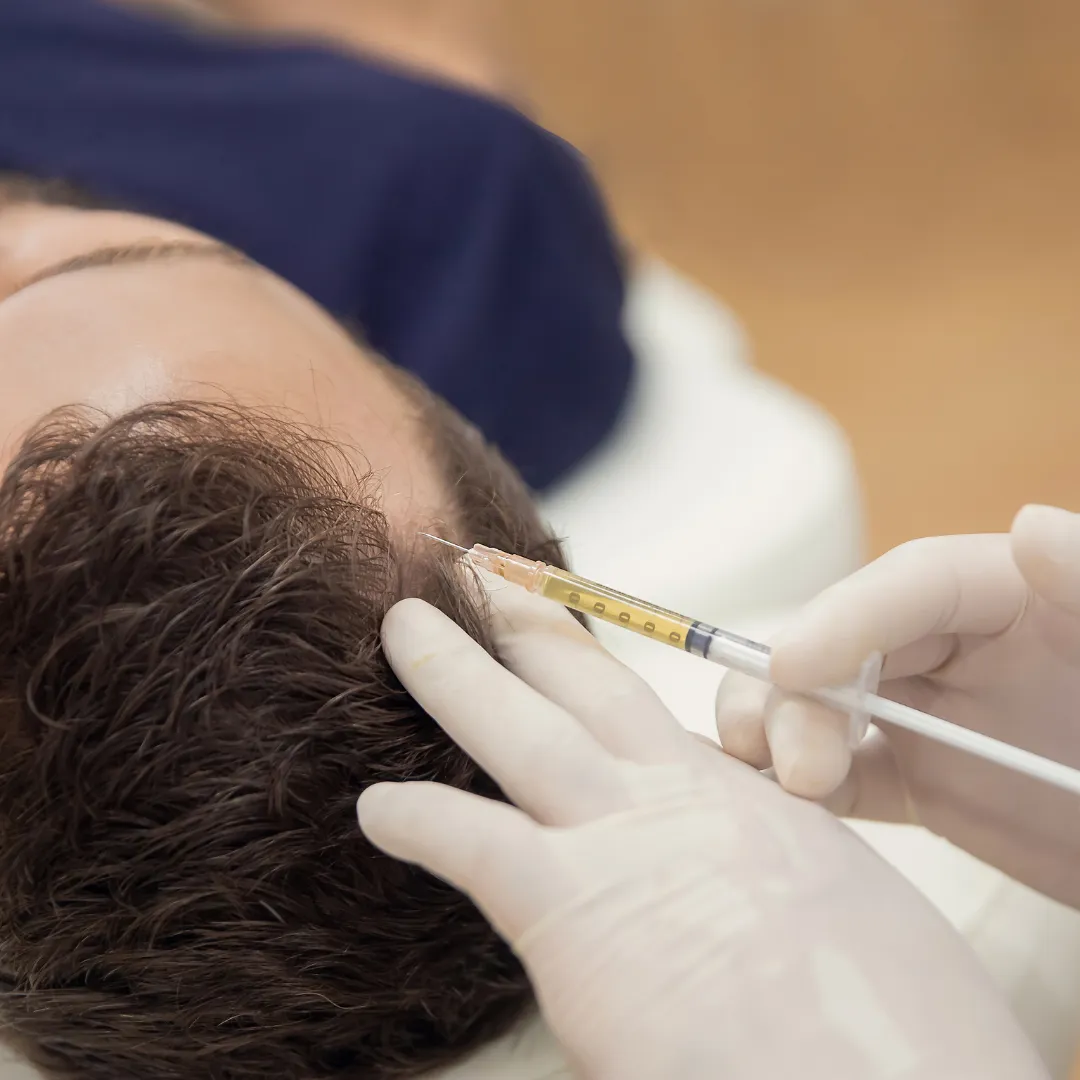
PRP hair treatment
PRP hair treatment uses a preparation from your own blood to support selected hair-loss care plans. Learn how the diagnosis, scalp assessment and treatment course influence the result.
Read the guideConcern guides

Category guides

Common questions
What should I understand before choosing hair transplant?
The cause and stability of hair loss, donor supply, scalp health and future progression require assessment. Some scarring or inflammatory forms of hair loss are unsuitable until addressed.
What results should I expect?
Growth develops gradually over many months, with early shedding commonly discussed in the recovery plan. Density is limited by donor supply, and a second procedure is not automatically appropriate.
How do I compare this with other options?
Medical treatment, camouflage and accepting the current hair pattern are valid alternatives. Medication may still be relevant to protect non-transplanted hair.
Further reading and references
Take the next step
Explore care in your city
For local specialists, clinic information and appointments, choose a city.

Mumbai
Explore local specialists, clinics and appointments in Mumbai.
Explore care
Thane
Explore local specialists, clinics and appointments in Thane.
Explore care
Navi Mumbai
Explore local specialists, clinics and appointments in Navi Mumbai.
Explore care
Hyderabad
Explore local specialists, clinics and appointments in Hyderabad.
Explore care
Jaipur
Explore local specialists, clinics and appointments in Jaipur.
Explore care