 SCIENTIFIC SKIN, HAIR & PERSONAL AESTHETICS
Treatment guides
PRP hair treatment: how it works, suitability and aftercare
PRP hair treatment uses a preparation from your own blood to support selected hair-loss care plans. Learn how the diagnosis, scalp assessment and treatment course influence the result.
SkinGenious editorial team
Explore the guide ↓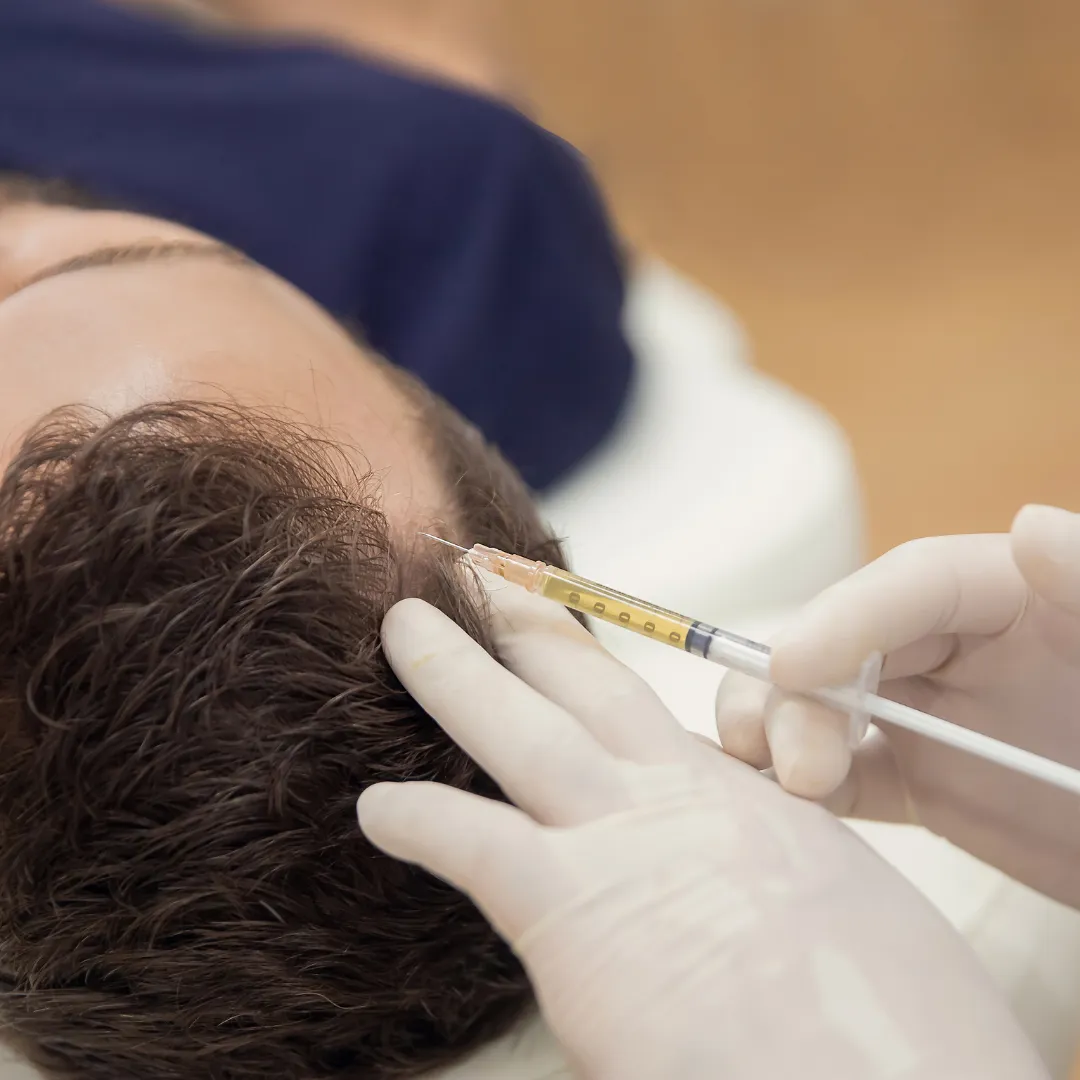
Understanding the treatment
PRP (Platelet-Rich Plasma) treatment is a non-surgical, medical treatment that uses the patient's own blood to promote hair growth. The procedure involves taking a sample of the patient's blood, which is then processed to separate out the platelet-rich plasma. The PRP is then injected or applied topically to the area of the scalp where hair growth is desired.
The platelets in PRP contain growth factors that can promote healing and cell growth. When the PRP is injected into the scalp, it is thought to stimulate the hair follicles, causing them to enter into a growth phase. The treatment is sometimes done in combination with other hair loss treatments, such as hair transplant surgery.
PRP treatment is considered to be safe and well-tolerated, with minimal side effects. It can take several months to see results from the treatment, and multiple sessions may be needed to achieve the desired outcome.
It's important to keep in mind that while PRP is considered to be an effective treatment option for hair loss, research on the treatment is ongoing. Results do vary and it is not the correct choice of treatment for all types and stages of hair loss. This is why you should consult a good dermatologist before choosing to go ahead with this treatment.
PRP hair treatment uses platelet-rich plasma prepared from a person's blood as an injection treatment for selected hair-loss conditions. It is not a hair transplant and does not create a new supply of follicles.
How it works
When you visit the clinic, you can expect to start your PRP on the same day as your first visit, right after the consultation. The treatment steps are as mentioned in a previous section. The total time taken at the clinic for a session is usually 60-90 minutes.
In terms of results, the expectations from the treatment vary widely. Some patients begin to see results within a few weeks of starting their treatments whereas others may take a few months. What is however consistent is that most patients will need multiple sessions to see desired results. These sessions are usually repeated with an interval of 3-4 weeks.
Once the treatment is done, you can carry on with all regular activities in the day. You may expected some soreness at the injection sites on the day of the treatment. The injections can be slightly painful, which is why numbing cream will also be used in many cases.
Platelet-associated signals are intended to influence the scalp environment and existing follicles. Response depends on the diagnosis and remaining follicle activity.
Suitability and assessment
Pattern, duration and cause of hair loss should be assessed first. Sudden shedding, patchy loss or an inflamed scalp may require a different investigation or treatment.
What happens during treatment
Blood is drawn and processed before injections are placed in selected scalp areas using sterile technique. The plan should specify how progress will be assessed.
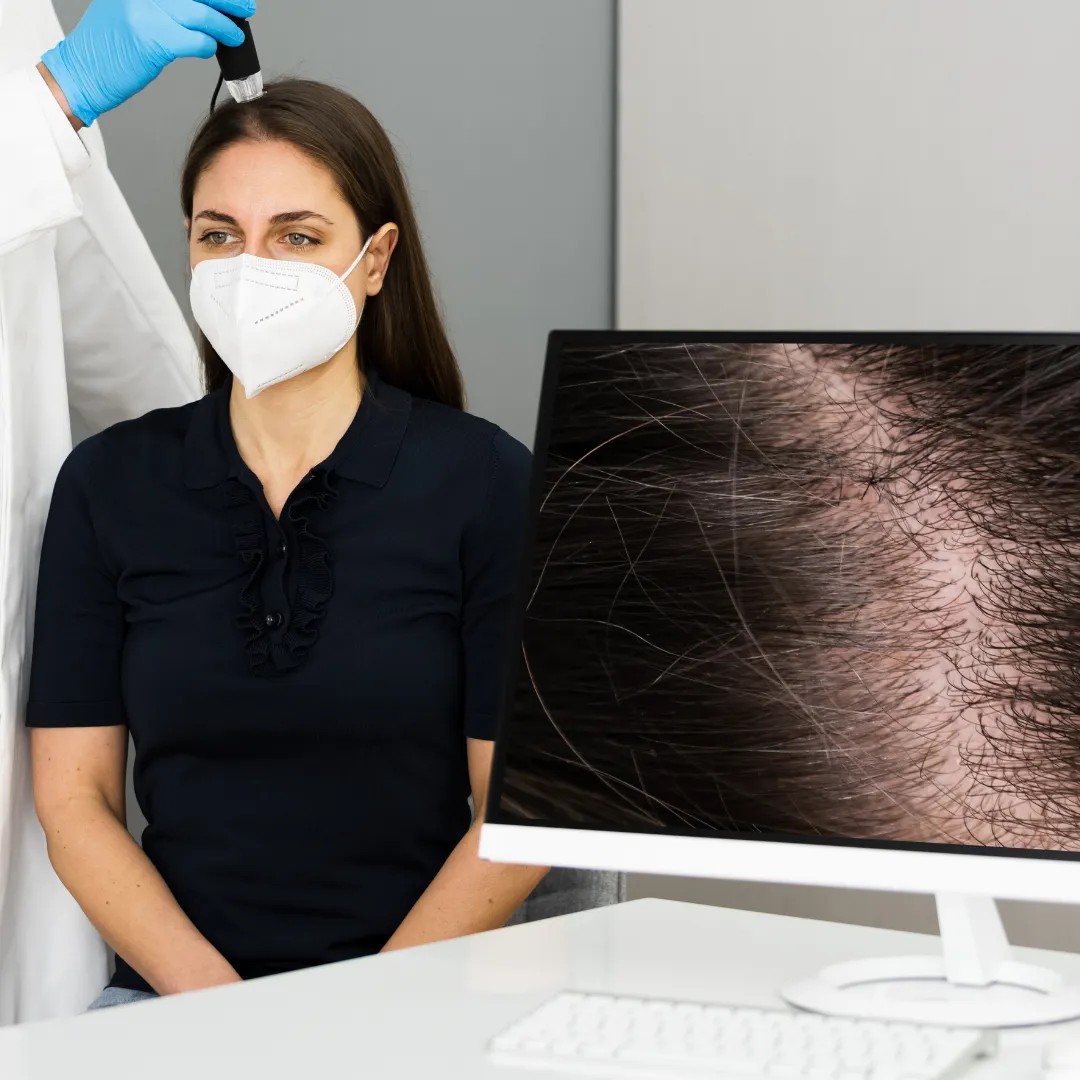
Hair consultation
The first step at SkinGenious is always to meet one of the top dermatologists of the city. A dermatologist is also an expert for hair concerns and they will examine you along with taking requisite history.
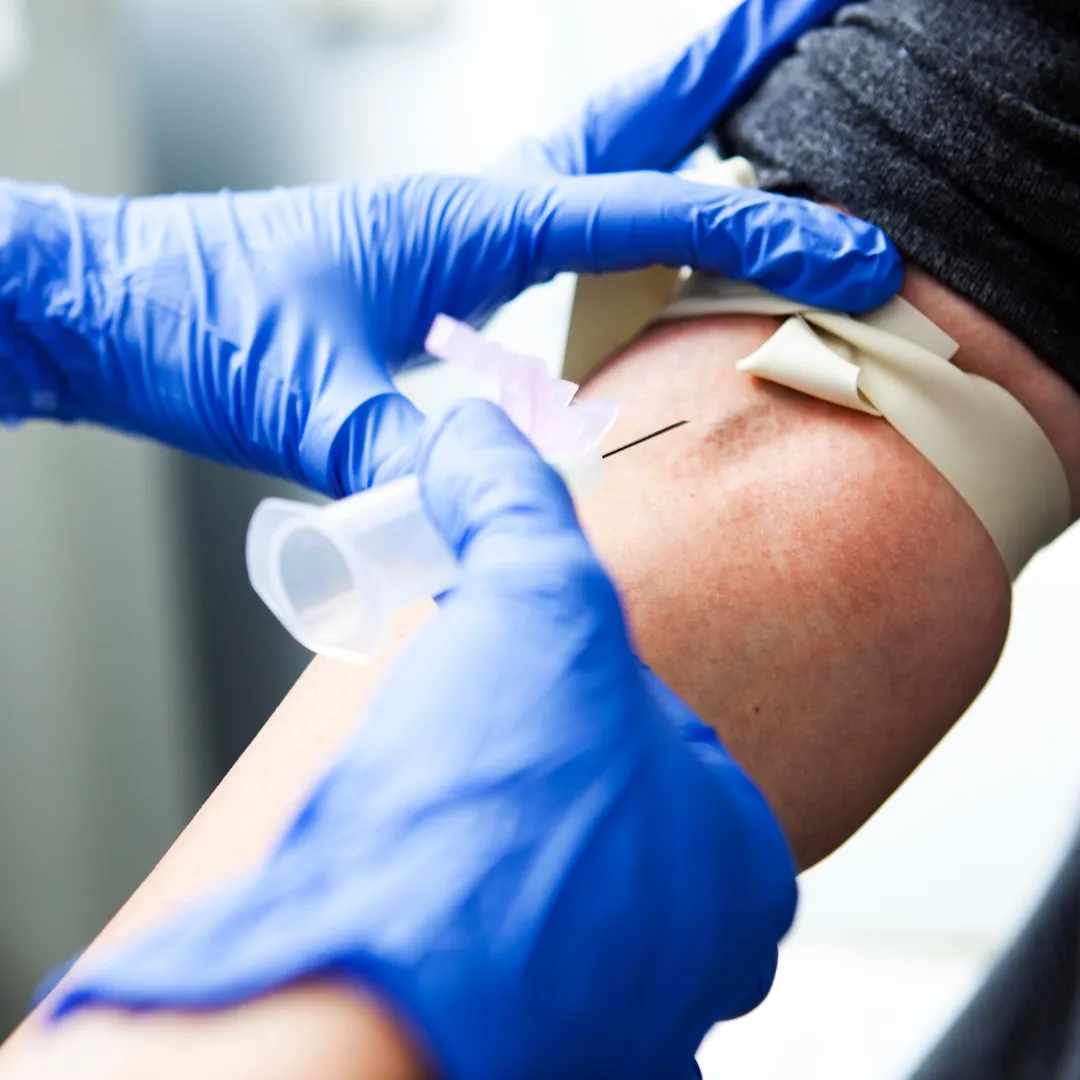
Drawing blood
PRP involves the use of growth factors from your own blood. The blood therefore needs to be drawn to later use the growth factors.
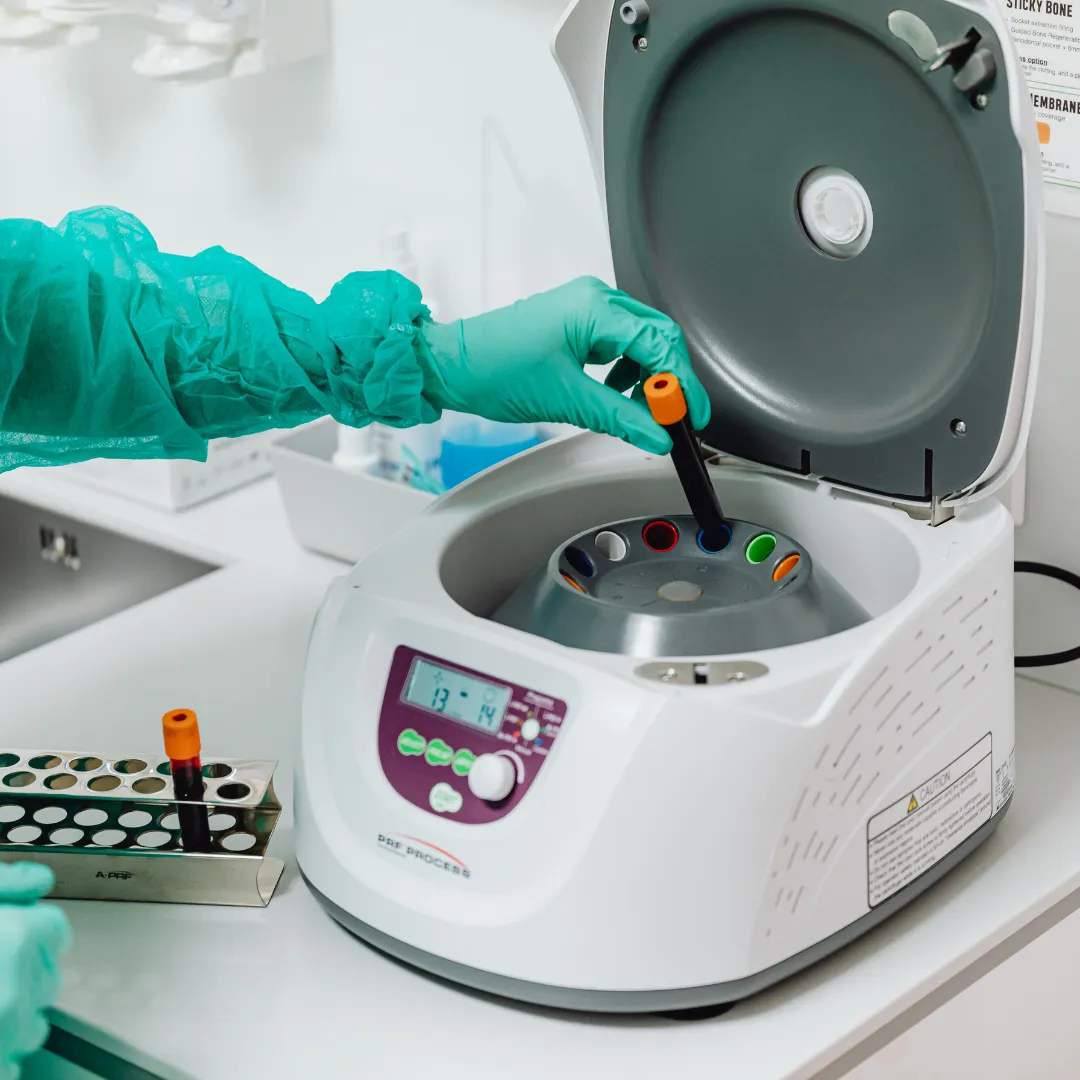
Centrifuge
To separate the plasma with the growth factors from the rest of the components of the blood, it is centrifuged in a dedicated machine.
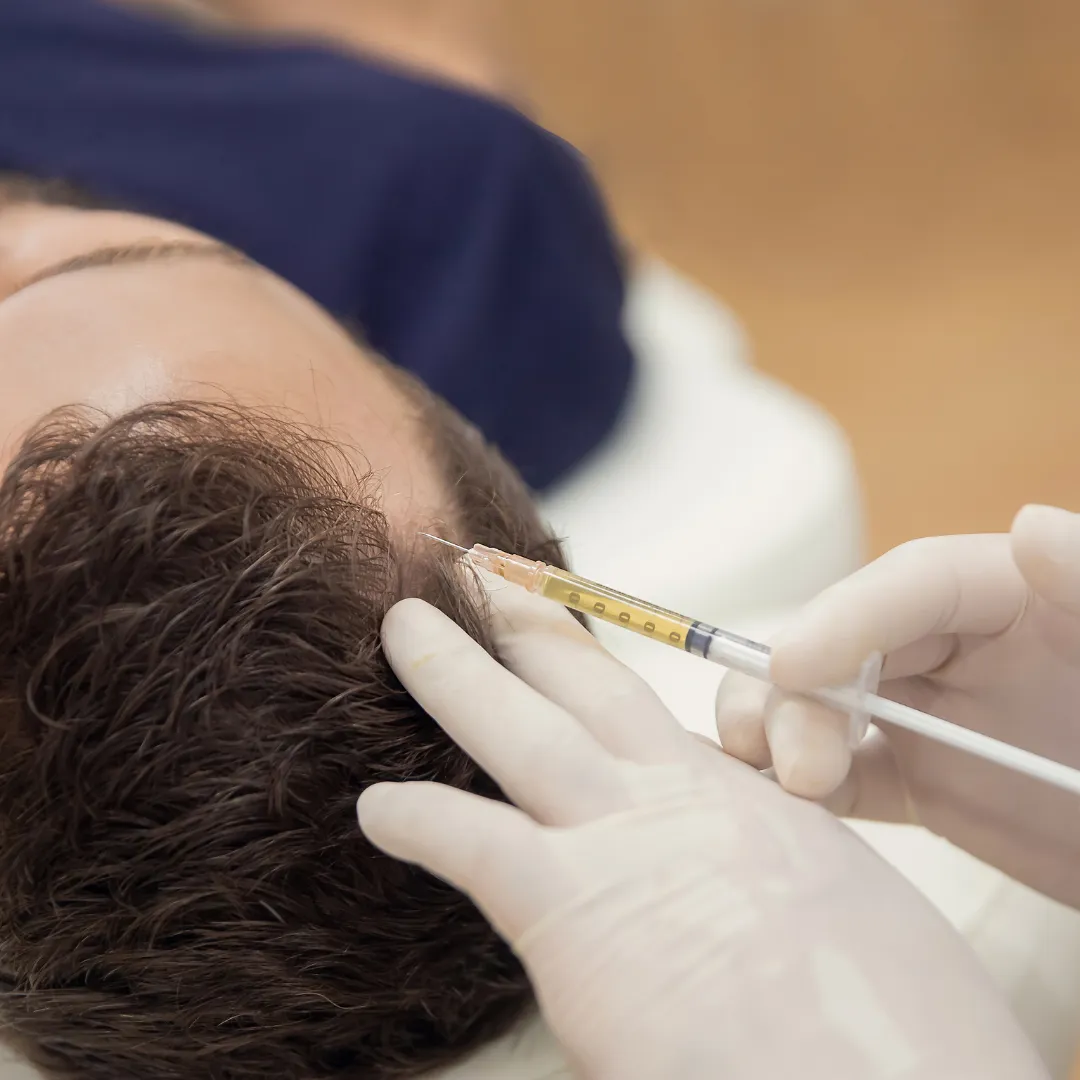
Injection of platelet rich plasma
The last step is to inject the desired growth factors in the scalp. The targeted placement of these growth factors is what helps promote the re-growth of hair.
Results and limitations
Any density change develops over months and is variable. Evidence and protocols differ, and maintenance may be discussed after response rather than promised in advance.
PRP hair treatment for Hair loss
PRP is quite effective for early stages of hair loss with live but dormant hair follicles are still present. For advanced hair loss, transplants are the suggested line of treatment.
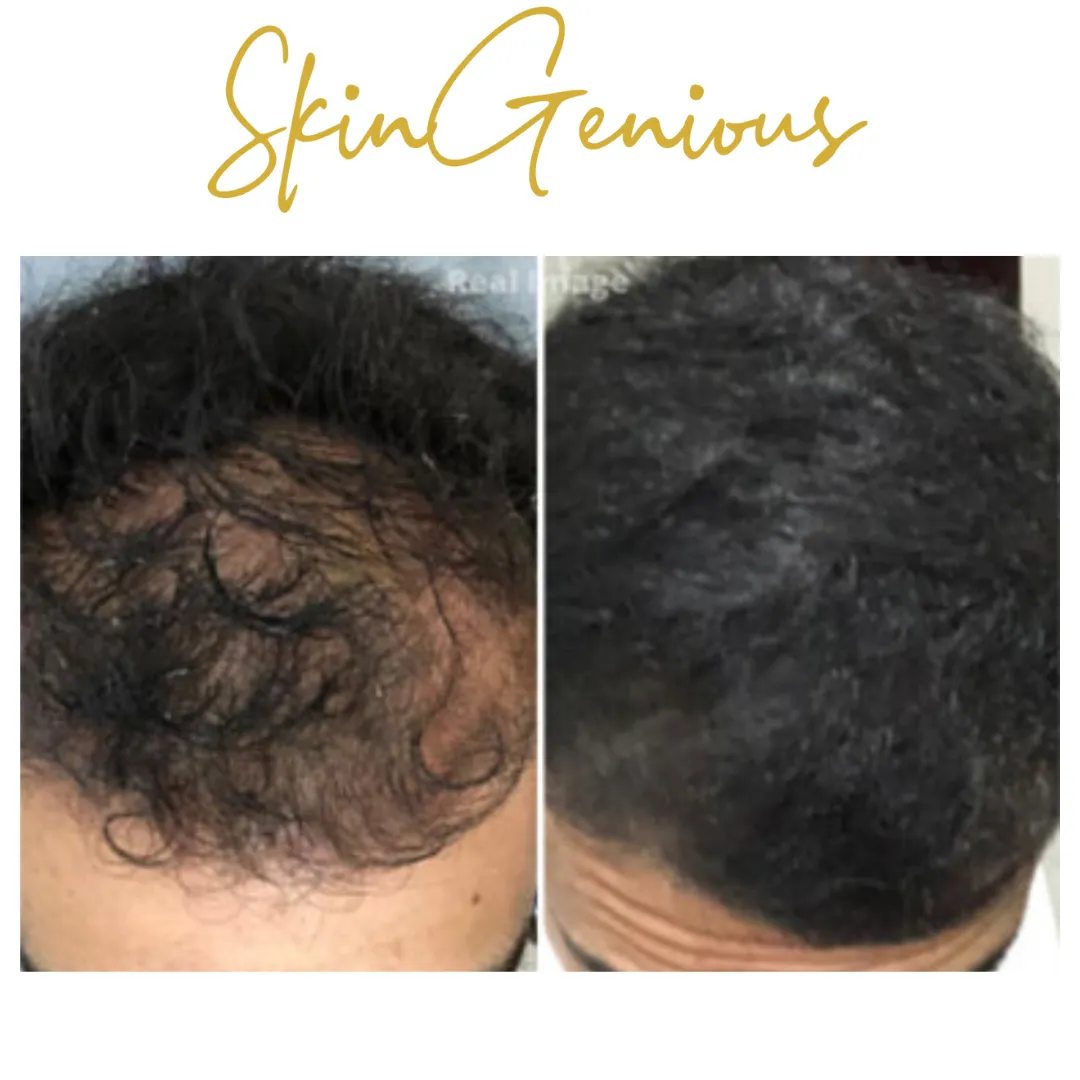
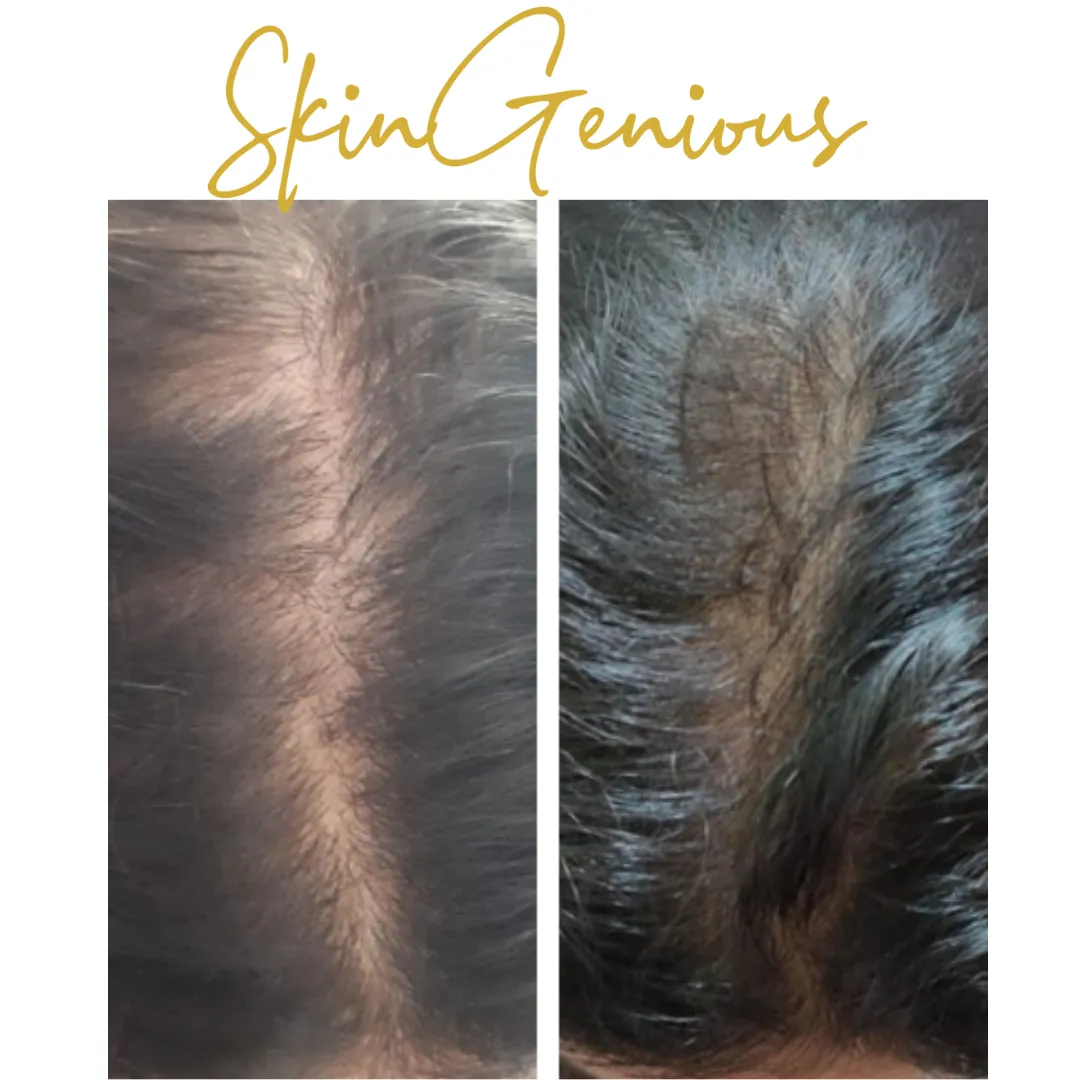
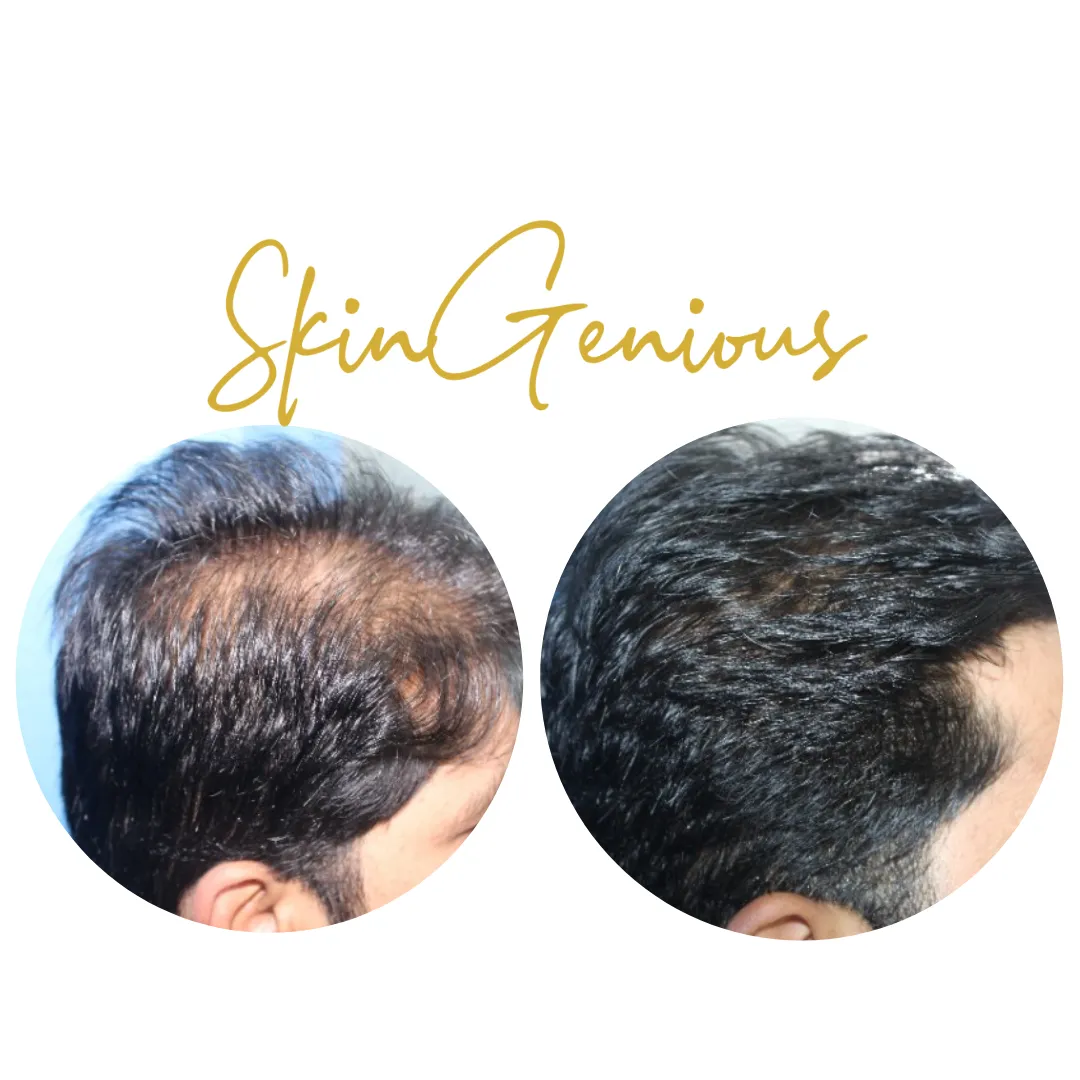
Before and after results
These photographs come from the existing treatment and concern records. They illustrate individual outcomes. Your starting point, treatment plan and healing response affect your own result.
Risks and recovery
Scalp pain, bruising, swelling and infection are possible. Blood handling, platelet disorders and medicines affecting bleeding need consideration.
PRP hair treatment is generally considered to be safe and well-tolerated, with minimal side effects. However, certain risks are potentially present, such as:
- Pain or discomfort: Some patients may experience pain or discomfort at the injection sites, but this can usually be managed with over-the-counter pain medication.
- Swelling: Some patients may experience swelling at the injection sites, but this is usually mild and goes away within a day or two.
- Bruising: Some patients may experience bruising at the injection sites, but this is usually mild and goes away within a week.
- Infection: There is a very small risk of infection at the injection sites, but this can be prevented by taking antibiotics as prescribed by your dermatologist.
- Limited effectiveness: There is no guarantee that PRP treatment will work for everyone and each person's hair growth journey is different.
Preparing for treatment
Bring details of previous procedures, medicines, allergies and any change in your health. Ask which skincare products or activities need adjusting before the appointment. Do not stop prescribed medicines without advice.
Any change to prescribed medicines, including blood thinners, must be agreed with the prescribing clinician.
A comprehensive yet short checklist you can follow during your visit for PRP is shared below. Your dermatologist will take you through all of these themselves at a SkinGenious clinic, but you can be prepared with the below from your side as well:
- Clearly discuss your expectations: make sure to understand the kind of results possible and based on your examination and history, what the doctor feels the outcome would be for you.
- Understand the risks: Although minimal, you would definitely want to go through all the potential risks and the steps you can take to minimize them.
- Platelet count: In some cases, the dermatologist might ask for a platelet count to ensure it is sufficient to expect good results.
- After-care: Understand the steps you need to take to ensure maximum benefit.
Aftercare
Some steps you can take to minimize the risk and maximize potential benefits include:
- Avoid any strenuous excercise on the day of your treatment
- Avoid using any hot styling products such as a curler or straightener for 2-3 days
- Avoid scratching and reduce the risk of infection
- Use a cap or a hat to prevent direct sun exposure at the site of infection
- Use any medication prescribed by your dermatologist
- Take care of ancillary factors such as maintaining the recommended diet and drinking the requisite amount of water.
Follow advice on washing, scalp products and review. Do not stop blood-thinning or other prescribed medicines without discussing this with the prescriber.
Alternatives to consider
Minoxidil and other appropriate medical options may be considered according to diagnosis. Transplant surgery has a different role and does not treat every form of hair loss.
Planning treatment and maintenance
PRP for hair is usually considered as part of a plan for selected forms of thinning, especially when follicles are still present. The first step is to establish the type of hair loss. Patterned thinning, temporary shedding, alopecia areata and scarring conditions need different decisions.
The clinician will assess the pattern, scalp condition and history, and may recommend investigations where the history or examination suggests a need. PRP does not replace treatment of a nutritional deficiency, thyroid problem or active scalp disease. It may also be used alongside a suitable medical hair-loss treatment rather than as a stand-alone solution.
Ask how the blood preparation and injection schedule are planned, when progress will be reviewed and what maintenance might involve. Protocols vary, so the label PRP does not by itself describe an identical treatment at every clinic.
Hair changes slowly. Standardised photographs, part-width comparisons and a record of shedding are more useful than looking for a new result every day. Avoid changing several treatments at the same time without discussing it, because that makes it difficult to judge what is helping. If thinning continues, reassess the diagnosis and the full treatment plan rather than repeatedly increasing the number of PRP sessions.
What affects the cost
The area treated, the product or device, the treatment plan and the number of sessions influence the total. A useful estimate explains what is included, what follow-up involves and whether maintenance is likely. City pages provide the local service information.
Explore related guides
Continue exploring the treatments, concerns and categories connected with this topic.
Treatment guides
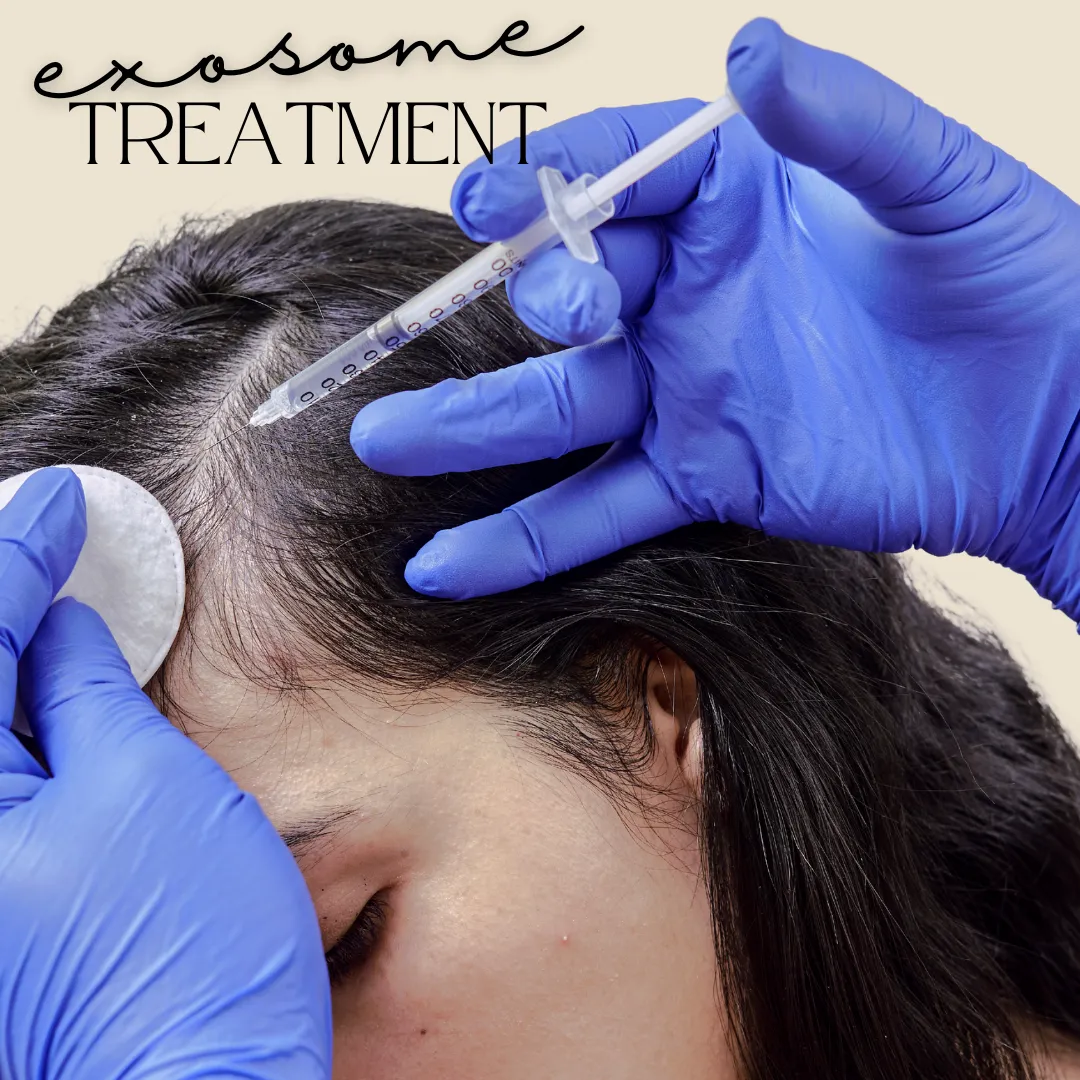
Exosome treatment for hair
Exosome-based treatments are being studied for their potential role in hair growth. Explore the proposed mechanism, current evidence and how they differ from established hair-loss treatments.
Read the guide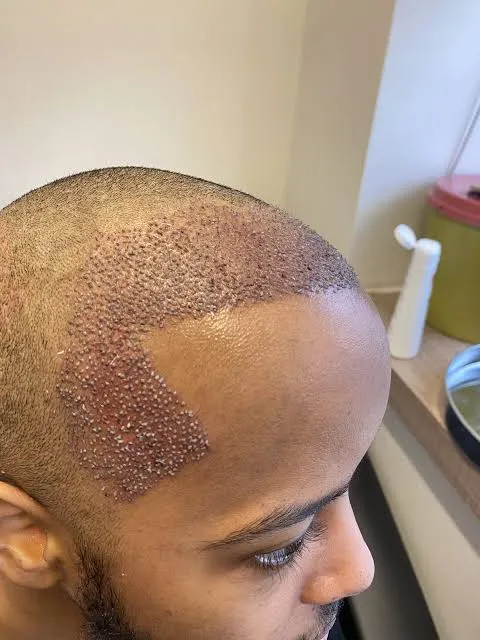
Hair transplant
Hair transplantation moves follicles from a donor area to selected areas of thinning. Learn about planning, the surgical stages, recovery and the factors that shape long-term density.
Read the guide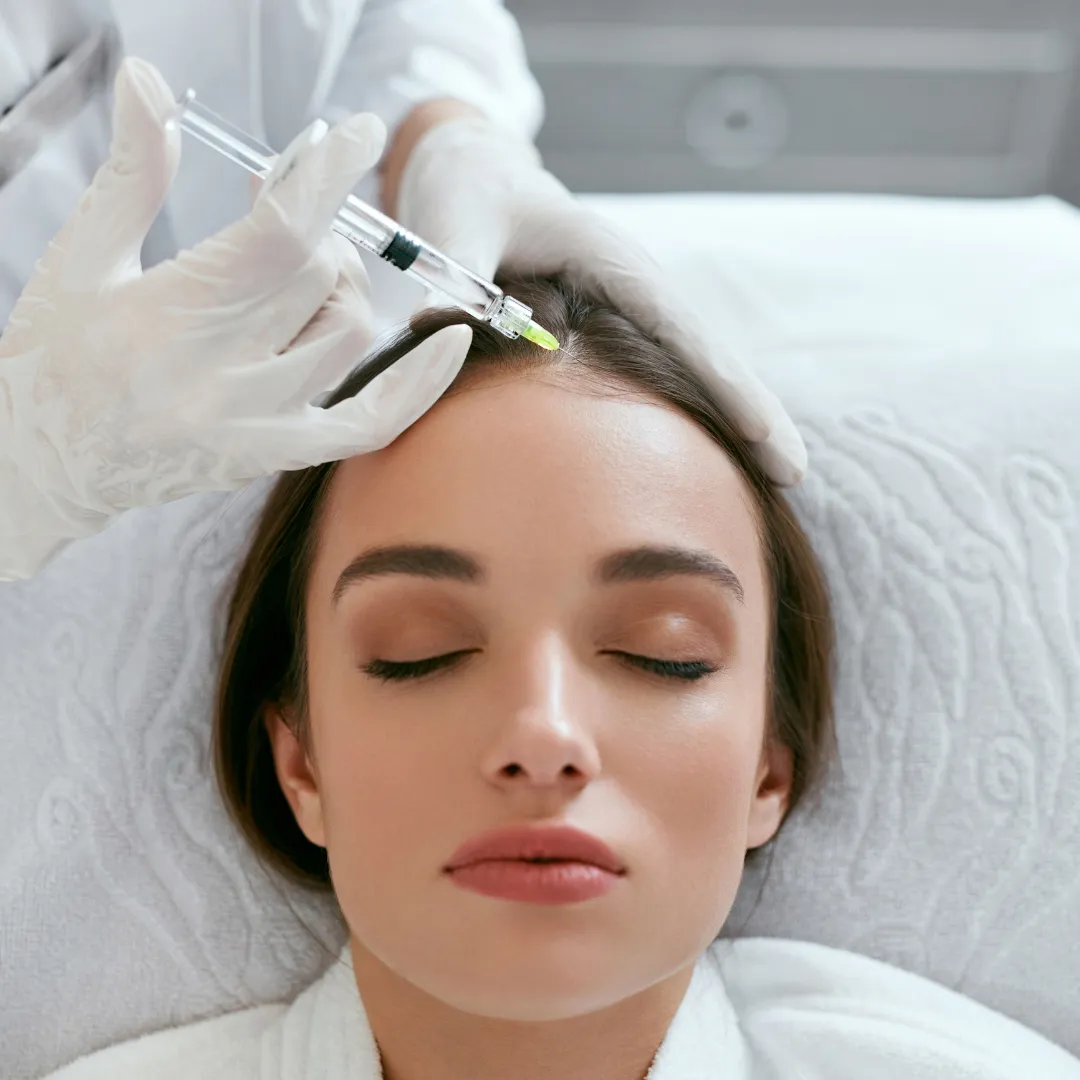
Mesotherapy
Mesotherapy uses small injections to deliver a specified preparation into selected areas. Understand why the ingredients and purpose matter more than the treatment name alone.
Read the guideConcern guides
Category guides
Common questions
What should I understand before choosing prp hair treatment?
Pattern, duration and cause of hair loss should be assessed first. Sudden shedding, patchy loss or an inflamed scalp may require a different investigation or treatment.
What results should I expect?
Any density change develops over months and is variable. Evidence and protocols differ, and maintenance may be discussed after response rather than promised in advance.
How do I compare this with other options?
Minoxidil and other appropriate medical options may be considered according to diagnosis. Transplant surgery has a different role and does not treat every form of hair loss.
Further reading and references
Take the next step
Explore care in your city
For local specialists, clinic information and appointments, choose a city.

Mumbai
Explore local specialists, clinics and appointments in Mumbai.
Explore care
Thane
Explore local specialists, clinics and appointments in Thane.
Explore care
Navi Mumbai
Explore local specialists, clinics and appointments in Navi Mumbai.
Explore care
Hyderabad
Explore local specialists, clinics and appointments in Hyderabad.
Explore care
Jaipur
Explore local specialists, clinics and appointments in Jaipur.
Explore care