 SCIENTIFIC SKIN, HAIR & PERSONAL AESTHETICS
Category guides
Trichology: treatments and concerns explained
Trichology focuses on hair and scalp health. It includes understanding shedding, thinning, scalp symptoms and the factors that influence hair growth.
SkinGenious editorial team
Explore the guide ↓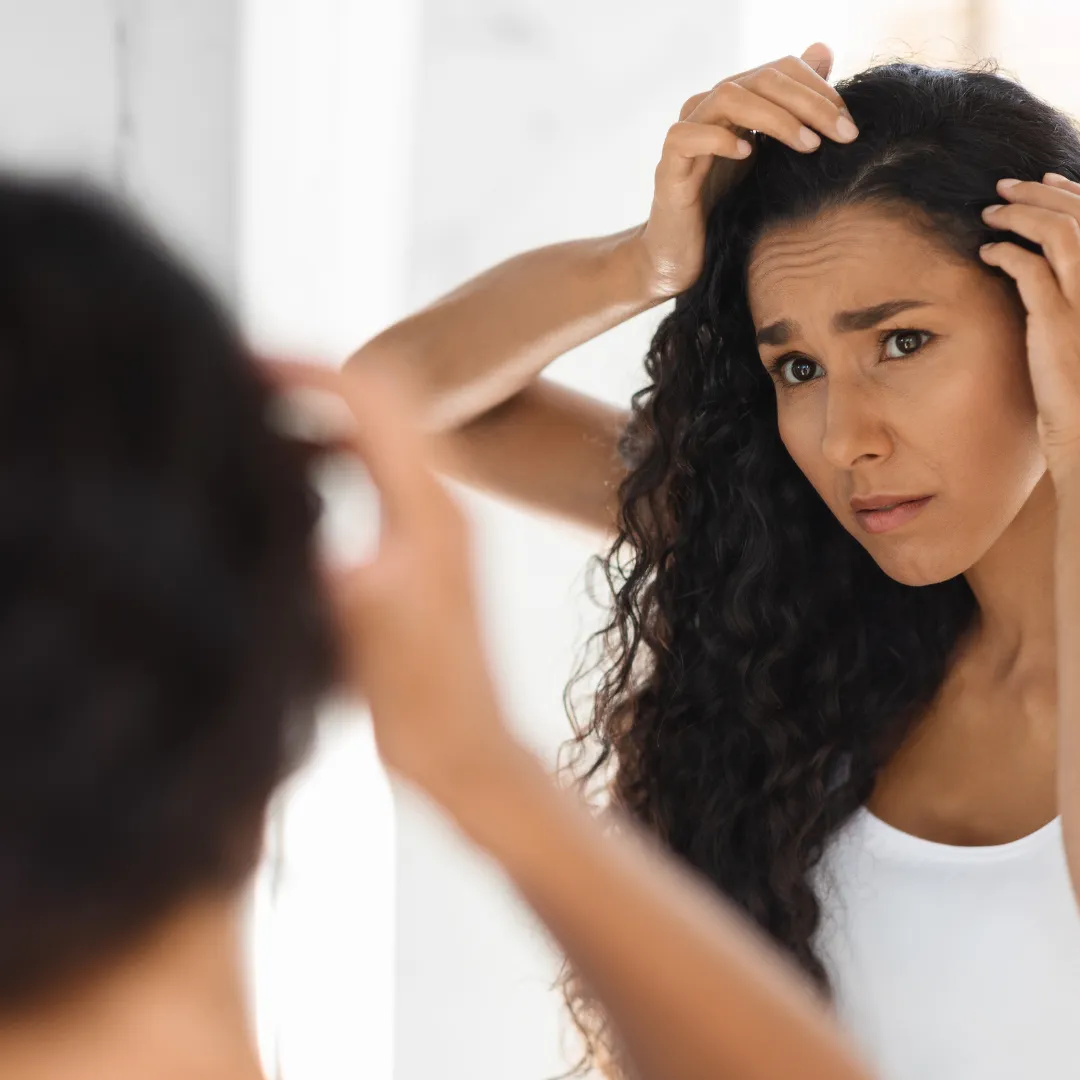
Understanding this area of care
Trichology or trichiatry deals with the science of hair. Modern medicine and treatments enable us to not only stop hair loss but also help individuals with non-surgical hair re-growth.
Trichology focuses on hair and scalp health. It includes understanding shedding, thinning, scalp symptoms and the factors that influence hair growth.
Concerns and goals
Pattern hair loss, temporary shedding, patchy loss, dandruff and inflammatory scalp disorders need different care plans.
Approaches and treatment options
Options can include scalp care, topical or oral medicines, selected injection procedures and transplant assessment for suitable cases. Emerging treatments should be discussed separately from established options.
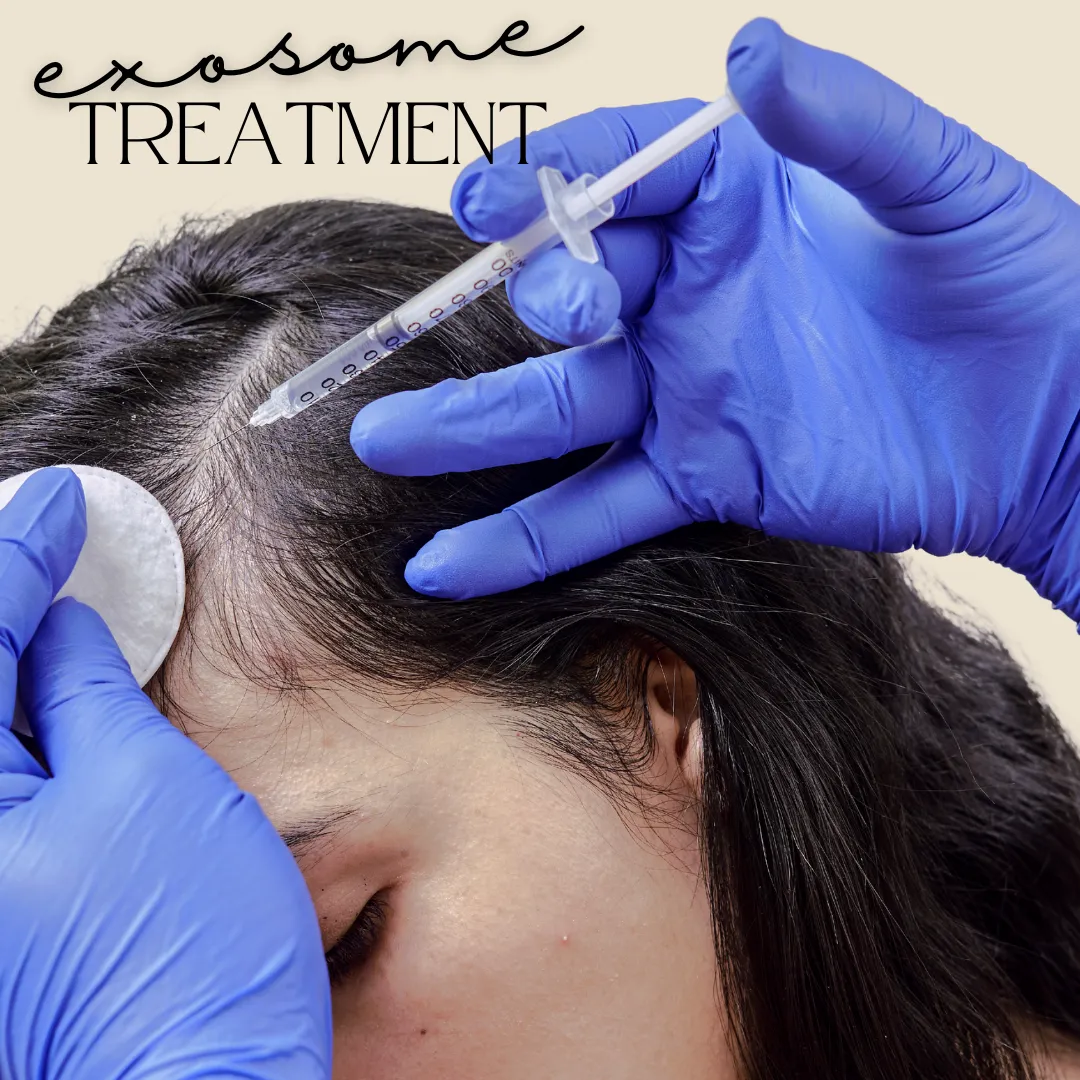
Exosome treatment for hair ↗
Exosome treatment for hair re-growth is an advanced hair loss treatment which involves injecting exosomes, which are tiny extracellular vesicles derived from stem cells, in the scalp. This treatment helps stimulate hair growth and works on early to middle stages of hair loss.
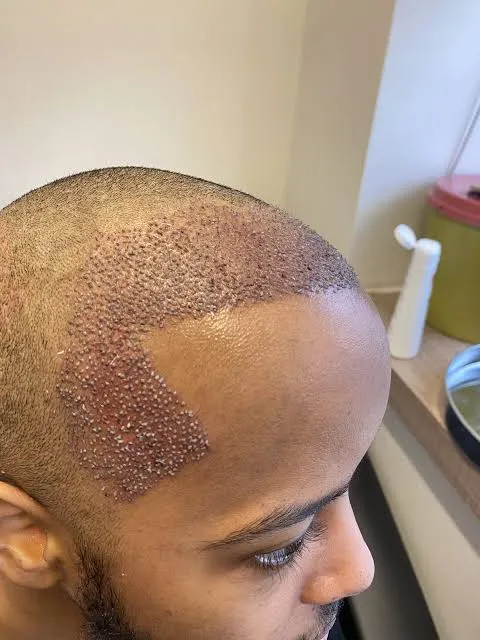
Hair transplant ↗
Hair transplant surgery moves healthy hair follicles to thinning or bald areas of the scalp. Explore FUE hair restoration with SkinGenious, with an individual assessment of donor hair, hairline design, recovery and realistic results.
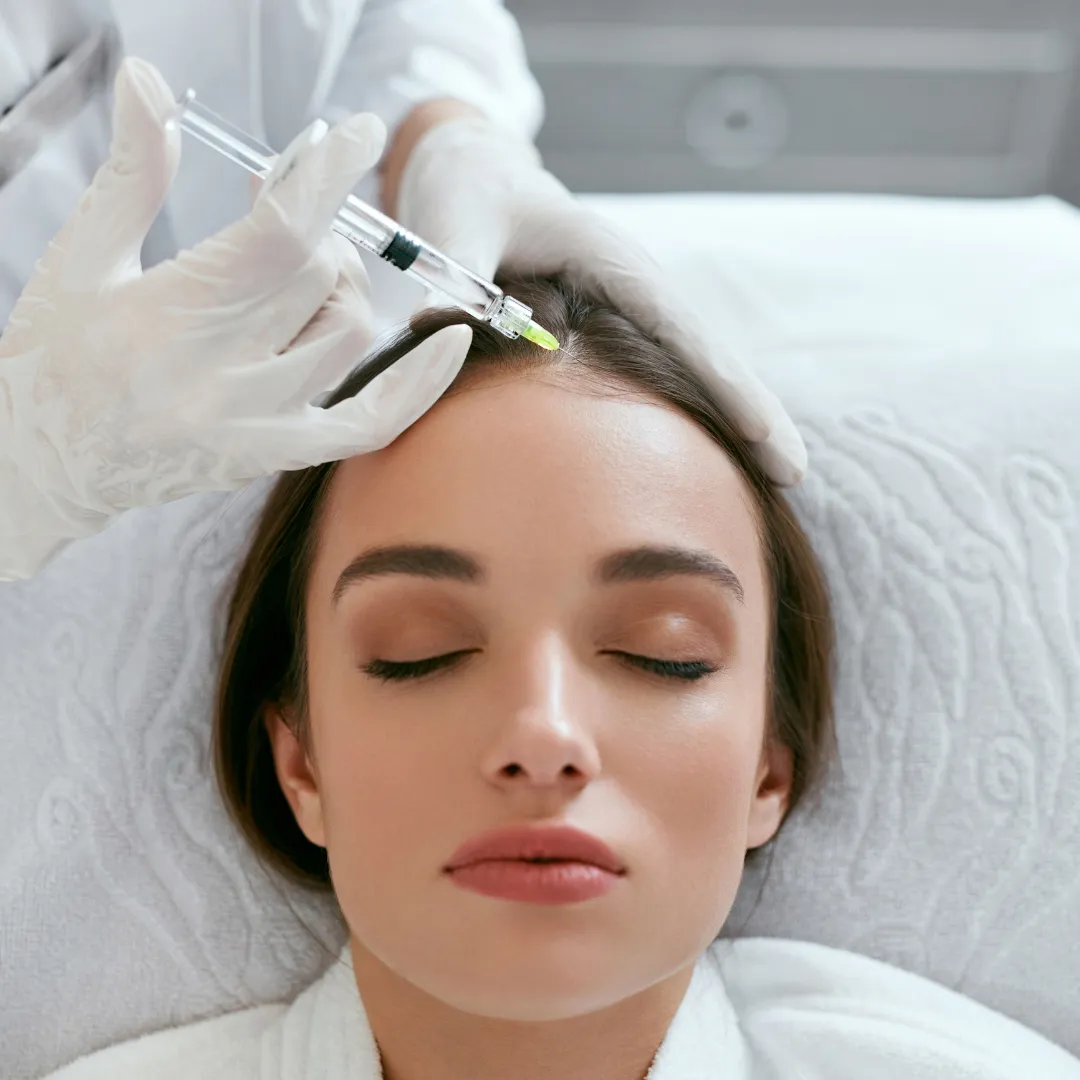
Mesotherapy ↗
If you are suffering from hair loss and are looking for a solution to help stop the loss of hair (hair preservation) and to help regrow the hair that you have lost, mesotherapy is one of the treatment options you can explore.
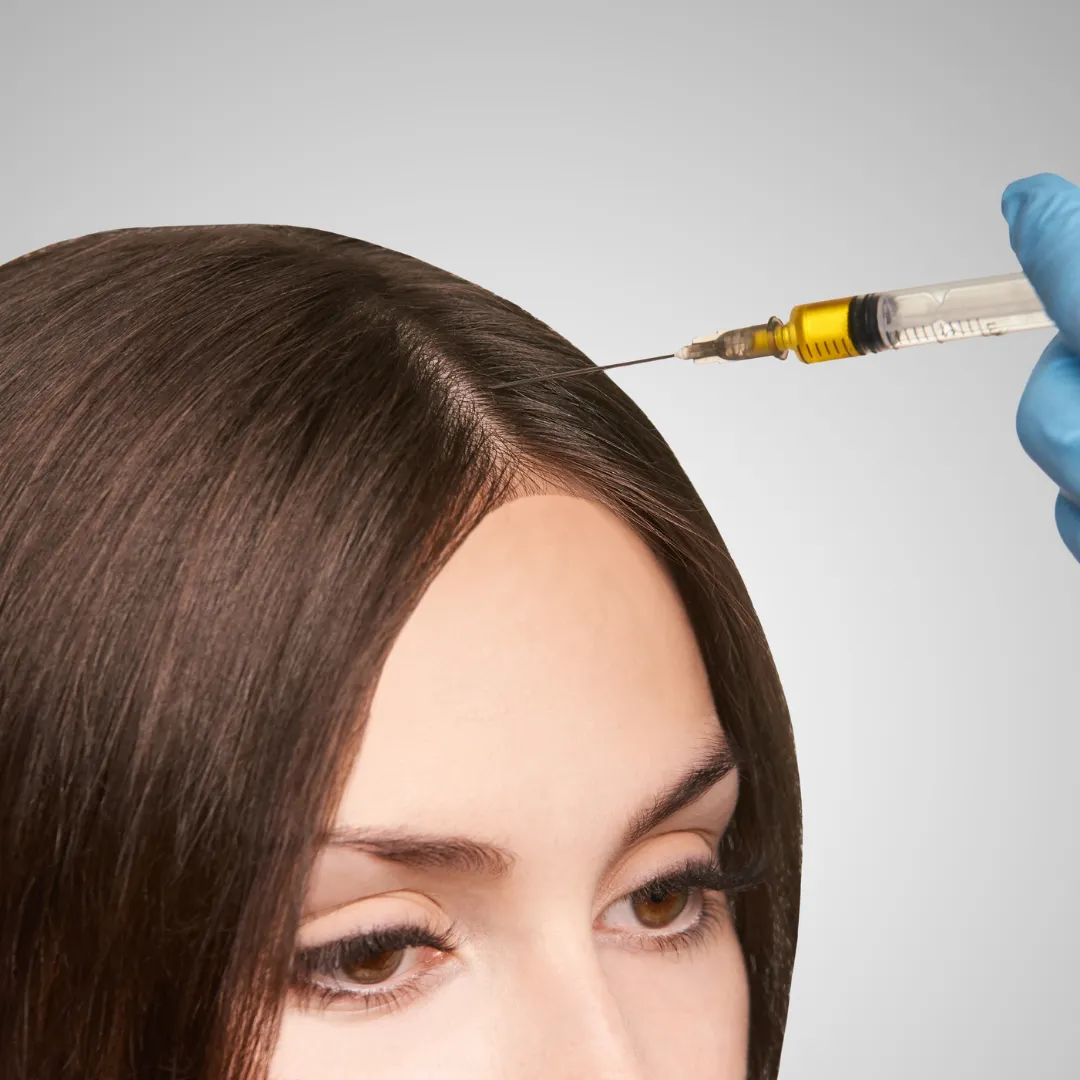
PRP (Platelet Rich Plasma) ↗
Platelet rich plasma therapy involves the use of platelets and growth factors from your own blood to help hair follicles that are inactive to move back into the growth phase.
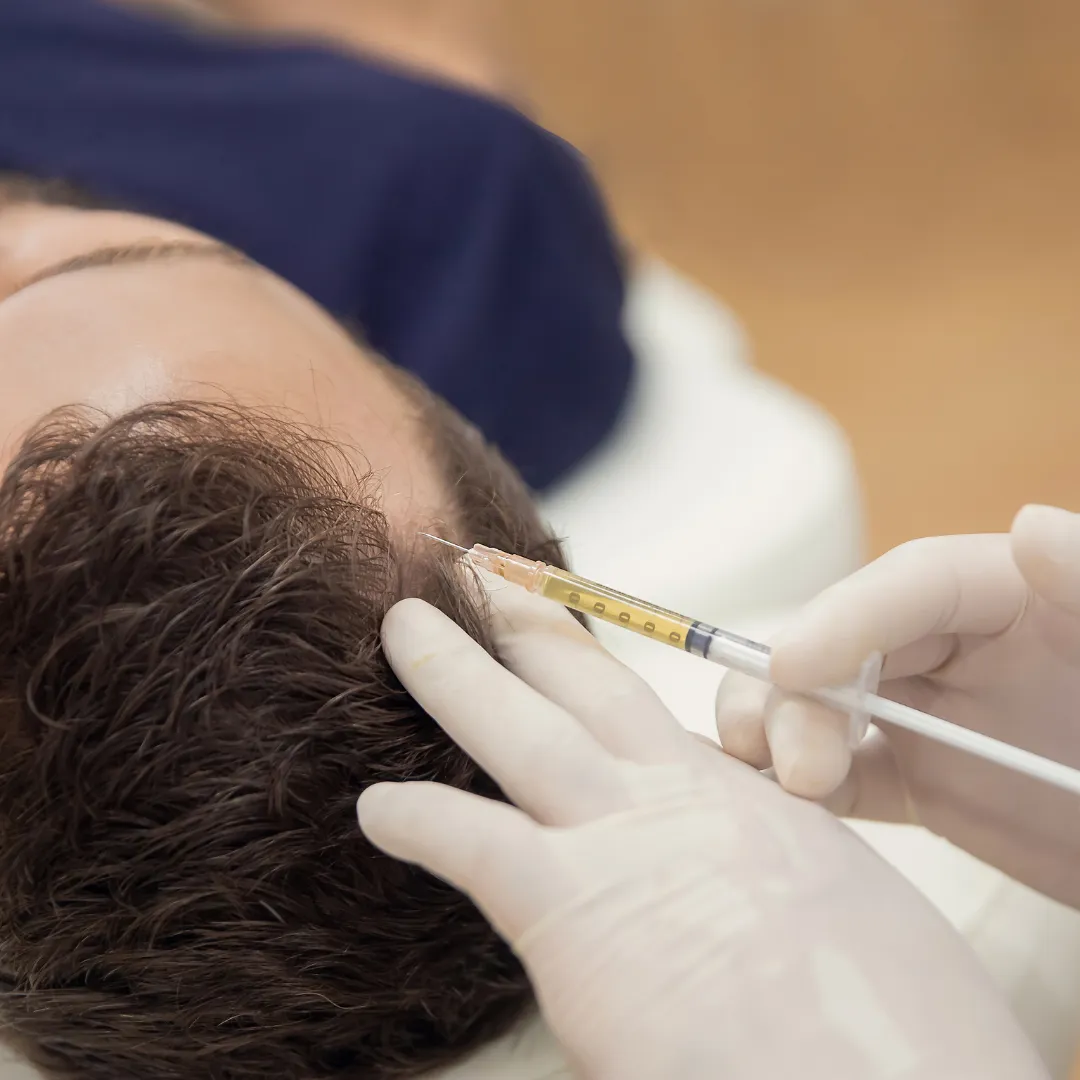
PRP hair treatment ↗
PRP (Platelet-Rich Plasma) treatment is a non-surgical, medical treatment that uses the patient's own blood to promote hair growth. The procedure involves taking a sample of the patient's blood, which is then processed to separate out the platelet-rich plasma. The PRP is then injected or applied topically to the area of the scalp where hair growth is desired.
How the options differ
A transplant redistributes follicles, while medical treatment can help preserve or support existing hair in selected conditions. Neither is a universal answer to every form of hair loss.
Choosing an approach
Assessment reviews the pattern, duration, scalp findings, health history and grooming habits. Tests are chosen when the findings suggest a nutritional, hormonal or inflammatory cause.
Outcomes and limitations
Hair loss treatments starting from medications are highly effective. Interventions like PRP and mesotherapy can also help you with hair re-growth without surgery. Get in Touch with our Hail Loss Treatment Expert to know which treatment can help you the most
Hair changes take months to assess. Early diagnosis can matter, particularly where inflammation threatens permanent follicle damage.
Exosome treatment for hair for Hair loss
Exosome treatment is highly effective for early and middle stages of hair loss. It is the best alternative currently available as long as the hair follicle is not dead.
PRP hair treatment for Hair loss
PRP is quite effective for early stages of hair loss with live but dormant hair follicles are still present. For advanced hair loss, transplants are the suggested line of treatment.
Mesotherapy for Hair loss
Mesotherapy would therefore become the ideal choice in case: You are an ideal candidate and the specialist feels that it could provide you desired results You are averse to the idea of drawing your blood Your budget for improvement is lower than that required for PRP treatment.
PRP (Platelet Rich Plasma) for Dark circles
The treatment is experimental, but the science behind it is under research. It has been shown to be effective in facial rejuvenation, including for the peri-orbital area.
PRP (Platelet Rich Plasma) for Wrinkles
PRP treatment of the face is effective for fine lines. It is therefore beneficial for early signs of aging.
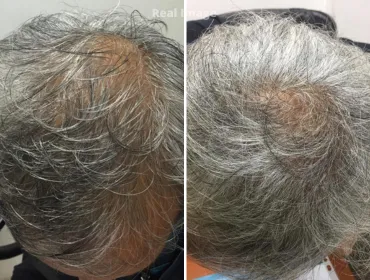
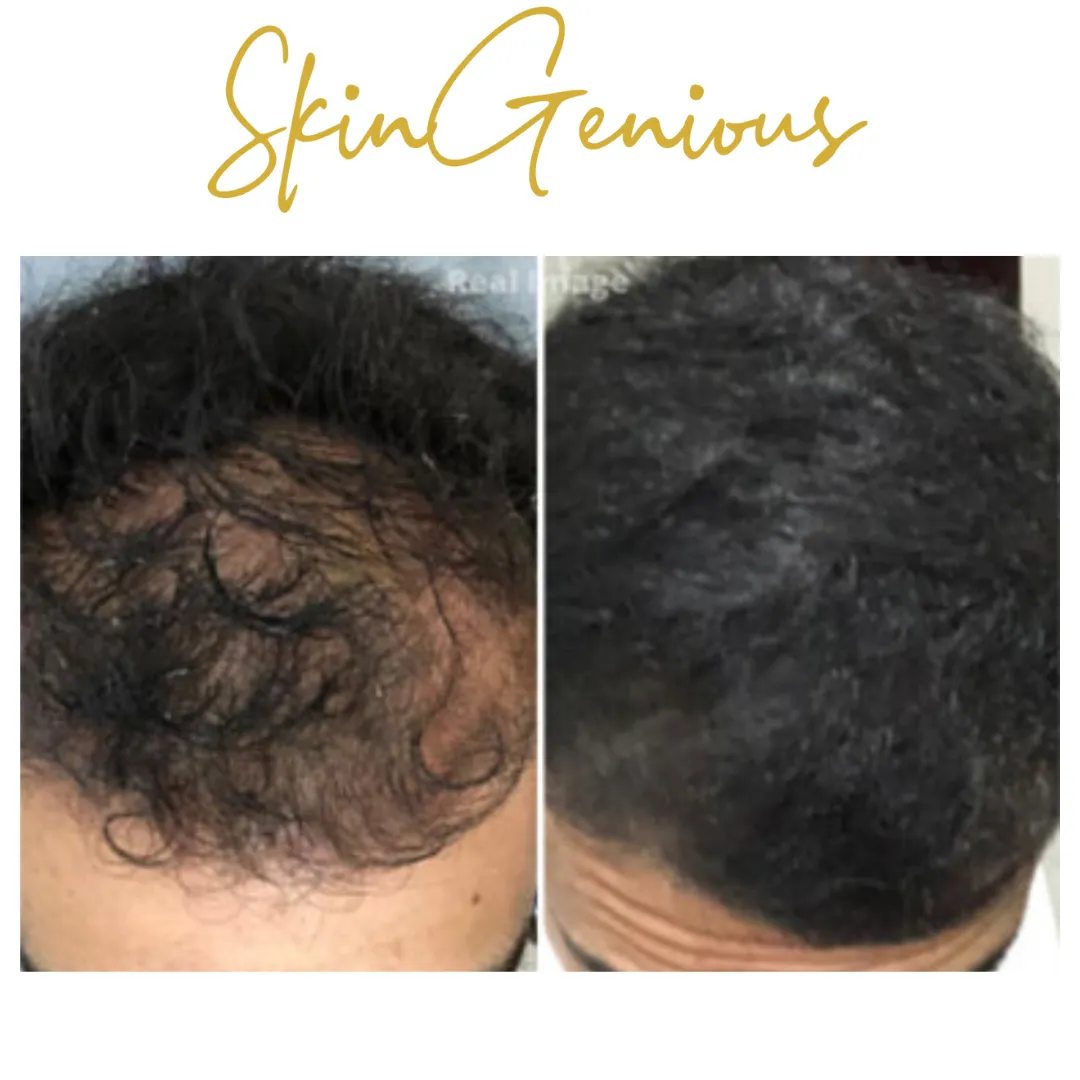
Before and after results
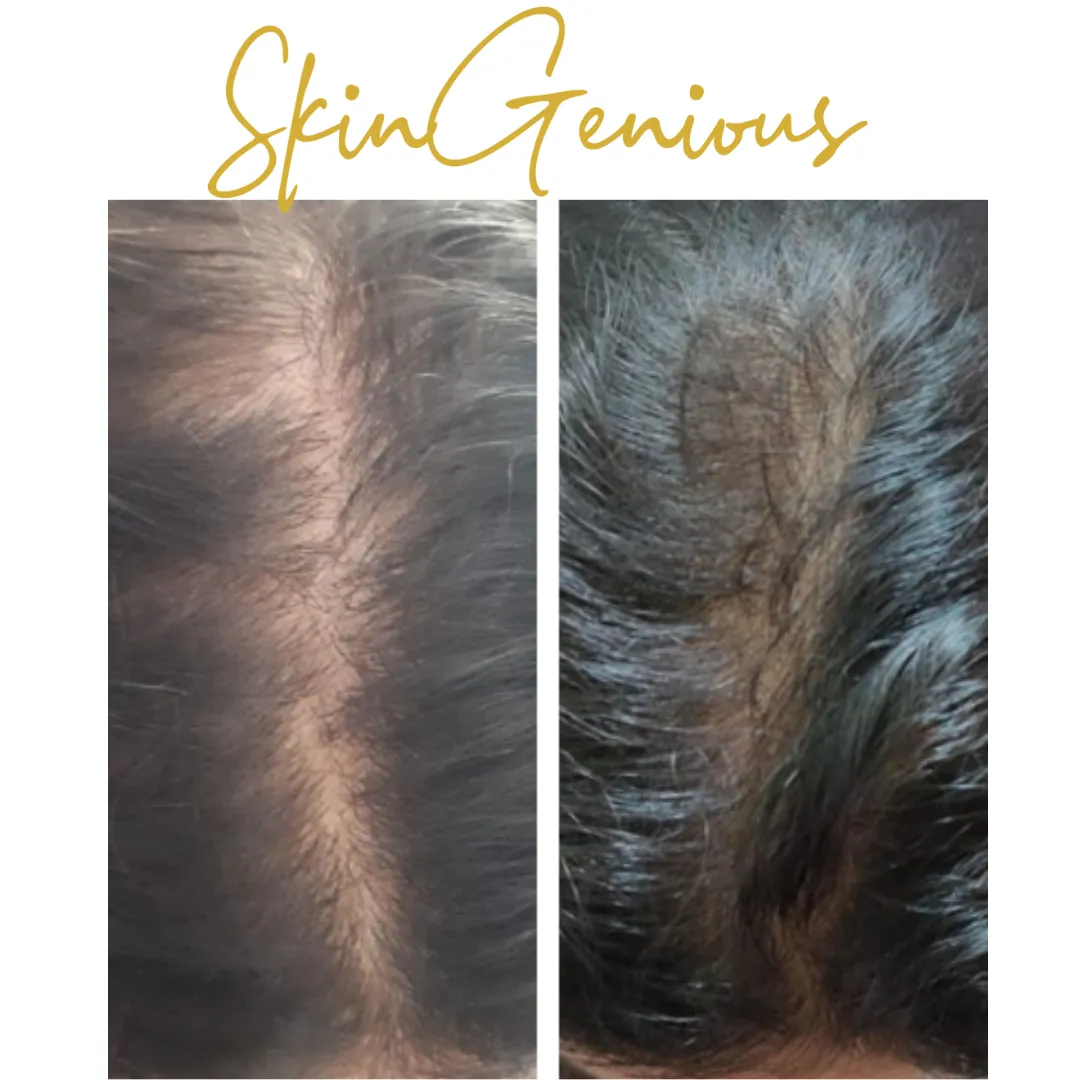
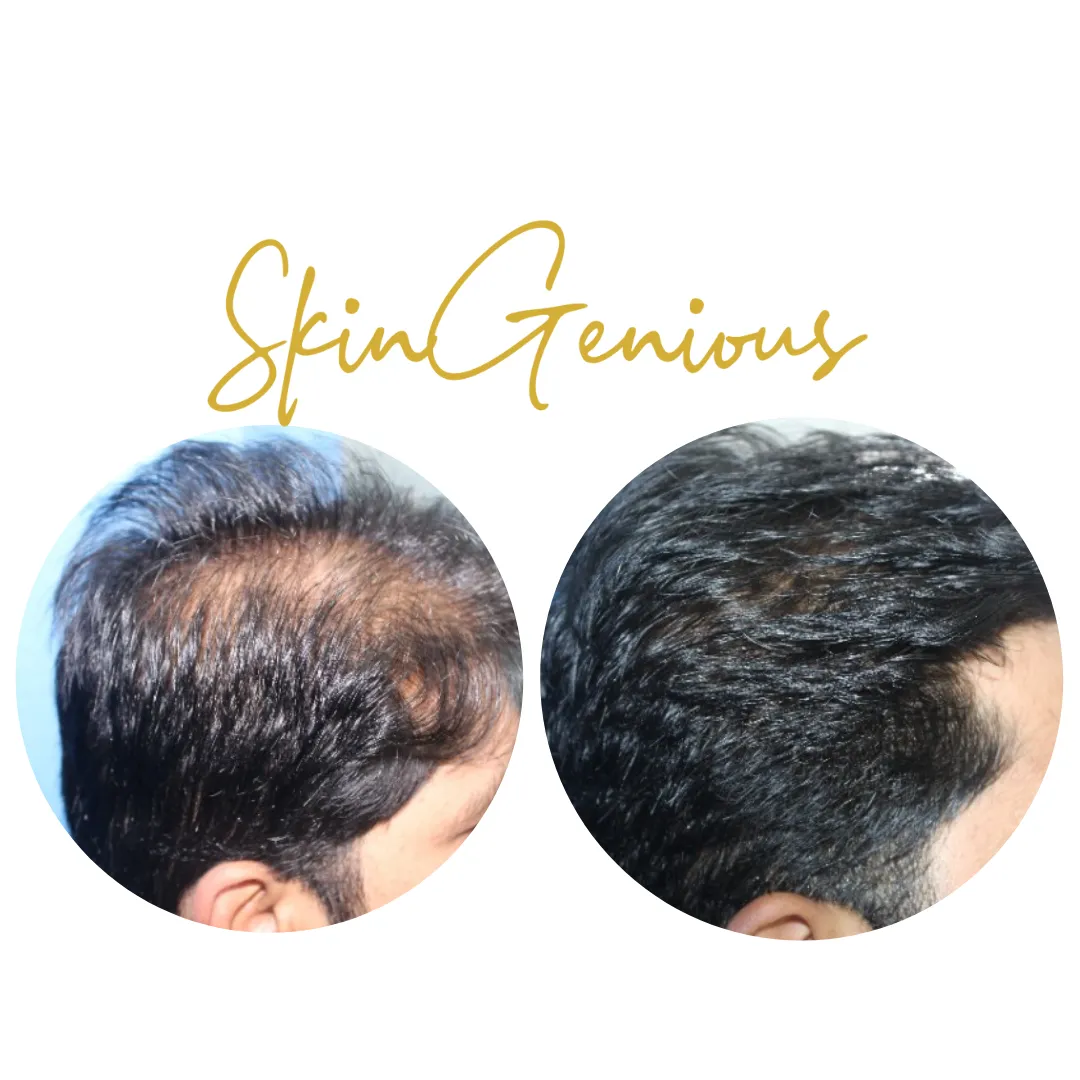
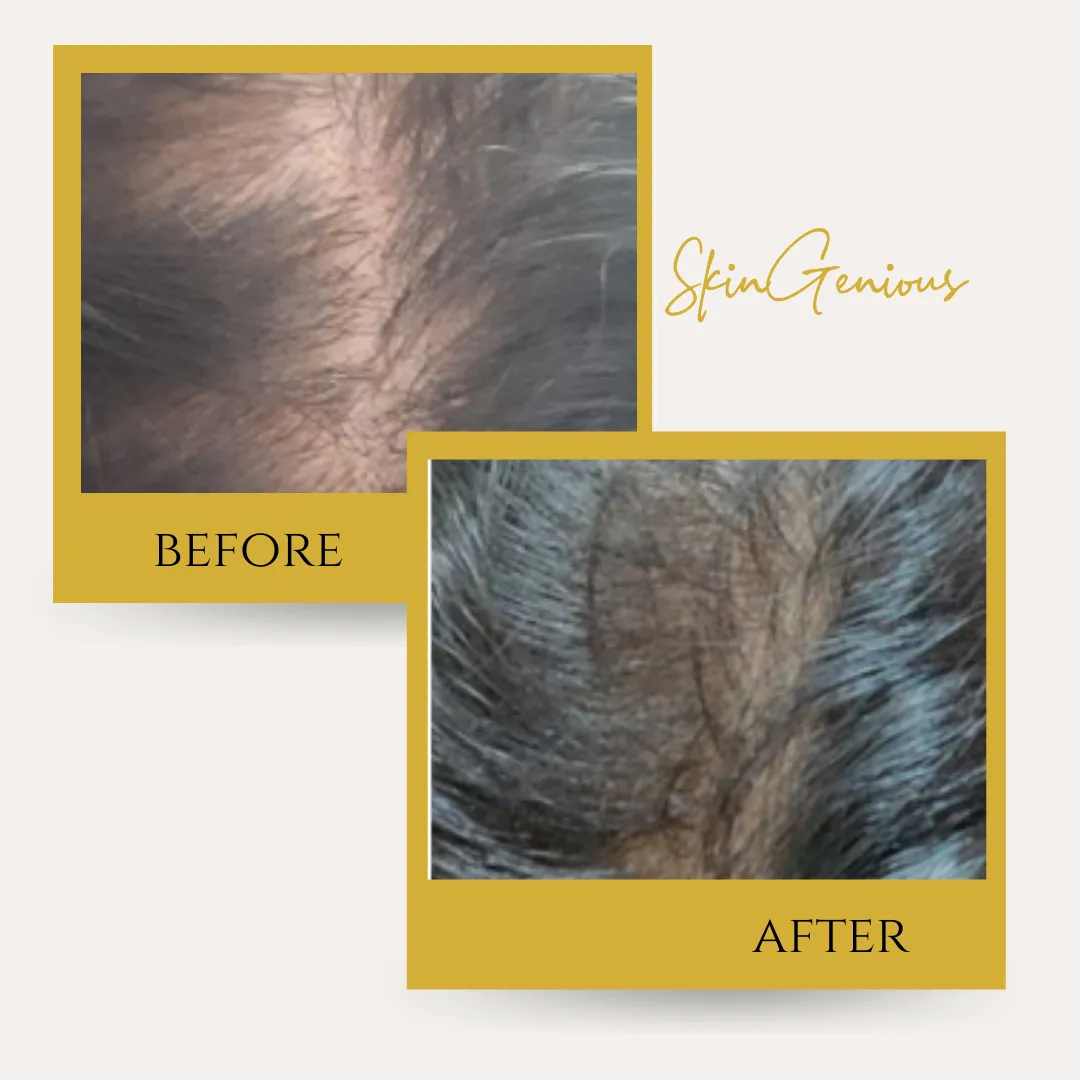
These photographs come from the existing treatment and concern records. They illustrate individual outcomes. Your starting point, treatment plan and healing response affect your own result.
Putting a treatment plan together
Trichology covers hair and scalp concerns, from shedding and patterned thinning to dandruff, inflammation and changes in beard growth. The starting point is to identify what is happening to the follicle and scalp. A person losing more hairs in the shower may have a different problem from someone whose part is gradually widening.
A detailed history includes the timing, family pattern, recent illness, medicines and changes in diet or health. The scalp examination helps distinguish thinning, breakage, patches and possible inflammation. Tests are used when the findings suggest a question that needs answering, rather than as a substitute for examination.
Treatments have different roles. Medicines may help maintain or improve existing follicles in suitable diagnoses. PRP may be discussed as part of selected hair-loss plans. A transplant moves follicles from a donor area and requires careful long-term planning. Emerging procedures should be assessed through the actual product, evidence and result being proposed.
Set a baseline before starting. Consistent photographs, part width and scalp measurements are more reliable than comparing loose hairs from one wash with another. Hair growth is slow, so the plan needs a meaningful review interval and a practical way to judge progress.
The scalp itself also needs care. Pain, persistent redness, scale or new smooth patches can signal a condition that deserves timely assessment. Managing an underlying cause and maintaining healthy scalp care can matter as much as a procedure. The best plan explains what can improve, what needs continuing treatment and when a different approach should be considered.
Safety and ongoing care
Avoid tight hairstyles, harsh treatments and unnecessary supplements. A sore, inflamed or scar-like scalp should be assessed rather than treated only as a cosmetic thinning concern.
Explore related guides
Continue exploring the treatments, concerns and categories connected with this topic.
Treatment guides
Exosome treatment for hair
Exosome-based treatments are being studied for their potential role in hair growth. Explore the proposed mechanism, current evidence and how they differ from established hair-loss treatments.
Read the guideHair transplant
Hair transplantation moves follicles from a donor area to selected areas of thinning. Learn about planning, the surgical stages, recovery and the factors that shape long-term density.
Read the guideMesotherapy
Mesotherapy uses small injections to deliver a specified preparation into selected areas. Understand why the ingredients and purpose matter more than the treatment name alone.
Read the guidePRP (Platelet Rich Plasma)
PRP uses a concentrated preparation from your own blood in selected skin and hair procedures. Explore how it is prepared, where it is used and how results are assessed.
Read the guidePRP hair treatment
PRP hair treatment uses a preparation from your own blood to support selected hair-loss care plans. Learn how the diagnosis, scalp assessment and treatment course influence the result.
Read the guideConcern guides
Dark circles
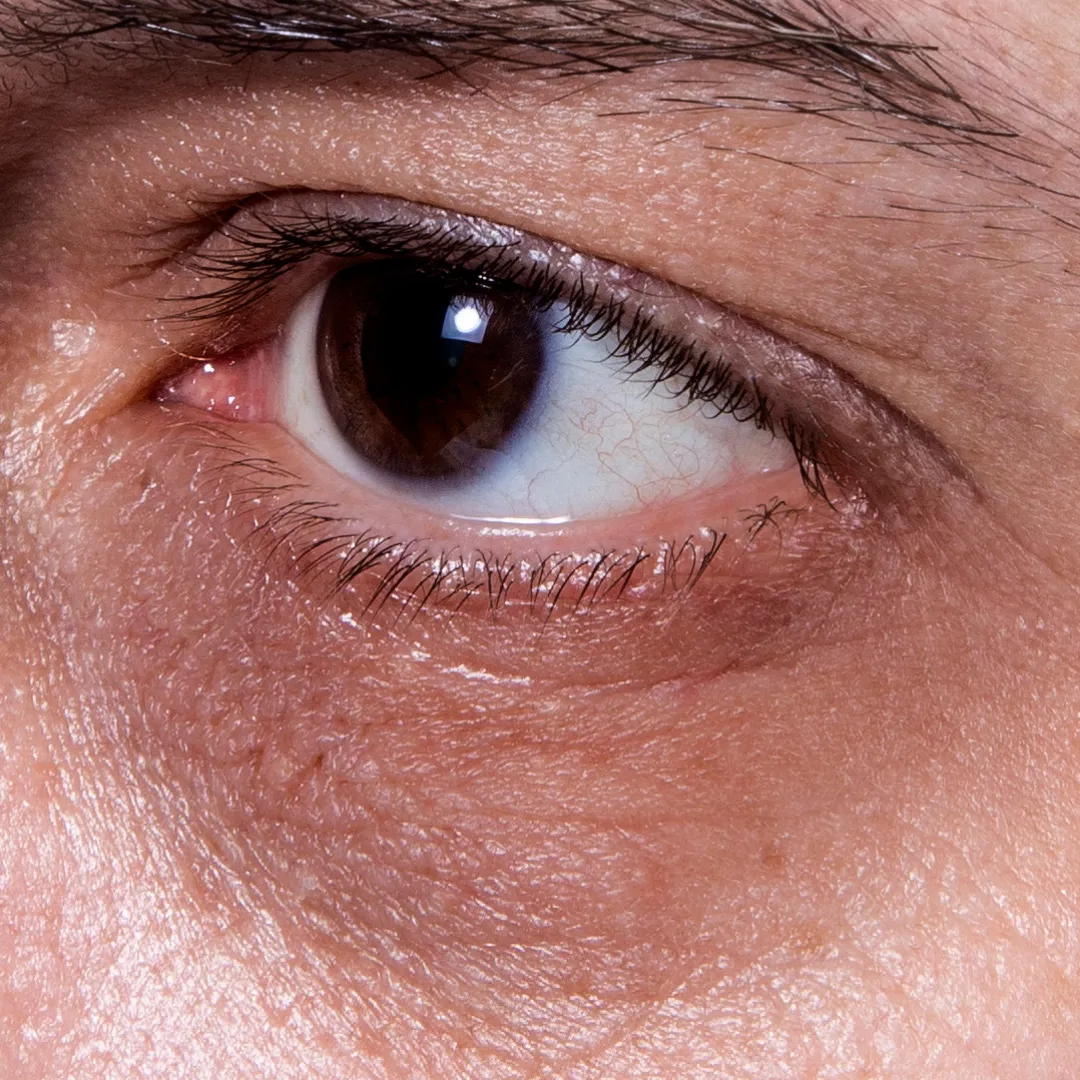
Dark circles describe a darker or shadowed appearance under the eyes. Pigment, visible vessels, puffiness and facial structure can each contribute.
Read the guide
Hair loss
Hair loss may involve extra shedding, gradual thinning, patches or changes to the hairline. Identifying the pattern is the first useful step because these presentations have different causes.
Read the guide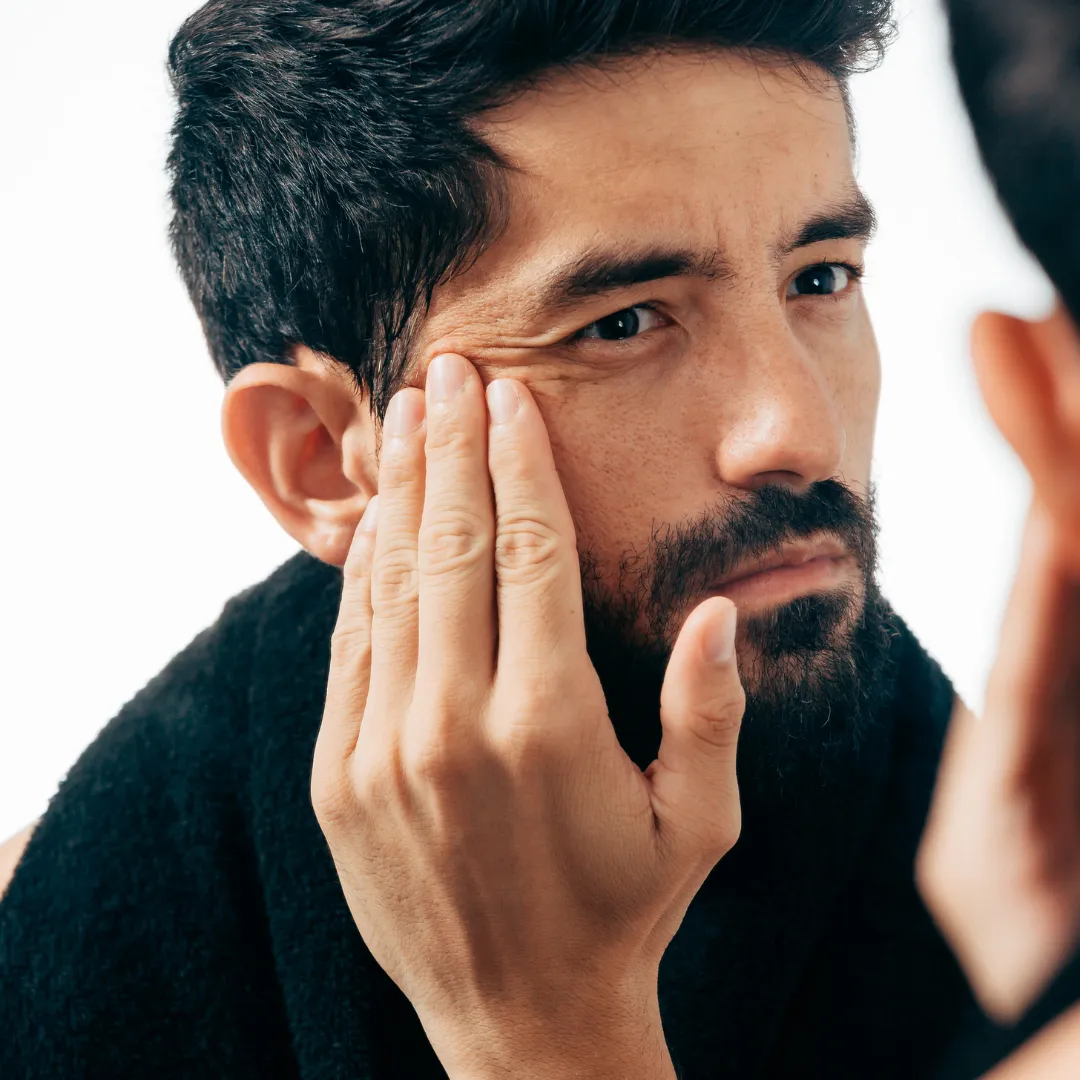
Wrinkles
Wrinkles are lines or folds that develop as skin changes with age, sun exposure and repeated facial movement. Some appear mainly with expression, while others remain when the face is at rest.
Read the guideCategory guides

Anti Aging
Anti-ageing care addresses visible changes such as lines, uneven texture, pigmentation and reduced firmness. A useful plan starts with the feature you want to change rather than treating age itself as a problem.
Read the guide
Cosmetology
Cosmetology in this setting refers to care aimed at improving selected aspects of appearance, including skin texture, facial balance and visible ageing. The plan should reflect your priorities rather than a fixed beauty standard.
Read the guide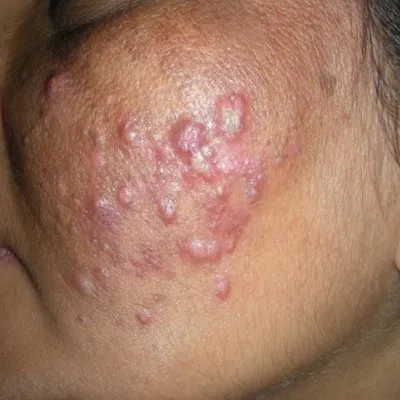
Dermacare
Dermacare covers the assessment and management of skin conditions, from acne and eczema to infections and pigment problems. A diagnosis is the starting point for effective care.
Read the guide
Dermafacial
Dermafacials are skin-care treatments designed around goals such as cleansing, hydration, exfoliation and surface appearance. The products and devices used matter more than the name alone.
Read the guideIV Drip & Wellness Therapy
Explore IV care at SkinGenious, from hydration and nutrient replacement to individual vitamin C, glutathione and NAD+ services. Compare what each option contains, what a session involves and how it relates to your goals.
Read the guide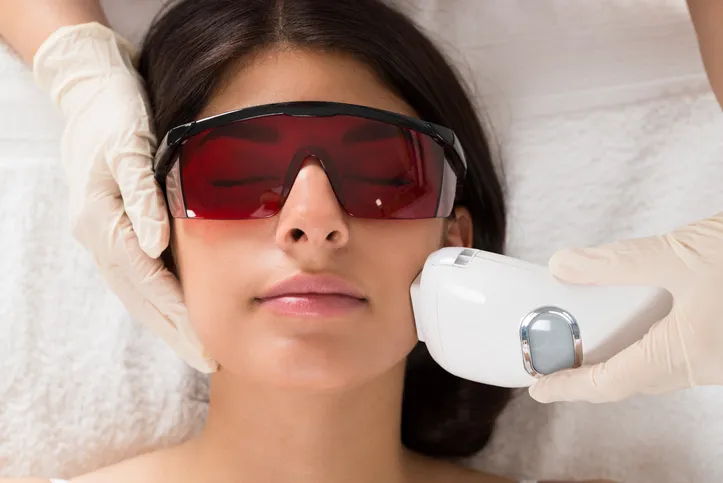
Laser
Laser treatments use selected wavelengths of light for specific targets in the skin or hair. The category includes very different procedures, from hair reduction to scar resurfacing.
Read the guideCommon questions
What hair loss treatments do your trichologists provide?
At our clinics, we offer: – Platelet rich plasma therapy (PRP) – Mesotherapy – Medications
Who is the best trichologist for my treatment?
SkinGenious uses the derm-star rating system to evaluate and choose the best hair specialist in your vicinity. This is a mechanism where we evaluate multiple factors including institute of education, quality of staff, peer and client reviews for the trichology expert. You just need to choose the trichologist closest to you.
Where should I start?
Assessment reviews the pattern, duration, scalp findings, health history and grooming habits. Tests are chosen when the findings suggest a nutritional, hormonal or inflammatory cause.
Are all treatments in this category similar?
A transplant redistributes follicles, while medical treatment can help preserve or support existing hair in selected conditions. Neither is a universal answer to every form of hair loss.
What should I expect from a care plan?
Hair changes take months to assess. Early diagnosis can matter, particularly where inflammation threatens permanent follicle damage.
Further reading and references
Take the next step
Explore care in your city
For local specialists, clinic information and appointments, choose a city.

Mumbai
Explore local specialists, clinics and appointments in Mumbai.
Explore care
Thane
Explore local specialists, clinics and appointments in Thane.
Explore care
Navi Mumbai
Explore local specialists, clinics and appointments in Navi Mumbai.
Explore care
Hyderabad
Explore local specialists, clinics and appointments in Hyderabad.
Explore care
Jaipur
Explore local specialists, clinics and appointments in Jaipur.
Explore care