 SCIENTIFIC SKIN, HAIR & PERSONAL AESTHETICS
Concern guides
Hyperpigmentation: understanding the concern and care options
Hyperpigmentation means an area of skin is darker than the surrounding skin because of increased or altered pigment. The pattern helps identify the cause.
SkinGenious editorial team
Explore the guide ↓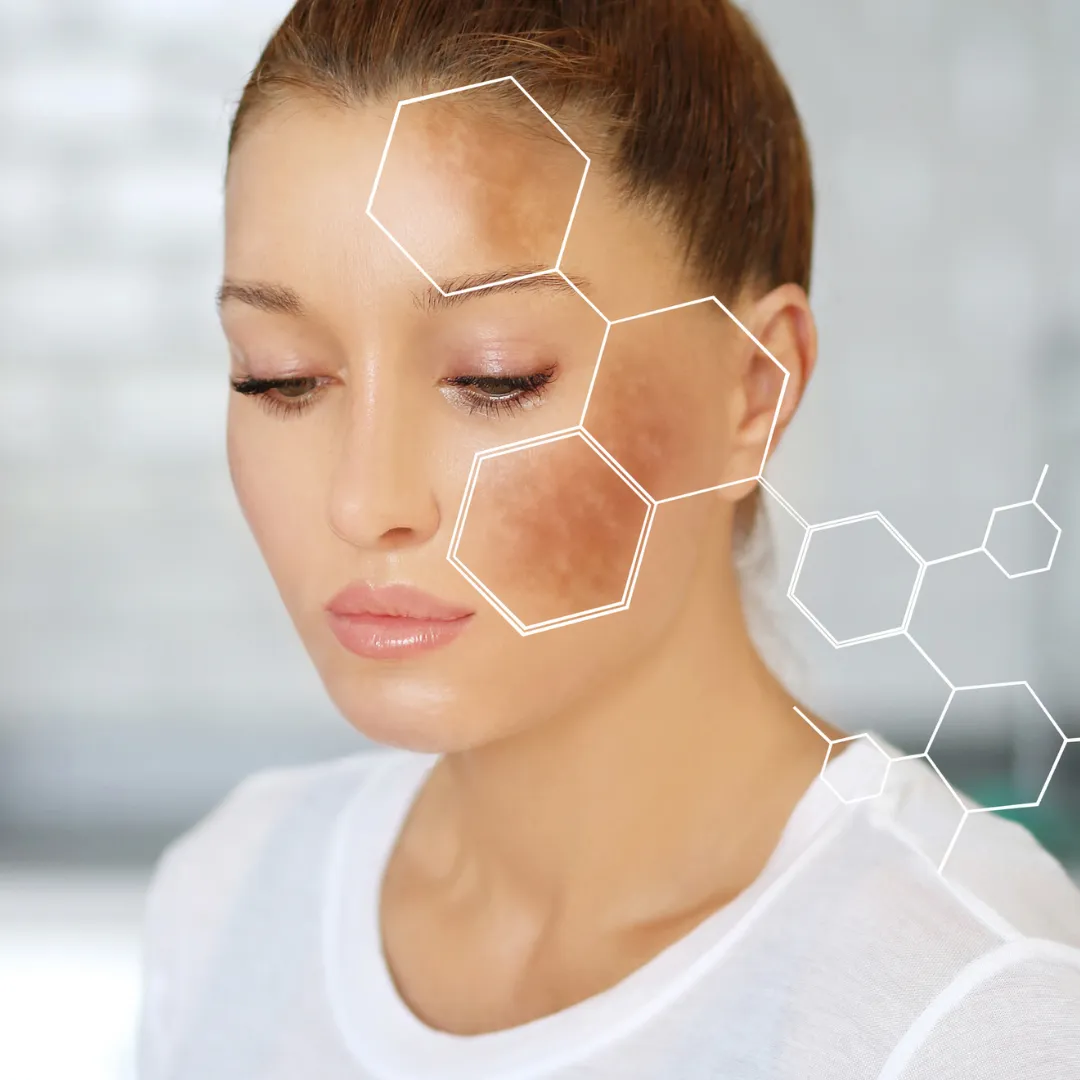
Understanding the concern
Melanin is the natural pigment molecule in our body. There are different types of melanin such as eumelanin and pheomelanin. Our natural skin tone is an expression of the type and amount of melanin that we have.
Pigmentation is a problem which occurs when some parts of the body generate more melanin than the surroundings, which makes them appear as dark patches.
Melasma is also a type of hyperpigmentation which has further underlying causes (still under study) such as hormonal issues apart from sun exposure. It appears mostly in the areas of the face which are the cheeks, nose bridge, forehead and chin. Other types include sun spots and age spots. To enumerate them, the basic causes of pigmentation are:
- Sun exposure
- Melasma
- PIH : post inflammatory hyperpigmentation, caused after inflammation or scarring, including acne scars.
However, whatever the underlying cause, the outcome is increased presence of melanin in patches.
Most Indians fall in range of type III to type V on the Fitzpatrick scale of skin tones. This means that we generally have darker skin. The thing with darker skin is that it has a higher ability to fight off damage caused by the sun through darkening and generation more melanin. The pigment provides natural sun protection factor (SPF) which is why it is generated by the body as a defense mechanism. While lighter tones tend to get sunburnt, darker skin tones tend to tan.
Hence, regular use of sunscreen is the best way to avoid pigmentary problems.
The ultraviolet rays from the sun lead to certain changes in existing melanin and may lead to generation of melanin which appears as patches of pigmentation. In the case of melasma, it may also be due to hormonal reasons.
UV A rays generally lead to changes in the color of existing melanin and these changes are immediate and also tend to be more temporary in nature. UV B rays lead to melanogenesis, or the generation of new melanin by the body. These changes appear 2-3 days after the exposure event and tend to be long term in nature. Melanin is accumulated in the epidermis and dermis (deeper) layers of the skin.
So, in case you are suffering from such dark patches on the skin, are in Mumbai and are looking for a solution to reverse them, this page is for you.
Hyperpigmentation means an area of skin is darker than the surrounding skin because of increased or altered pigment. The pattern helps identify the cause.
Causes and contributing factors
Sun exposure, melasma, inflammation, acne, irritation and some medicines can contribute. Pigmentation may recur if its trigger remains active.
How it is assessed
The clinician reviews the pattern, onset, exposures and previous products. Examination helps distinguish a pigment condition from a lesion that needs a different investigation.
When to seek medical advice
A new or changing pigmented lesion, bleeding, an irregular mole or widespread pigment change with other symptoms needs assessment.
Treatment and management options
Treatment may involve sun protection, topical medicines, selected peels or carefully chosen devices. Melasma and post-inflammatory pigment require a plan that avoids adding irritation.
Carbon Laser Facial ↗
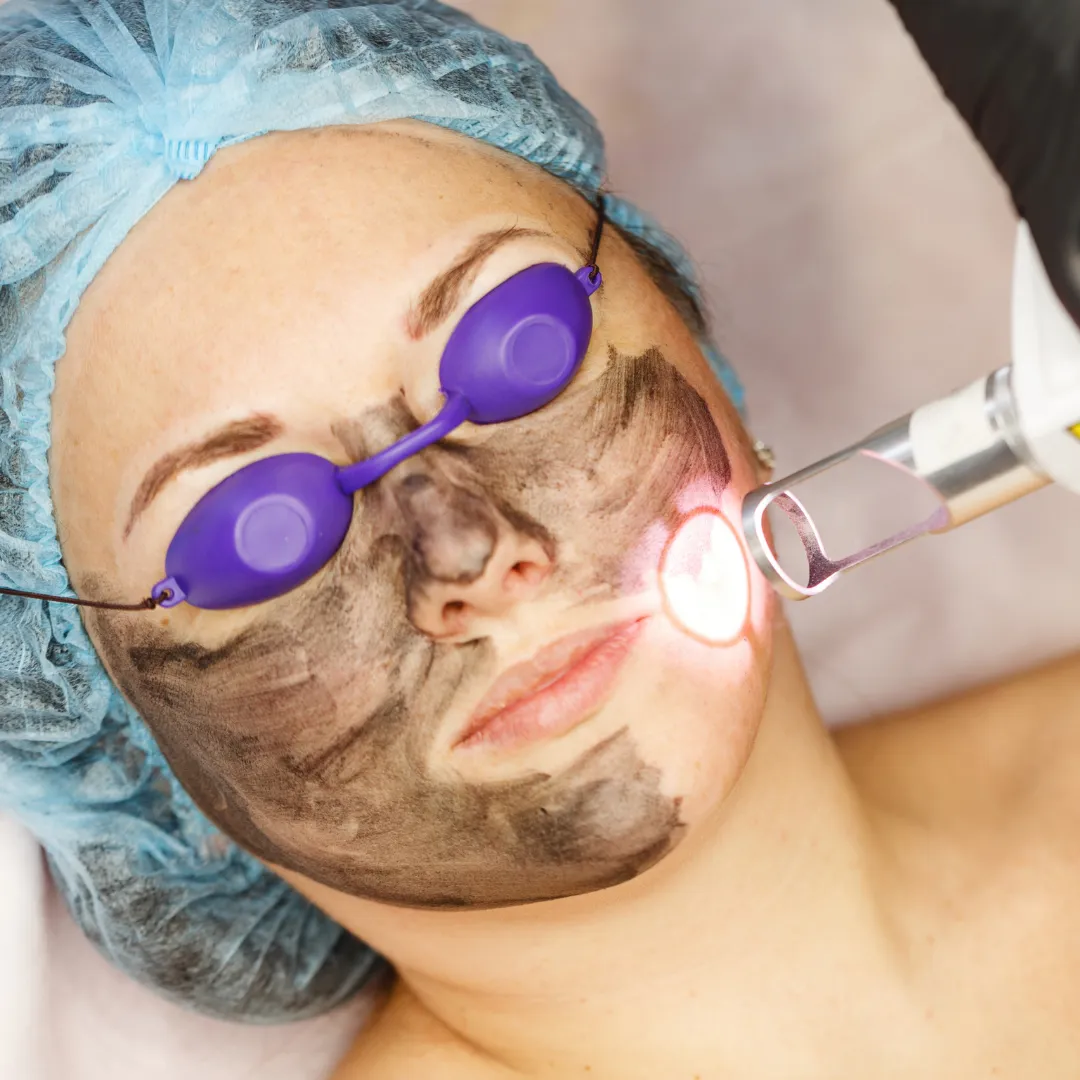
A revolutionary laser treatment, the carbon laser facial exfoliates, cleanses and rejuvenates the skin. While reducing oiliness, it provides an instant, refreshed appearance, leaving the skin softer, smoother, cleaner and firmer. A layer of liquid carbon is applied to the skin, where it penetrates deep into the pores. Laser light is highly attracted to the carbon particles and it clears the carbon, taking dead skin cells, contaminants and oil along with it.
Chemical Peeling ↗
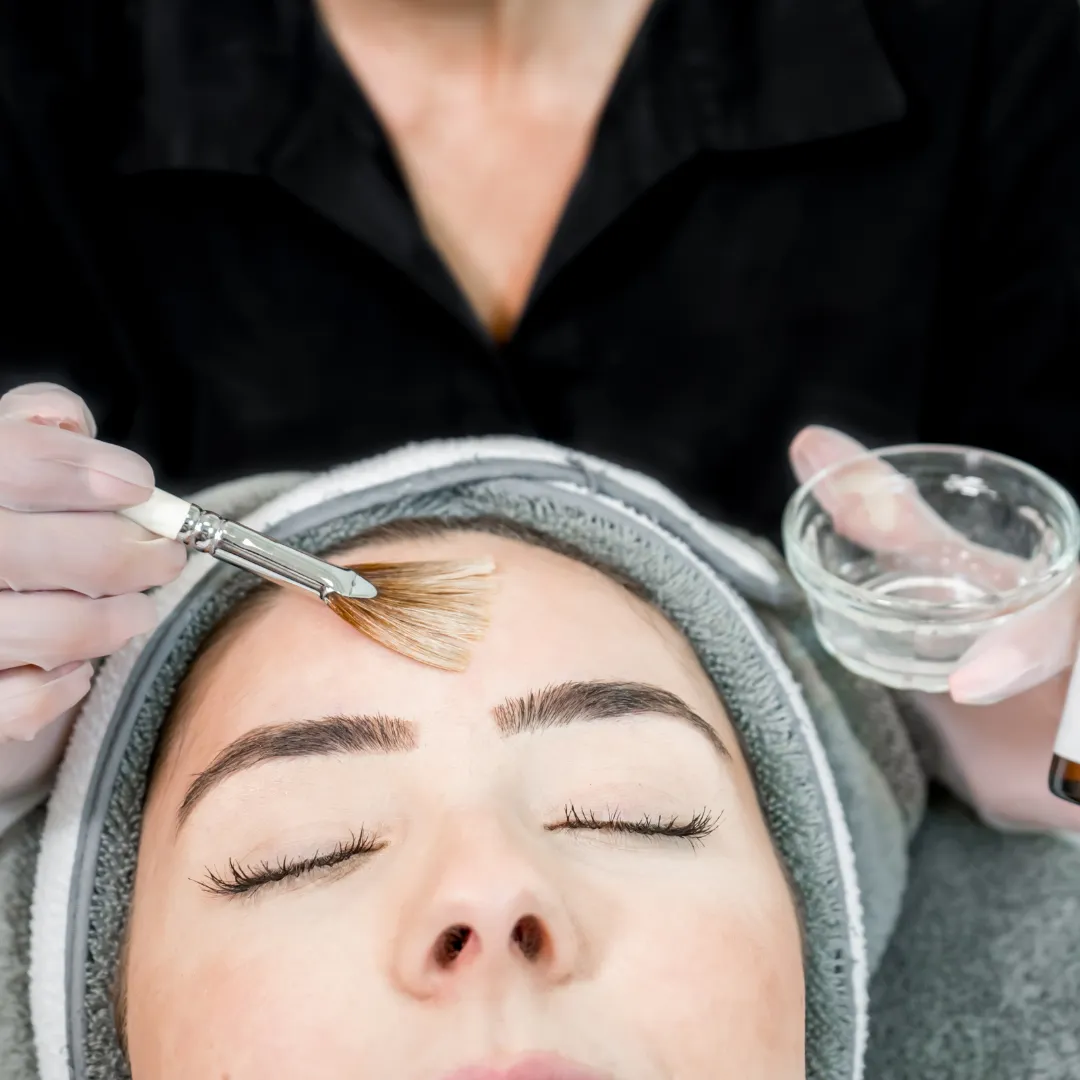
These are again concentrated forms of skin care ingredients that are applied in a controlled environment at the clinic, targeting the precise areas. Chemical peels can act on the superficial layers and some of them also act deeper. Glycolic peel (in higher concentrations), TCA peel and phenol peel are used to target the deeper layers of the skin. Lactic acid peel and mandelic peel work more superficially.
However, the use of chemical peels for has to be done very carefully on Indian skin considering the higher chances of PIH.
Fractional Co2 Laser Resurfacing ↗
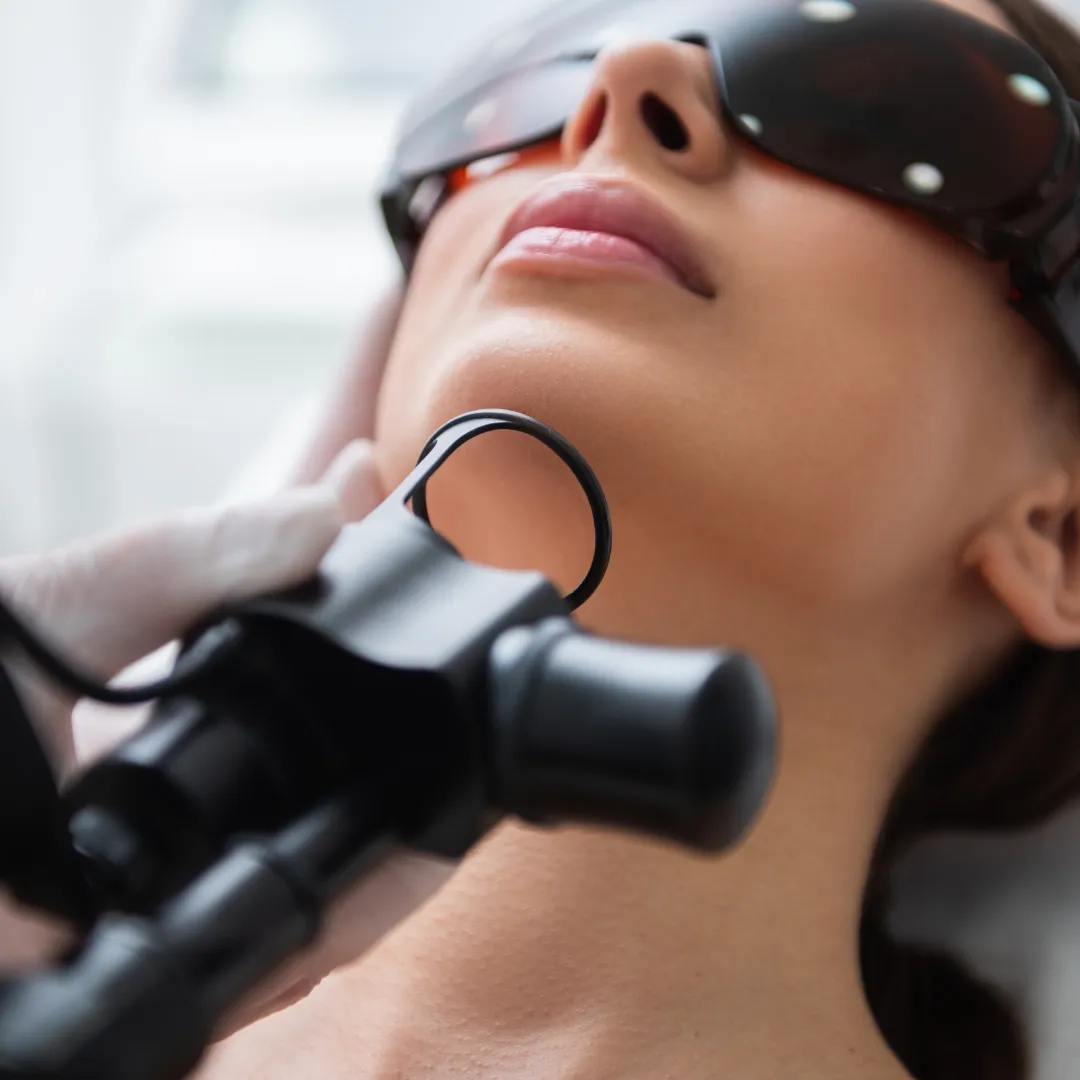
It works on both the epidermis and dermis. It removes the superficial layers of skin, taking along with it the damaged tissue. It also acts on the deeper layers of the dermis, where through heat and energy it stimulates the body to make new collagen. The principle on which it works is to deliver a laser beam that is divided into thousands of deep but tiny columns known as micro treatment zones. the micro action of expelling damaged and pigmented epidermal cells as well as collagen remodeling in deeper dermal tissue happens in each of these zones. What results, is your skin being ‘resurfaced’ with a fresh and new appearance. It doesn’t just help with the scars, but also works on removing pigmentation and helps against superficial wrinkles etc.
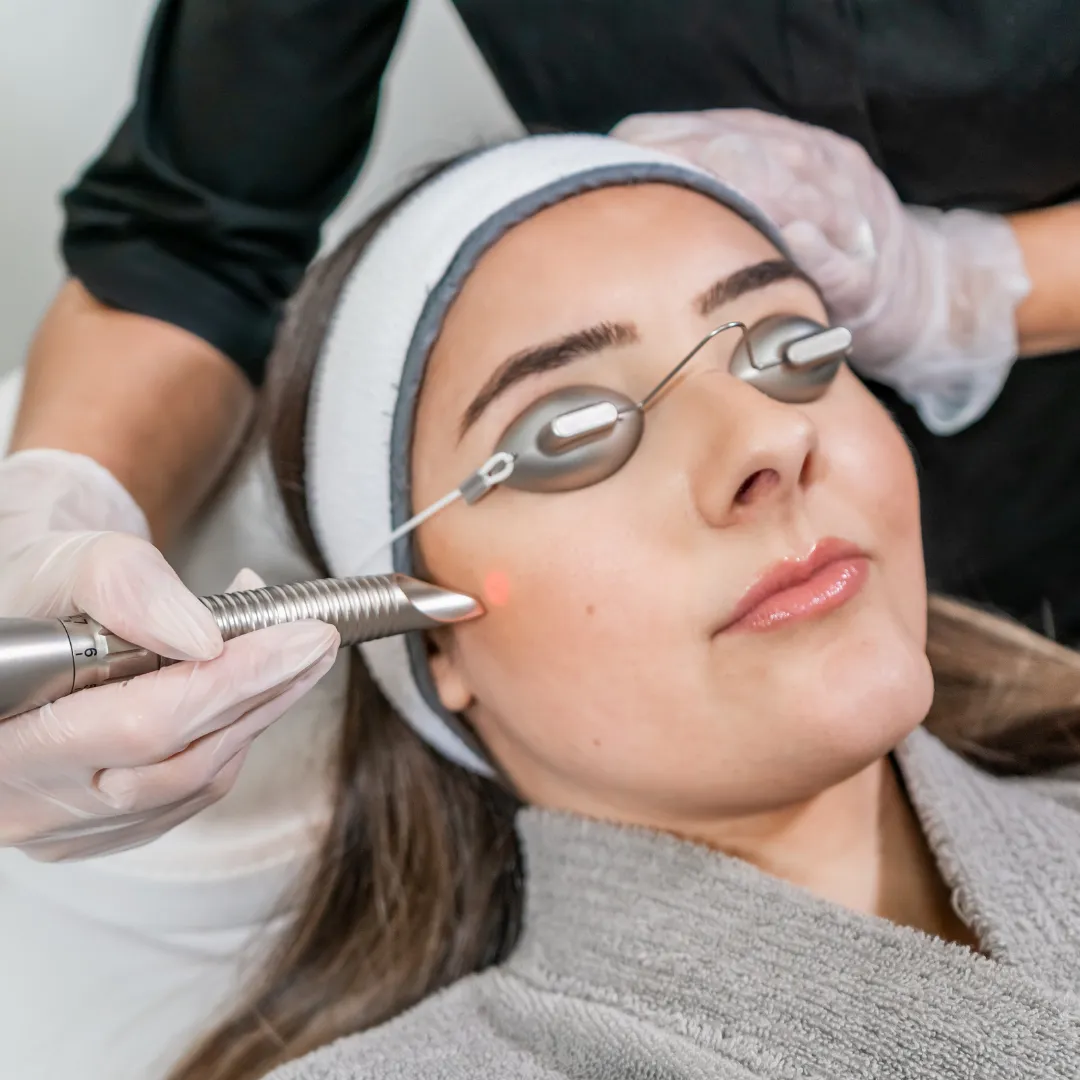
Photofacial ↗
This dermafacial focuses on improvement of sun-spots, age-spots among other concerns.
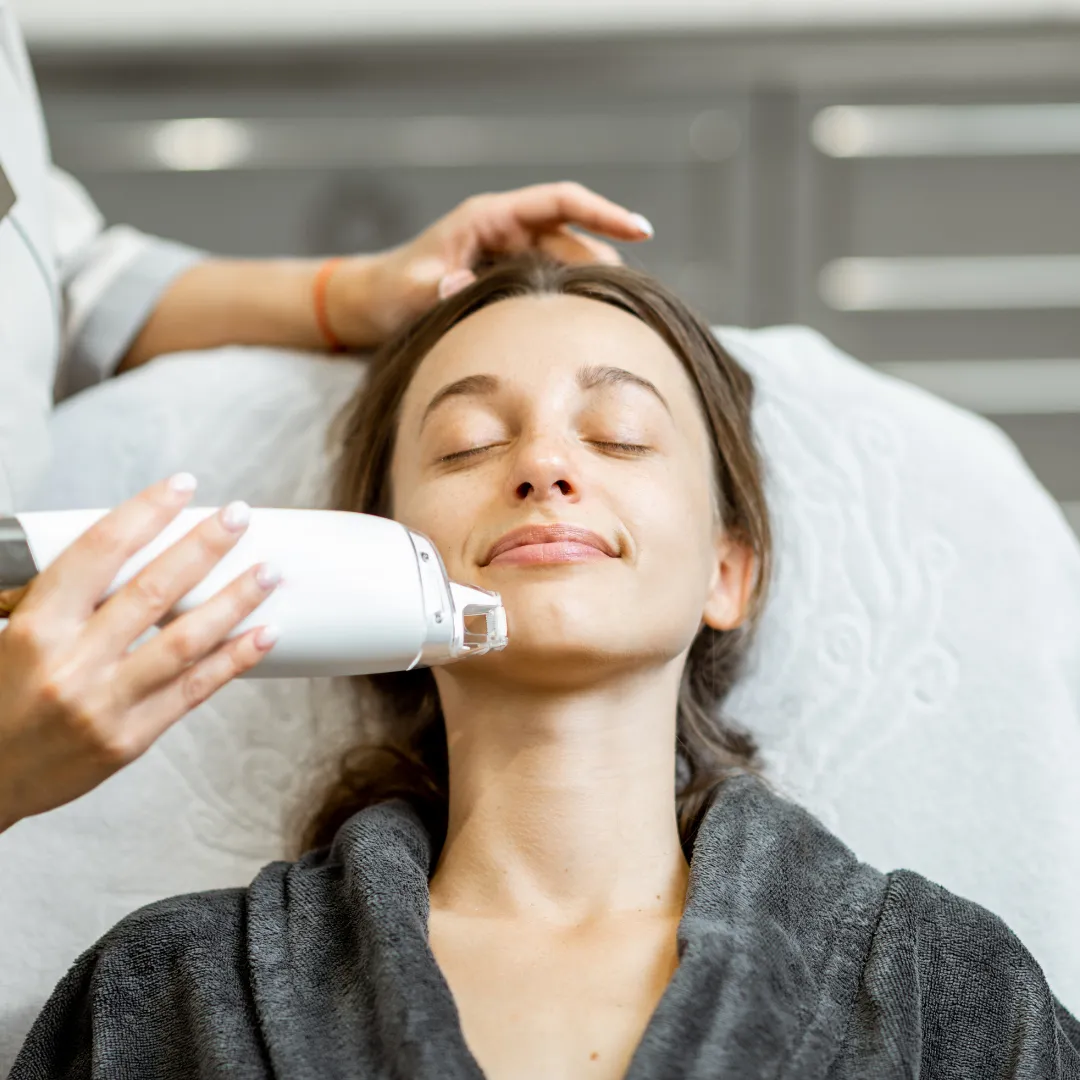
Q-switch laser ↗
The pico laser or Q-switch laser is a revolutionary technology used for hyperpigmentation treatment. The name of the laser comes from the fact that this type of laser machine can produce a pulsed output beam which enables it to produce pulses of very high power. It has a very high pulse rate and very high energy. It directly effects the excess pigment cells, breaks them down and helps in reversion of natural skin tone. It does not affect the surrounding normal cells. Our dermatologists will guide you properly on pre-care and after-care for this hyperpigmentation laser treatment. It is useful for deeper as well as superficial pigmentation and hence provides quick and visible results.
What improvement can look like
Fading takes time and varies with pigment depth and cause. Some conditions are prone to relapse, so maintenance matters as much as the first treatment.
Q-switch laser for Hyperpigmentation
The Q-swith Nd:YAG laser works very well on pigmentation. Specific wavelengths of light work on the correct shade of pigmentation.
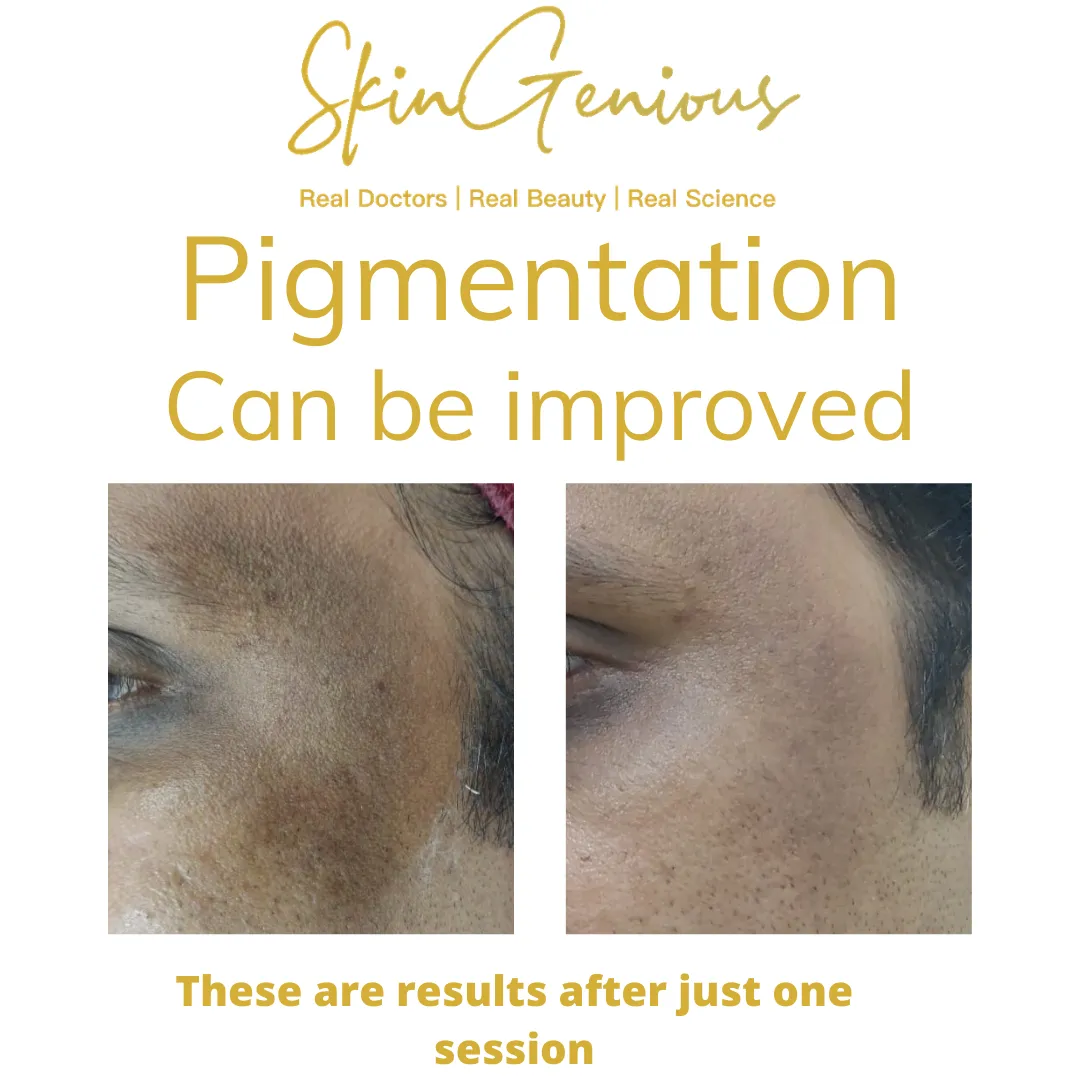
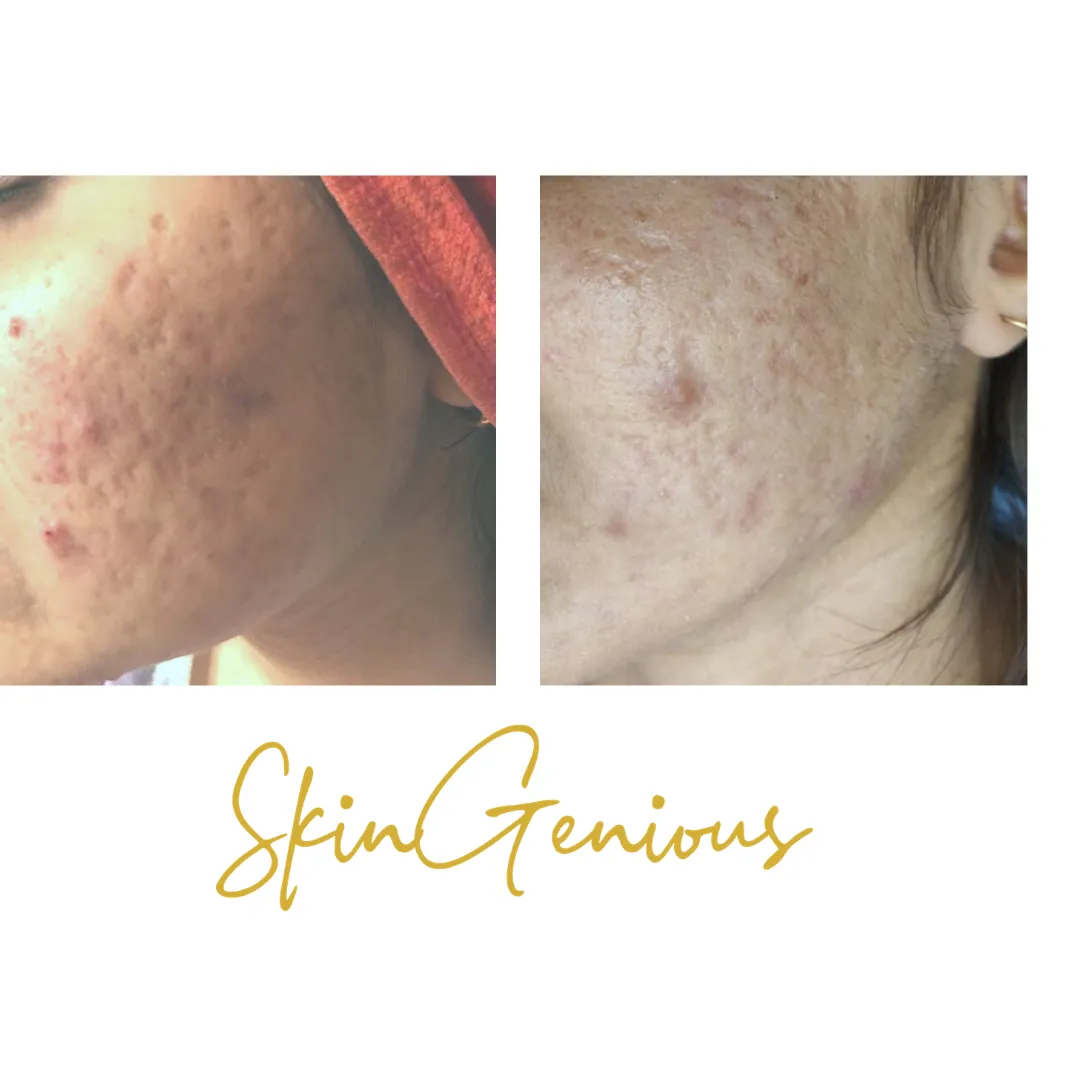
Before and after results
These photographs come from the existing treatment and concern records. They illustrate individual outcomes. Your starting point, treatment plan and healing response affect your own result.
Understanding your treatment choices
Uneven pigment can follow sun exposure, acne, eczema, rubbing or a reaction to products. Melasma has a different pattern and tendency to recur. The depth and distribution of colour give important clues, which is why a diagnosis is more useful than choosing a brightening procedure solely by its name.
Your dermatologist will ask when the pigmentation appeared, whether it followed inflammation, and how it changes with sun exposure, hormones or products. Some medicines and medical conditions can also contribute. A new, isolated or changing pigmented lesion needs assessment before it is treated cosmetically.
The plan may combine treatment of the trigger, sun protection and a suitable topical medicine with peels or a device procedure where appropriate. Not every dark patch needs a laser. Repeated irritation can itself leave more pigment, especially in skin that marks easily, so a routine that the skin tolerates is part of successful treatment.
Use consistent photographs to track the boundary and intensity of a patch. Improvement may be gradual, and recurrent conditions need maintenance rather than a one-time removal promise. If a product causes persistent burning, redness or new darkening, review it before adding another active ingredient. A simpler, well-chosen routine can be more effective than several competing brightening products.
Everyday care and prevention
Use a tolerable sunscreen consistently and avoid picking or rubbing inflamed skin. Stop unlabelled mixtures and discuss irritation before increasing product strength.
Explore related guides
Continue exploring the treatments, concerns and categories connected with this topic.
Treatment guides
Carbon Laser Facial
A carbon laser facial combines a topical carbon preparation with laser treatment for selected surface concerns. Learn how it is used and how to compare it with other skin-care options.
Read the guideChemical Peeling
Chemical peels improve selected surface and texture concerns by producing controlled exfoliation. Understand the different depths, how a peel is chosen and the care needed afterwards.
Read the guideFractional Co2 Laser Resurfacing
Fractional CO2 laser resurfacing improves selected scars and changes in skin texture through controlled resurfacing. Learn about assessment, treatment, healing and the results a course can achieve.
Read the guidePhotofacial
Photofacial treatments use light to address selected pigment changes and visible redness. Explore IPL, the skin features it targets and the factors that guide a treatment plan.
Read the guideQ-switch laser
Q-switched lasers target selected pigments in the skin and tattoo ink. This guide explains how pigment treatment is chosen and why the diagnosis matters.
Read the guideConcern guides
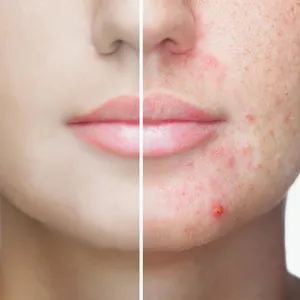
Acne
Acne is an inflammatory condition involving hair follicles and oil glands. It can include blackheads, whiteheads, inflamed spots and deeper painful lesions.
Read the guide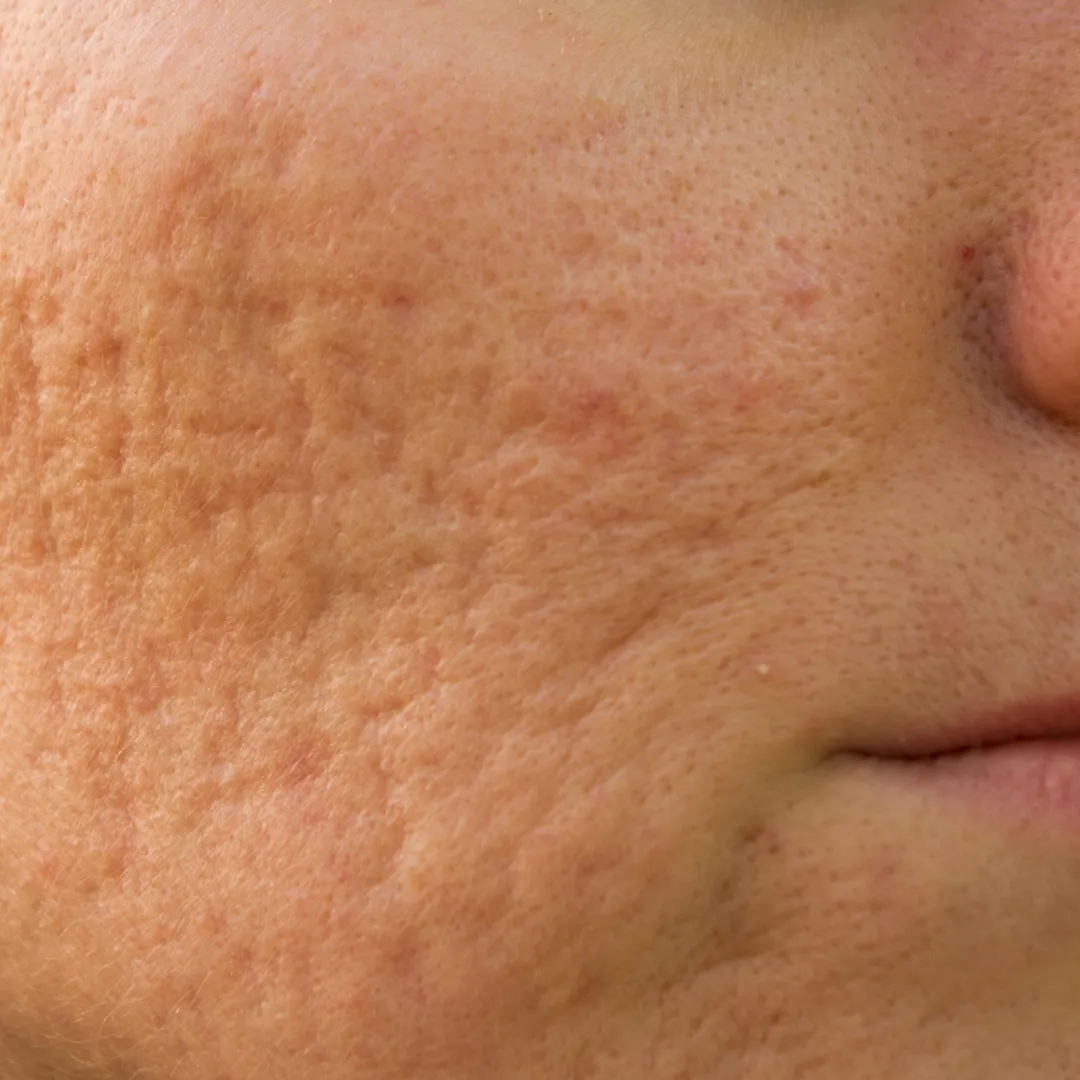
Acne scars
Acne scars are lasting changes in skin texture after acne inflammation. They differ from flat red or brown marks, which may improve without the same scar procedures.
Read the guide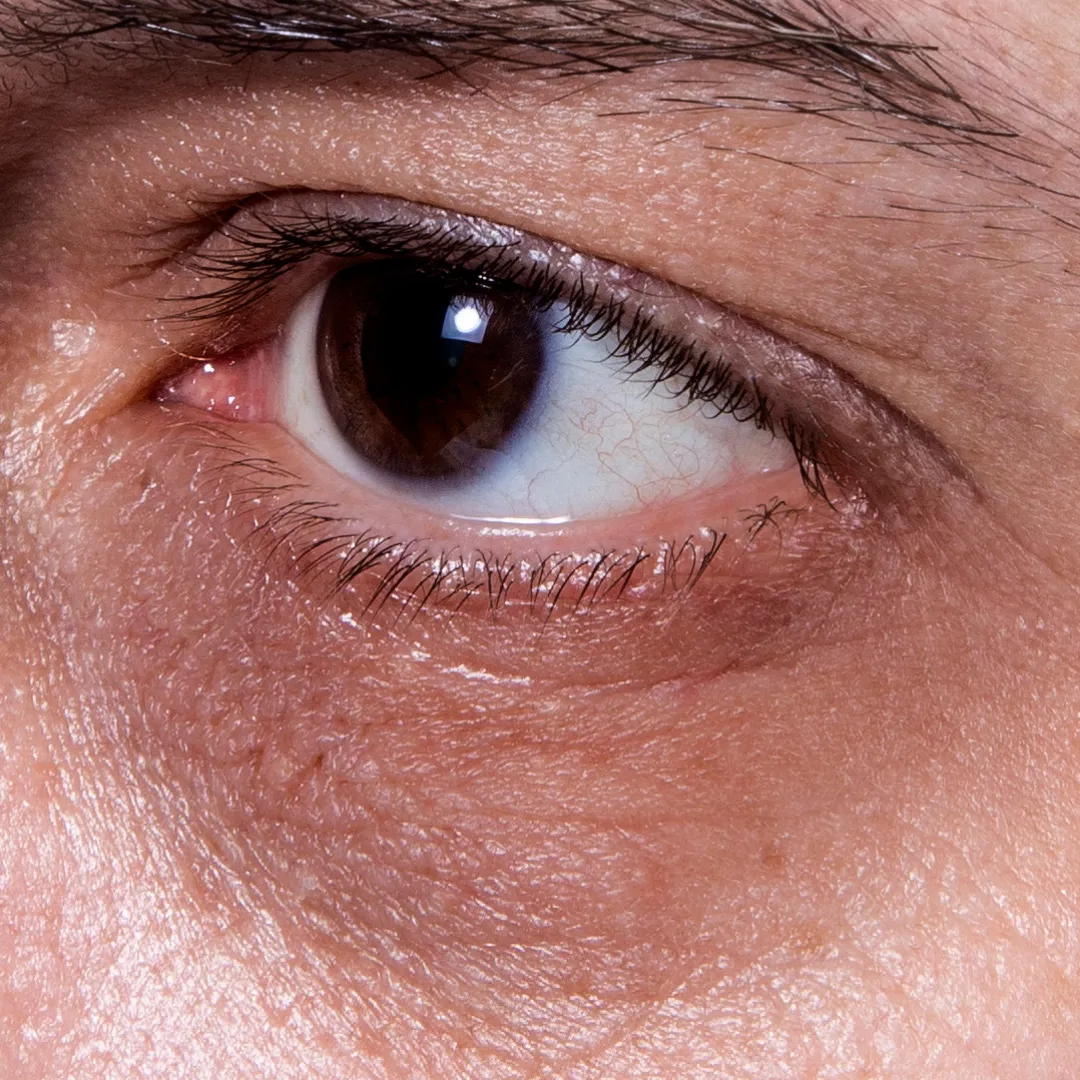
Dark circles
Dark circles describe a darker or shadowed appearance under the eyes. Pigment, visible vessels, puffiness and facial structure can each contribute.
Read the guide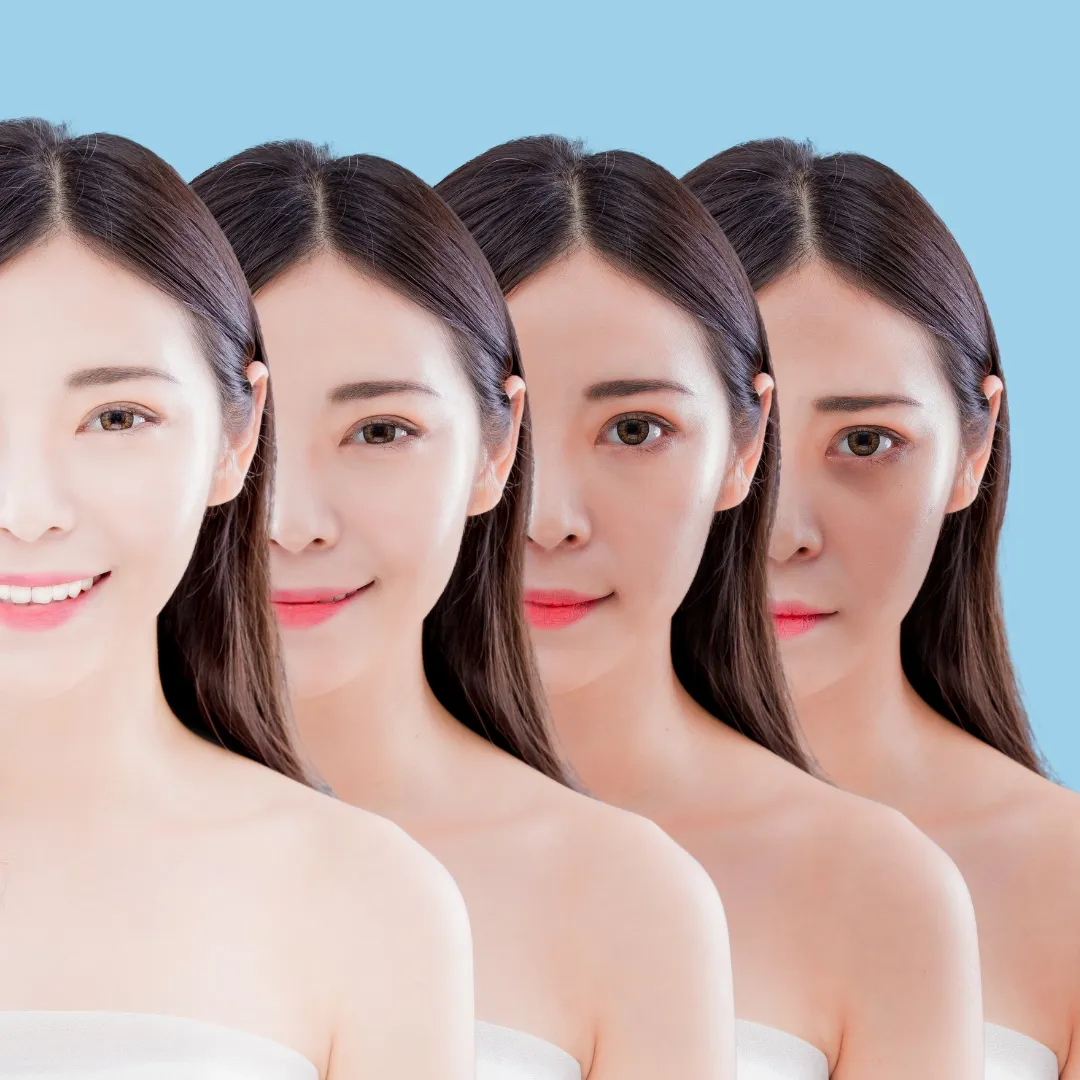
Dark skin
Darker skin is a normal part of human variation. People seeking advice may instead be noticing tanning, uneven tone, dullness or a particular patch of excess pigment.
Read the guideDull Skin & Lack of Radiance
Skin can look flat or tired for several different reasons. A useful plan separates surface dryness, rough texture and pigmentation so treatment matches what you actually want to improve.
Read the guide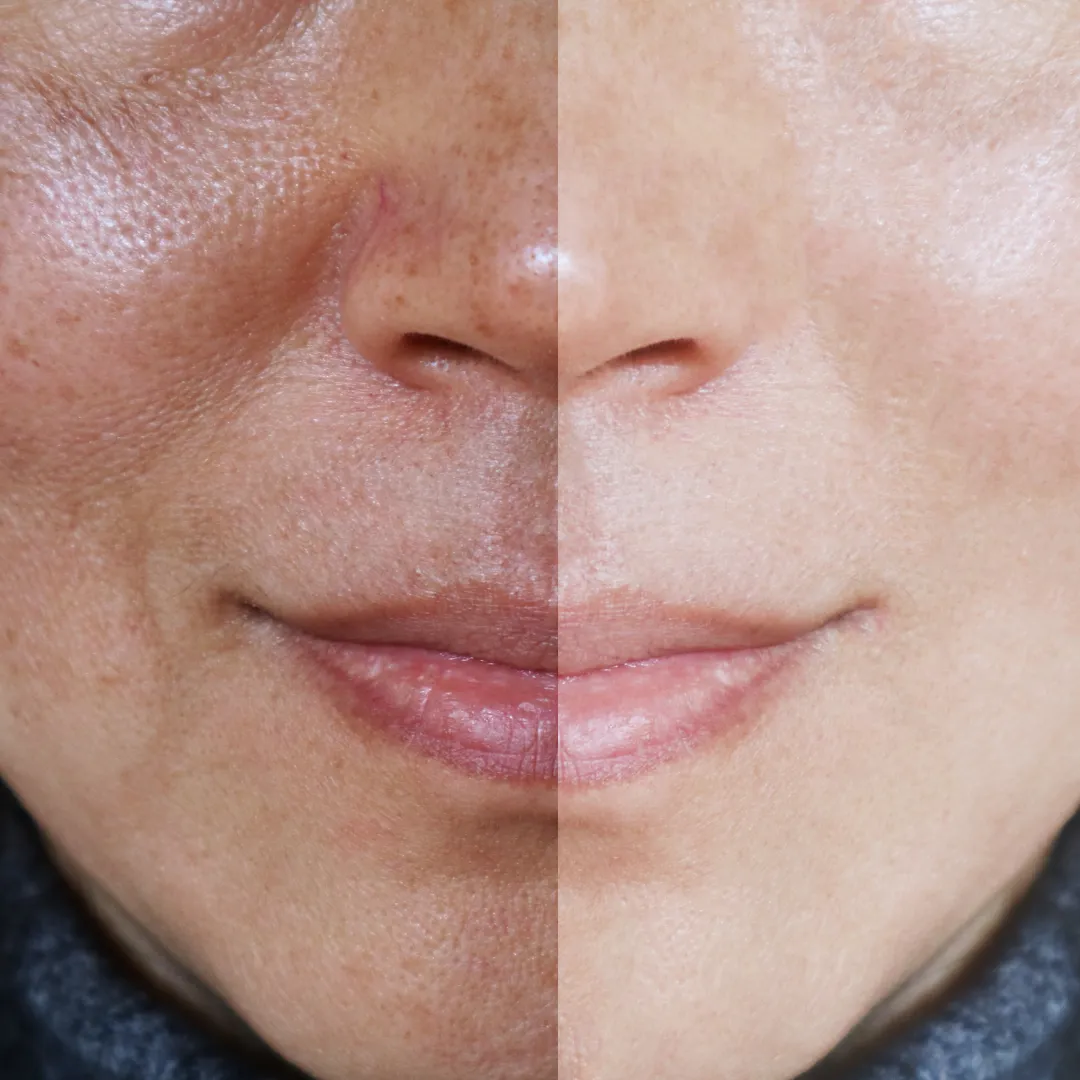
open pores
Visible pores are normal openings associated with hair follicles and oil glands. They can look more noticeable when skin is oily, congested or losing firmness.
Read the guide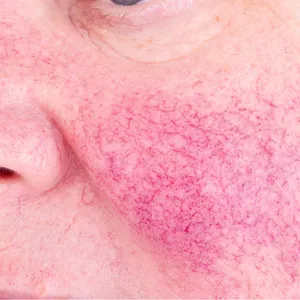
Rosacea
Rosacea is a chronic facial condition that can cause flushing, persistent colour change, visible vessels or acne-like bumps. Some people also have eye symptoms.
Read the guide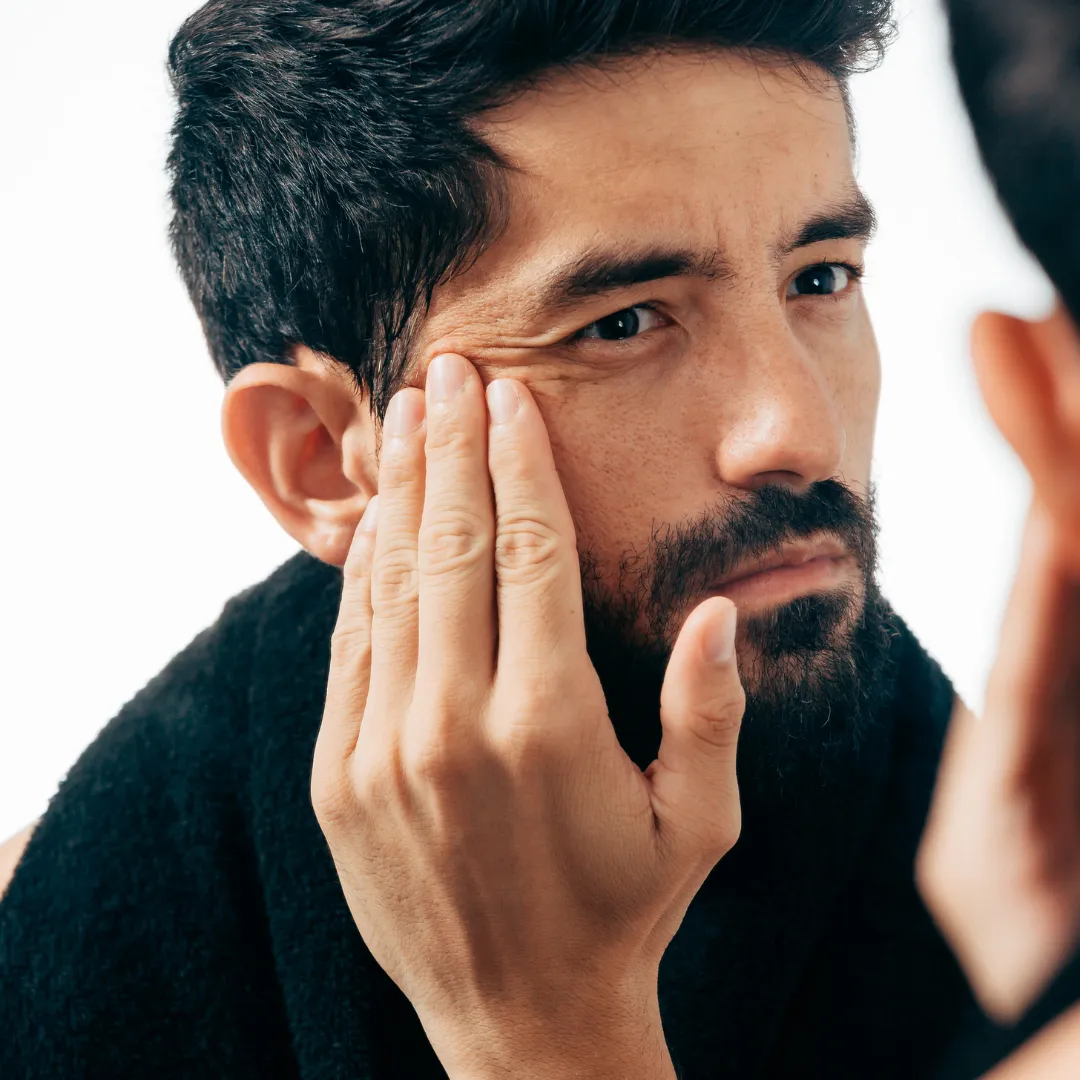
Wrinkles
Wrinkles are lines or folds that develop as skin changes with age, sun exposure and repeated facial movement. Some appear mainly with expression, while others remain when the face is at rest.
Read the guideCategory guides

Dermafacial
Dermafacials are skin-care treatments designed around goals such as cleansing, hydration, exfoliation and surface appearance. The products and devices used matter more than the name alone.
Read the guide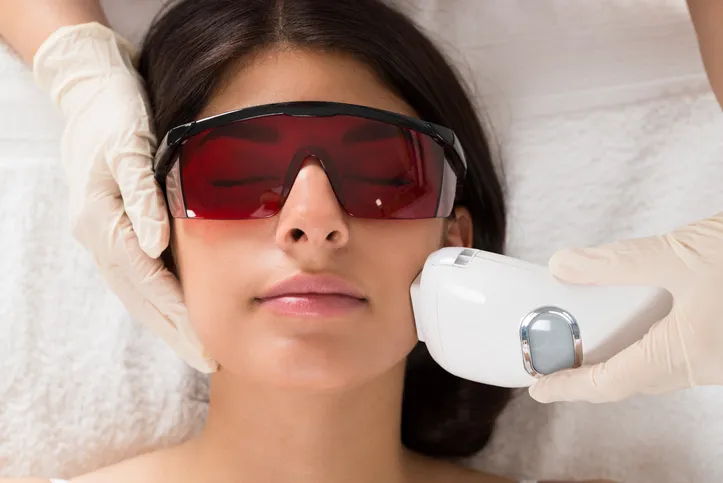
Laser
Laser treatments use selected wavelengths of light for specific targets in the skin or hair. The category includes very different procedures, from hair reduction to scar resurfacing.
Read the guideCommon questions
Can hyperpigmentation be treated at a skin clinic?
Yes, treatment options are available which can help you see significant improvement in pigmentation. At SkinGenious, you will be treated by one of the top skin specialists in the city.
What are the most effective hyperpigmentation treatments?
The chosen line of treatment can either be topical medications. The Q-switch laser or certain chemical peels, depending on the nature of the pigmentation.
How is the right care plan chosen?
The clinician reviews the pattern, onset, exposures and previous products. Examination helps distinguish a pigment condition from a lesion that needs a different investigation.
What can I do as part of everyday care?
Use a tolerable sunscreen consistently and avoid picking or rubbing inflamed skin. Stop unlabelled mixtures and discuss irritation before increasing product strength.
When should I get advice?
A new or changing pigmented lesion, bleeding, an irregular mole or widespread pigment change with other symptoms needs assessment.
Further reading and references
Take the next step
Explore care in your city
For local specialists, clinic information and appointments, choose a city.

Mumbai
Explore local specialists, clinics and appointments in Mumbai.
Explore care
Thane
Explore local specialists, clinics and appointments in Thane.
Explore care
Navi Mumbai
Explore local specialists, clinics and appointments in Navi Mumbai.
Explore care
Jaipur
Explore local specialists, clinics and appointments in Jaipur.
Explore care