 SCIENTIFIC SKIN, HAIR & PERSONAL AESTHETICS
Concern guides
Acne scars: understanding the concern and care options
Acne scars are lasting changes in skin texture after acne inflammation. They differ from flat red or brown marks, which may improve without the same scar procedures.
SkinGenious editorial team
Explore the guide ↓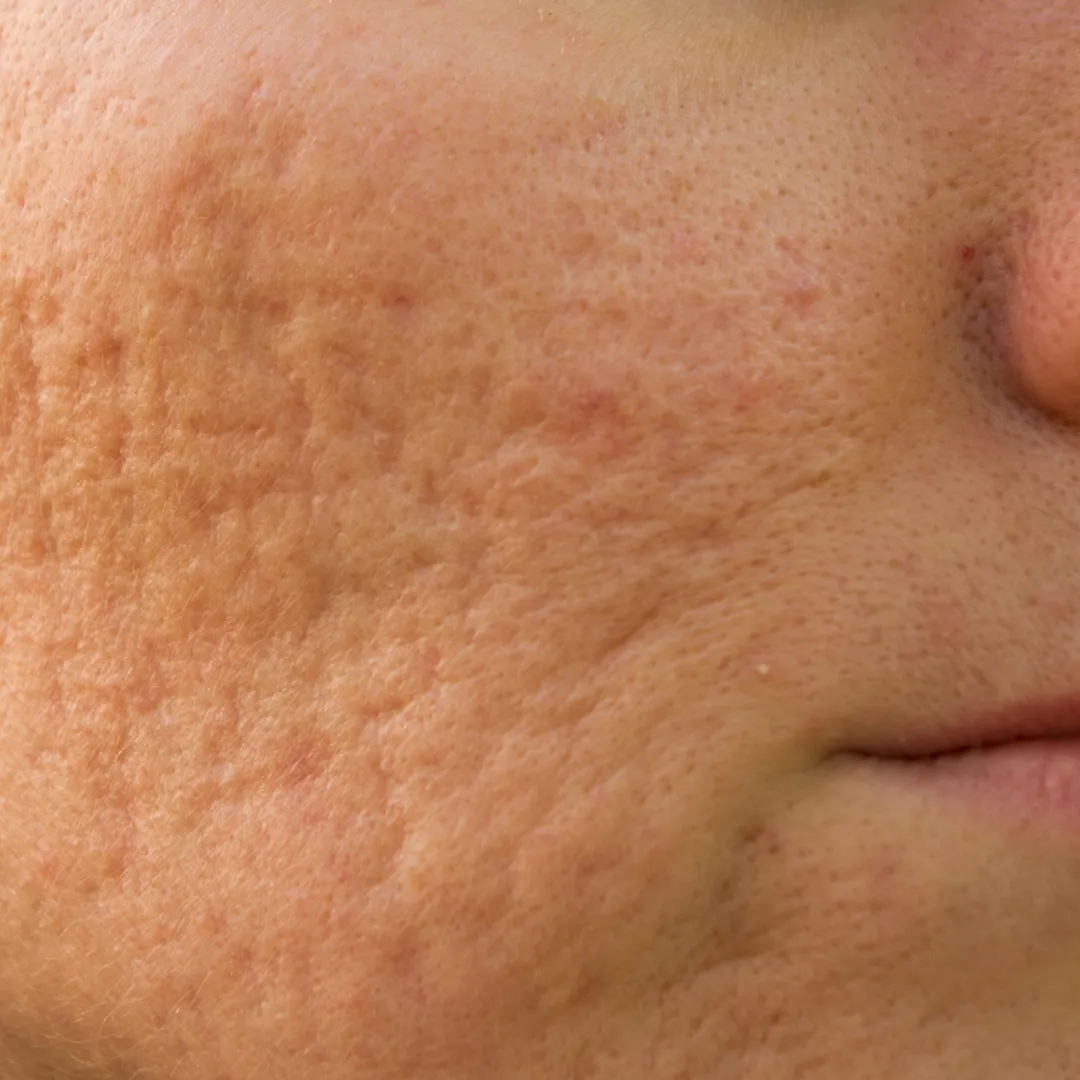
Understanding the concern
Do you pits or raised scars where you once had acne?
Are you looking for the best solution to help you reverse these scars?
Acne scars, or for that matter, any scar is caused by a breakage in connective tissue.
Connective tissue is the tissue in the body that holds our skin together. In our skin, this is mostly collagen & elastin and is present in the middle layer of skin called the dermis. The superficial layer is the epidermis.
Often, the acne pore swells up and the wall around it breaks down. This means that the connective tissue around it breaks. Small scars are common and the body is programmed to heal itself.
Persistent scars occur when the connective tissue does not heal itself properly. The scars may be seen as pits or as raised (hypertrophic) scars. The pits are called Ice-pick scars, rolling scars or boxcar scars based on how they appear. In boxcar scars for example, the edges of the scar are sharp whereas in rolling scars, the edges of the scars are slanting. Hypertrophic scars occur when the body tried to repair the collagen, but produced too much of it, therefore giving a raised appearance.
Acne scars can be seen as:
- mild, moderate or severe
- pitted or hypertrophied
- associated with or without redness and pigmentation
In case you are suffering from such marks on the skin, are in Mumbai and are looking for a solution to reverse them, this page is for you.
Acne scars are lasting changes in skin texture after acne inflammation. They differ from flat red or brown marks, which may improve without the same scar procedures.
Causes and contributing factors
Inflammation can alter collagen and healing. Deep or prolonged acne, picking and individual healing tendencies influence the risk of scarring.
How it is assessed
The clinician distinguishes ice-pick, boxcar, rolling and raised scars, and checks whether active acne is still present. Most faces have a mixture of scar types.
When to seek medical advice
Treat active, painful or scarring acne early. A raised scar that grows beyond the original injury needs a different assessment from a depressed scar.
Treatment and management options
Depending on scar type, options include subcision, focal techniques, microneedling, fractional resurfacing or selected fillers. Combination plans are common because one technique rarely suits every scar.
Chemical Peeling ↗
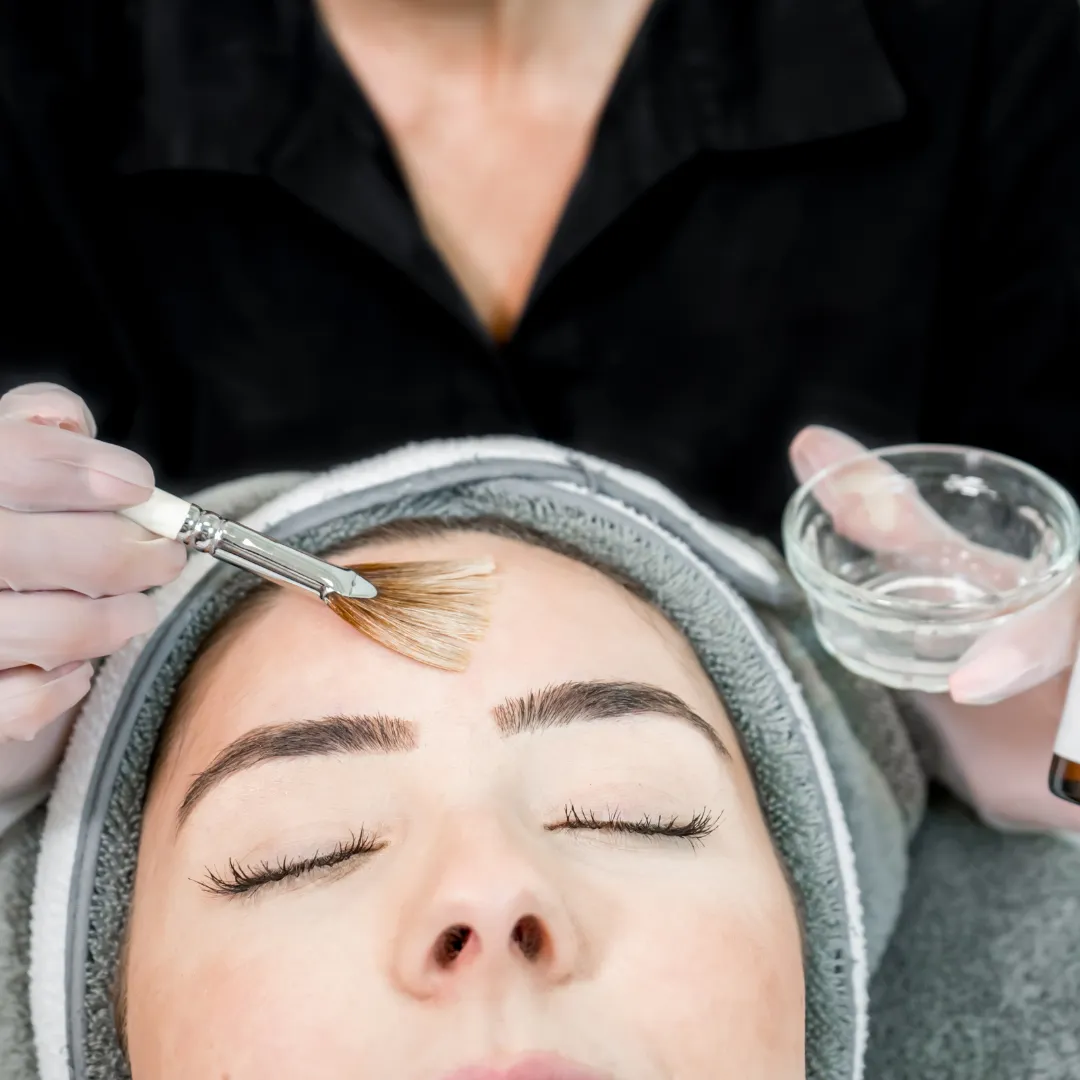
In cased of acne scars with redness, the most commonly used peels include salicylic acid, glycolic acid, azelaic acid peels. In case of pitted acne scars, we use the cross trichloroacetic acid (Cross TCA) peel. These peels help by removing the upper layer of skin and thus helping the body generate new skin in its' place. The re-formed skin is smoother with reduced appearance of the scars.
Fractional Co2 Laser Resurfacing ↗
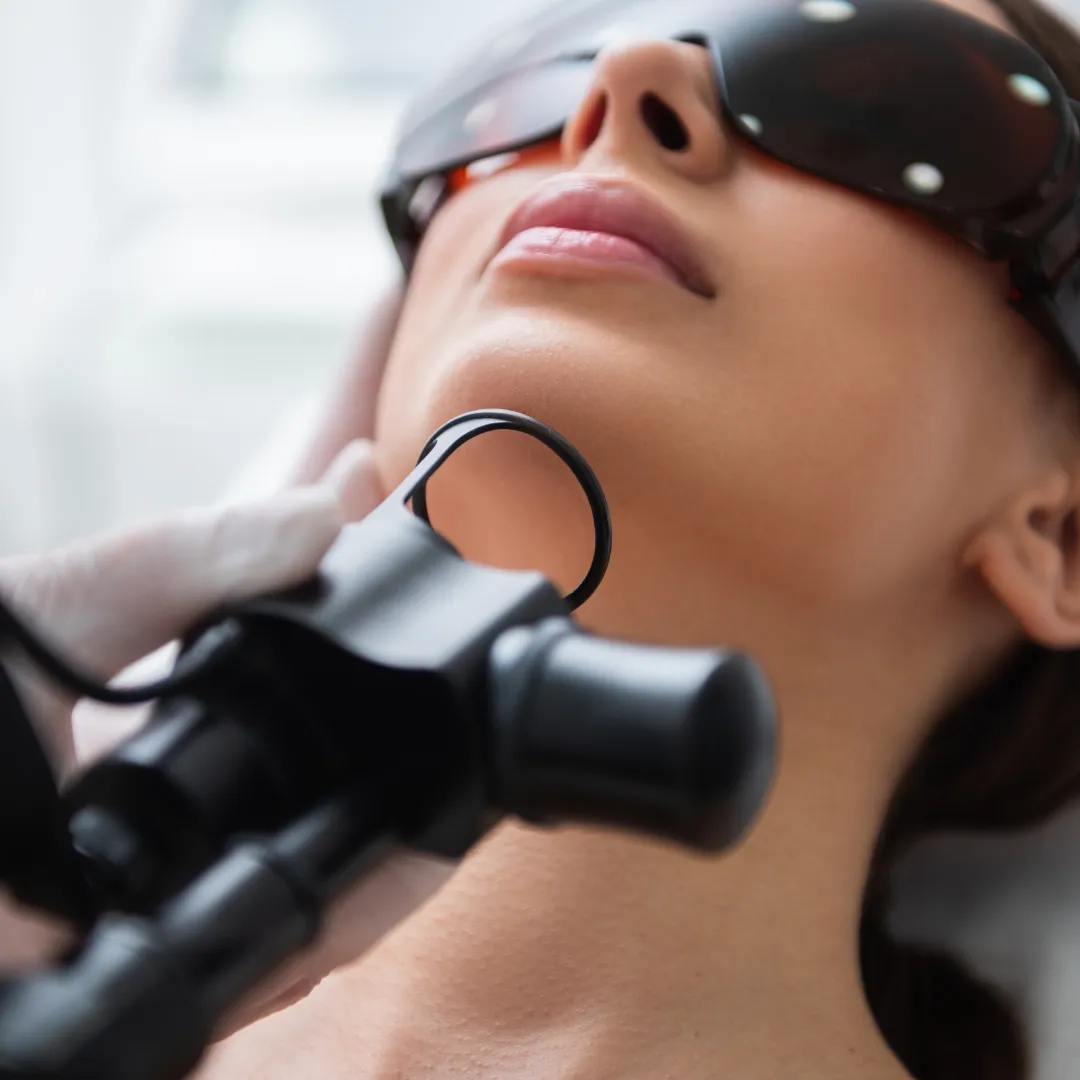
With the advent of the fractional Co2 laser, things have changed for the better. It works on both the epidermis and dermis. It removes the superficial layers of skin, taking along with it the damaged tissue. It also acts on the deeper layers of the dermis, where through heat and energy it stimulates the body to make new collagen. The principle on which it works is to deliver a laser beam that is divided into thousands of deep but tiny columns known as micro treatment zones. the micro action of expelling damaged and pigmented epidermal cells as well as collagen remodeling in deeper dermal tissue happens in each of these zones. What results, is your skin being ‘resurfaced’ with a fresh and new appearance. It doesn’t just help with the scars, but also works on removing pigmentation and helps against superficial wrinkles etc.
Photofacial ↗
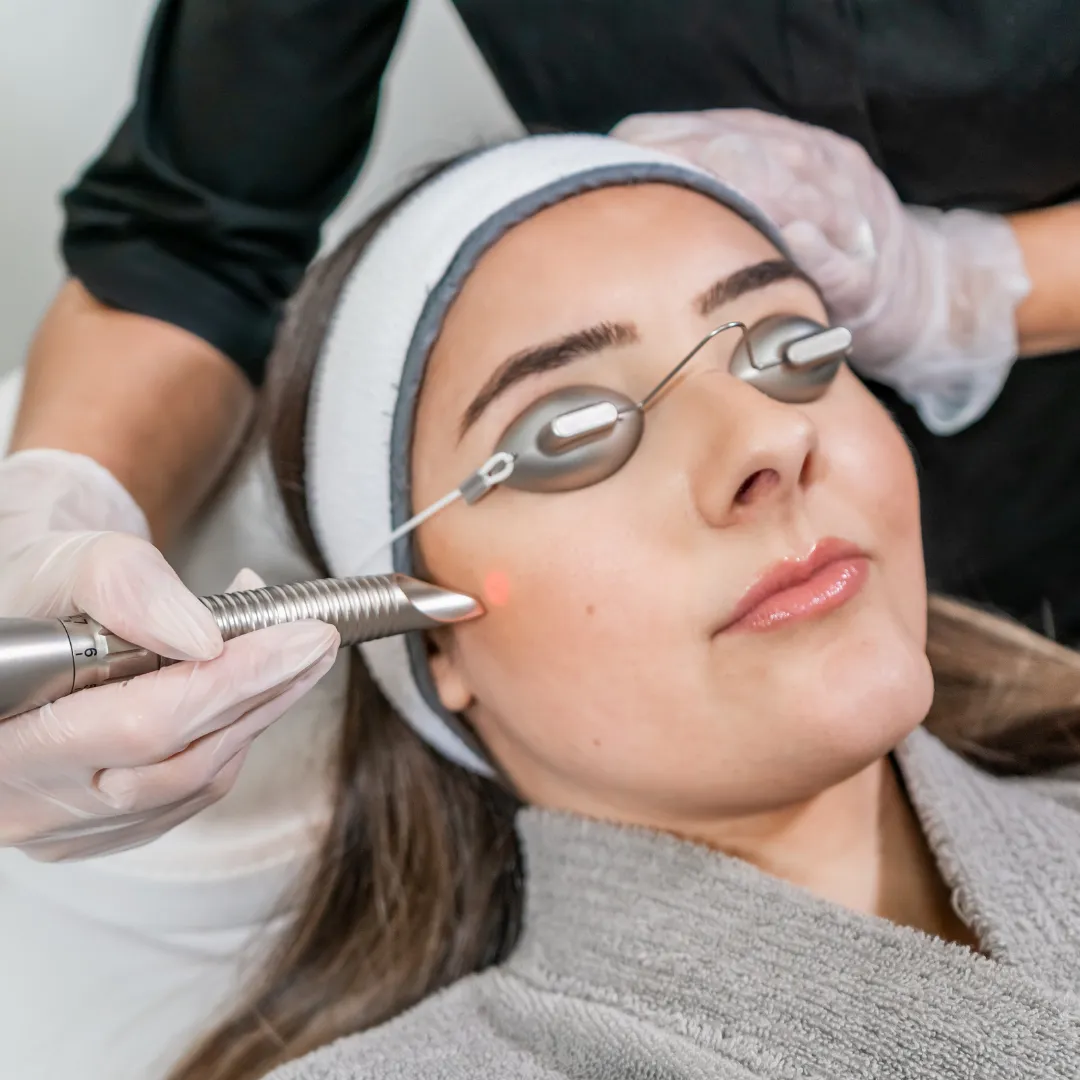
This dermafacial focuses on improvement of sun-spots, age-spots among other concerns.
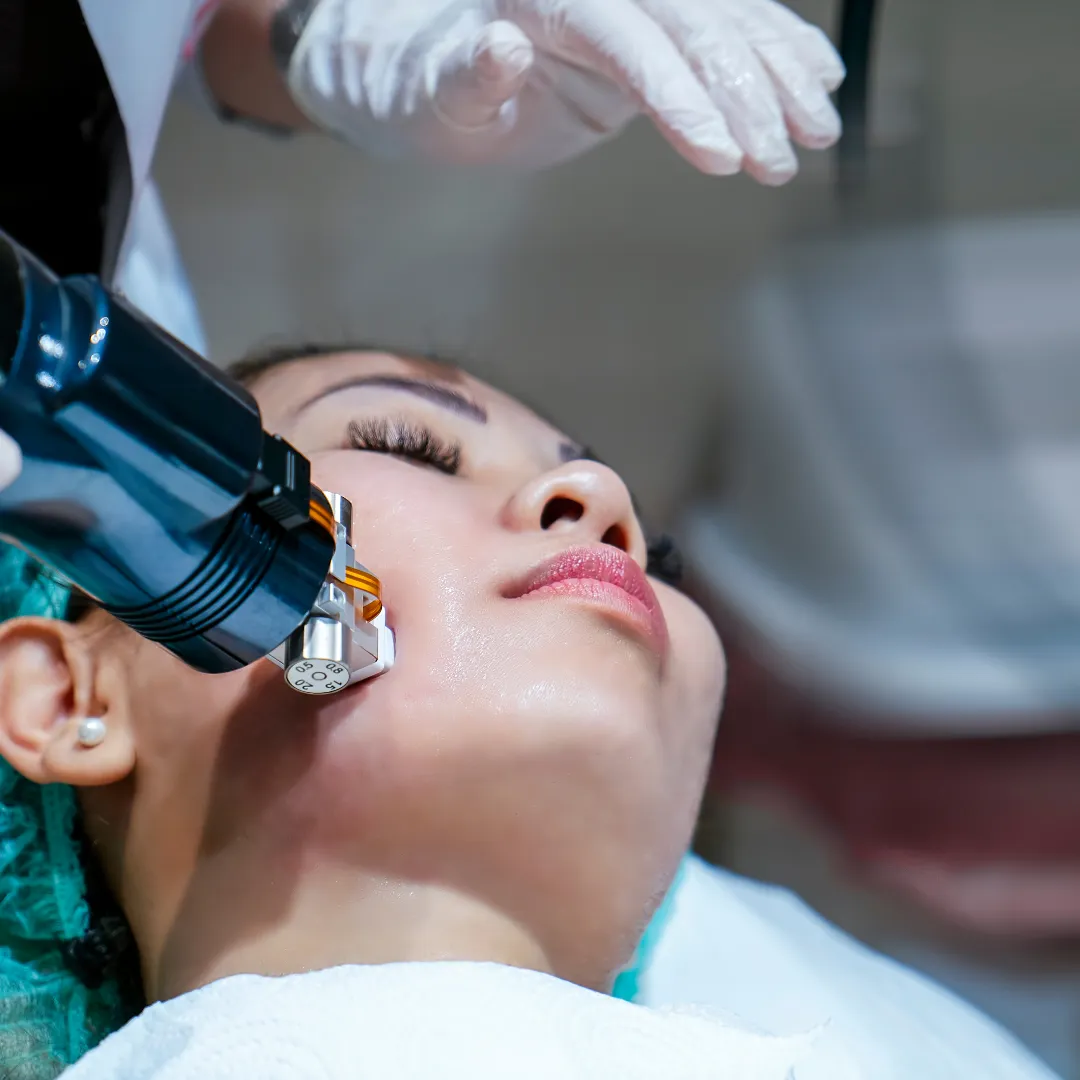
RF Microneedling (MNRF) ↗
The probe head used in the MNRF treatment has multiple small needles along with the ability to release radiofrequency waves. The idea of combining these two to help the body by first breaking down the ill-formed connective tissue (scar) and then stimulating new connective tissue (collagen and elastin) in its' place. The new skin that is formed is firmer, thicker and smoother, thus reducing the appearance of the scars.
What improvement can look like
Improvement is usually gradual and partial. The aim is a more even texture, with session spacing and recovery selected for skin tone and the procedures used.
Fractional Co2 Laser Resurfacing for Acne scars
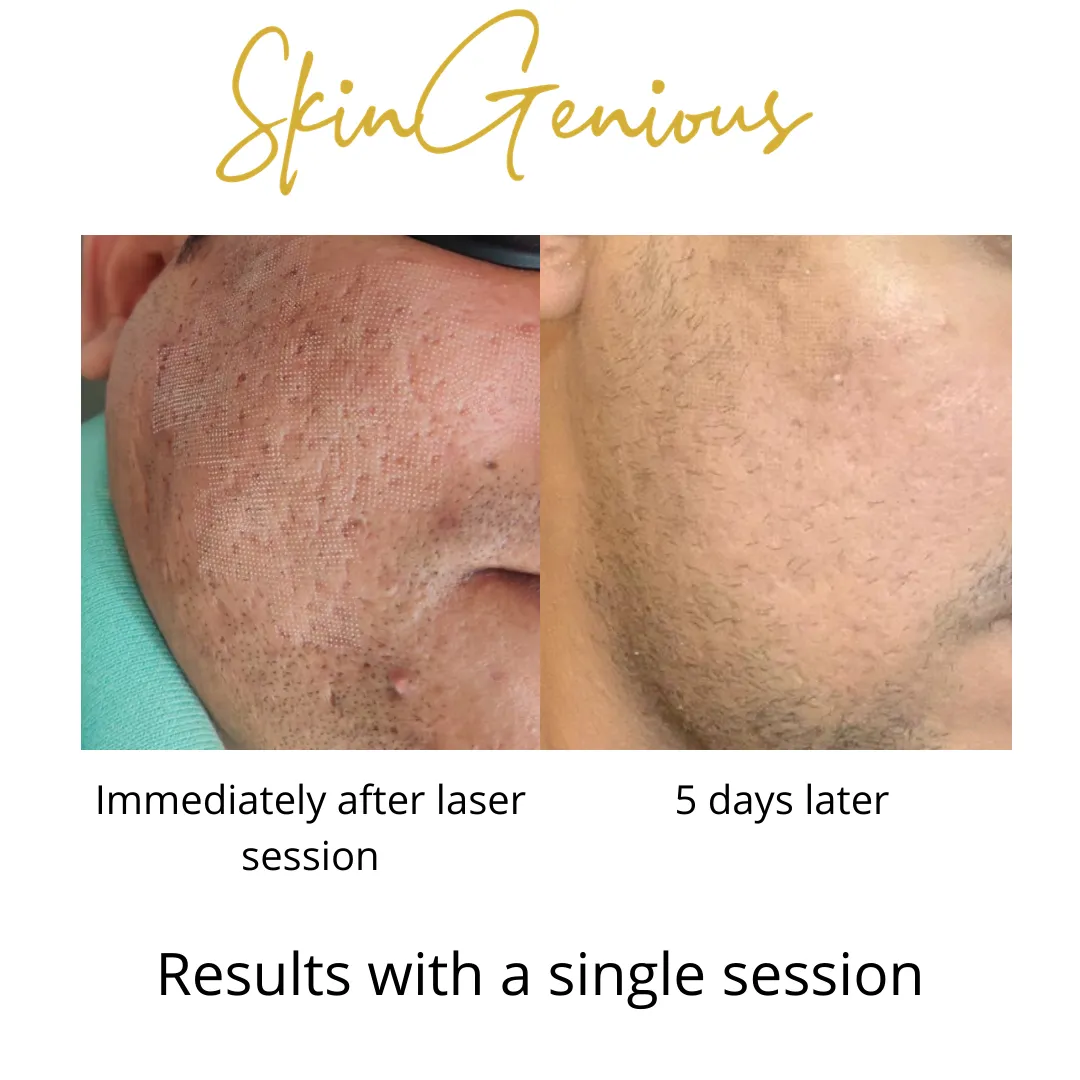
Like all cosmetic treatments, you have to be practical with your expectations for improvement with acne scars. You may expect 60-90% improvement in your scar marks. In case the expected improvement is less than this, our skin specialist is most likely to tell you to not go ahead with the treatment.
RF Microneedling (MNRF) for Acne scars
The duration of the procedure is between 15-20 minutes, apart from the time taken for preparation. You should keep in mind that you will most commonly require 3-4 sessions to get the ideal results that are possible and you will hence also look at a time frame of 3-4 months.
Chemical Peeling for Acne scars
Chemical peel are quite effective against superficial scars and less effective against severe scars. The treatment results start showing 2 weeks later. You can expect scabbing and flaking for 72 hours after the treatment.
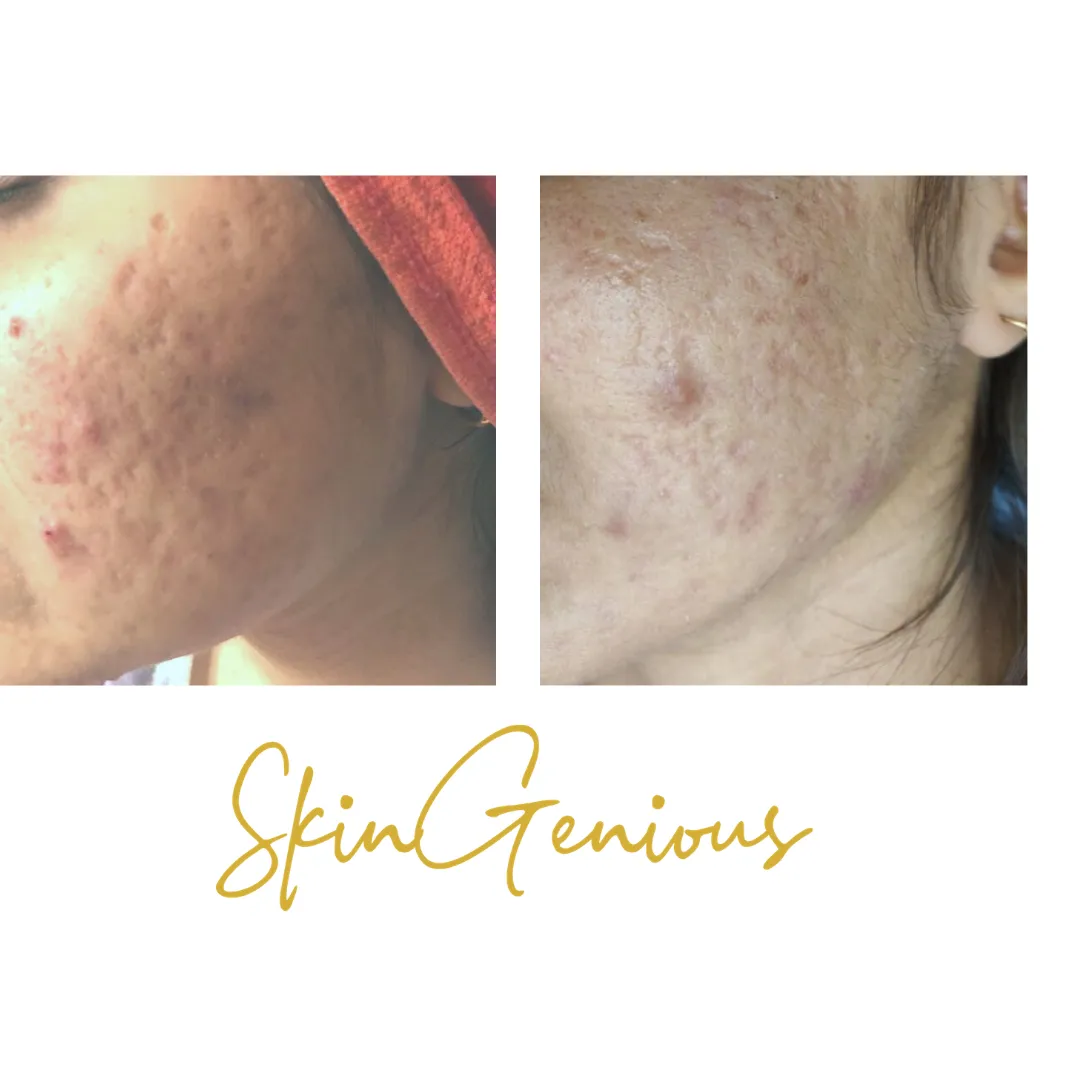
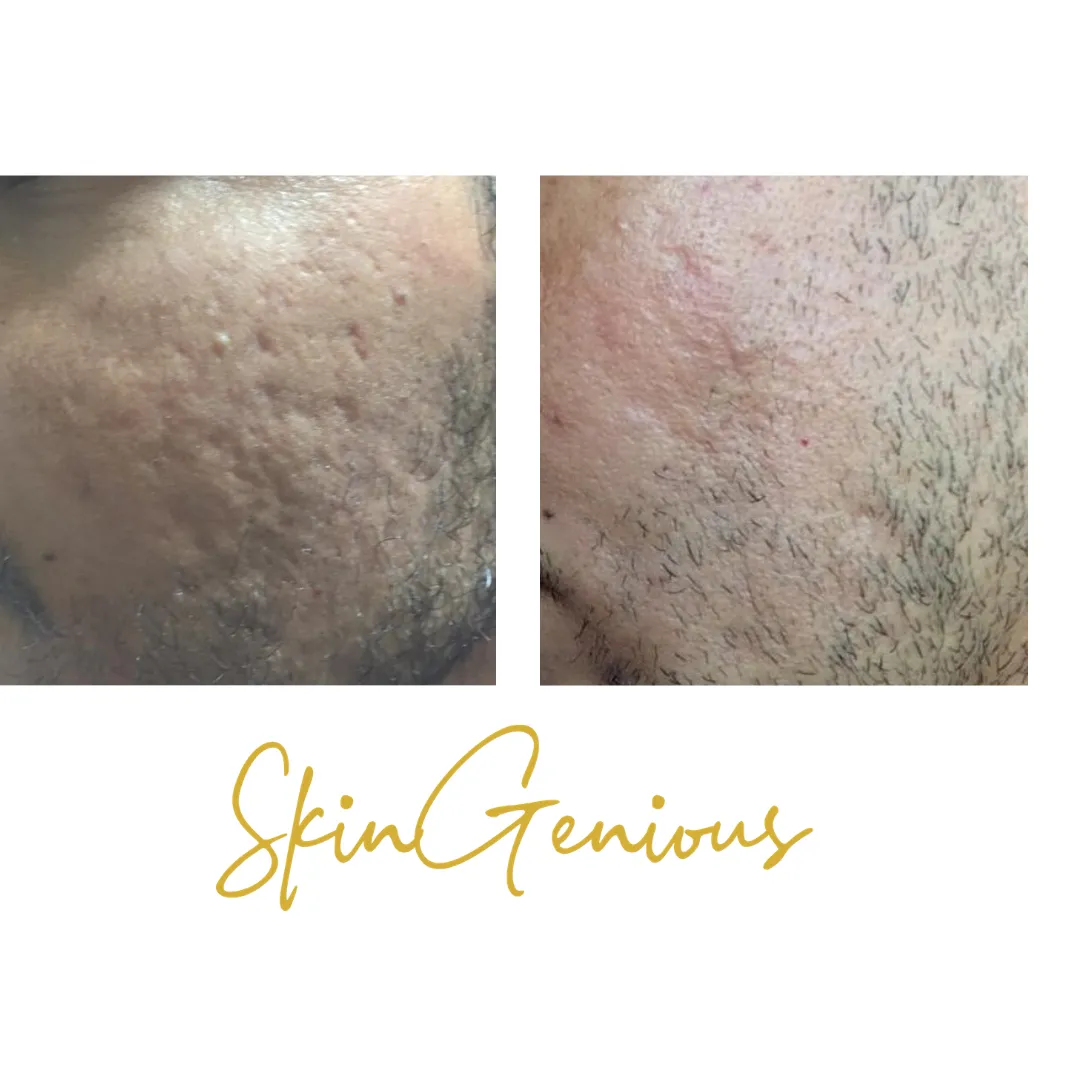
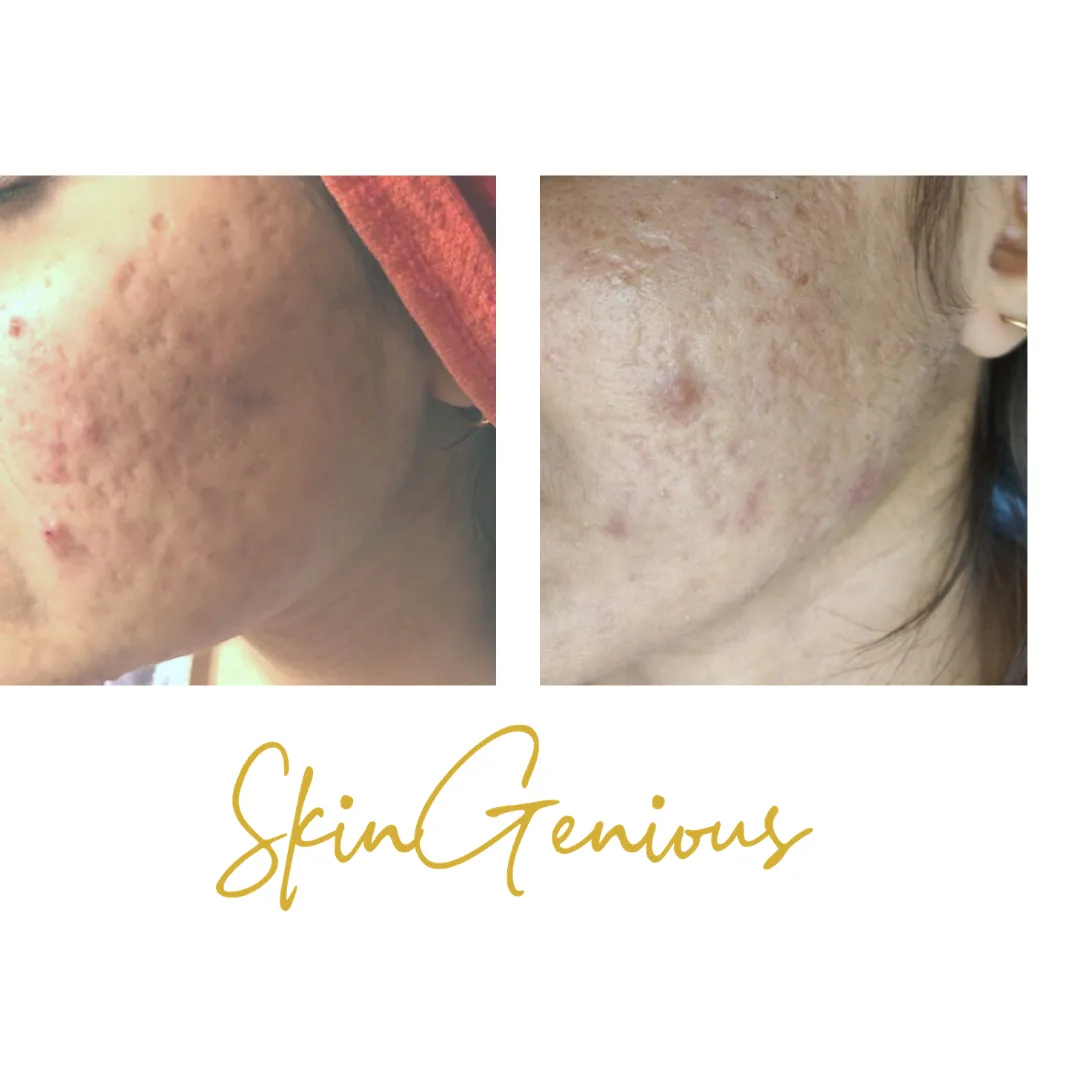
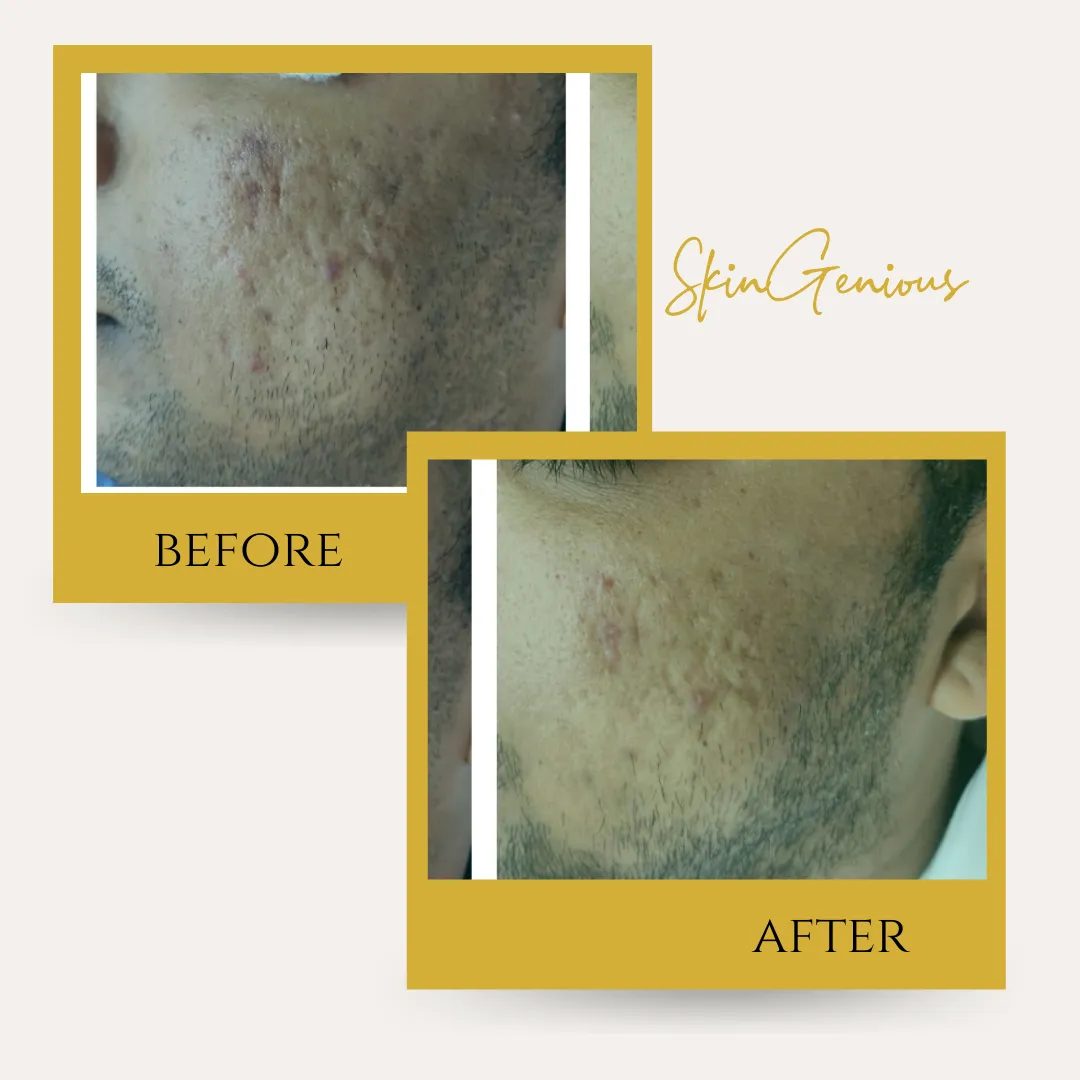
Before and after results
These photographs come from the existing treatment and concern records. They illustrate individual outcomes. Your starting point, treatment plan and healing response affect your own result.
Understanding your treatment choices
Acne scars need to be distinguished from flat red or brown marks. A mark changes colour; a scar changes the skin's structure. Both can be present together, but treating pigment alone will not lift a depression, and a scar procedure may not be the first choice for an active breakout.
Scar type guides treatment. Narrow deep scars, wider box-like depressions and rolling scars tethered beneath the surface may call for different methods. Your dermatologist may therefore suggest a combination rather than using the same device over every scar. Raised scars need a different approach again.
If acne is still active, controlling new inflammation is part of protecting your progress. A plan can address existing scars while reducing the chance of new ones, with the timing chosen around the severity and treatments involved. Your tendency to develop pigment after irritation also affects settings and recovery advice.
Ask what degree of improvement is realistic for your scar pattern and how it will be assessed. Texture changes are easier to compare in consistent side lighting than in heavily filtered photographs. Collagen remodelling takes time, and more than one stage may be needed. Meaningful improvement is possible even when the skin will not become completely free of every scar.
Everyday care and prevention
Avoid picking and control active acne. Sunscreen can reduce contrast from pigmentation, while aggressive home peels can make both marks and scars worse.
Explore related guides
Continue exploring the treatments, concerns and categories connected with this topic.
Treatment guides
Chemical Peeling
Chemical peels improve selected surface and texture concerns by producing controlled exfoliation. Understand the different depths, how a peel is chosen and the care needed afterwards.
Read the guideFractional Co2 Laser Resurfacing
Fractional CO2 laser resurfacing improves selected scars and changes in skin texture through controlled resurfacing. Learn about assessment, treatment, healing and the results a course can achieve.
Read the guidePhotofacial
Photofacial treatments use light to address selected pigment changes and visible redness. Explore IPL, the skin features it targets and the factors that guide a treatment plan.
Read the guideRF Microneedling (MNRF)
RF microneedling combines fine needles and radiofrequency energy to address selected scars and texture concerns. Learn about treatment depth, suitability, recovery and alternatives.
Read the guideConcern guides
Acne
Acne is an inflammatory condition involving hair follicles and oil glands. It can include blackheads, whiteheads, inflamed spots and deeper painful lesions.
Read the guide
Dull Skin & Lack of Radiance
Skin can look flat or tired for several different reasons. A useful plan separates surface dryness, rough texture and pigmentation so treatment matches what you actually want to improve.
Read the guide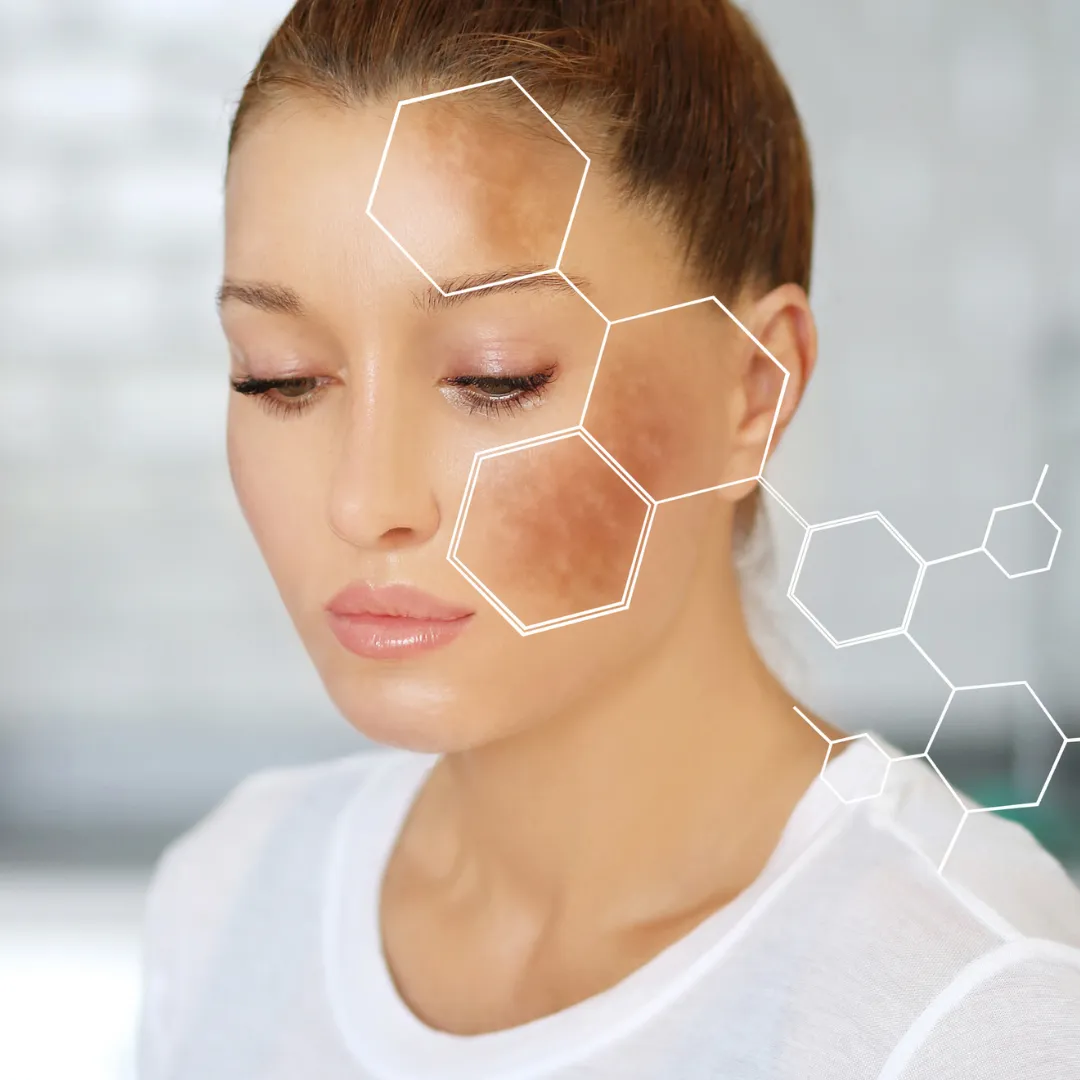
Hyperpigmentation
Hyperpigmentation means an area of skin is darker than the surrounding skin because of increased or altered pigment. The pattern helps identify the cause.
Read the guide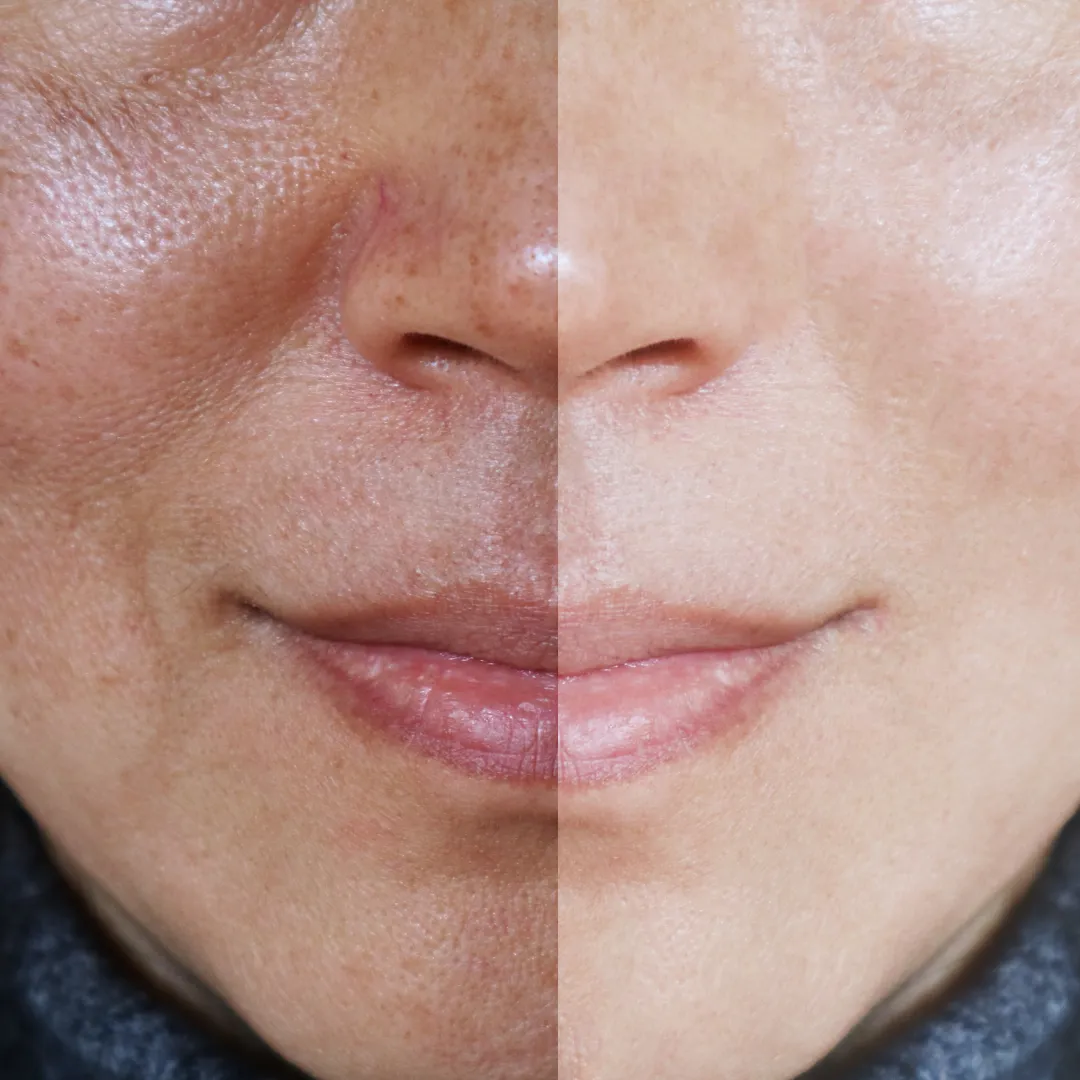
open pores
Visible pores are normal openings associated with hair follicles and oil glands. They can look more noticeable when skin is oily, congested or losing firmness.
Read the guide
Rosacea
Rosacea is a chronic facial condition that can cause flushing, persistent colour change, visible vessels or acne-like bumps. Some people also have eye symptoms.
Read the guide
Wrinkles
Wrinkles are lines or folds that develop as skin changes with age, sun exposure and repeated facial movement. Some appear mainly with expression, while others remain when the face is at rest.
Read the guideCategory guides
Cosmetology
Cosmetology in this setting refers to care aimed at improving selected aspects of appearance, including skin texture, facial balance and visible ageing. The plan should reflect your priorities rather than a fixed beauty standard.
Read the guide
Dermafacial
Dermafacials are skin-care treatments designed around goals such as cleansing, hydration, exfoliation and surface appearance. The products and devices used matter more than the name alone.
Read the guide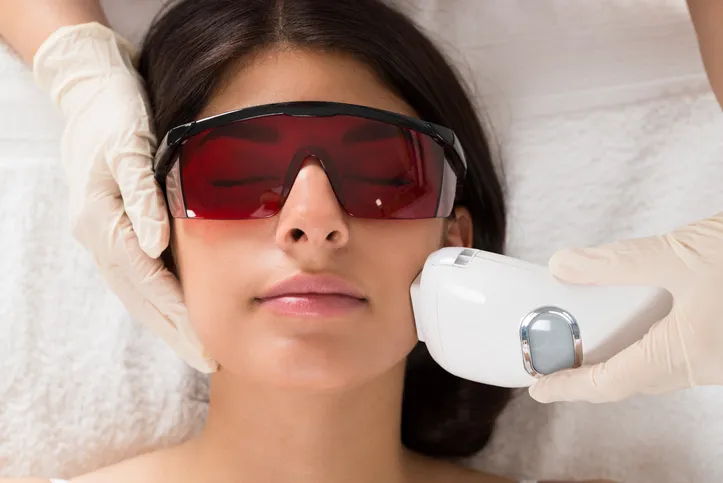
Laser
Laser treatments use selected wavelengths of light for specific targets in the skin or hair. The category includes very different procedures, from hair reduction to scar resurfacing.
Read the guideCommon questions
What are the most effective treatments for acne scars?
The most effective treatments for acne scars, depending on the type of scars, are resurfacing with the fractional co2 laser, MNRF, or chemical peels.
Can deep acne scars be treated with Dermal fillers?
Yes, deep acne scars can be improved by injecting dermal fillers.
Who is the best dermatologist for treatment of acne scars?
You can find the list of dermatologists most recommended for the treatment of acne scars treatment on this website, by selecting your city or locality.
How is the right care plan chosen?
The clinician distinguishes ice-pick, boxcar, rolling and raised scars, and checks whether active acne is still present. Most faces have a mixture of scar types.
What can I do as part of everyday care?
Avoid picking and control active acne. Sunscreen can reduce contrast from pigmentation, while aggressive home peels can make both marks and scars worse.
When should I get advice?
Treat active, painful or scarring acne early. A raised scar that grows beyond the original injury needs a different assessment from a depressed scar.
Further reading and references
Take the next step
Explore care in your city
For local specialists, clinic information and appointments, choose a city.

Mumbai
Explore local specialists, clinics and appointments in Mumbai.
Explore care
Thane
Explore local specialists, clinics and appointments in Thane.
Explore care
Navi Mumbai
Explore local specialists, clinics and appointments in Navi Mumbai.
Explore care
Jaipur
Explore local specialists, clinics and appointments in Jaipur.
Explore care