 SCIENTIFIC SKIN, HAIR & PERSONAL AESTHETICS
Treatment guides
Chemical Peeling: how it works, suitability and aftercare
Chemical peels improve selected surface and texture concerns by producing controlled exfoliation. Understand the different depths, how a peel is chosen and the care needed afterwards.
SkinGenious editorial team
Explore the guide ↓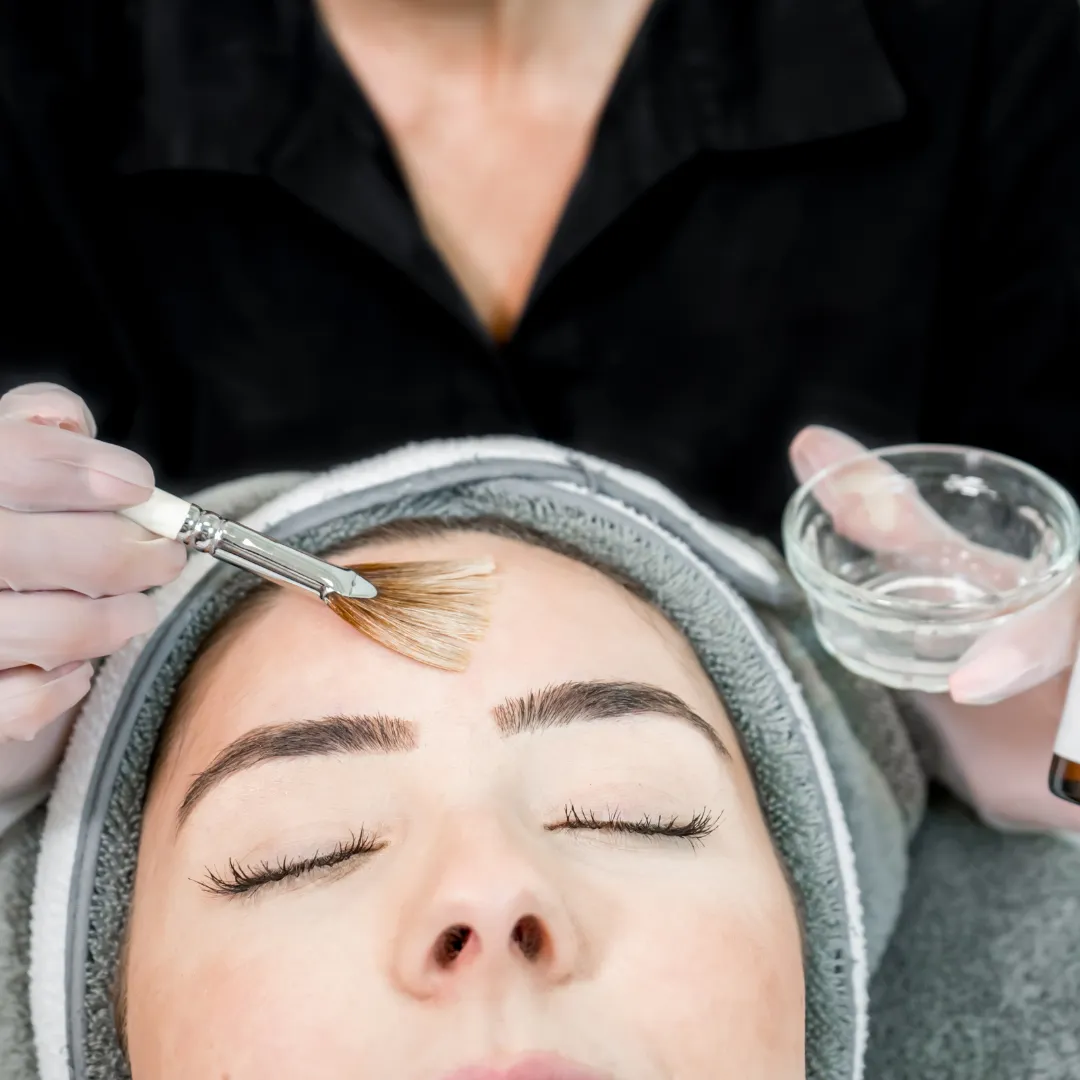
Understanding the treatment
Chemical peel treatment or chemexfoliation is a technique where strong chemical agents (in the right concentrations), usually acidic in nature, are applied over the skin with the desired action of removing the top layer and hence replacing it with the underlying smoother skin. It is therefore also called a skin peeling treatment.
They are most commonly done over the face, neck or hands
Skin peeling chemical agents can be categorized based upon the depth at which they act. They can be superficial peels, acting on the outermost layer of the skin, medium depth peels or deep peels acting up to the middle layers of the skin.
A general thumb rule could be that peels that act deeper have stronger action for the indications they are used for. However, this may not always be the case. We provide the details of the various chemical peel treatments, to help you understand them.
Your dermatologist will ultimately be the best judge of which chemical peel treatment is best for you.
The various kinds of chemical peels offered by our clinics in Mumbai include, but are not limited to:
Mandelic acid peel: This is an alpha hydroxy acid (AHA) based peel that acts superficially. It is suitable for all skin types and skin tones. It is derived from bitter almonds. The indications it helps with includes acne, fine lines, melasma and other types of pigmentation. Salicylic acid peel: This type includes beta hydroxy acid (BHA) chemical peels that act superficially. It is not ideal for sensitive skin. It is derived from willow bark and wintergreen leaves. The major indication it is used for is acne and oiliness (comedogenicity). Lactic acid peel: This is again an AHA peel that acts superficially. Stronger formulas may also act on medium depth. It is derived naturally from milk. It works well for sensitive skin in milder concentrations. It may not be ideal for some darker skin tones. It helps with ages spots and hyperpigmentation. Glycolic acid peel: glycolic acid is an AHA peel that is derived from sugarcane. It has anti-inflammatory and anti-oxidant properties. Although mild concentrations act superficially, in higher concentration they act on the deeper layers of skin. It helps with acne, acne scars, stretch marks, hyperpigmentation including melasma, age spots and sun spots. TCA peel: Trichloroacetic acid peels can be superficial or deep acting depending upon the strength an concentration. There are variants like the cross TCA peel also available. It is helpful in acne, acne scars, anti aging and pigmentation. Jessner’s peel: These type of chemical peels are most commonly used as a peel acting at medium depth. It is a mixture of lactic acid, salicylic acid and resorcinol in an ethanol solution. It helps with pigmentation, age spots, an even skin tone, fine lines and scars. Yellow peel: This chemical peel improves the oxygen and nutrient supply to the skin. It contains three ingredients, phytic acid, kojic acid and azelaic acid. Indications include acne scars, pigmentation, fine lines on the skin. Azelaic acid peel: Azelaic acid is derived from food grains such as wheat, barley and rye. It is suitable for most skin types. It helps with open pores, acne, scars, pigmentation and rosacea. Kojic acid peel: Kojic acid is a by-product of fermentation by fungi. These chemical peels act in inhibiting tyrosinase that helps in the production of melanin. They hence tend to have a skin whitening effect. They also help with sun spots and age related damage. Phenol peel: These are deep acting chemical peels which are strong in concentration and are helpful for age spots, pigmentation, scars and fine lines. It is recommended to get chemical peels only in a clinical setting under the supervision of a dermatologist given the possible side effects if not done by a medical professional. You can read about the potential side effects further below on this page.
Chemical peels use a controlled application of a chemical agent to produce exfoliation or a deeper skin injury. Peel depth is central to the likely benefit, risk and recovery.
How it works
Chemexfoliation can be used to improve a wide variety of indications which include, but are not limited to:
- Acne
- Acne scars
- Sun spots
- Pigmentation or hyperpigmentation
- Wrinkles and fine lines
- Redness
- Other scars
- Melasma
- General glow and skin lightening
- Rosacea
- Open pores
- Improved texture
- Reducing Oiliness
- Freckles
The agent, concentration, application method and contact time influence how deeply a peel acts. Different peels are not interchangeable.
Suitability and assessment
The clinician assesses skin tone, diagnosis, sensitivity, medicines, recent procedures and previous pigment changes. Infection or an impaired skin barrier may require postponement.
What happens during treatment
After assessment, skin is prepared and the chosen peel is applied and managed according to its protocol. A recovery plan is provided before leaving.
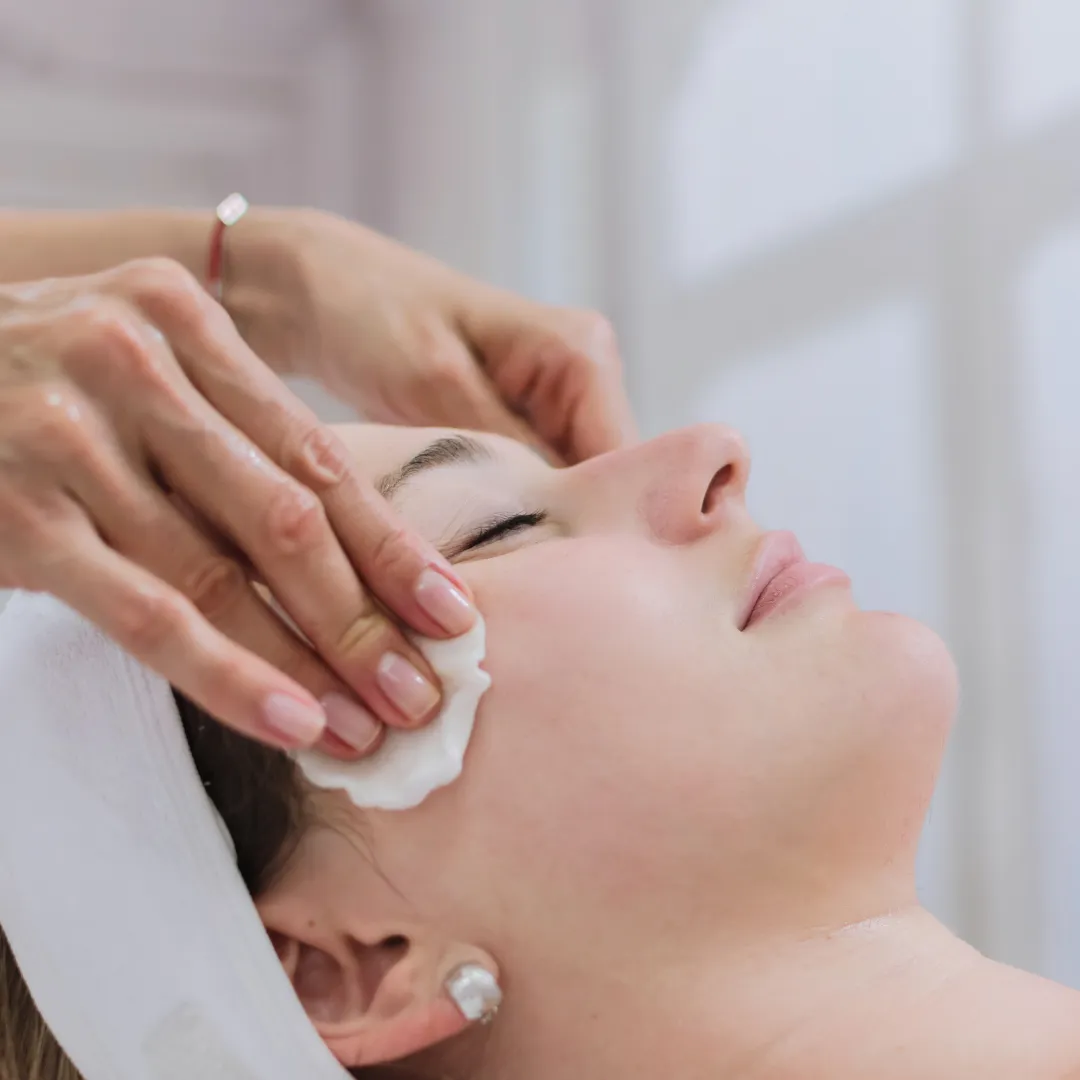
Clean-up of target area
The first step is the clean-up of the face or any other targeted area, including removal of any creams, make-up or jewelry.
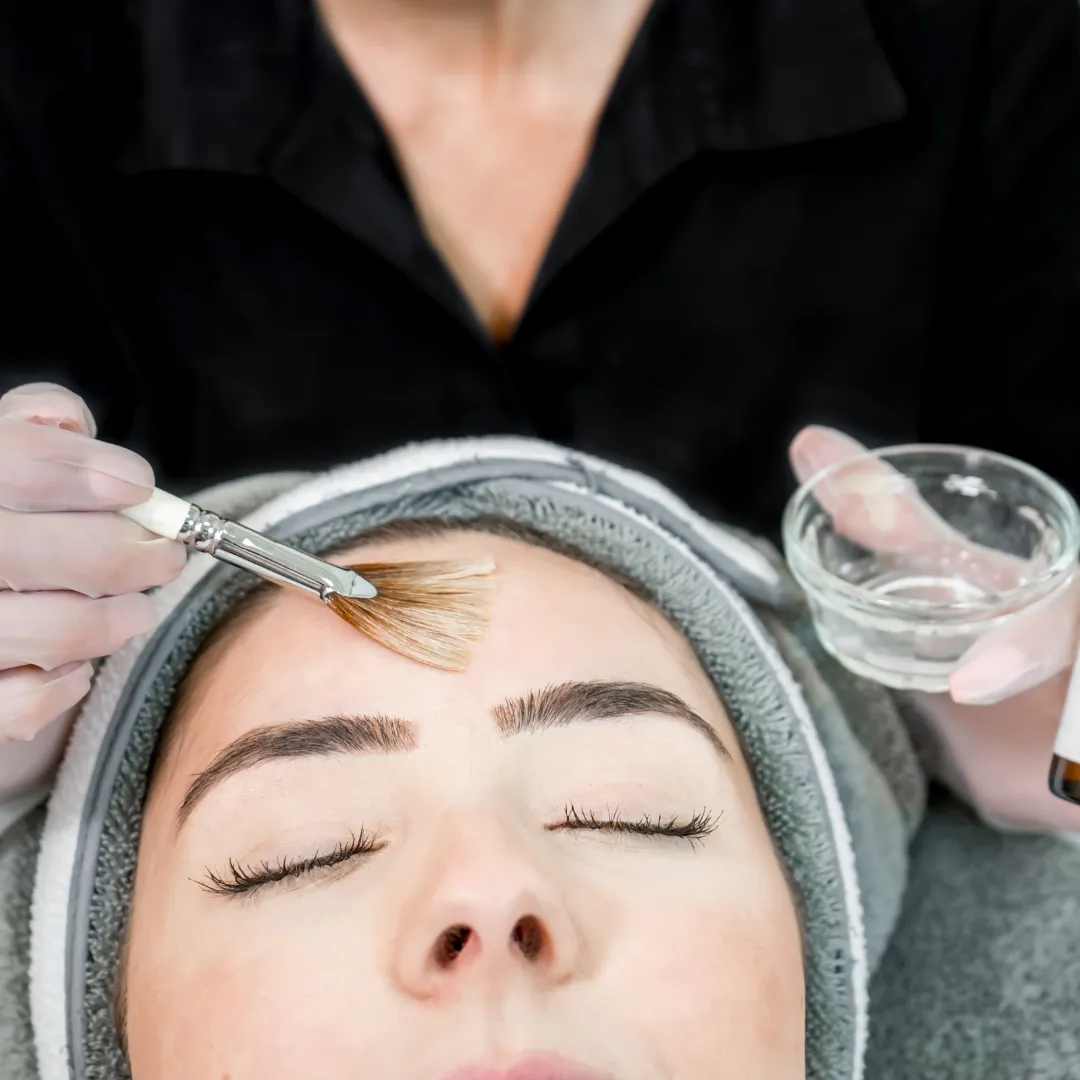
Application of peel
Application of the desired chemical peel with a brush for even and targeted deposition. The peel is washed after desired treatment time and post-care products like a sunscreen may be applied before you leave the treatment room to go back home

After care
You need to go back home and follow the after care instructions as provided by your dermatologist. This may include the application of sunscreen before stepping out in the sun and some changes to your skin care routine.
Results and limitations
Some concerns require a series, while deeper peels involve longer recovery. Peels may improve selected texture or pigment concerns but do not suit every scar or skin condition.
Chemical Peeling for Acne scars
Chemical peel are quite effective against superficial scars and less effective against severe scars. The treatment results start showing 2 weeks later. You can expect scabbing and flaking for 72 hours after the treatment.
Chemical Peeling for Wrinkles
Chemical peels (even deep acting ones) will only help with limited improvement in fine lines and superficial wrinkles.
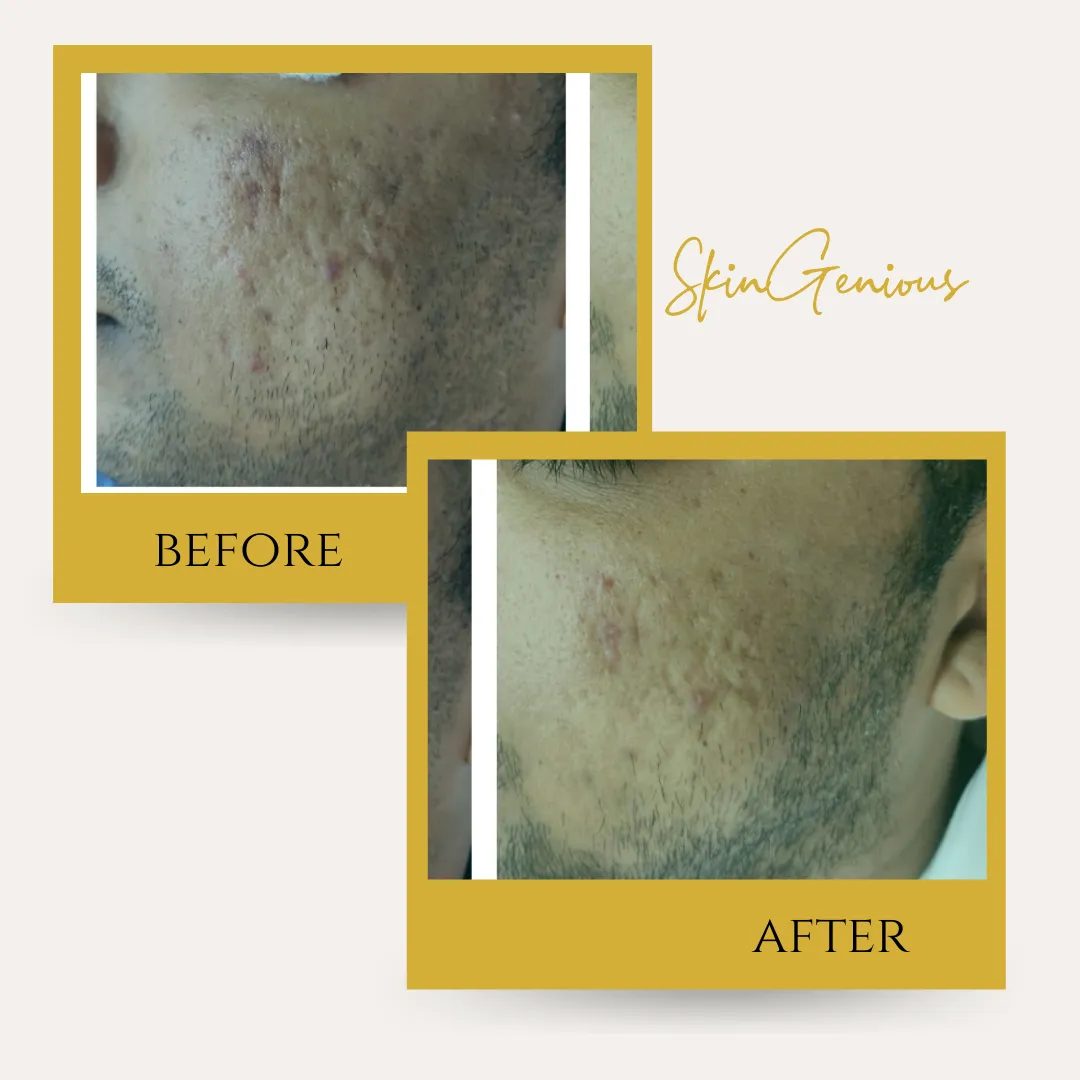
Before and after results
These photographs come from the existing treatment and concern records. They illustrate individual outcomes. Your starting point, treatment plan and healing response affect your own result.
Risks and recovery
Stinging, redness and peeling can occur. Burns, infection, pigment change and scarring are possible, particularly with deeper or inappropriate treatment.
Although low in prevalence, the potential risks and side effects for chemical peels include:
- Post inflammatory hyperpigmentation or dark patches on the skin
- Potential scarring
- Re-activation of herpes virus or cold sores.
You can expect to see flaking of the skin and slight pinkness or redness as a normal course of the treatment. This may last from a few hours for mild peels to even 14 days for deep peels. You must apply sunscreen with an SPF of 30+ or there are very high chances of pigmentation, especially in Indian skin tones.
Preparing for treatment
Bring details of previous procedures, medicines, allergies and any change in your health. Ask which skincare products or activities need adjusting before the appointment. Do not stop prescribed medicines without advice.
Any change to prescribed medicines, including blood thinners, must be agreed with the prescribing clinician.
The treatment is not recommended for the following candidates:
- People with known history of post inflammatory hyperpigmentation
- People who are prone to or have had a recent outbreak of cold sores
- Pregnant or breastfeeding women
Aftercare
- After the procedure, avoid using any products not prescribed by the specialist or without checking with them.
- Avoid make-up on the day of the treatment.
- The most important after care requirement for all these procedures is to avoid sun exposure. Apart from simply using sunscreen, you may be suggested additional measures such as wearing a hat or sun glasses.
Do not pick peeling skin or add strong exfoliants. Use the prescribed gentle care and sun protection, and report increasing pain, discharge or delayed healing.
Alternatives to consider
Topical care, facials and selected devices act differently. A stronger peel is not automatically a better choice.
Planning treatment and maintenance
A chemical peel is chosen around the skin problem, not simply the strength written on the bottle. The peeling agent, concentration, application time and number of layers all affect how deeply it acts. A peel for active acne may therefore be quite different from one aimed at uneven pigment or sun-damaged texture.
Your dermatologist will ask about recent products, medicines, previous peels, cold sores and your tendency to develop pigmentation after irritation. These details help decide whether to prepare the skin first, use a gentler approach or choose another treatment. Deep and superficial peels also have very different recovery requirements.
Visible peeling is not the only measure of success. A light peel may improve a concern without sheets of skin coming away. Deliberately scrubbing or picking to encourage more peeling can turn a controlled treatment into an injury. Ask what your particular peel should feel and look like as it settles.
A course works best alongside a manageable home routine. Treating active acne, protecting from sunlight and using prescribed products correctly can help maintain improvement. If the skin is still sore or inflamed when the next appointment is due, the plan should be reviewed. Repeating a peel before recovery is complete does not make the result arrive sooner.
What affects the cost
The area treated, the product or device, the treatment plan and the number of sessions influence the total. A useful estimate explains what is included, what follow-up involves and whether maintenance is likely. City pages provide the local service information.
Explore related guides
Continue exploring the treatments, concerns and categories connected with this topic.
Treatment guides

Botox
Botox softens expression lines by relaxing selected facial muscles. Understand how it works, how a treatment plan is chosen and what happens after the appointment.
Read the guide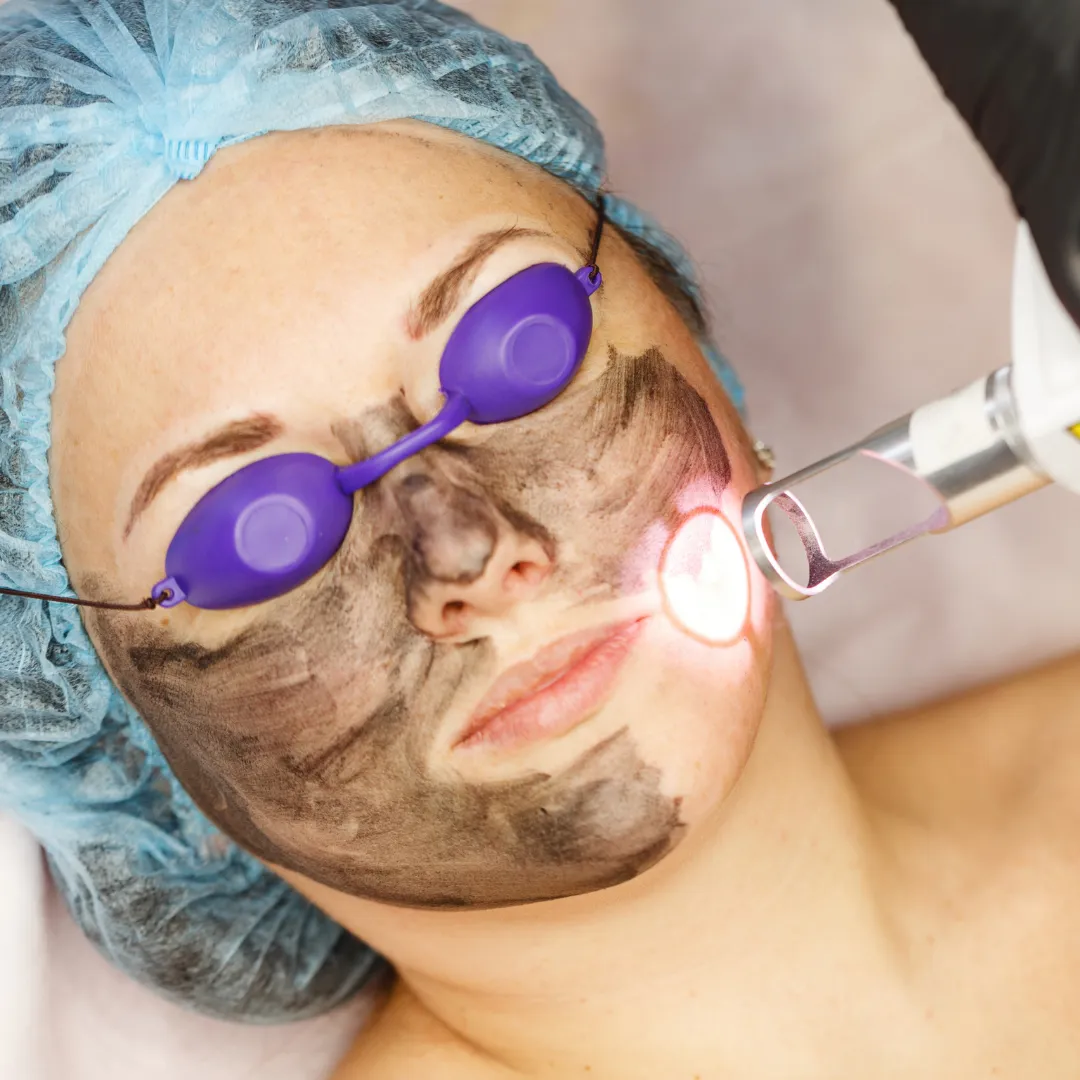
Carbon Laser Facial
A carbon laser facial combines a topical carbon preparation with laser treatment for selected surface concerns. Learn how it is used and how to compare it with other skin-care options.
Read the guide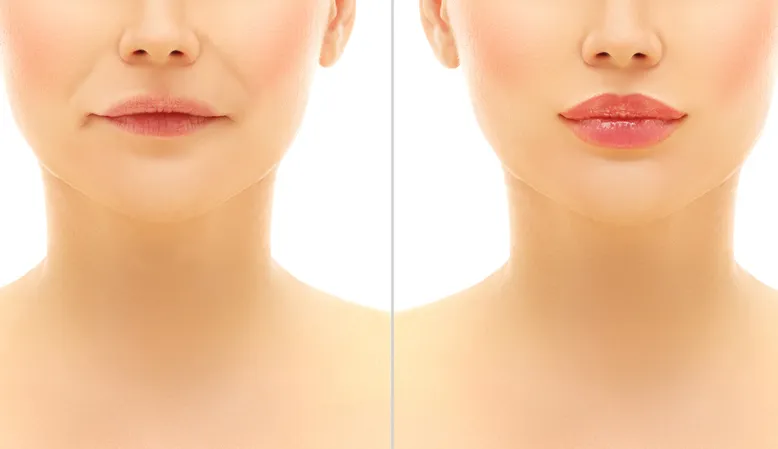
Dermal Filler
Dermal fillers can restore selected areas of volume and refine facial contours. Learn how product choice, facial proportions and placement shape a treatment plan.
Read the guide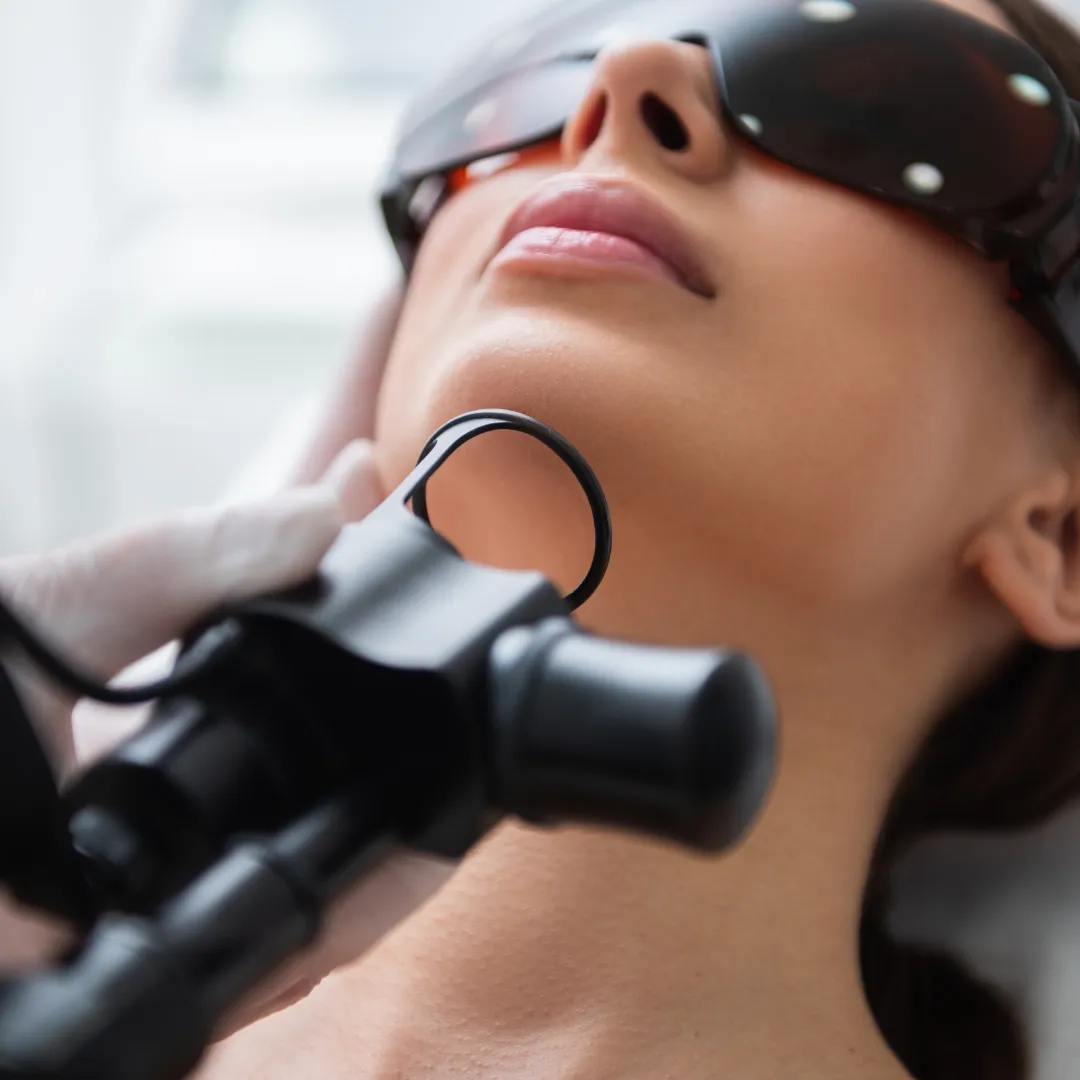
Fractional Co2 Laser Resurfacing
Fractional CO2 laser resurfacing improves selected scars and changes in skin texture through controlled resurfacing. Learn about assessment, treatment, healing and the results a course can achieve.
Read the guideGlutathione IV Therapy
Glutathione is an antioxidant made naturally by the body. If you are exploring it for skin tone or radiance, understanding the ingredient, the infusion process and the limits of the evidence is a useful place to start.
Read the guide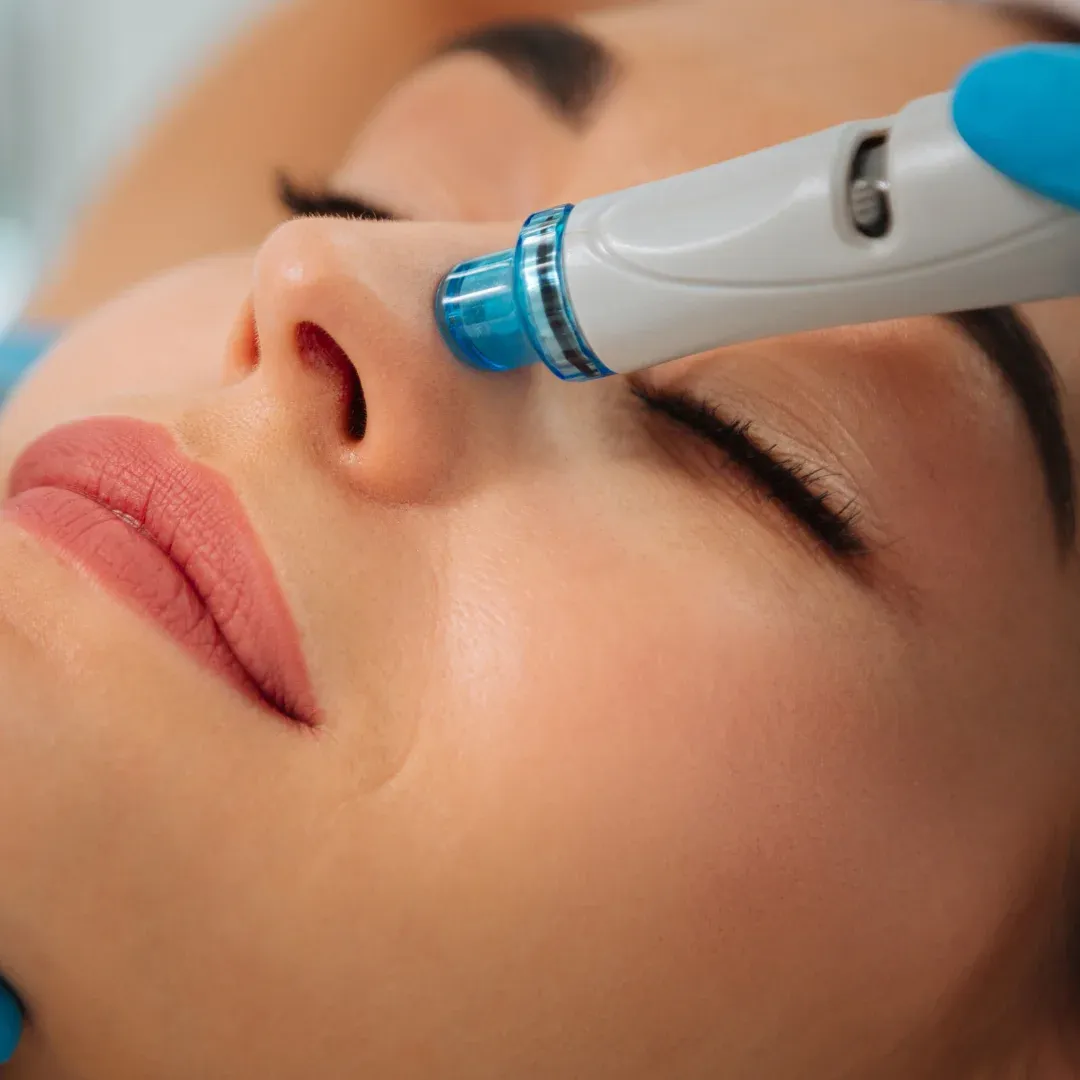
Hydrafacial
HydraFacial combines cleansing, exfoliation, extraction and hydration in a device-assisted facial. Explore its uses, the treatment steps and how it fits into a wider skincare routine.
Read the guide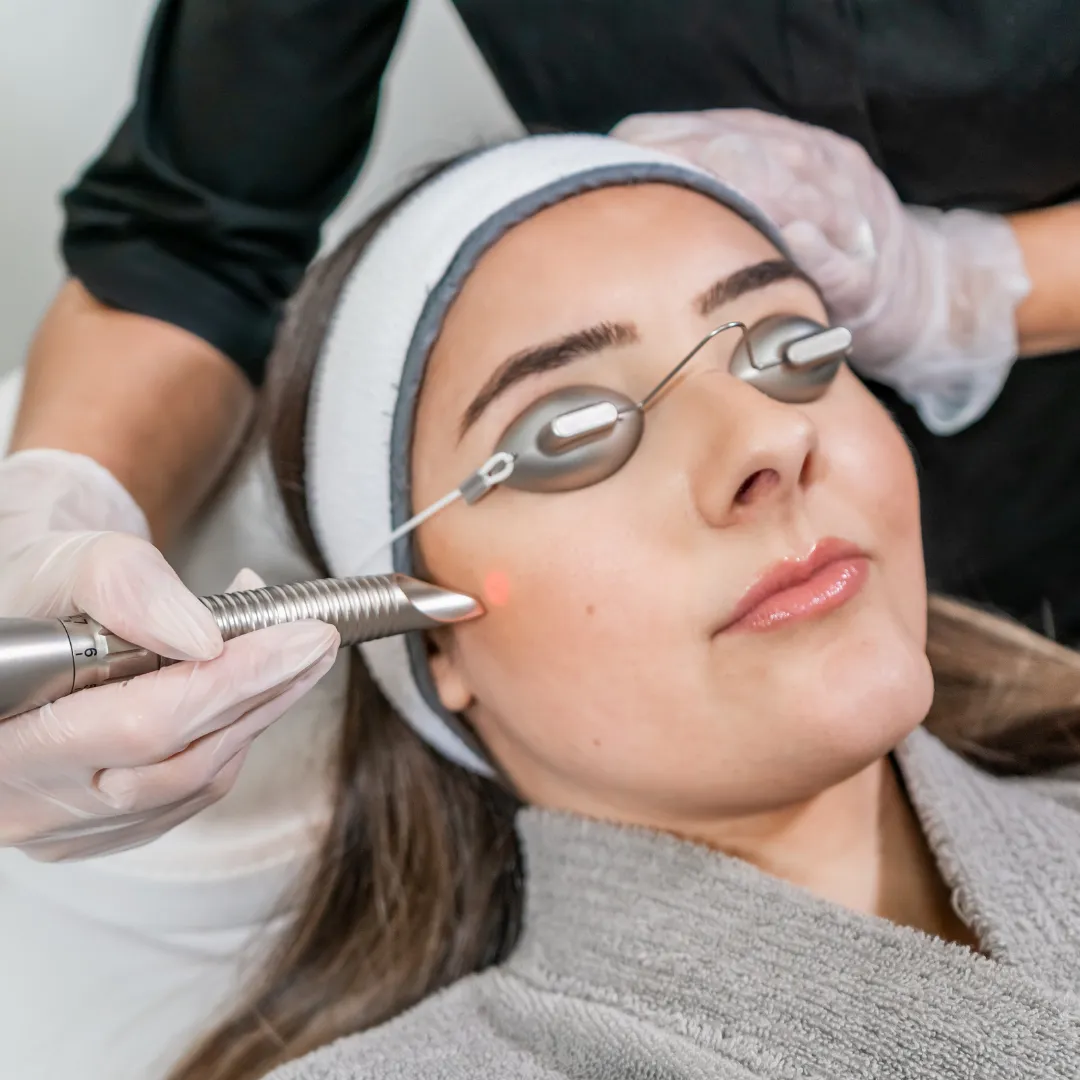
Photofacial
Photofacial treatments use light to address selected pigment changes and visible redness. Explore IPL, the skin features it targets and the factors that guide a treatment plan.
Read the guide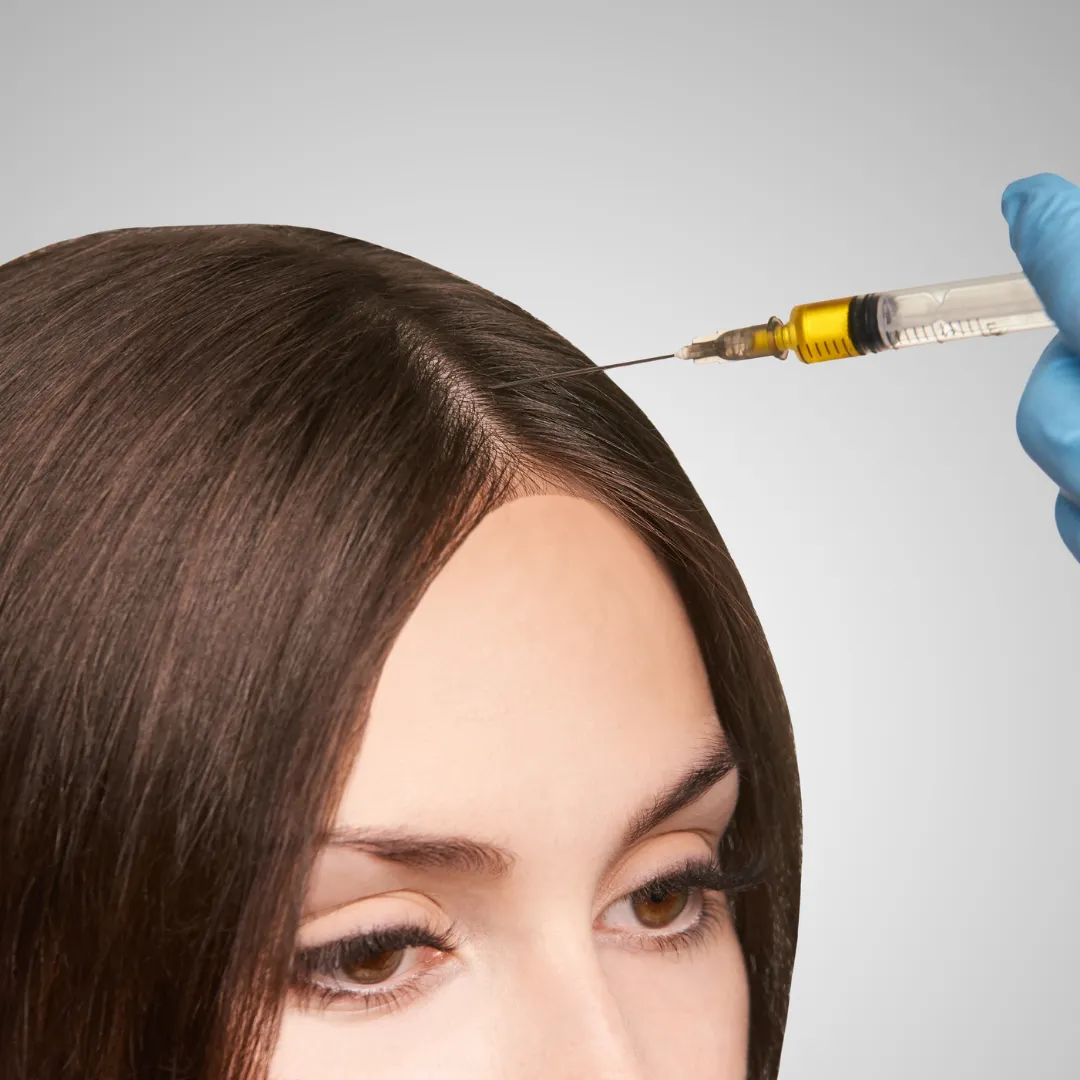
PRP (Platelet Rich Plasma)
PRP uses a concentrated preparation from your own blood in selected skin and hair procedures. Explore how it is prepared, where it is used and how results are assessed.
Read the guide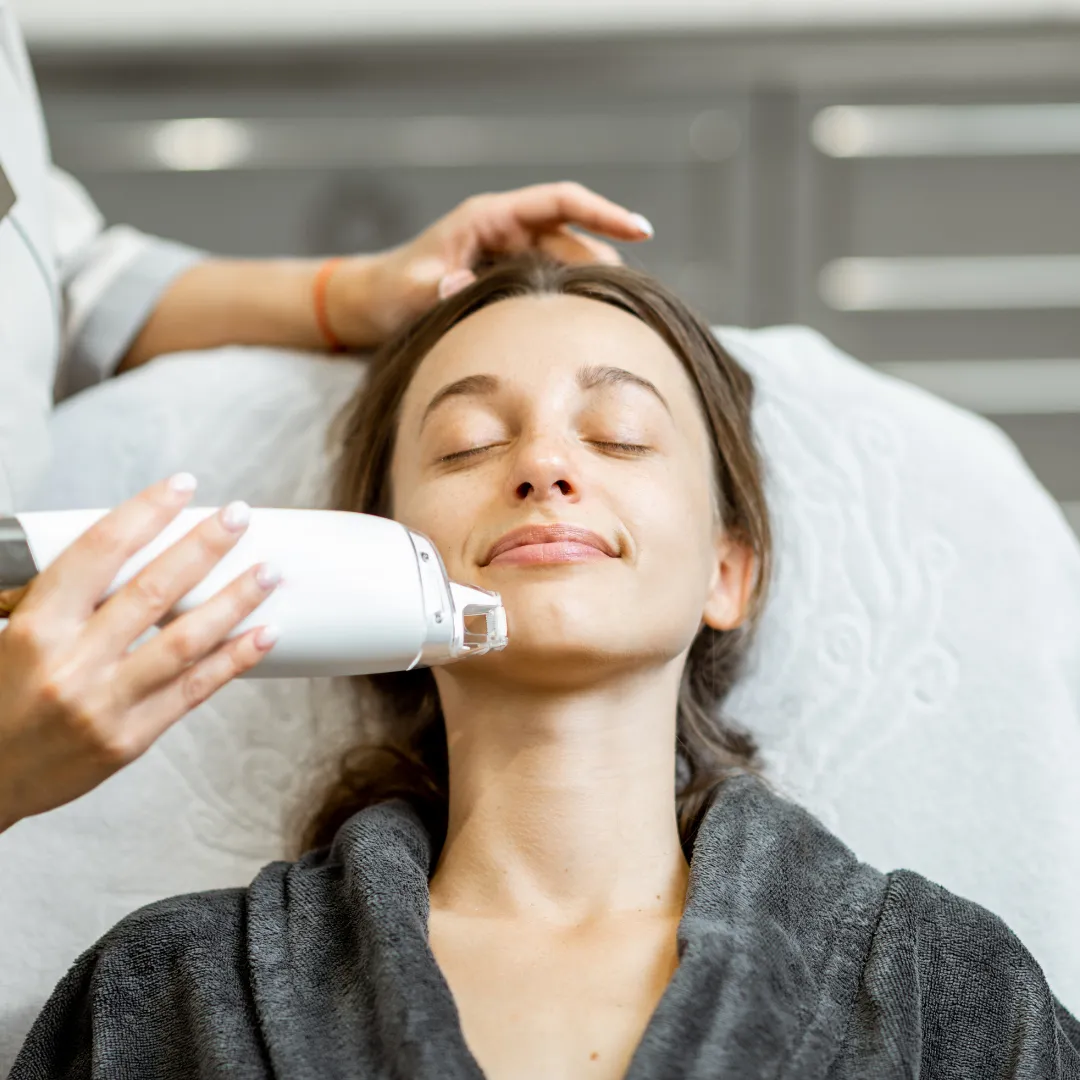
Q-switch laser
Q-switched lasers target selected pigments in the skin and tattoo ink. This guide explains how pigment treatment is chosen and why the diagnosis matters.
Read the guide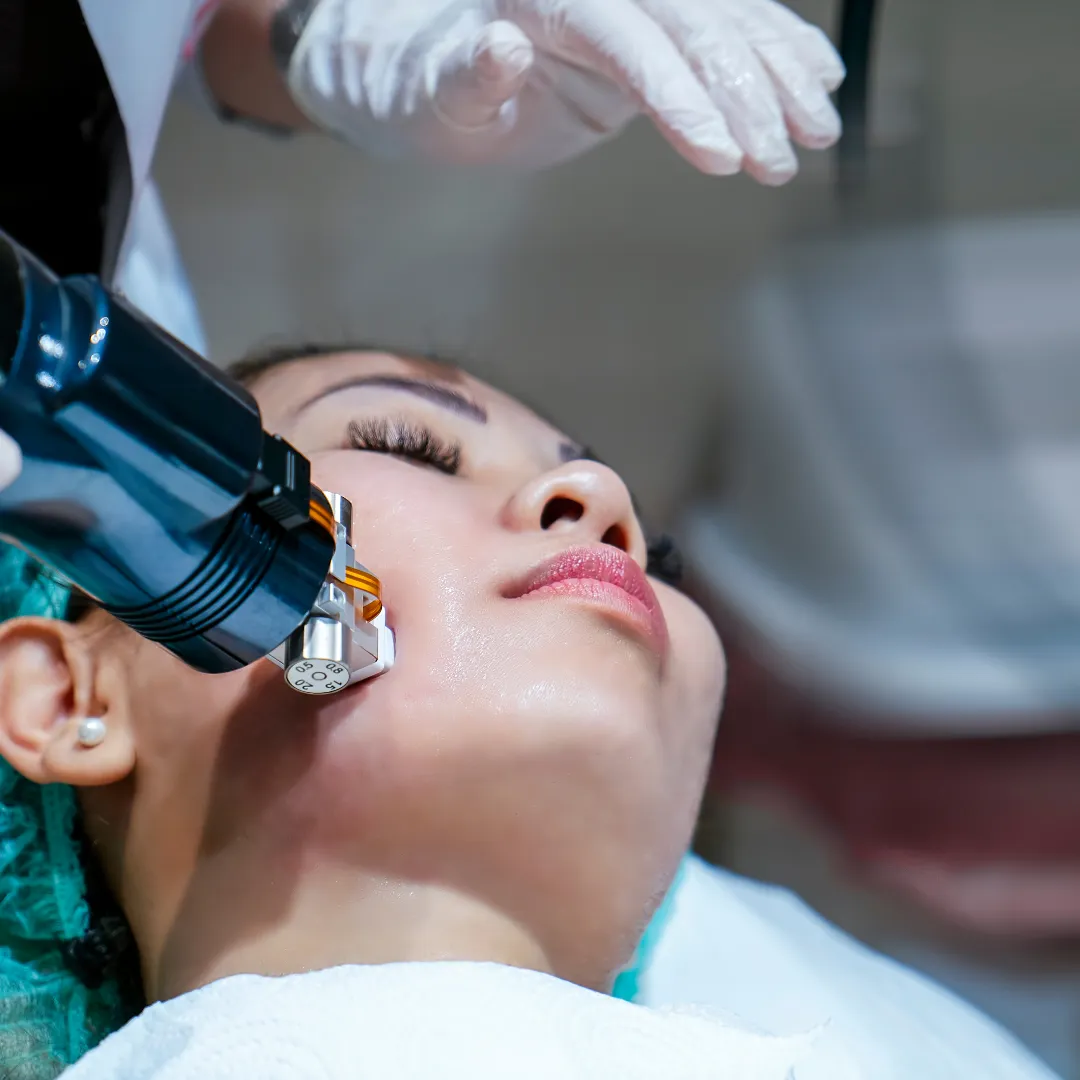
RF Microneedling (MNRF)
RF microneedling combines fine needles and radiofrequency energy to address selected scars and texture concerns. Learn about treatment depth, suitability, recovery and alternatives.
Read the guideSkin & Radiance IV
For people exploring the nutritional side of skin care, Skin & Radiance looks at vitamin C, glutathione, glycine and lysine alongside the skin routine and treatments already suited to their concerns.
Read the guideConcern guides
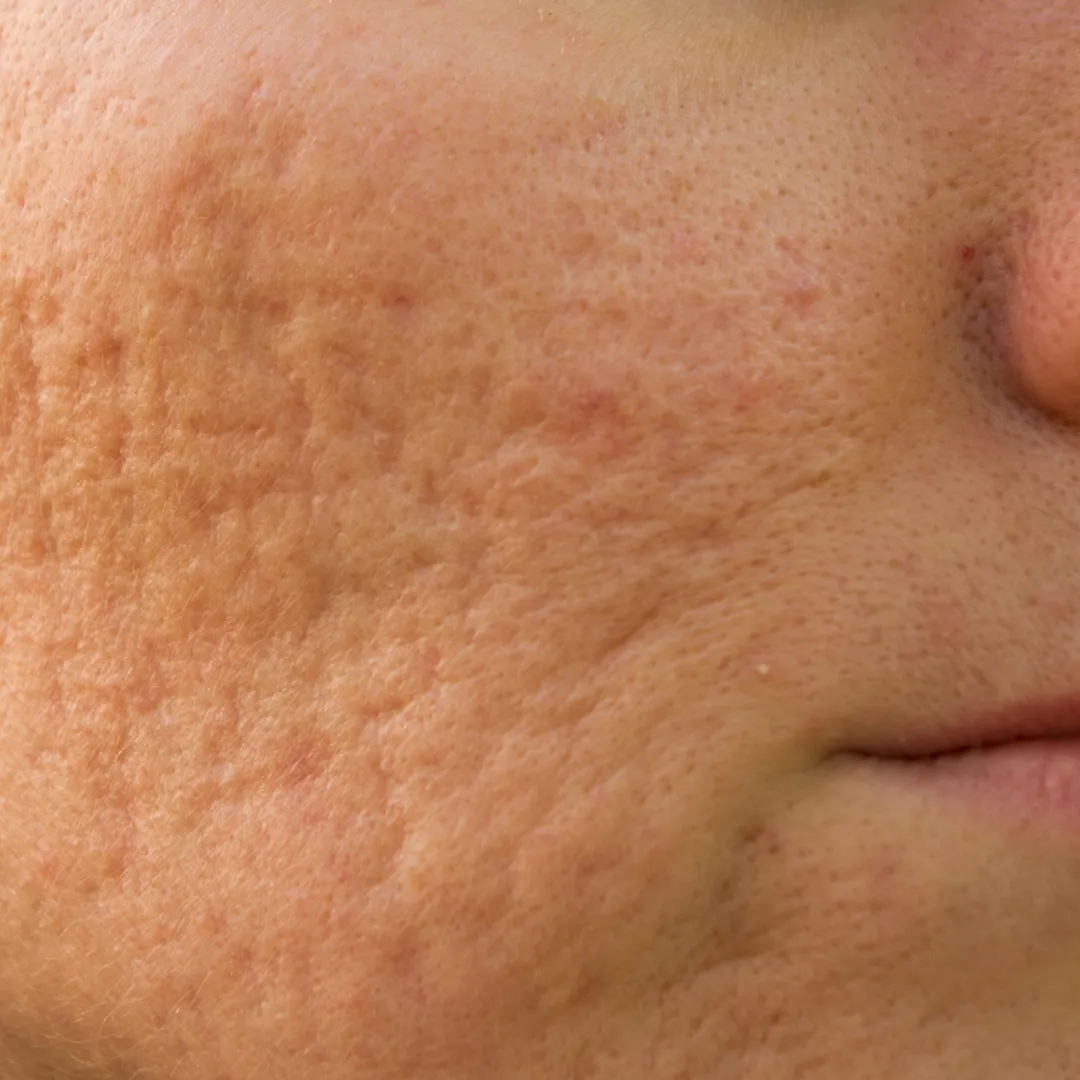
Acne scars
Acne scars are lasting changes in skin texture after acne inflammation. They differ from flat red or brown marks, which may improve without the same scar procedures.
Read the guideDull Skin & Lack of Radiance
Skin can look flat or tired for several different reasons. A useful plan separates surface dryness, rough texture and pigmentation so treatment matches what you actually want to improve.
Read the guide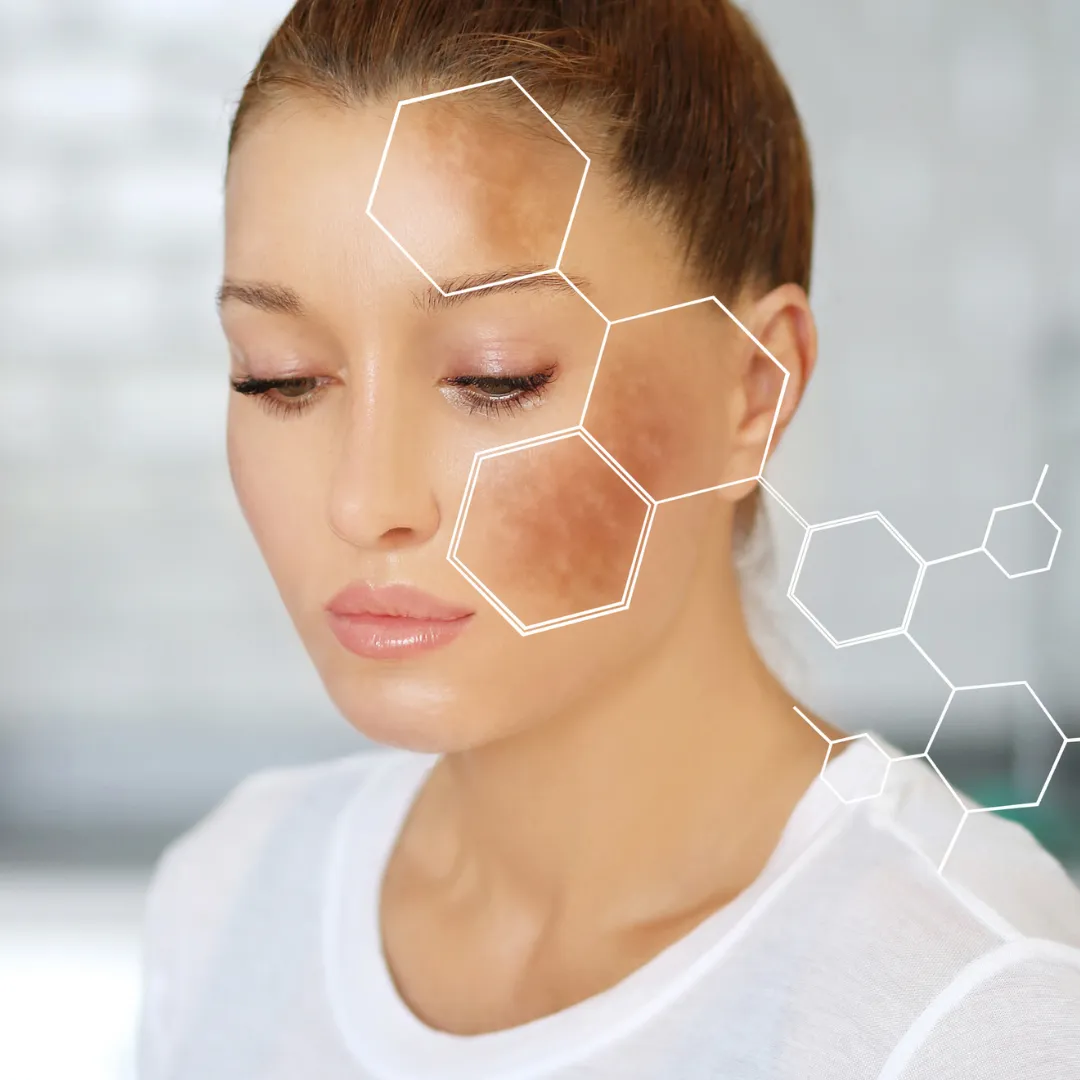
Hyperpigmentation
Hyperpigmentation means an area of skin is darker than the surrounding skin because of increased or altered pigment. The pattern helps identify the cause.
Read the guide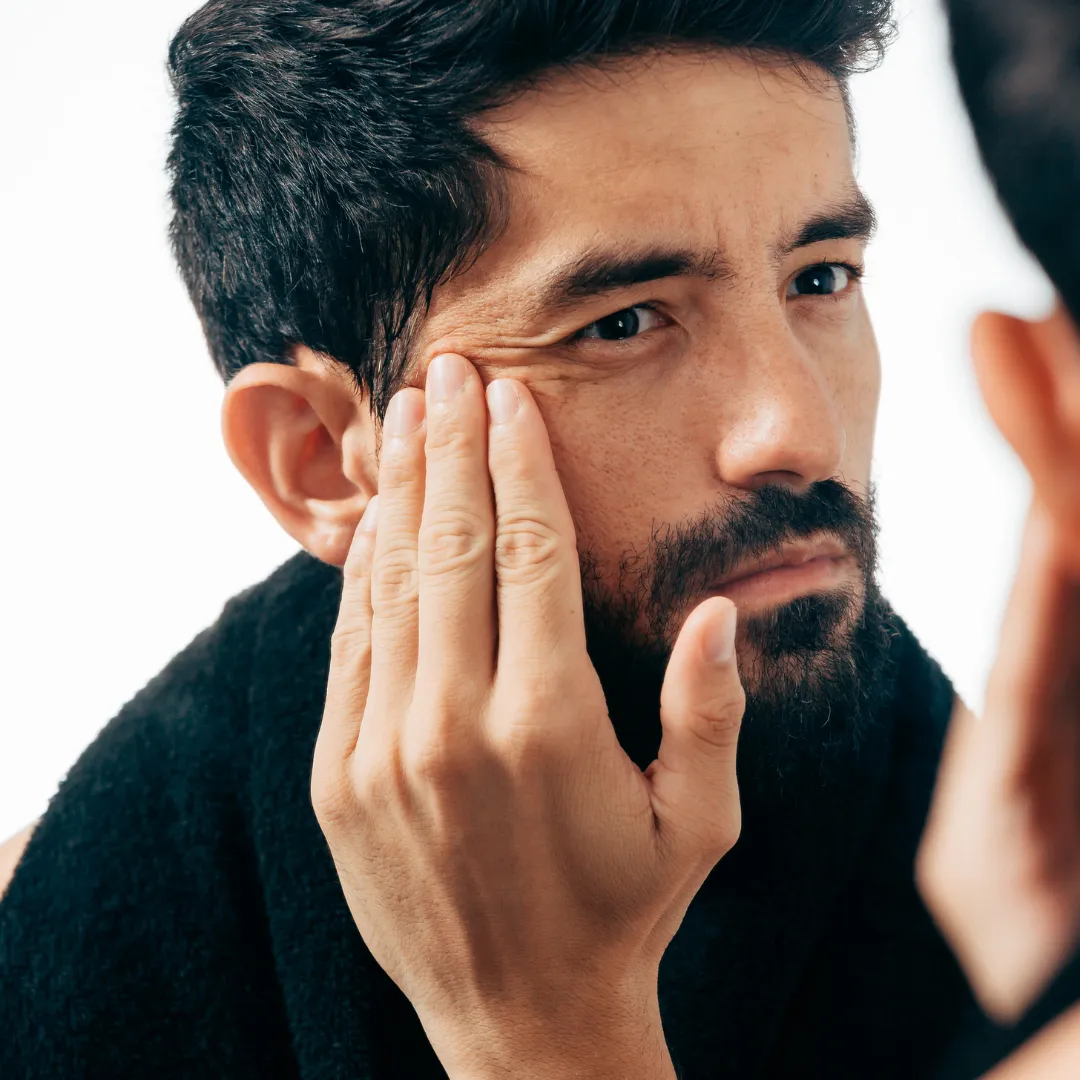
Wrinkles
Wrinkles are lines or folds that develop as skin changes with age, sun exposure and repeated facial movement. Some appear mainly with expression, while others remain when the face is at rest.
Read the guideCategory guides

Common questions
Are chemical peels good for your skin?
Yes, Chemical peels are performed by the dermatologist only when they feel that it will be beneficial for you. The type of peel chosen will depend on your indications, skin type and skin tone.
Can I see improvement after 1 chemical peel?
Yes, with most chemical peels, you will see an improvement after just one session. You can take regular sessions if recommended by the skin specialist doctor.
Can I take a shower after a chemical peel treatment?
It is recommended that you do not wet your face, especially with hot water after a peel. Although this restriction may not apply to some mild peels, it is best to check with your dermatologist during, after or before you go ahead with the chemical peel.
What should I understand before choosing chemical peeling?
The clinician assesses skin tone, diagnosis, sensitivity, medicines, recent procedures and previous pigment changes. Infection or an impaired skin barrier may require postponement.
What results should I expect?
Some concerns require a series, while deeper peels involve longer recovery. Peels may improve selected texture or pigment concerns but do not suit every scar or skin condition.
How do I compare this with other options?
Topical care, facials and selected devices act differently. A stronger peel is not automatically a better choice.
Further reading and references
Take the next step
Explore care in your city
For local specialists, clinic information and appointments, choose a city.

Mumbai
Explore local specialists, clinics and appointments in Mumbai.
Explore care
Thane
Explore local specialists, clinics and appointments in Thane.
Explore care
Navi Mumbai
Explore local specialists, clinics and appointments in Navi Mumbai.
Explore care
Hyderabad
Explore local specialists, clinics and appointments in Hyderabad.
Explore care
Jaipur
Explore local specialists, clinics and appointments in Jaipur.
Explore care