 SCIENTIFIC SKIN, HAIR & PERSONAL AESTHETICS
Treatment guides
PRP (Platelet Rich Plasma): how it works, suitability and aftercare
PRP uses a concentrated preparation from your own blood in selected skin and hair procedures. Explore how it is prepared, where it is used and how results are assessed.
SkinGenious editorial team
Explore the guide ↓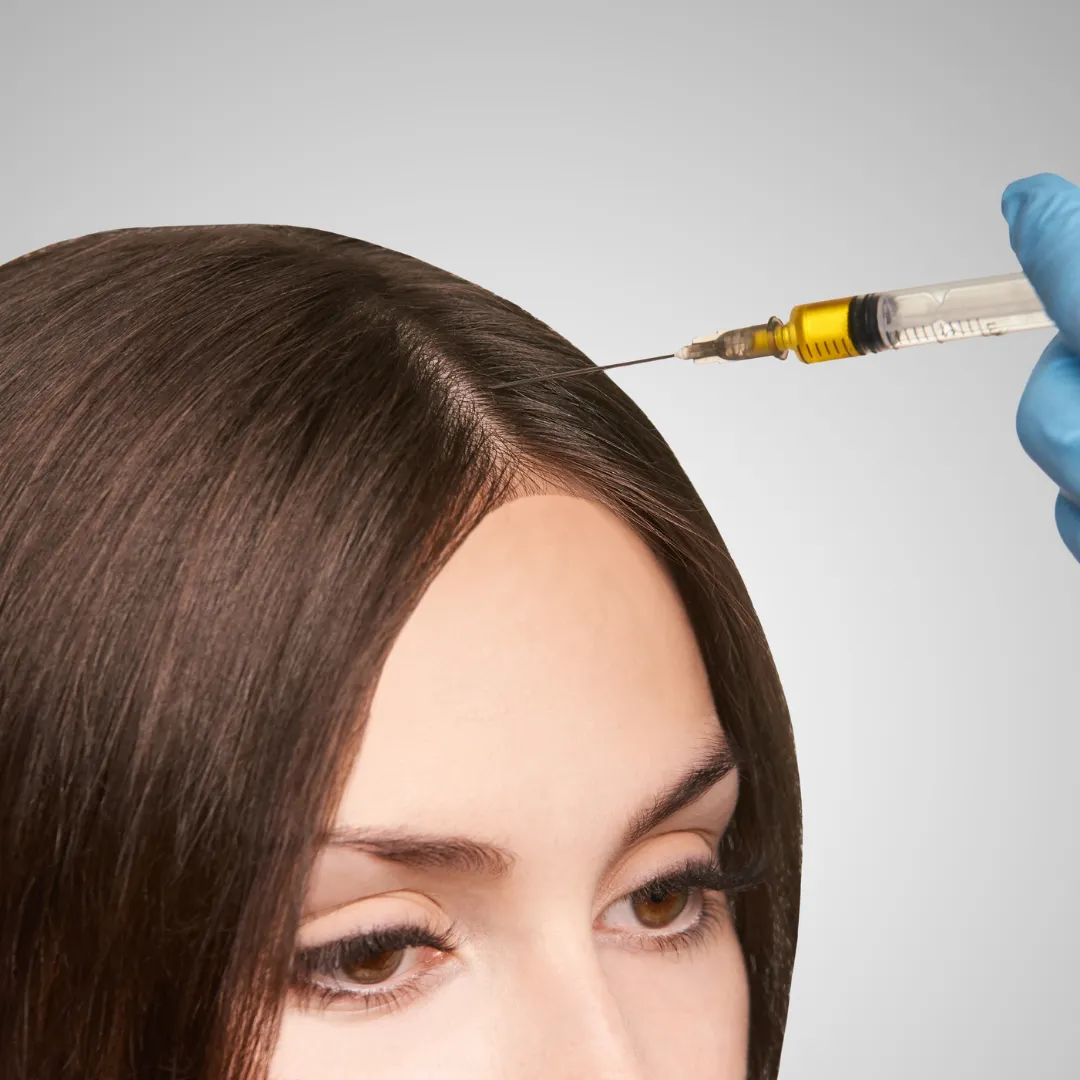
Understanding the treatment
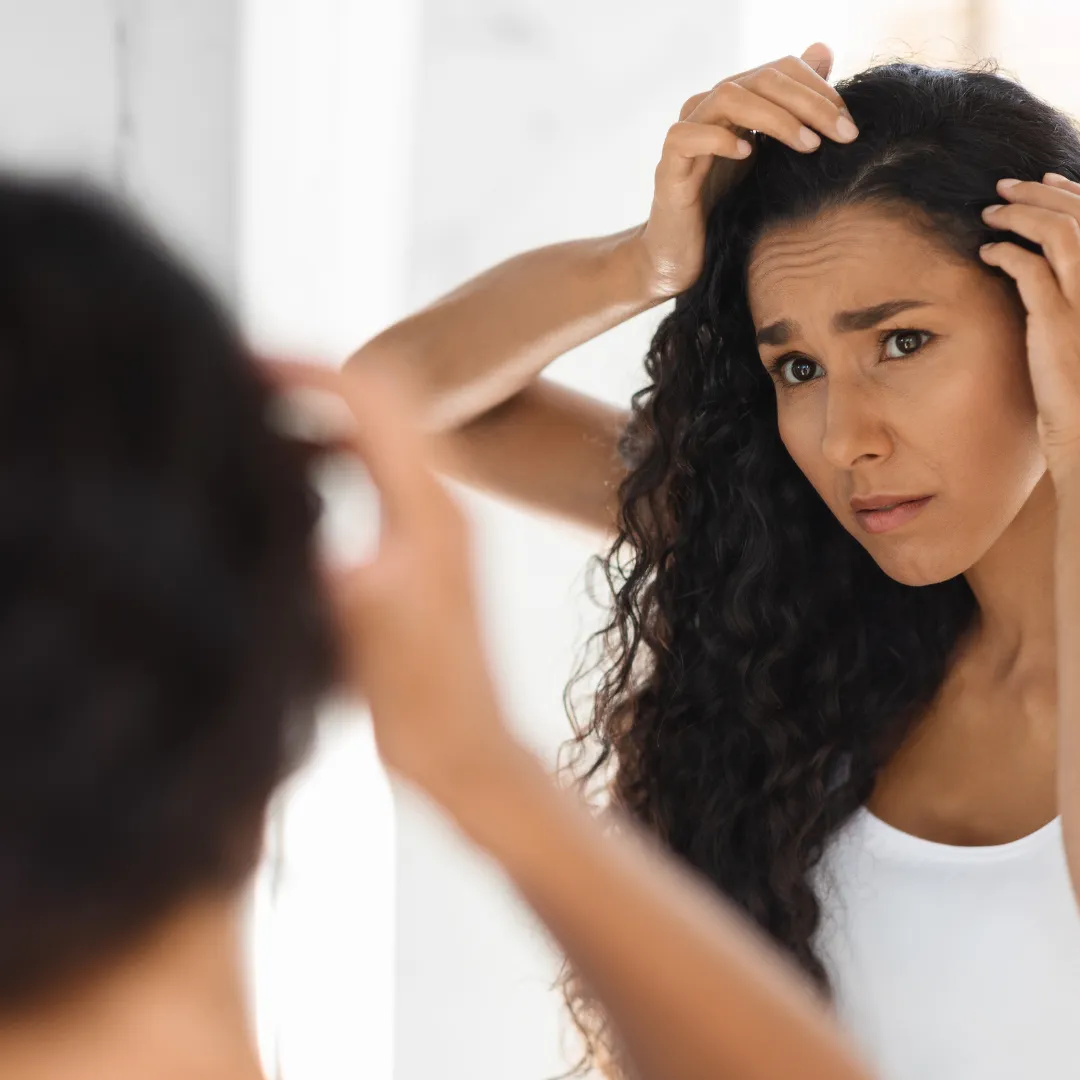
Platelet rich plasma therapy involves the use of platelets and growth factors from your own blood to help hair follicles that are inactive to move back into the growth phase.
Unlike a hair transplant, there is no addition of follicles in the target area in PRP. It helps in reactivation of dormant hair follicles. PRP treatment is therefore not ideal for: Late stage baldness Complete baldness It works best on: Early stages of hair thinning in both men and women Works on hereditary as well as traction alopecia as long as they are not late stage PRP is not a substitute for hair transplantation. It is ideal for hair regrowth in cases where people haven’t reached a stage where they necessarily need a hair transplant. It works for both men and women. However, a single session will not provide desired results. You will need multiple sessions.
Platelet-rich plasma is prepared from a person's own blood and used in selected medical or cosmetic procedures. Protocols and the strength of evidence differ between skin and hair indications.
How it works
It is important for you to have realistic expectations when you are going in for any cosmetic treatment.
PRP treatment will not be helpful for you in case you are facing late stages of hair loss. Our providers will ask you to go ahead only if they expect you to get results. Results will start visibly showing after 2 sessions of the PRP treatment (2-3 months). It will help you preserve existing hair as well as help in the activation of dormant follicles, appearing as regrowth of hair.
You will have to repeat the procedure multiple times. For the first four months, you generally require to get PRP done once every month. After that you may be suggested 2 maintenance sessions every year.
A blood sample is processed to concentrate platelets in plasma. The intended tissue response is associated with platelet-derived signalling molecules, but this does not make outcomes predictable.
Suitability and assessment
The indication, blood or platelet disorders, infection, medicines and previous response need assessment. Using a person's own blood does not remove the need for sterile technique or informed consent.
What happens during treatment
Blood is drawn, processed using an appropriate system and applied or injected according to a defined treatment plan. Procedures involving needles require careful infection control.
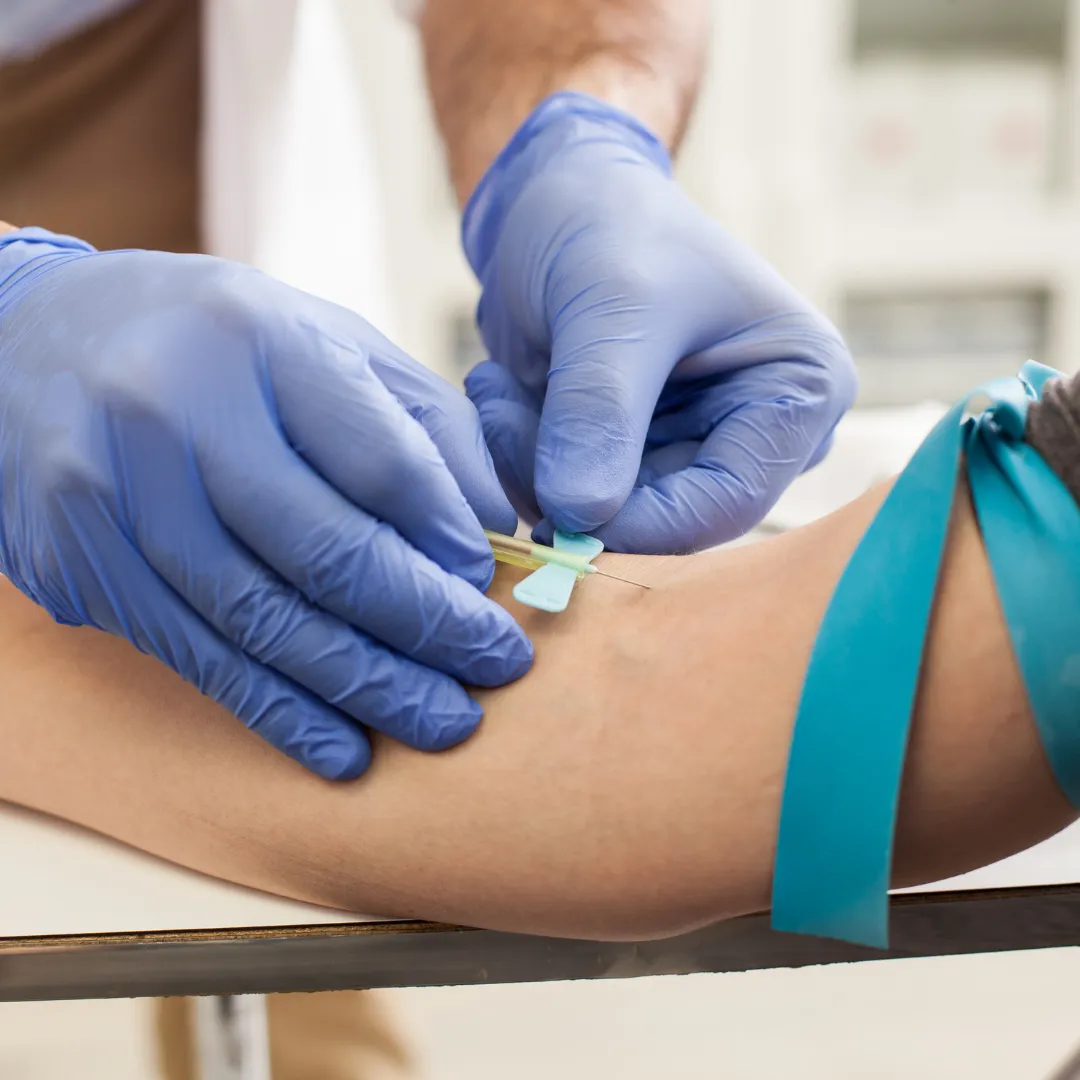
Drawing of blood
10-15 ml of your blood is drawn with a syringe
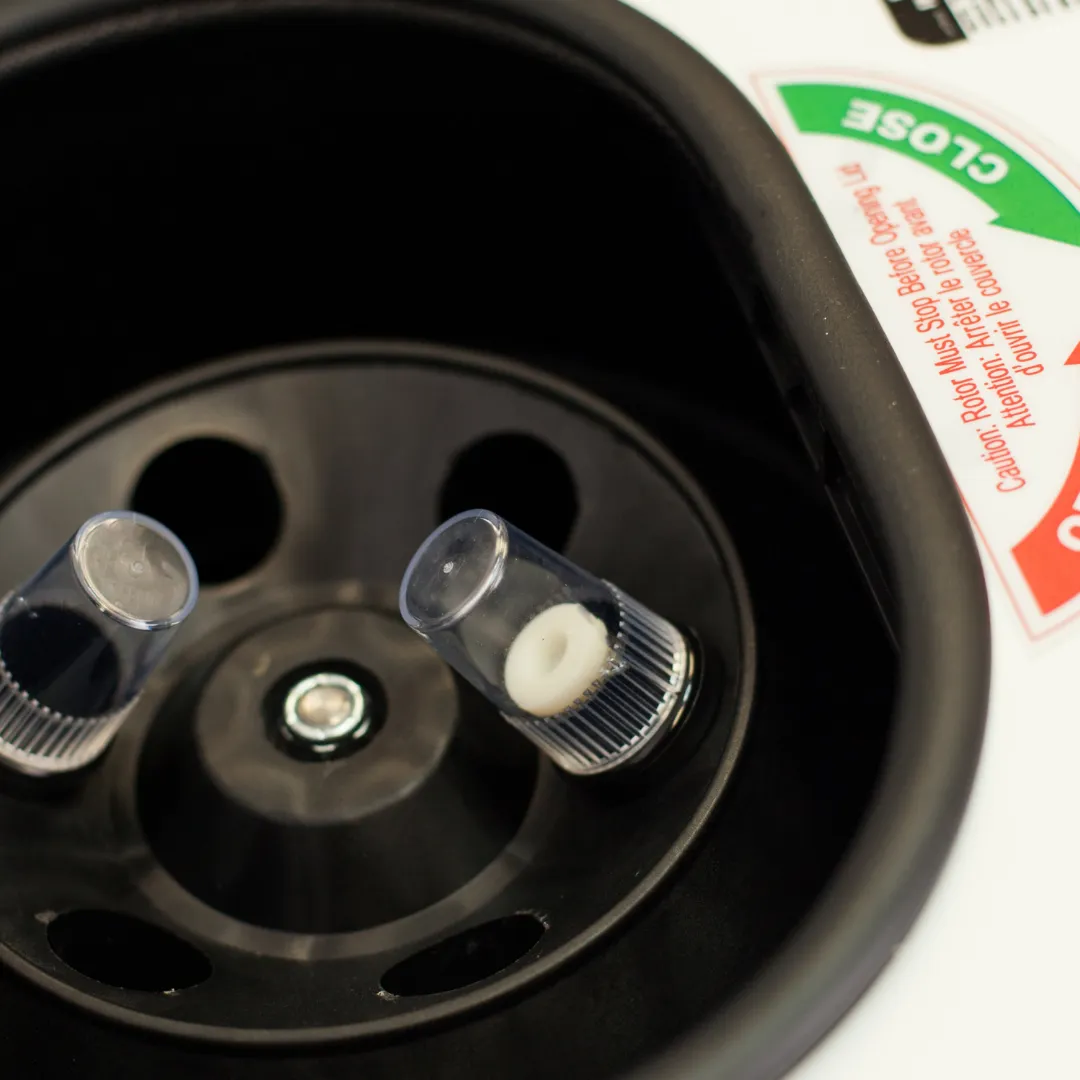
Centrifuge
The blood is centrifuged in a machine to help isolate the platelets, plasma and growth factors. While you wait, numbing cream is applied on the areas that will be injected so that you do not feel the pain. The centrifuge...Read full stepShow less
The blood is centrifuged in a machine to help isolate the platelets, plasma and growth factors. While you wait, numbing cream is applied on the areas that will be injected so that you do not feel the pain. The centrifuge process may take up to 25 minutes. After this the required components are filled into a narrow gauge syringe.
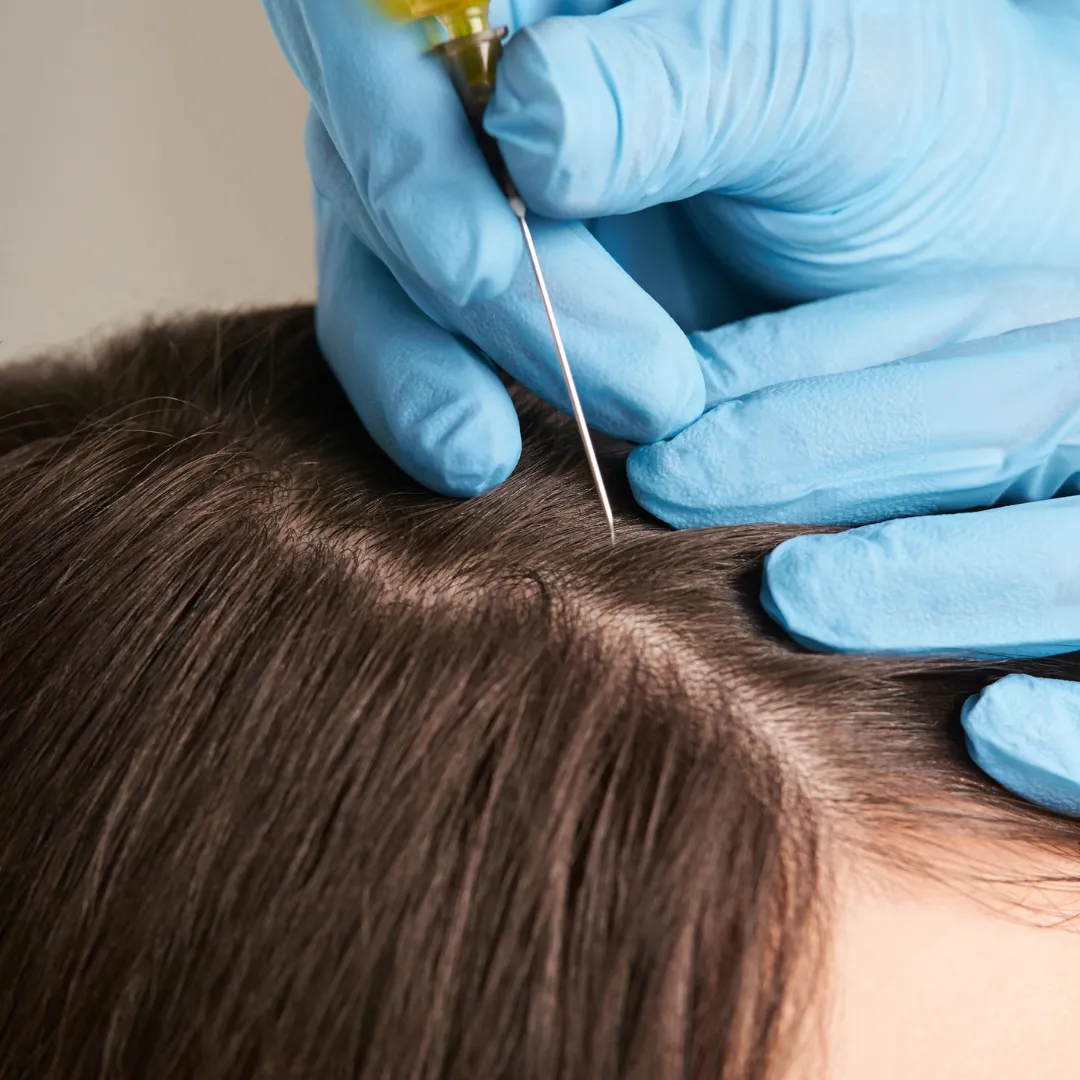
PRP injection
The target areas are injected. You can then collect the after care instructions and be on your way home. You will be asked to repeat the treatment at the discussed frequency, usually after a gap of 4 weeks for the first 4-5 sessions.
Results and limitations
Improvement may be gradual and variable. Studies use different protocols, so claims about rejuvenation should be judged for the specific indication rather than PRP in general.
PRP (Platelet Rich Plasma) for Dark circles
The treatment is experimental, but the science behind it is under research. It has been shown to be effective in facial rejuvenation, including for the peri-orbital area.
PRP (Platelet Rich Plasma) for Wrinkles
PRP treatment of the face is effective for fine lines. It is therefore beneficial for early signs of aging.
Risks and recovery
Pain, bruising, swelling and infection are possible. Contamination or unsafe handling of blood creates additional risks.
The risks associated with PRP treatment are minimal. There are various studies that have shown the safety and efficacy of the treatment though studies are still going on. It has been used as a regenerative tool for joint injuries well before the cosmetic use for hair regrowth. The possible risks are those which are associated with any injection and include:
- infection at the injection site
- scalp injury
- formation of scar tissue
These are easily avoidable in the hands of a well trained specialist which we guarantee you of at SkinGenious. In case they do occur, they are easily manageable.
Preparing for treatment
Bring details of previous procedures, medicines, allergies and any change in your health. Ask which skincare products or activities need adjusting before the appointment. Do not stop prescribed medicines without advice.
Any change to prescribed medicines, including blood thinners, must be agreed with the prescribing clinician.
The primary factor that helps you in this treatment is the platelets that are present in your own blood. In case you have a low platelet count, the results may not be the best.
- You may be asked to get a platelet count done to ensure that you are an ideal candidate.
- May be advised against the treatment if you have a history of scarring or keloid formation.
- Not suggested if you are pregnant or breastfeeding.
Aftercare
The after care for the procedure involves:
- Do not apply minoxidil for the next two days
- Do not shampoo your hair on the day of the treatment
- In case of pain at the injection site, take a regular anti-inflammatory like paracetamol.
Follow instructions for the treated area, including guidance on cleansing, sun protection and medicines. Do not stop prescribed medication without discussing it with the prescriber.
Alternatives to consider
For skin texture or ageing, skincare and selected procedures may have different evidence and recovery. For hair loss, diagnosis-specific treatment remains important.
Planning treatment and maintenance
PRP uses a preparation made from your own blood, with platelets concentrated for the intended treatment. In skin rejuvenation, it may be considered for selected texture or quality concerns, sometimes alongside another procedure. It does not work in the same way as a filler that immediately adds structural volume.
Ask what PRP is expected to improve in your case. A discussion about fine texture is different from a plan for a deep scar, loose skin or loss of cheek volume. If PRP is being combined with microneedling or resurfacing, understand the purpose and recovery requirements of each component.
Blood collection, preparation and delivery should follow a consistent clinical process. Your health, medicines and any condition affecting blood or platelets are relevant to suitability. Tell the clinician about a history of fainting with blood tests or injections so that the appointment can be planned comfortably.
The result should be reviewed over time using the same lighting and expression. Ask how many sessions are proposed, when a useful change should be visible and what would lead to a change of plan. PRP preparations and treatment protocols vary, so the name alone does not tell you exactly what has been used. A clear record makes follow-up and comparison more meaningful.
What affects the cost
The area treated, the product or device, the treatment plan and the number of sessions influence the total. A useful estimate explains what is included, what follow-up involves and whether maintenance is likely. City pages provide the local service information.
Explore related guides
Continue exploring the treatments, concerns and categories connected with this topic.
Treatment guides

Botox
Botox softens expression lines by relaxing selected facial muscles. Understand how it works, how a treatment plan is chosen and what happens after the appointment.
Read the guide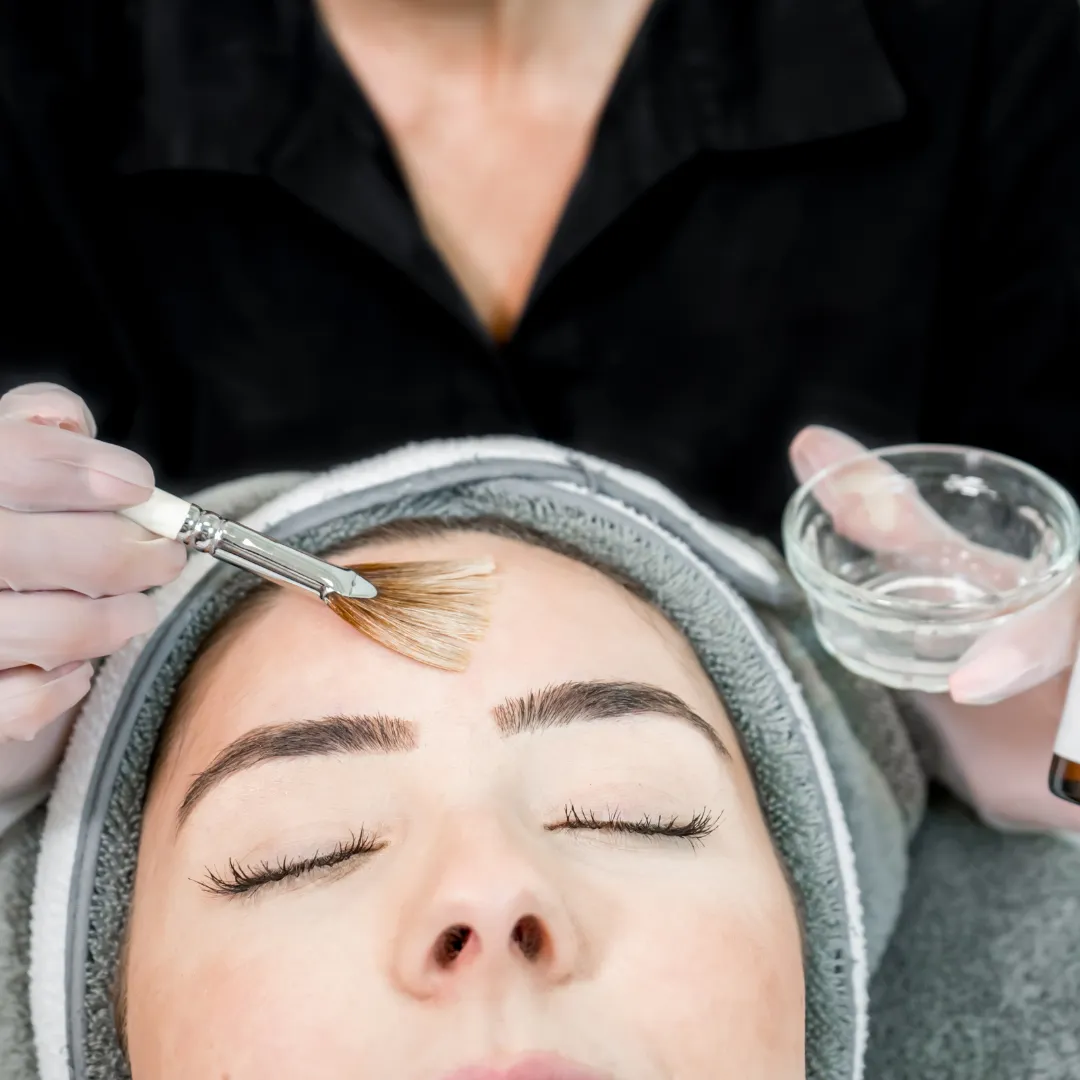
Chemical Peeling
Chemical peels improve selected surface and texture concerns by producing controlled exfoliation. Understand the different depths, how a peel is chosen and the care needed afterwards.
Read the guide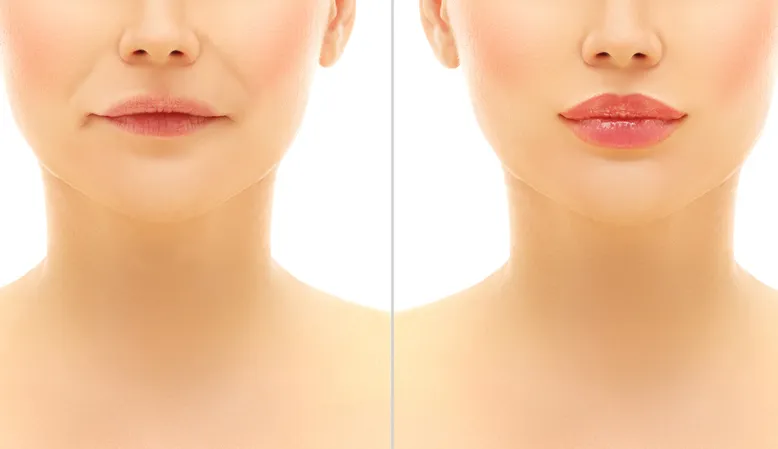
Dermal Filler
Dermal fillers can restore selected areas of volume and refine facial contours. Learn how product choice, facial proportions and placement shape a treatment plan.
Read the guide
Fractional Co2 Laser Resurfacing
Fractional CO2 laser resurfacing improves selected scars and changes in skin texture through controlled resurfacing. Learn about assessment, treatment, healing and the results a course can achieve.
Read the guide
Photofacial
Photofacial treatments use light to address selected pigment changes and visible redness. Explore IPL, the skin features it targets and the factors that guide a treatment plan.
Read the guide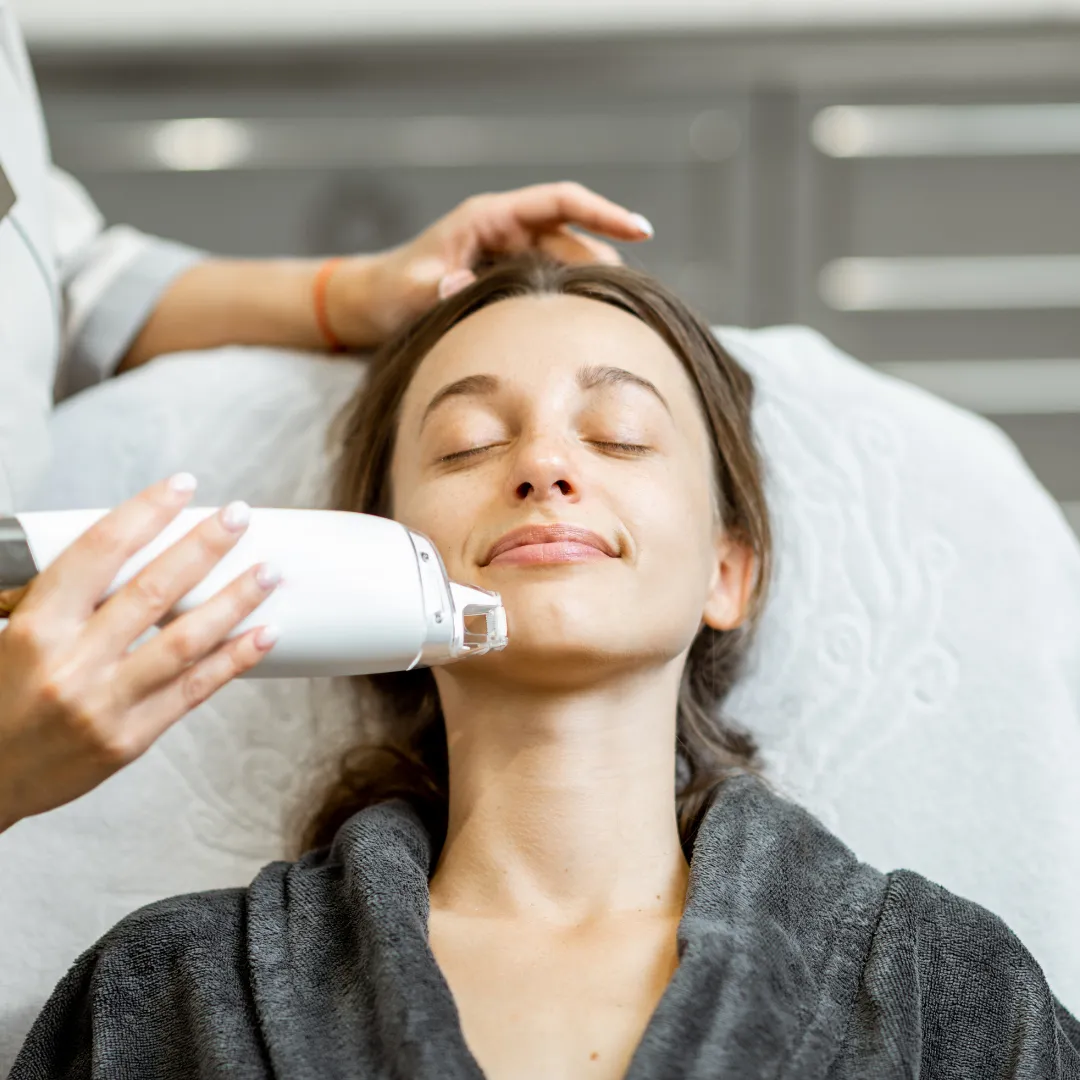
Q-switch laser
Q-switched lasers target selected pigments in the skin and tattoo ink. This guide explains how pigment treatment is chosen and why the diagnosis matters.
Read the guide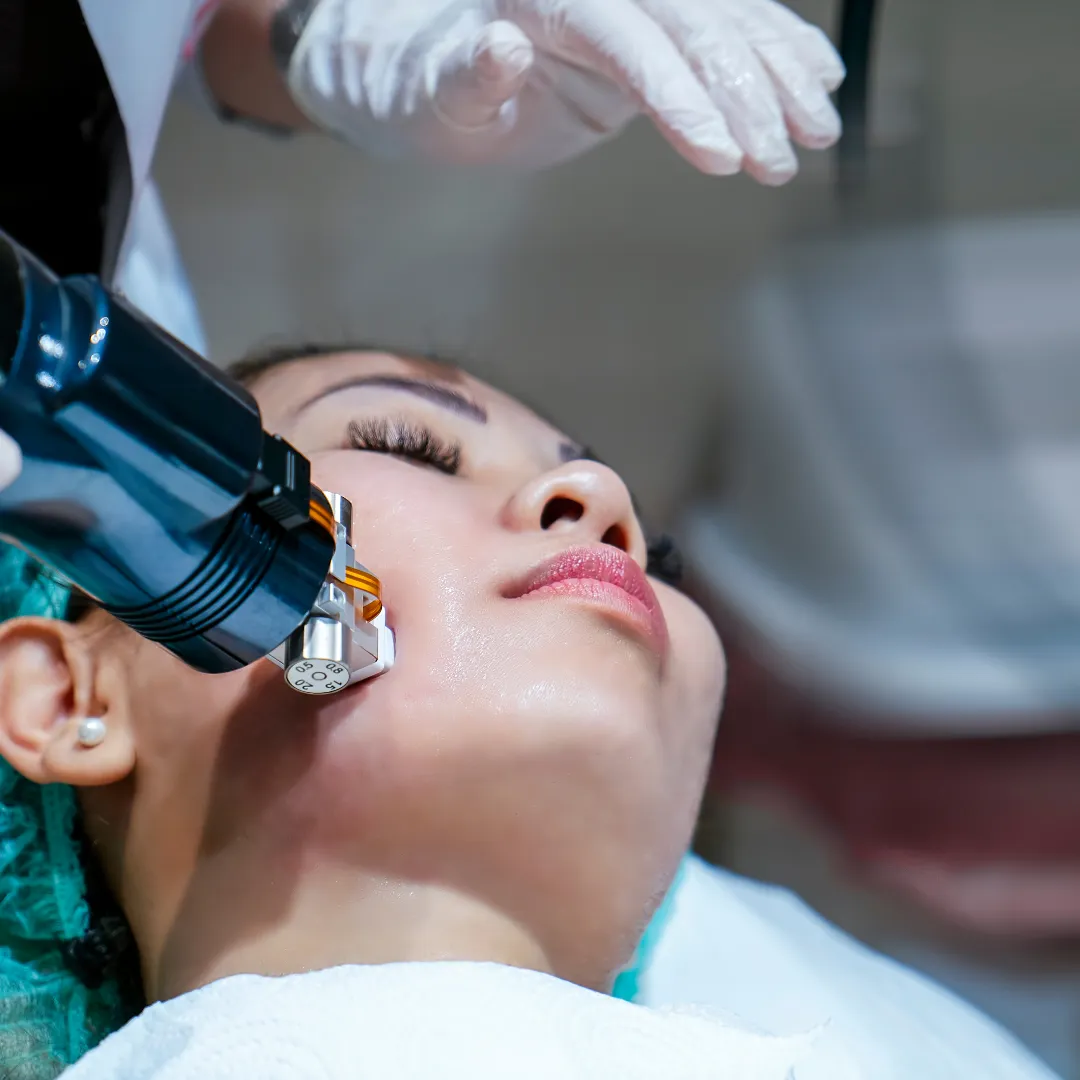
RF Microneedling (MNRF)
RF microneedling combines fine needles and radiofrequency energy to address selected scars and texture concerns. Learn about treatment depth, suitability, recovery and alternatives.
Read the guideConcern guides
Dark circles
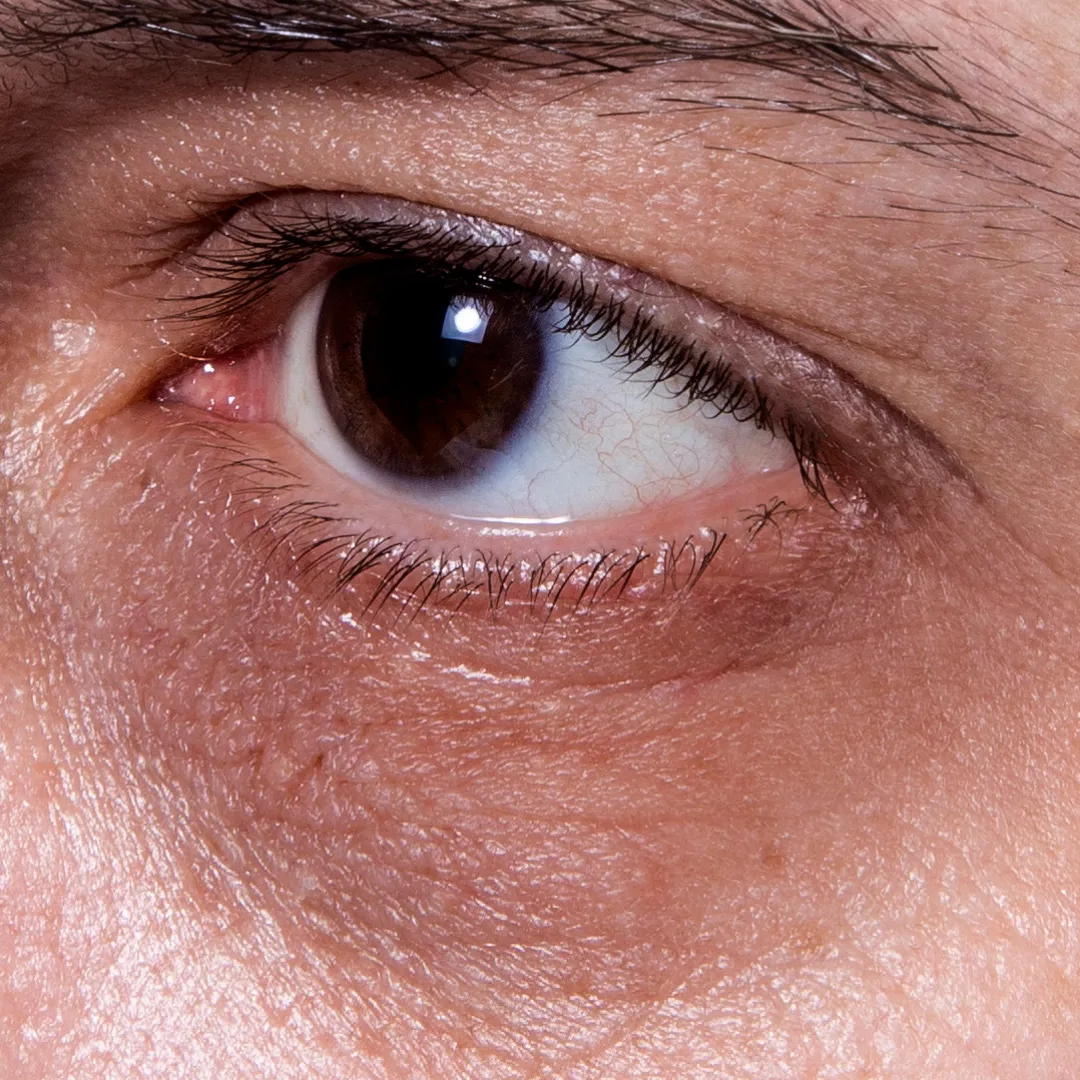
Dark circles describe a darker or shadowed appearance under the eyes. Pigment, visible vessels, puffiness and facial structure can each contribute.
Read the guide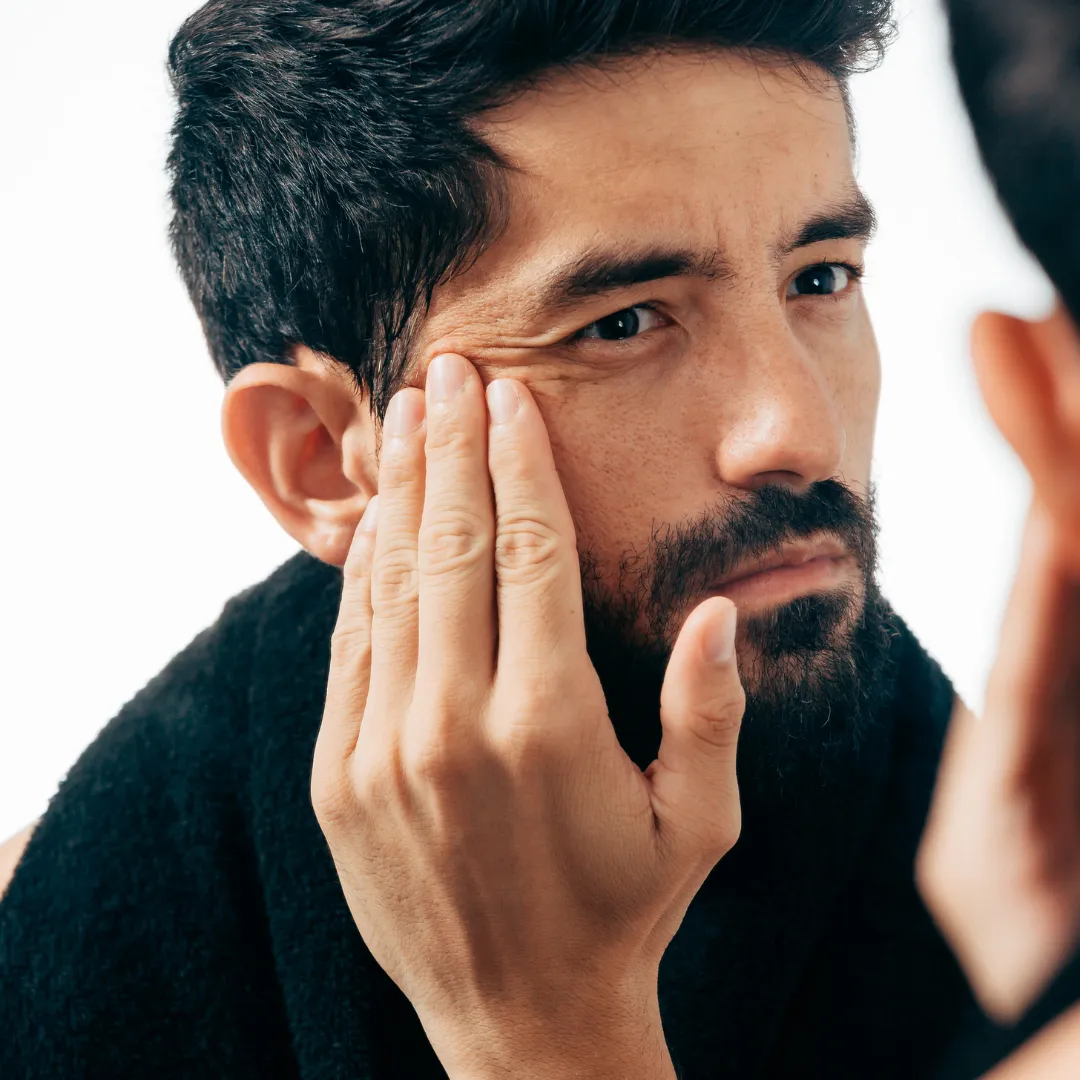
Wrinkles
Wrinkles are lines or folds that develop as skin changes with age, sun exposure and repeated facial movement. Some appear mainly with expression, while others remain when the face is at rest.
Read the guideCategory guides
Common questions
What does the treatment involve?
Platelet rich plasma therapy involves taking your blood, centrifuging it to concentrate platelets and growth factors and then injecting these back in the target areas of your scalp.
Is plasma therapy for hair regrowth permanent?
No, in case you are facing hereditary hair loss, you may require maintenance sessions at reduced frequency. Medications may also be recommended to support the treatment.
Is PRP treatment a substitute for Hair transplant?
No, Platelet rich plasma works only on early stages of hair loss where dormant hair follicles can be reactivated. Only hair transplant can give you results for late stage hair loss.
What should I understand before choosing PRP?
The indication, blood or platelet disorders, infection, medicines and previous response need assessment. Using a person's own blood does not remove the need for sterile technique or informed consent.
What results should I expect?
Improvement may be gradual and variable. Studies use different protocols, so claims about rejuvenation should be judged for the specific indication rather than PRP in general.
How do I compare this with other options?
For skin texture or ageing, skincare and selected procedures may have different evidence and recovery. For hair loss, diagnosis-specific treatment remains important.
Further reading and references
Take the next step
Explore care in your city
For local specialists, clinic information and appointments, choose a city.

Mumbai
Explore local specialists, clinics and appointments in Mumbai.
Explore care
Thane
Explore local specialists, clinics and appointments in Thane.
Explore care
Navi Mumbai
Explore local specialists, clinics and appointments in Navi Mumbai.
Explore care
Jaipur
Explore local specialists, clinics and appointments in Jaipur.
Explore care