 SCIENTIFIC SKIN, HAIR & PERSONAL AESTHETICS
Treatment guides
Fractional Co2 Laser Resurfacing: how it works, suitability and aftercare
Fractional CO2 laser resurfacing improves selected scars and changes in skin texture through controlled resurfacing. Learn about assessment, treatment, healing and the results a course can achieve.
SkinGenious editorial team
Explore the guide ↓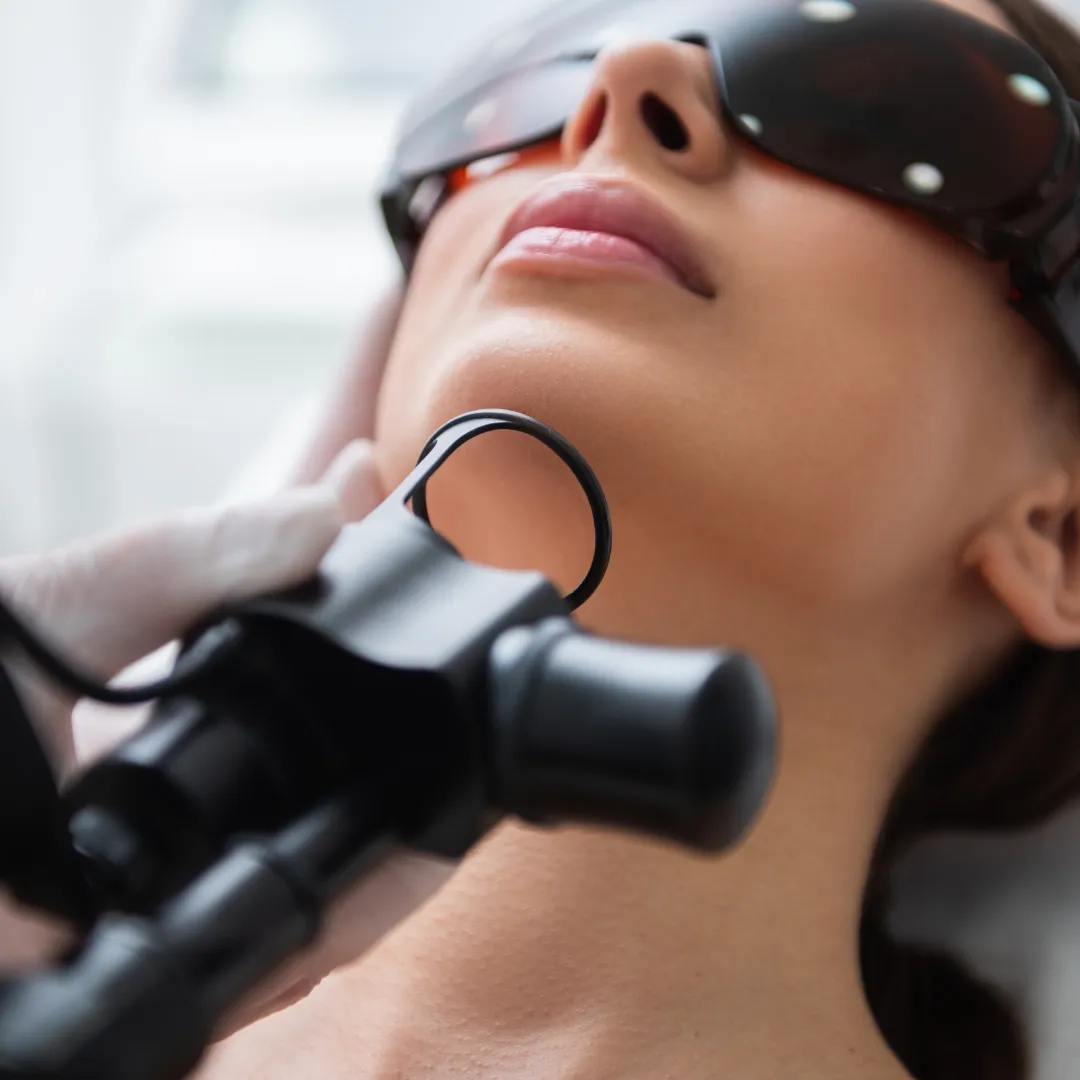
Understanding the treatment
In the earlier days of laser treatment for acne scars, your dermatologist would have spoken to you about using ablative or non-ablative lasers for the treatment. Ablative lasers act on the deeper layers of the skin which contain connective tissue and hence stimulate them to grow. Non-ablative laser work mostly on the superficial layers of skin.
With the advent of the fractional Co2 laser, things have changed for the better. It works on both the epidermis and dermis.
The fractional Co2 laser removes the superficial layers of skin, taking along with it the damaged tissue. It also acts on the deeper layers of the dermis, where through heat and energy it stimulates the body to make new collagen.
The principle on which it works is to deliver a laser beam that is divided into thousands of deep but tiny columns known as micro treatment zones. the micro action of expelling damaged and pigmented epidermal cells as well as collagen remodeling in deeper dermal tissue happens in each of these zones.
What results, is your skin being 'resurfaced' with a fresh and new appearance. It doesn't just help with the scars, but also works on removing pigmentation and helps against superficial wrinkles etc.
However, considering that we Indians in general have a darker skin tone, we must be careful of the risks and the after care required. Please read about them in the relevant sections of this page.
Fractional CO2 resurfacing is an ablative laser procedure used for selected scars, texture changes and signs of photodamage. It creates microscopic treatment zones and requires planned healing time.
How it works
You can expect up to 90% improvement in your scars with the fractional Co2 laser treatment, which is also often called the fraxel laser. The procedure takes around 45 minutes to complete. There is a down-time of 48-96 hours after the treatment. This is due to scabbing and flaking that occurs in the skin. You will start seeing significant results 2 weeks after your session and the change is permanent. Some indivuduals may require multiple sessions of the treatment for ideal results.
The laser makes small columns of controlled injury while leaving intervening skin untreated. Healing and collagen remodelling can change skin texture over time.
Suitability and assessment
Scar type, skin tone, recent tanning, infection risk and the ability to follow wound-care instructions matter. Darker skin tones need particular attention to post-inflammatory pigmentation risk.
What happens during treatment
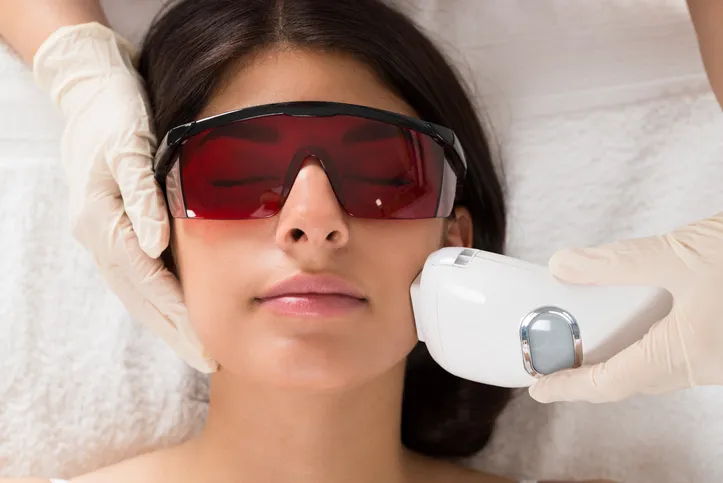
A consultation and photographs are followed by preparation and anaesthesia where appropriate. Protective eyewear is used, the chosen area is treated and a wound-care plan is provided.
In-person consultation
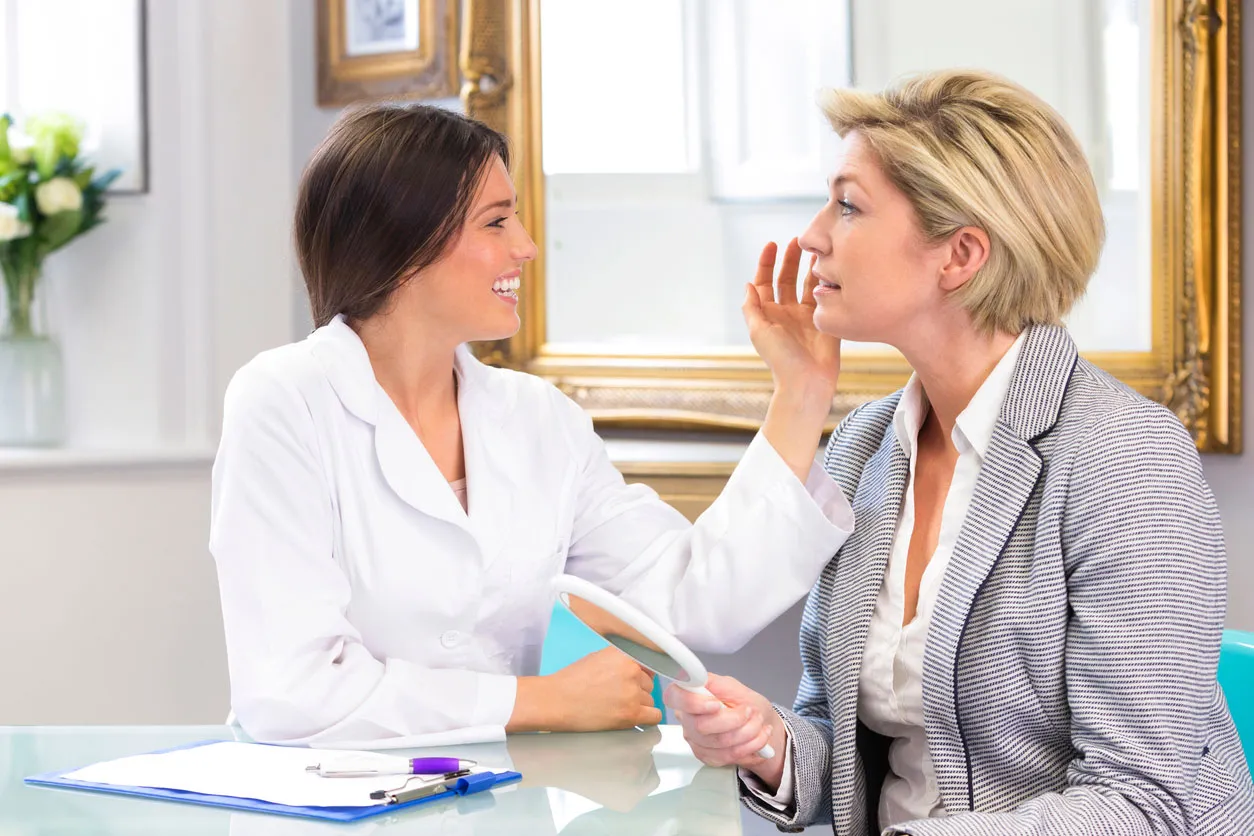
All treatments at SkinGenious start with consulting one of the top dermatologists in the city. When you meet the specialist, you will share your concerns and they will collect the relevant history. After this, they will...Read full stepShow less
All treatments at SkinGenious start with consulting one of the top dermatologists in the city. When you meet the specialist, you will share your concerns and they will collect the relevant history. After this, they will devise the ideal treatment plan for you. In case of acne scars, Fractional Co2 laser treatment may often be chosen as the ideal treatment.
Preparation for treatment
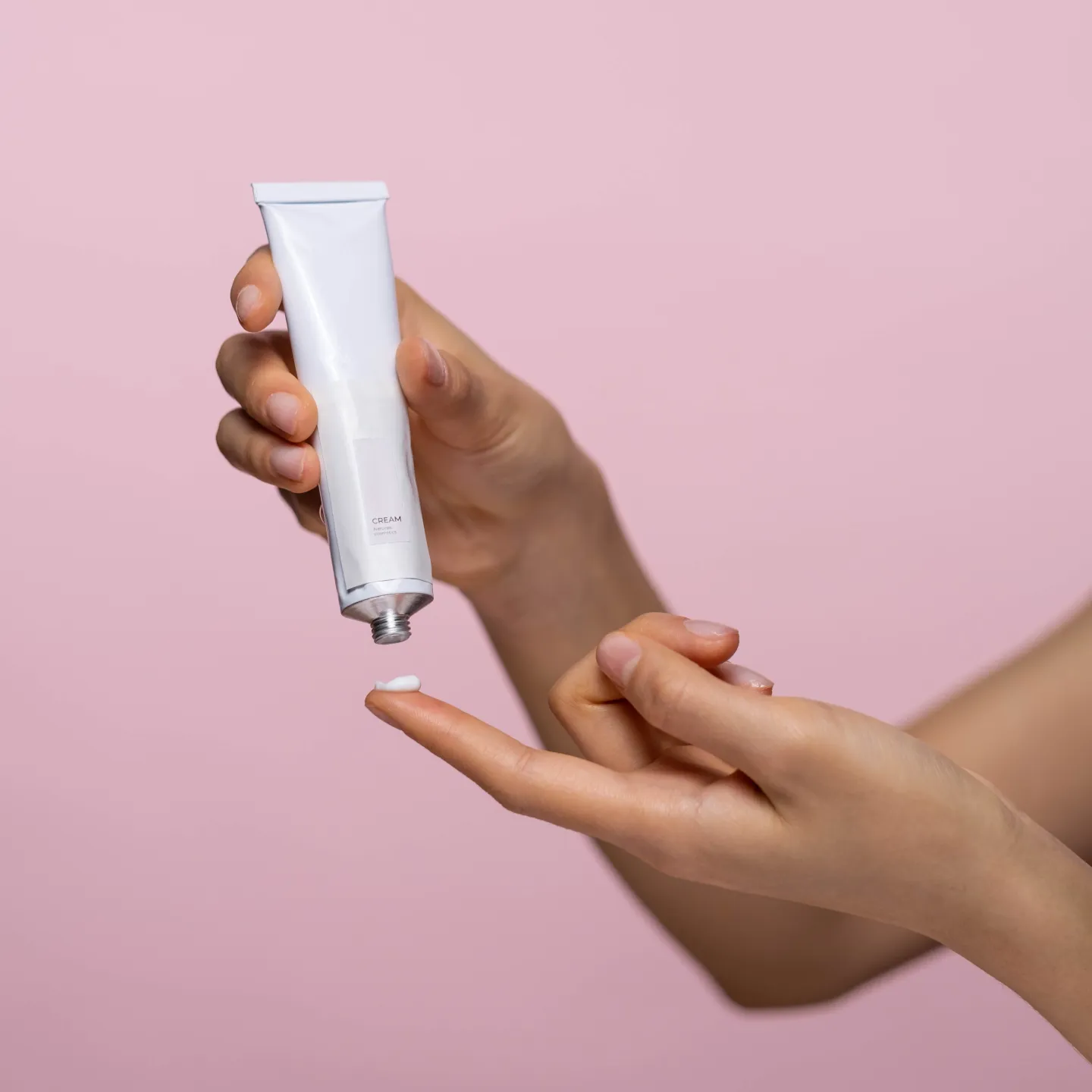
The preparation for treatment starts with a clean-up of the face or any other targeted area, including removal of any creams, make-up or jewelry. This is followed by application of a numbing cream, without which the trea...Read full stepShow less
The preparation for treatment starts with a clean-up of the face or any other targeted area, including removal of any creams, make-up or jewelry. This is followed by application of a numbing cream, without which the treatment could be slightly painful. The numbing cream takes 15-30 minutes to act. After this, you wear protective goggles and a gliding gel is applied over the target area to enable smooth movement of the laser probe.
Fractional Co2 laser treatment
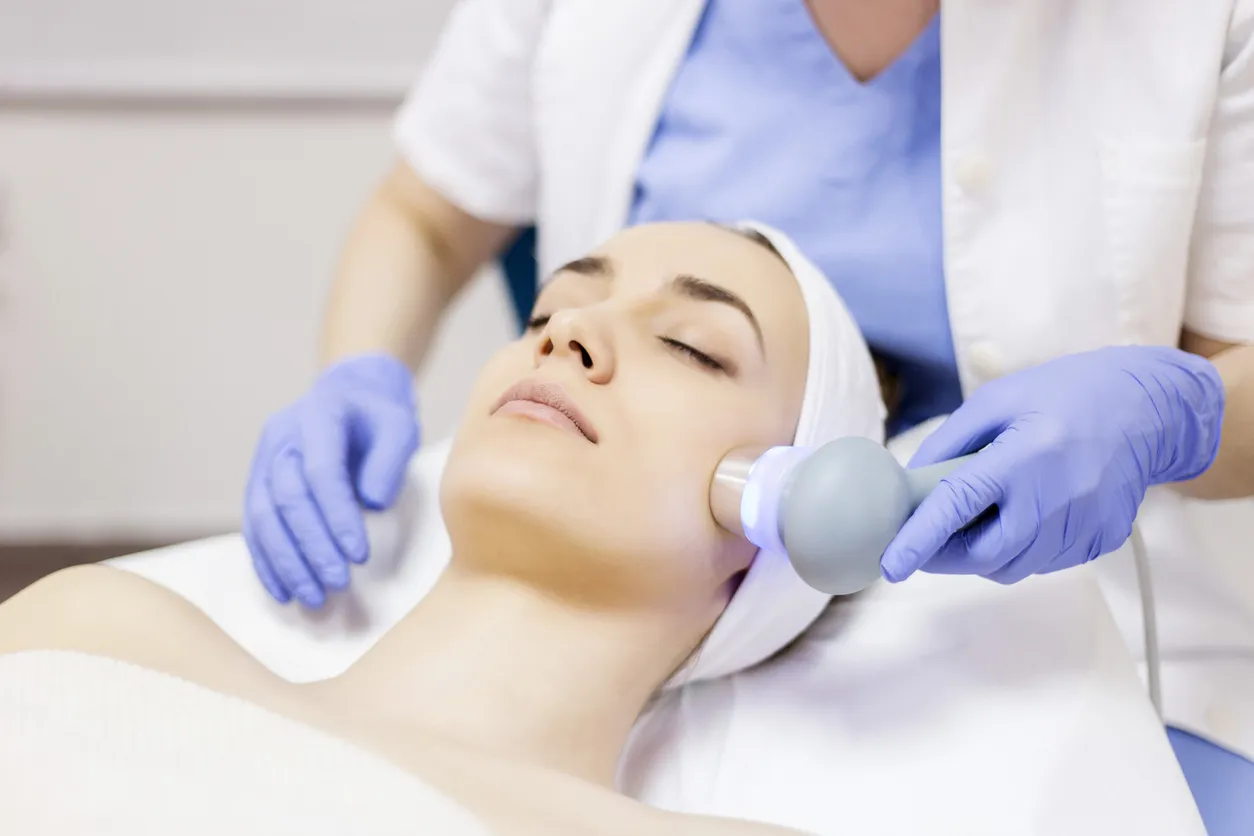
Your dermatologist (for face) will deliver energy pulses from the laser machine on the targeted areas during the treatment. Post the treatment, your therapist will temove the excess gliding gel. This is followed by the a...Read full stepShow less
Your dermatologist (for face) will deliver energy pulses from the laser machine on the targeted areas during the treatment. Post the treatment, your therapist will temove the excess gliding gel. This is followed by the application of a strong sun screen (50+ SPF). Before you leave the clinic, collect the after-care guidelines and skin care prescription from your dermatologist. Follow the after-care instructions very seriously.
Results and limitations
Texture may improve over a series of reviews and sometimes more than one session. Deep or tethered scars often require a combination approach rather than resurfacing alone.
Fractional Co2 Laser Resurfacing for Acne scars
Like all cosmetic treatments, you have to be practical with your expectations for improvement with acne scars. You may expect 60-90% improvement in your scar marks. In case the expected improvement is less than this, our skin specialist is most likely to tell you to not go ahead with the treatment.
Fractional Co2 Laser Resurfacing for open pores
The treatment is quite effective in tightening pores and significant results are seen even after a single session.
Fractional Co2 Laser Resurfacing for Wrinkles
Fractional Co2 laser resurfacing is effective for superficial wrinkles and fine lines. It is therefore beneficial for early signs of aging.
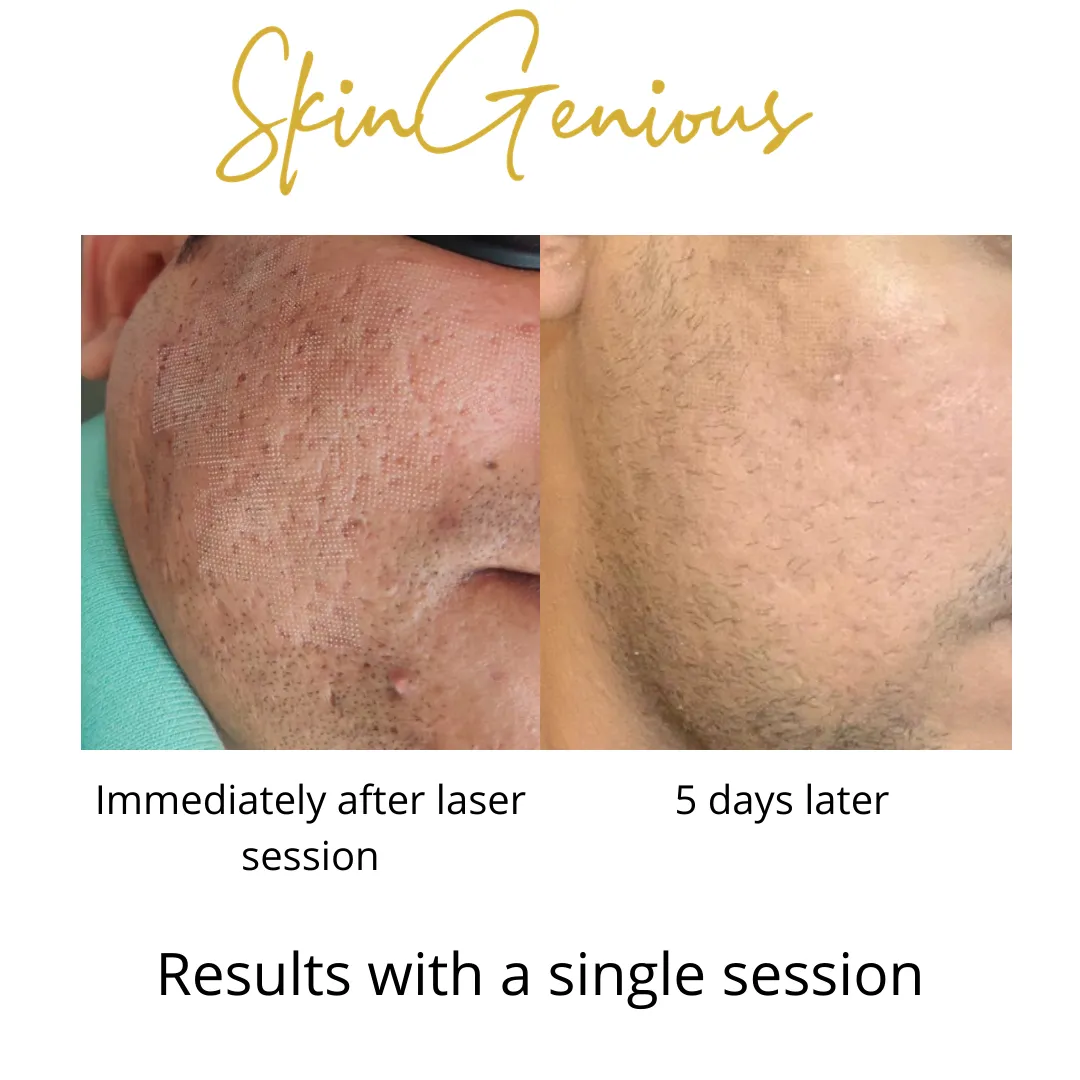
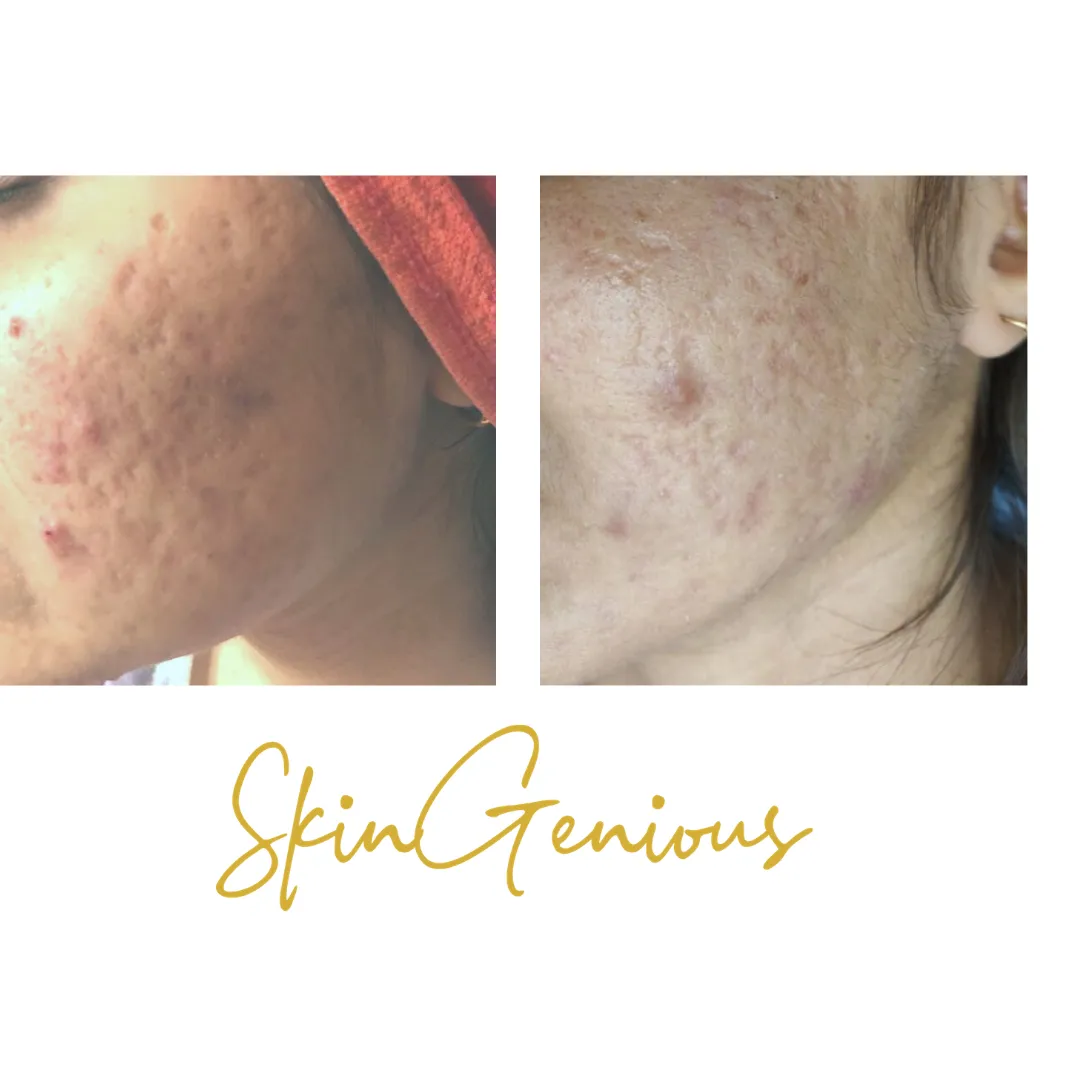
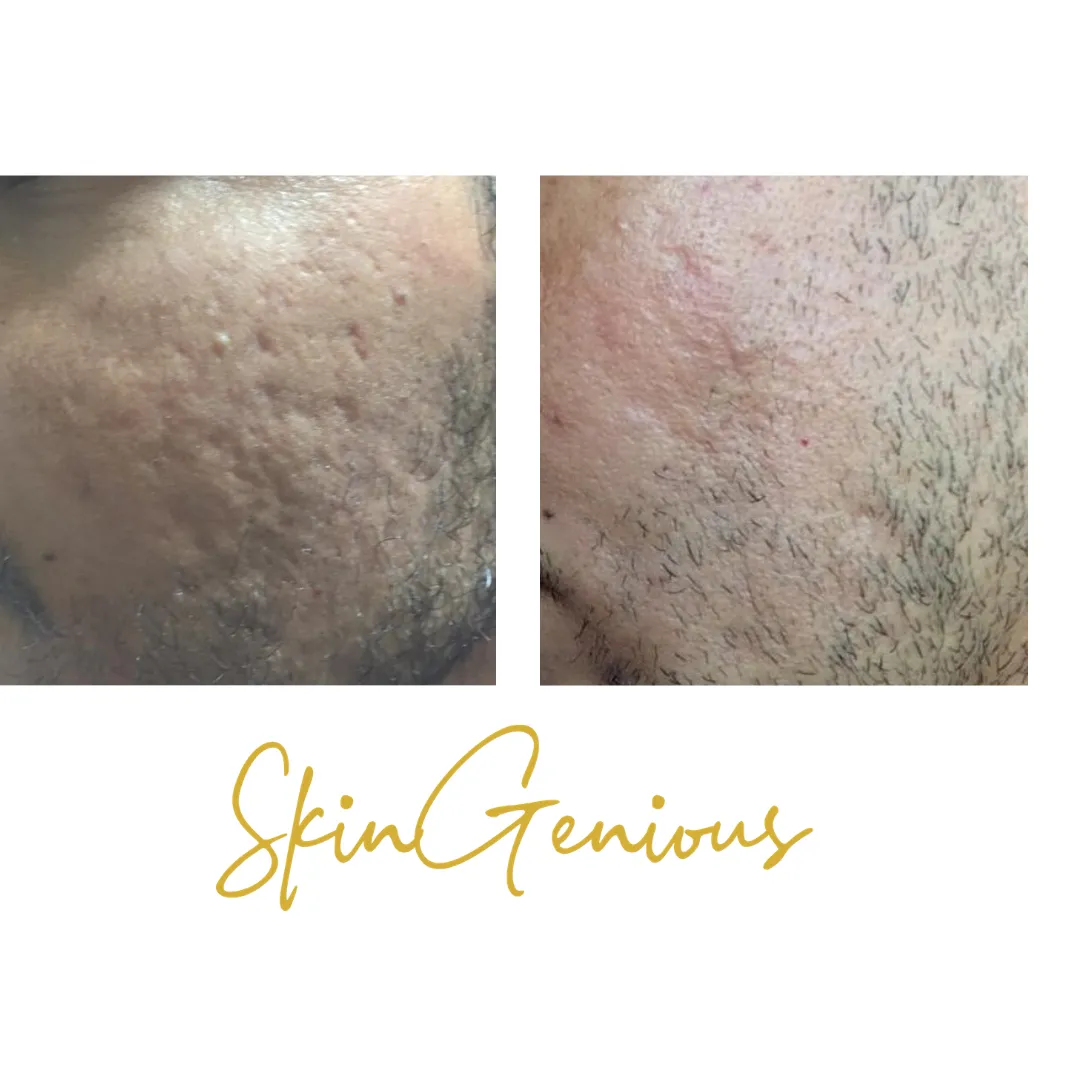
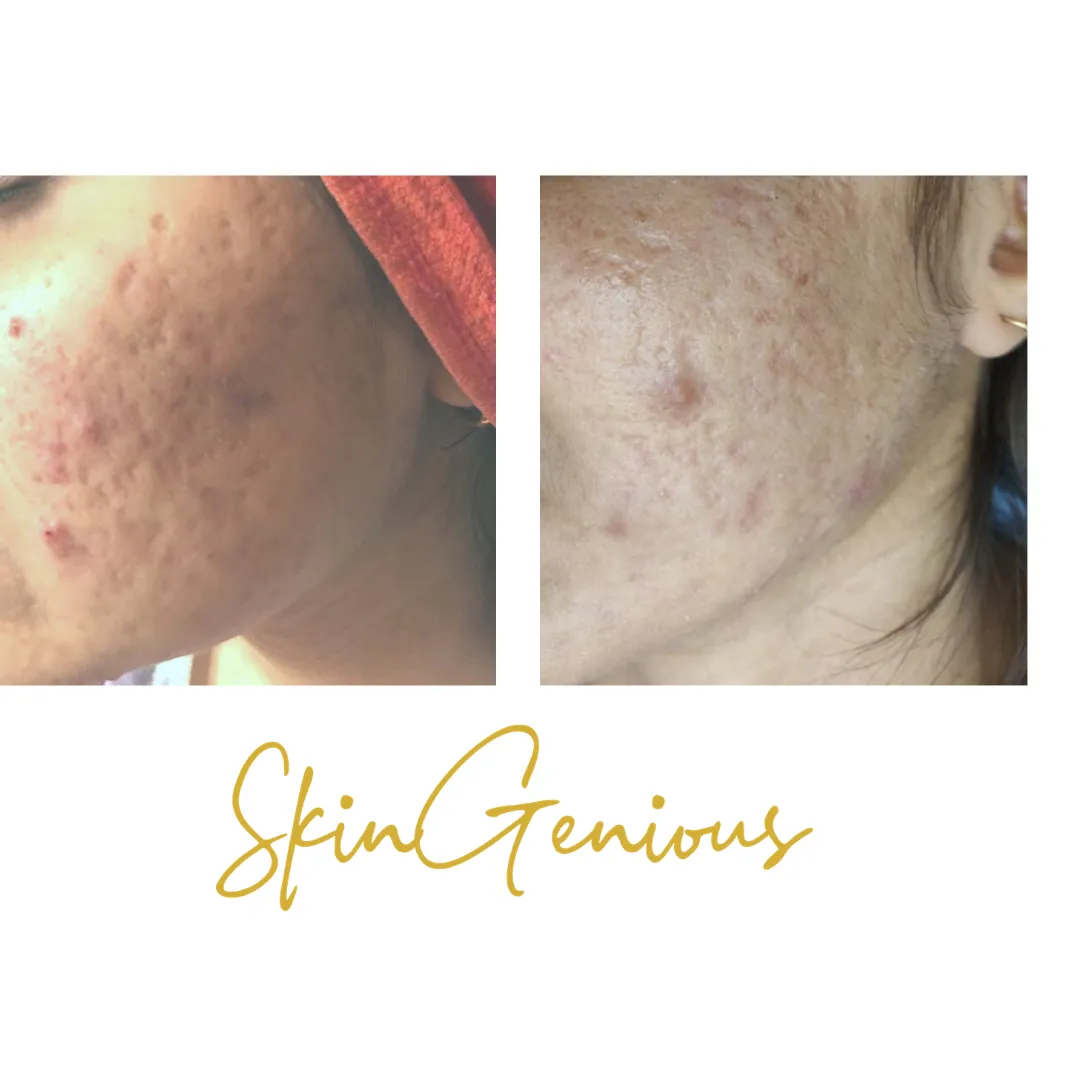
Before and after results
These photographs come from the existing treatment and concern records. They illustrate individual outcomes. Your starting point, treatment plan and healing response affect your own result.
Risks and recovery
Redness, swelling, oozing and crusting can be part of recovery. Infection, prolonged redness, pigment change and scarring are possible complications.
- Swelling which can last 2-3 days
- Redness which can last up to 14 days
- Post inflammatory hyperpigmentation (seen even with chemical peels)
- Flare-up of herpes virus infection
- Flare-up of acne without proper after-care.
Preparing for treatment
Bring details of previous procedures, medicines, allergies and any change in your health. Ask which skincare products or activities need adjusting before the appointment. Do not stop prescribed medicines without advice.
Any change to prescribed medicines, including blood thinners, must be agreed with the prescribing clinician.
- Stop smoking 2 weeks prior to the treatment.
- Do not use retinoids for the prescribed period of time before before the treatment (your dermatologist will let you know).
- Share your medical history with the skin specialist, especially on cold sores and PIH
- Avoid this treatment if you are pregnant or breastfeeding.
- Remove your make up before the consultation so as to define your problem areas and expectations correctly.
Aftercare
- After the procedure, avoid using any products not prescribed by the specialist or without checking with them.
- Avoid make-up on the day of the treatment.
- The most important after care requirement for all these procedures is to avoid sun exposure. Apart from simply using sunscreen, you may be suggested additional measures such as wearing a hat or sun glasses.
Follow the prescribed cleansing and barrier-care plan, avoid picking and protect healing skin from sunlight. Increasing pain, discharge or spreading redness needs prompt assessment.
Alternatives to consider
Microneedling, subcision, focal scar procedures and other laser settings have different roles. The best comparison is based on the scar pattern and acceptable downtime.
Planning treatment and maintenance
Fractional CO2 resurfacing can improve selected acne scars, uneven texture and signs of sun damage by treating small columns of skin. The skin between those columns helps the area heal. The depth and intensity are chosen around the concern, skin type and amount of recovery you can accommodate.
Scar shape makes a difference. A broad shallow depression, a narrow deep scar and a scar tethered beneath the skin do not respond in the same way. Some people benefit from a plan that combines resurfacing with a separate scar treatment rather than repeating the same laser settings everywhere.
Plan the recovery before booking. You may need time for redness, swelling, peeling or crusting, depending on the treatment. The clinic should explain cleansing, moisturising, sun protection and when you can restart normal products. A history of cold sores, slow healing or pigmentation after inflammation should be discussed in advance.
The skin surface heals before collagen remodelling is complete. Review the result after the agreed healing period rather than using the first few days as a guide. Sun protection and careful aftercare help protect the improvement and reduce the chance of uneven pigment. Seek advice if pain, discharge or redness is increasing rather than following the expected recovery pattern.
What affects the cost
The area treated, the product or device, the treatment plan and the number of sessions influence the total. A useful estimate explains what is included, what follow-up involves and whether maintenance is likely. City pages provide the local service information.
Explore related guides
Continue exploring the treatments, concerns and categories connected with this topic.
Treatment guides

Botox
Botox softens expression lines by relaxing selected facial muscles. Understand how it works, how a treatment plan is chosen and what happens after the appointment.
Read the guide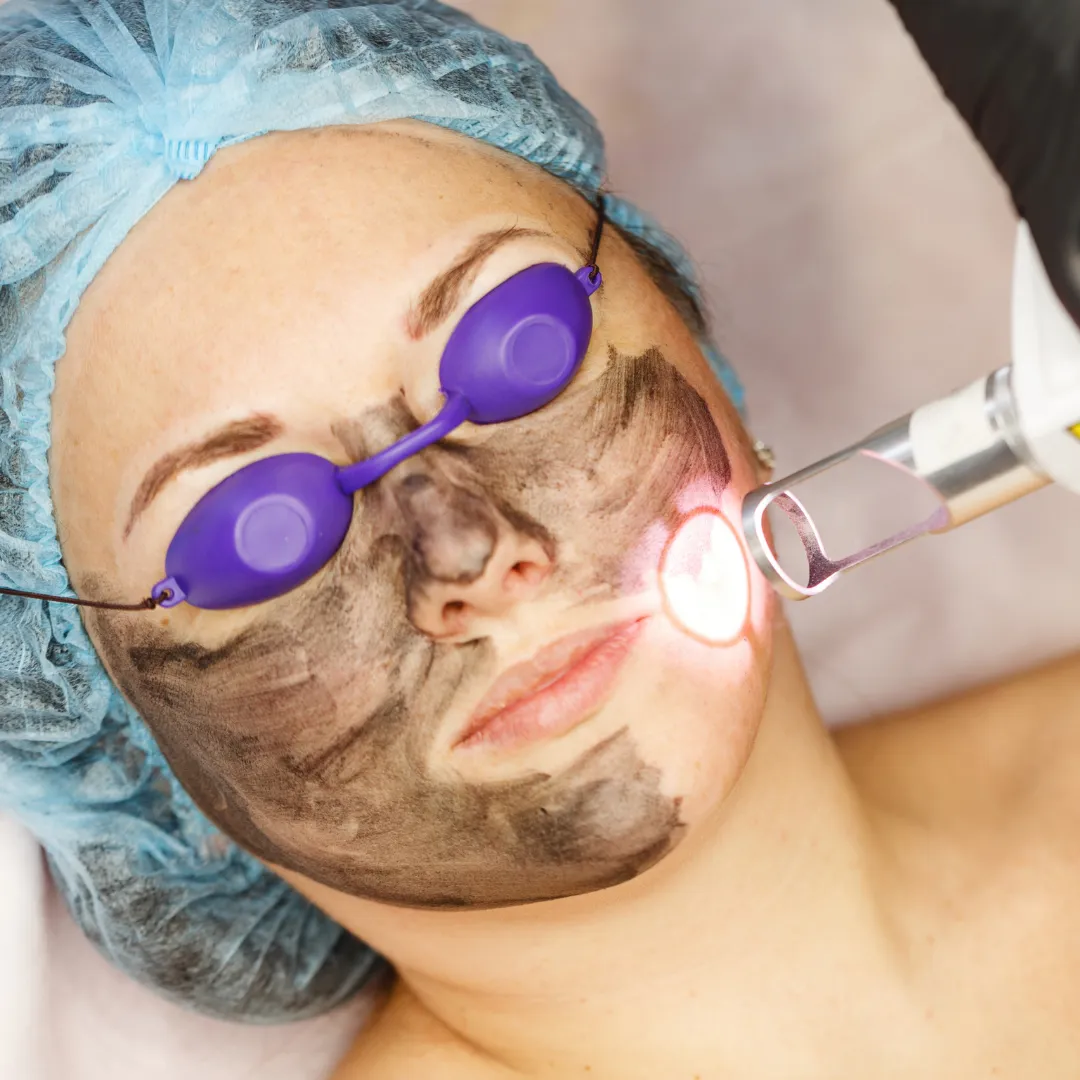
Carbon Laser Facial
A carbon laser facial combines a topical carbon preparation with laser treatment for selected surface concerns. Learn how it is used and how to compare it with other skin-care options.
Read the guide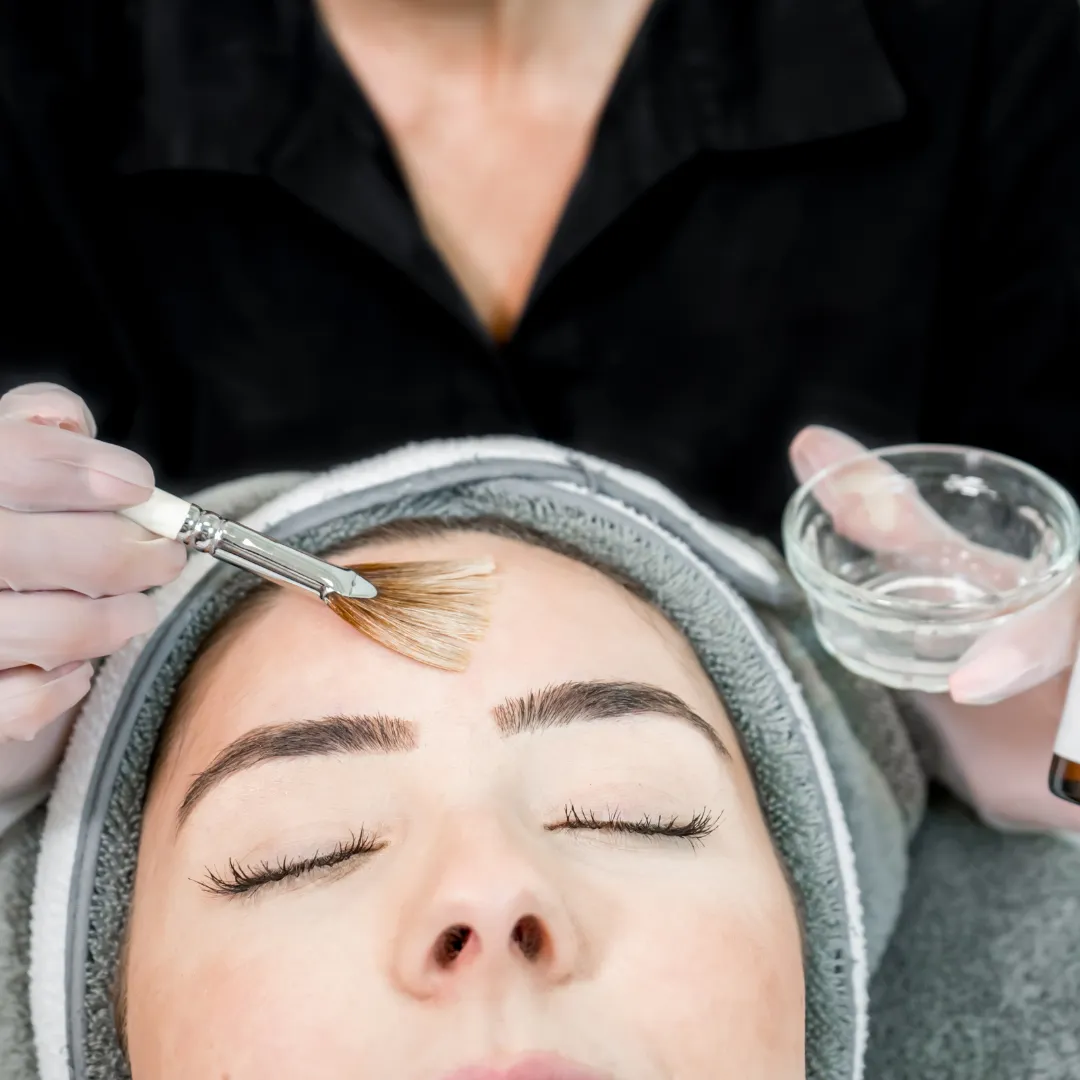
Chemical Peeling
Chemical peels improve selected surface and texture concerns by producing controlled exfoliation. Understand the different depths, how a peel is chosen and the care needed afterwards.
Read the guide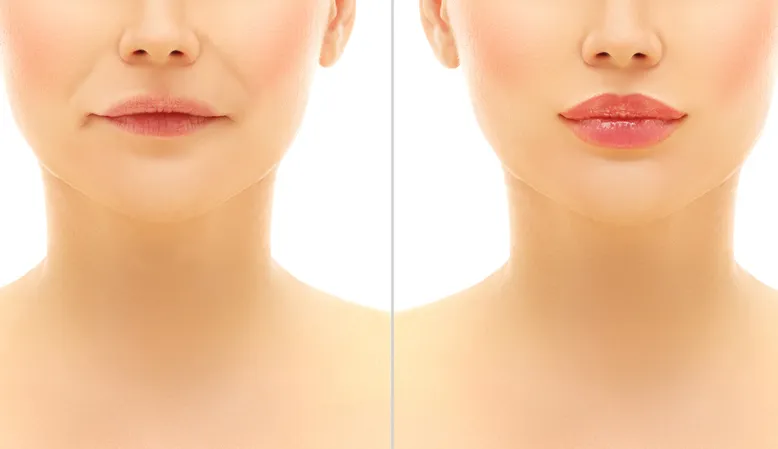
Dermal Filler
Dermal fillers can restore selected areas of volume and refine facial contours. Learn how product choice, facial proportions and placement shape a treatment plan.
Read the guide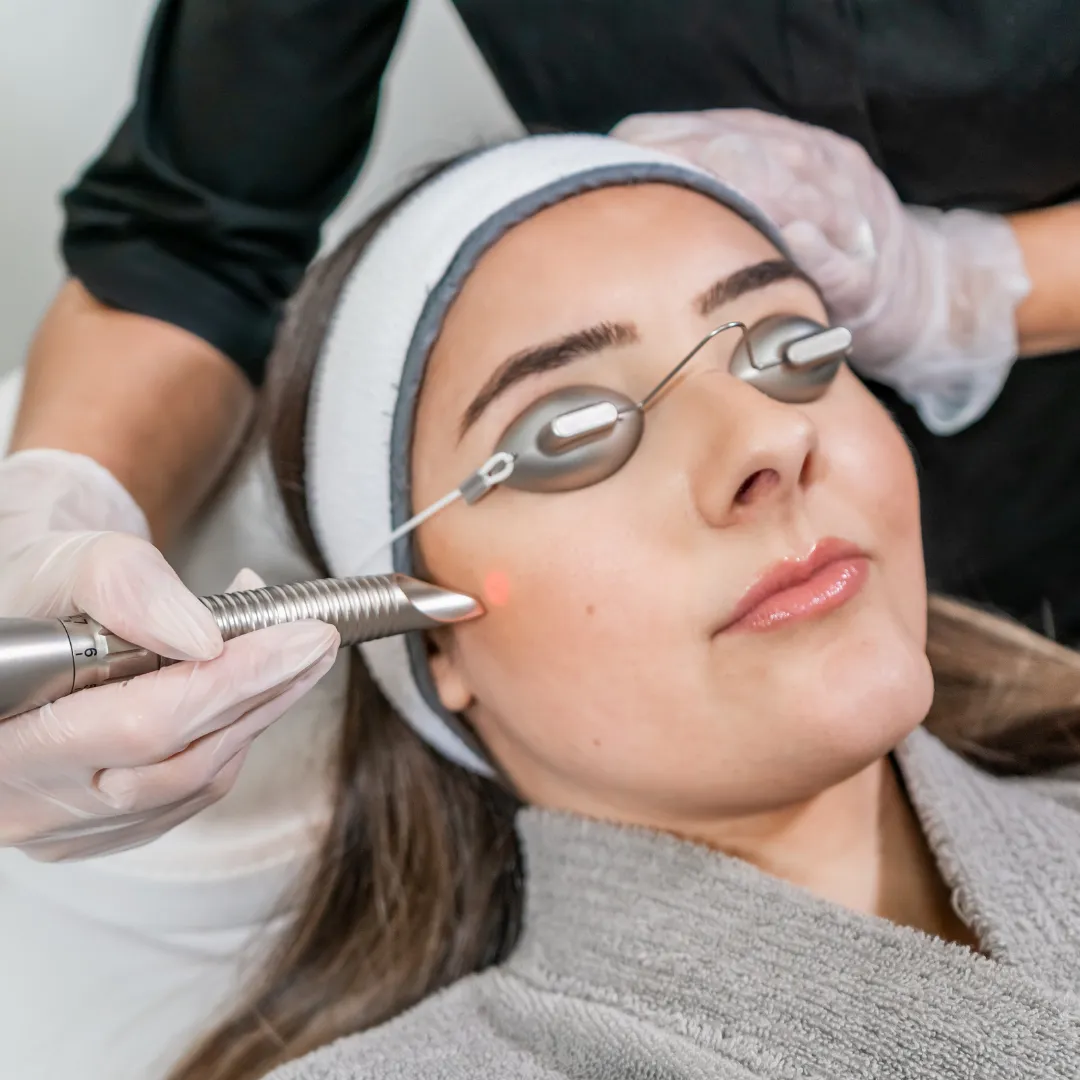
Photofacial
Photofacial treatments use light to address selected pigment changes and visible redness. Explore IPL, the skin features it targets and the factors that guide a treatment plan.
Read the guide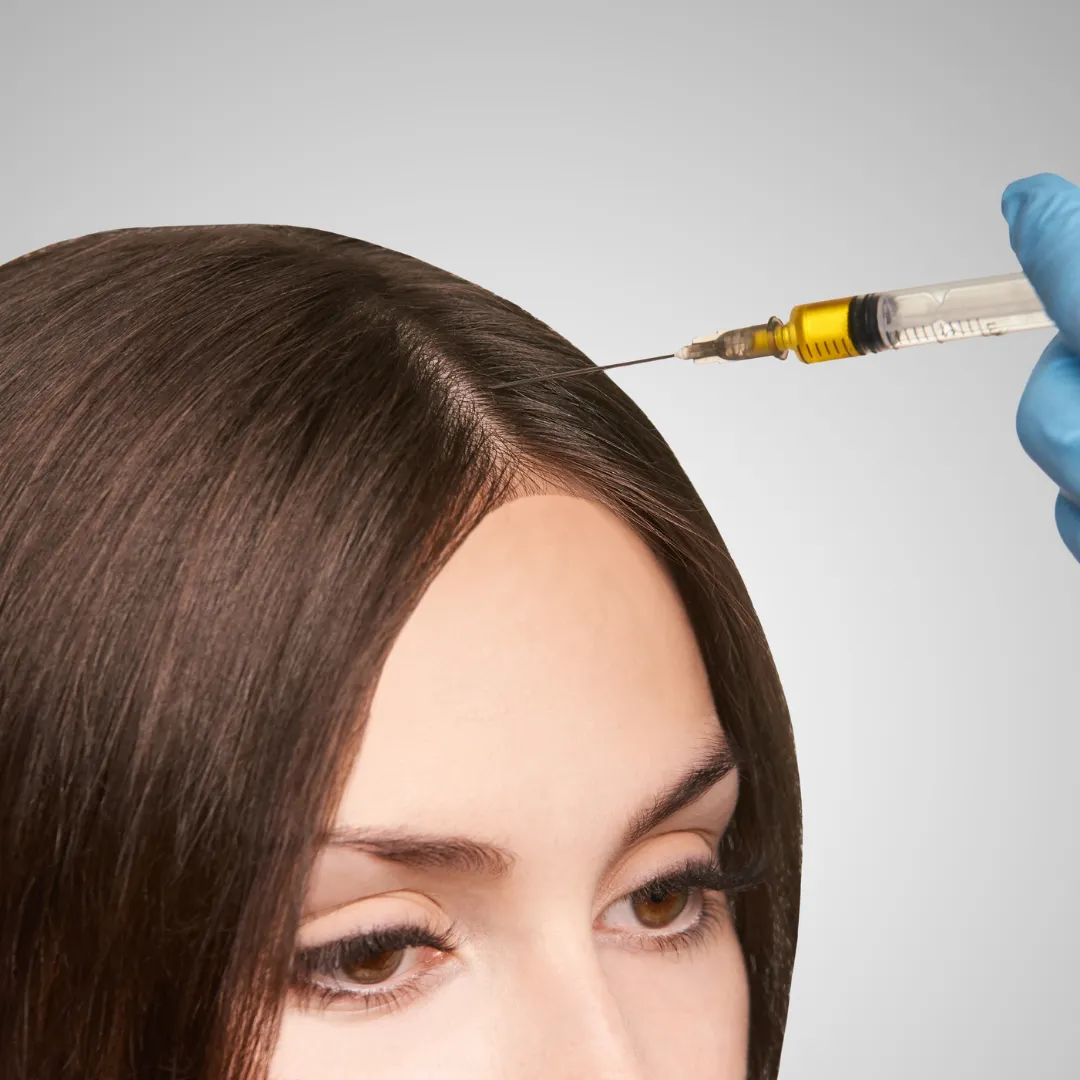
PRP (Platelet Rich Plasma)
PRP uses a concentrated preparation from your own blood in selected skin and hair procedures. Explore how it is prepared, where it is used and how results are assessed.
Read the guide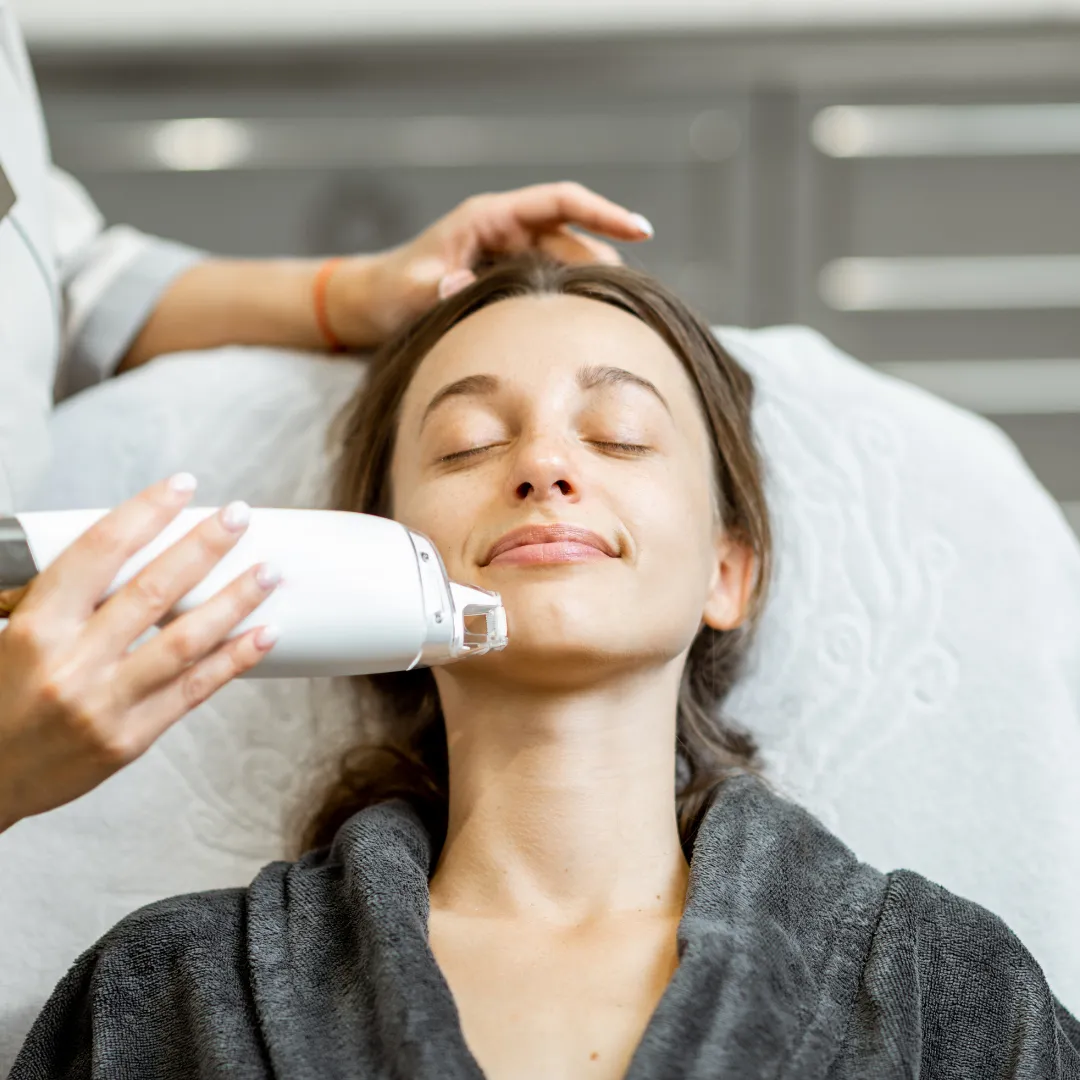
Q-switch laser
Q-switched lasers target selected pigments in the skin and tattoo ink. This guide explains how pigment treatment is chosen and why the diagnosis matters.
Read the guide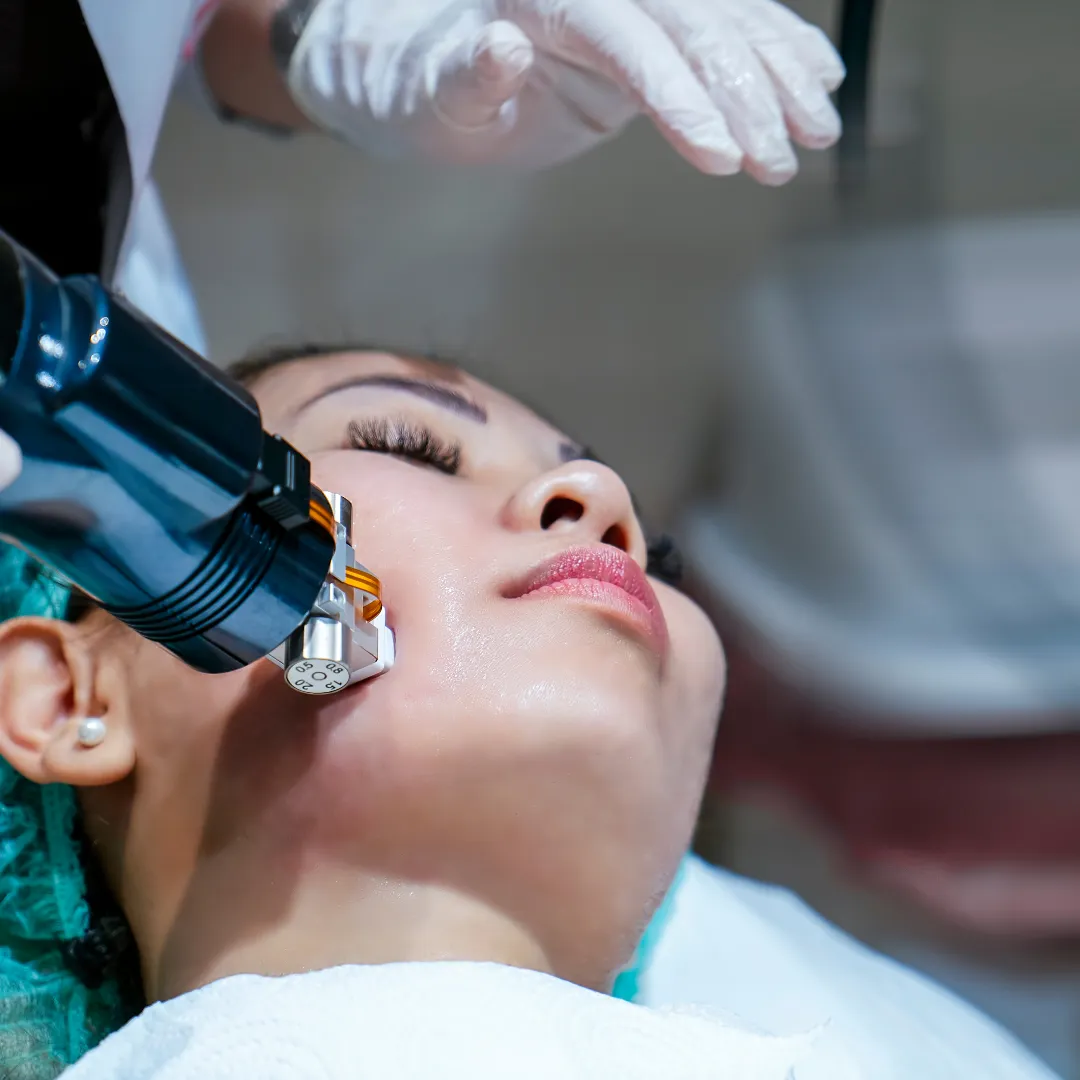
RF Microneedling (MNRF)
RF microneedling combines fine needles and radiofrequency energy to address selected scars and texture concerns. Learn about treatment depth, suitability, recovery and alternatives.
Read the guideConcern guides
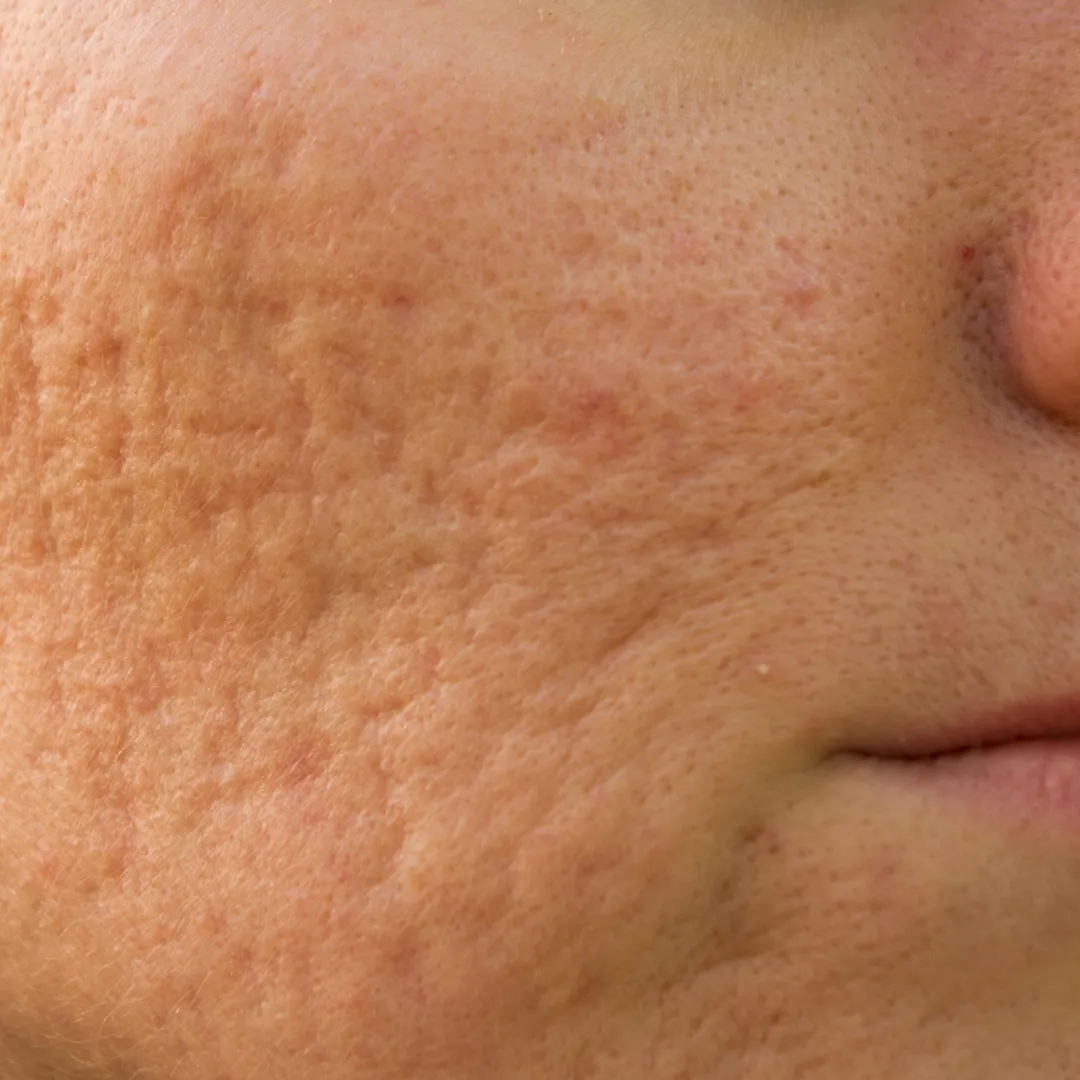
Acne scars
Acne scars are lasting changes in skin texture after acne inflammation. They differ from flat red or brown marks, which may improve without the same scar procedures.
Read the guide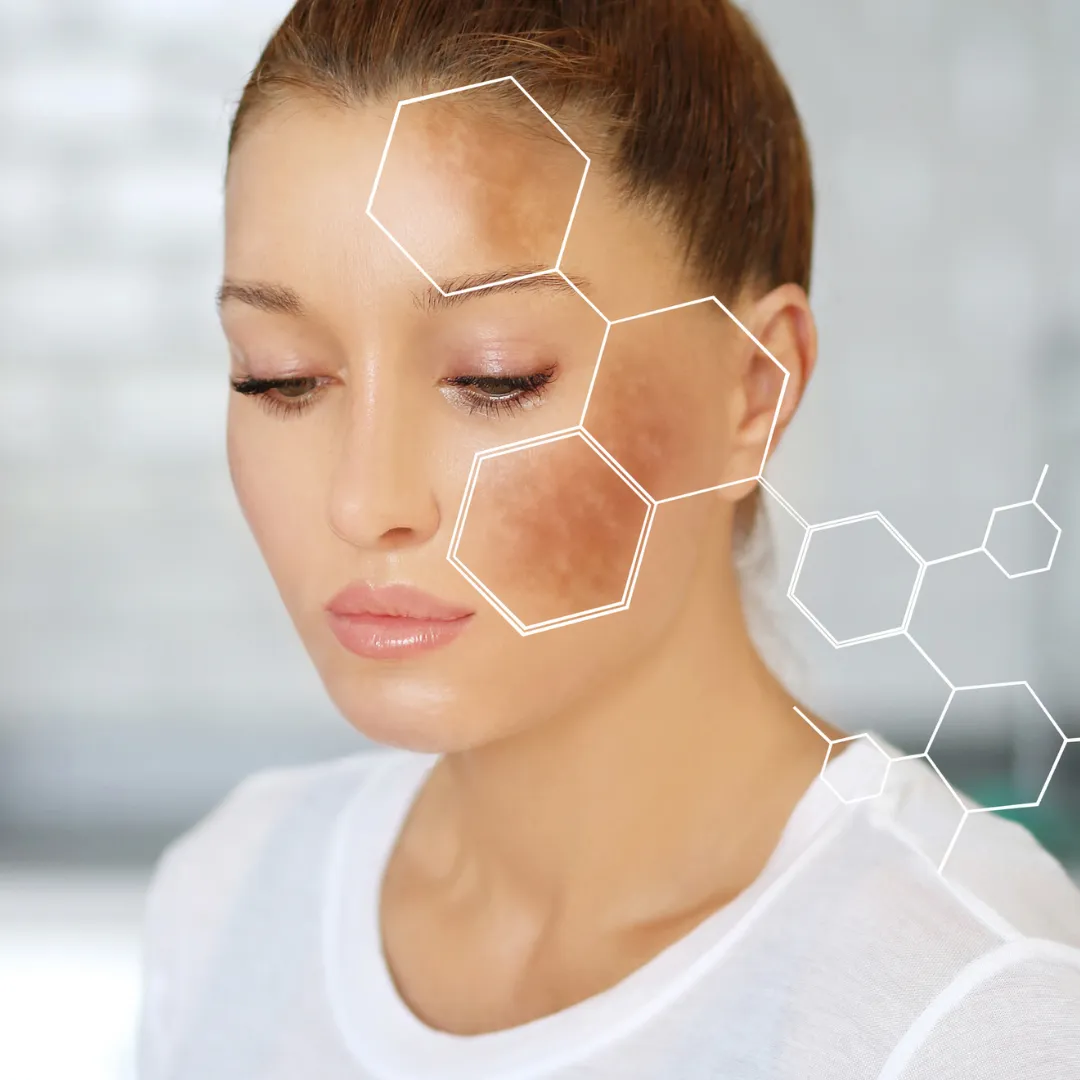
Hyperpigmentation
Hyperpigmentation means an area of skin is darker than the surrounding skin because of increased or altered pigment. The pattern helps identify the cause.
Read the guide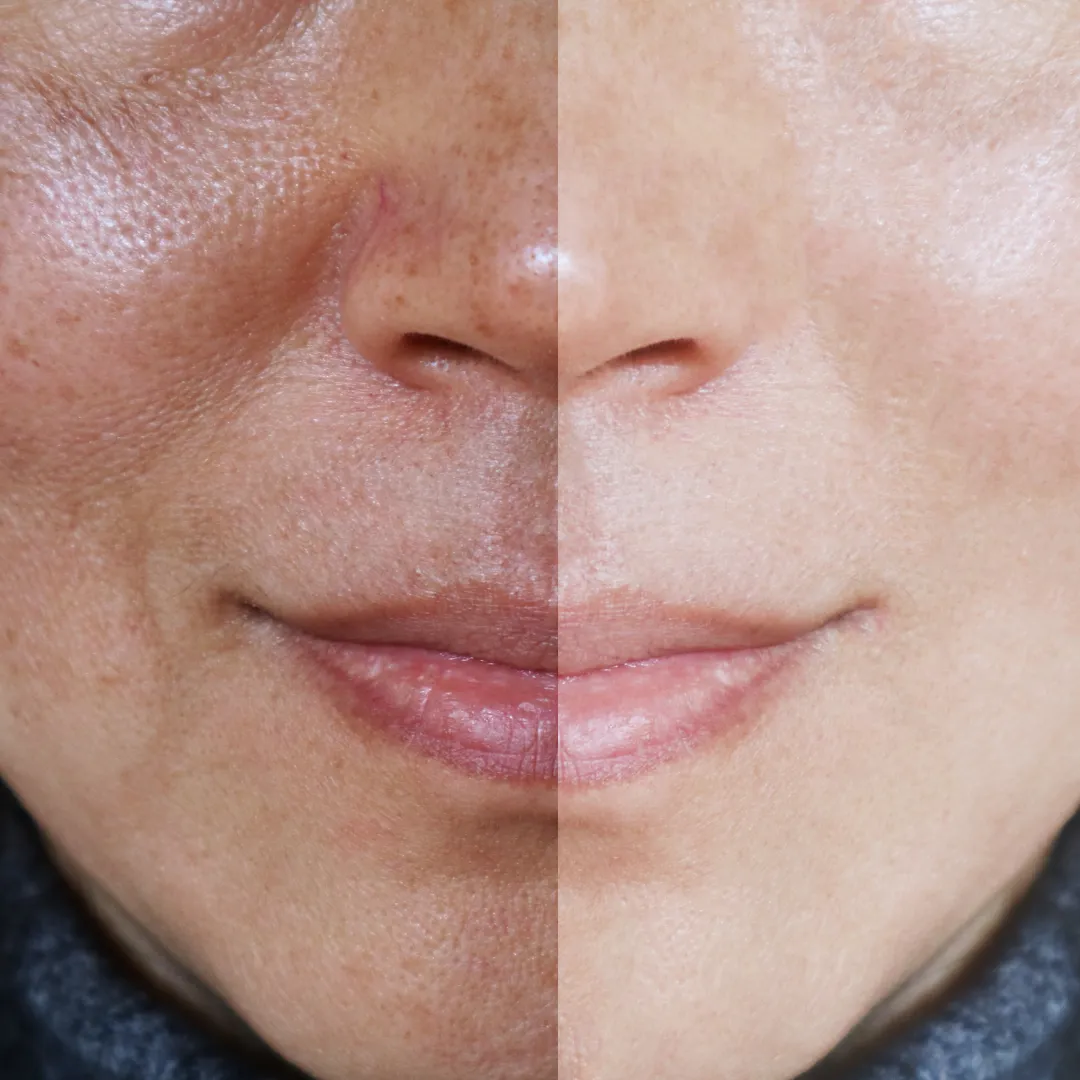
open pores
Visible pores are normal openings associated with hair follicles and oil glands. They can look more noticeable when skin is oily, congested or losing firmness.
Read the guide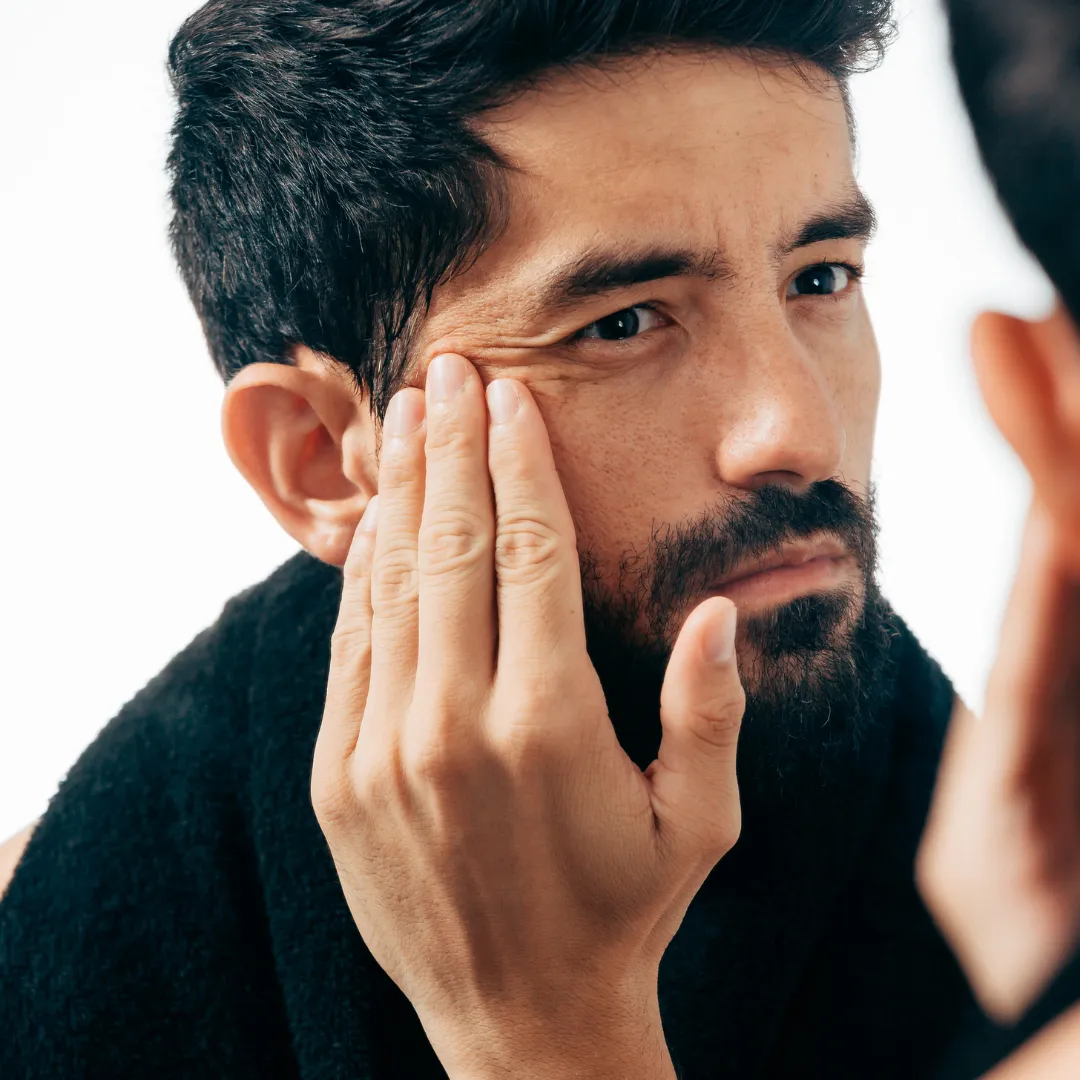
Wrinkles
Wrinkles are lines or folds that develop as skin changes with age, sun exposure and repeated facial movement. Some appear mainly with expression, while others remain when the face is at rest.
Read the guideCategory guides
Common questions
Is the treatment with fractional CO2 laser painful?
Yes, the treatment can be painful. A numbing cream is applied on the treatment area to dull the sensations. You can feel heat and a mild burning sensation without anesthesia.
Is the laser resurfacing treatment permanent?
Yes, once the scars are reversed, the same scars do not come back. However, you could face new scars, in case you do not take proper care.
Is the acne scars treatment a surgery?
No, This treatment is not a surgery
What should I understand before choosing Fractional CO2 laser resurfacing?
Scar type, skin tone, recent tanning, infection risk and the ability to follow wound-care instructions matter. Darker skin tones need particular attention to post-inflammatory pigmentation risk.
What results should I expect?
Texture may improve over a series of reviews and sometimes more than one session. Deep or tethered scars often require a combination approach rather than resurfacing alone.
How do I compare this with other options?
Microneedling, subcision, focal scar procedures and other laser settings have different roles. The best comparison is based on the scar pattern and acceptable downtime.
Further reading and references
Take the next step
Explore care in your city
For local specialists, clinic information and appointments, choose a city.