 SCIENTIFIC SKIN, HAIR & PERSONAL AESTHETICS
Treatment guides
RF Microneedling (MNRF): how it works, suitability and aftercare
RF microneedling combines fine needles and radiofrequency energy to address selected scars and texture concerns. Learn about treatment depth, suitability, recovery and alternatives.
SkinGenious editorial team
Explore the guide ↓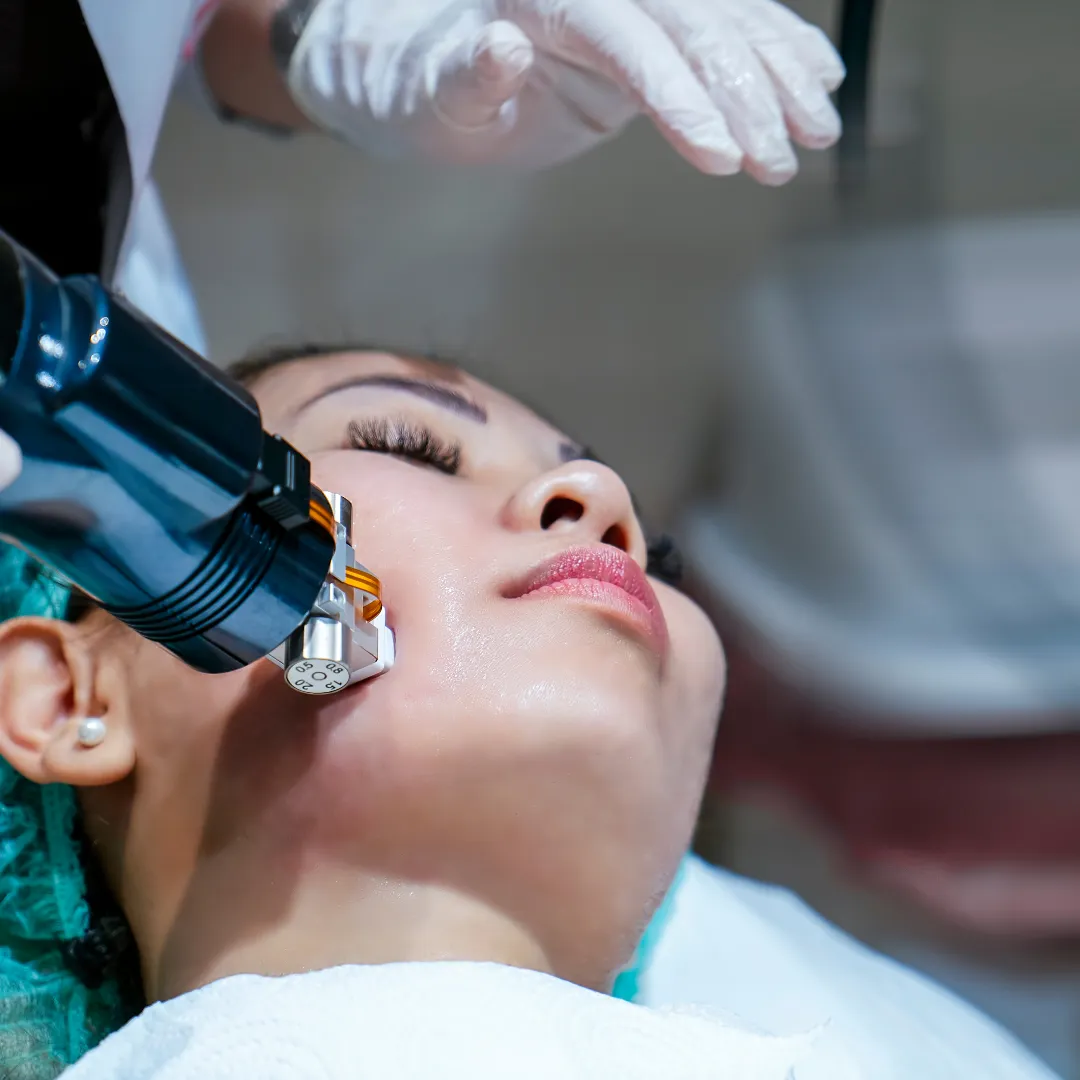
Understanding the treatment
The treatment involves the use of very small (thin) needles along with Radiofrequency waves. This helps stimulate new connective tissue growth.
The probe head used in the MNRF treatment has multiple small needles along with the ability to release radiofrequency waves. The idea of combining these two to help the body by first breaking down the ill-formed connective tissue (scar) and then stimulating new connective tissue (collagen and elastin) in its' place. The new skin that is formed is firmer, thicker and smoother, thus reducing the appearance of the scars.
RF microneedling combines fine needles with radiofrequency energy. It is used for selected texture changes and scars, but it is an invasive energy-based procedure rather than an ordinary facial.
How it works
The duration of the procedure is between 15-20 minutes, apart from the time taken for preparation. You should keep in mind that you will most commonly require 3-4 sessions to get the ideal results that are possible and you will hence also look at a time frame of 3-4 months.
The treatment helps in significant improvement of acne scars. It also helps against early signs of aging like fine lines and mild wrinkles. It resurfaces the skin and hence helps tightening of pores as well. You can therefore expect not just to see improvement in scars, but also in overall skin texture.
Needles deliver energy at selected depths, creating small zones of thermal injury. The tissue response and risk depend on depth, energy, needle design and anatomy.
Suitability and assessment
Scar type, skin tone, facial fat, medical history and tendency to pigment or scar require assessment. Device-specific training is important.
What happens during treatment
After consultation and preparation, anaesthesia may be used. A sterile treatment tip is applied with planned depth and energy, and aftercare is provided.
Cleaning and topical anesthesia
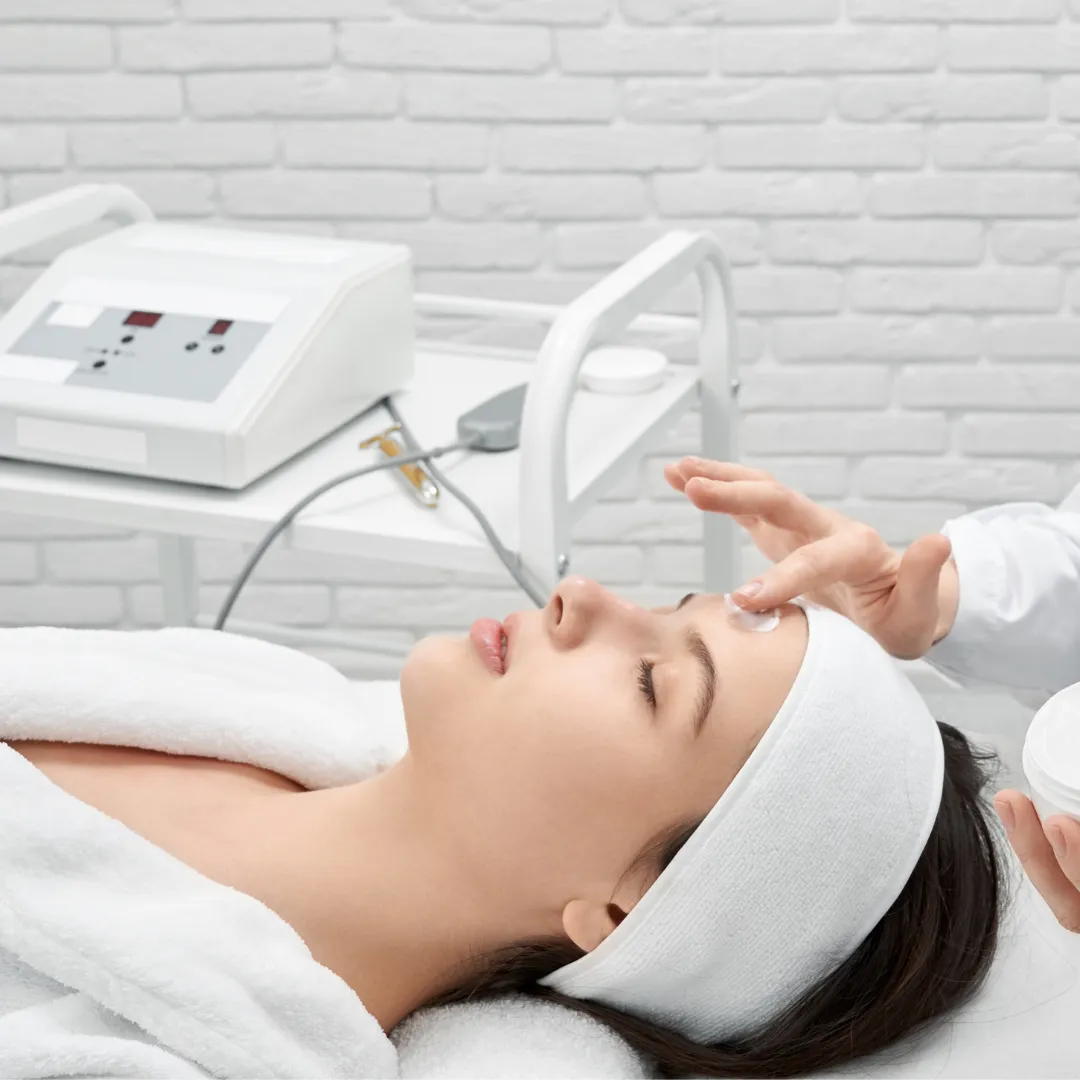
The therapist will first clean the target areas with an alcohol swab and then apply numbing cream. The numbing cream is usually allowed to stay for 30-45 minutes. This ensures that you will not feel any pain.
Radiofrequency microneedling
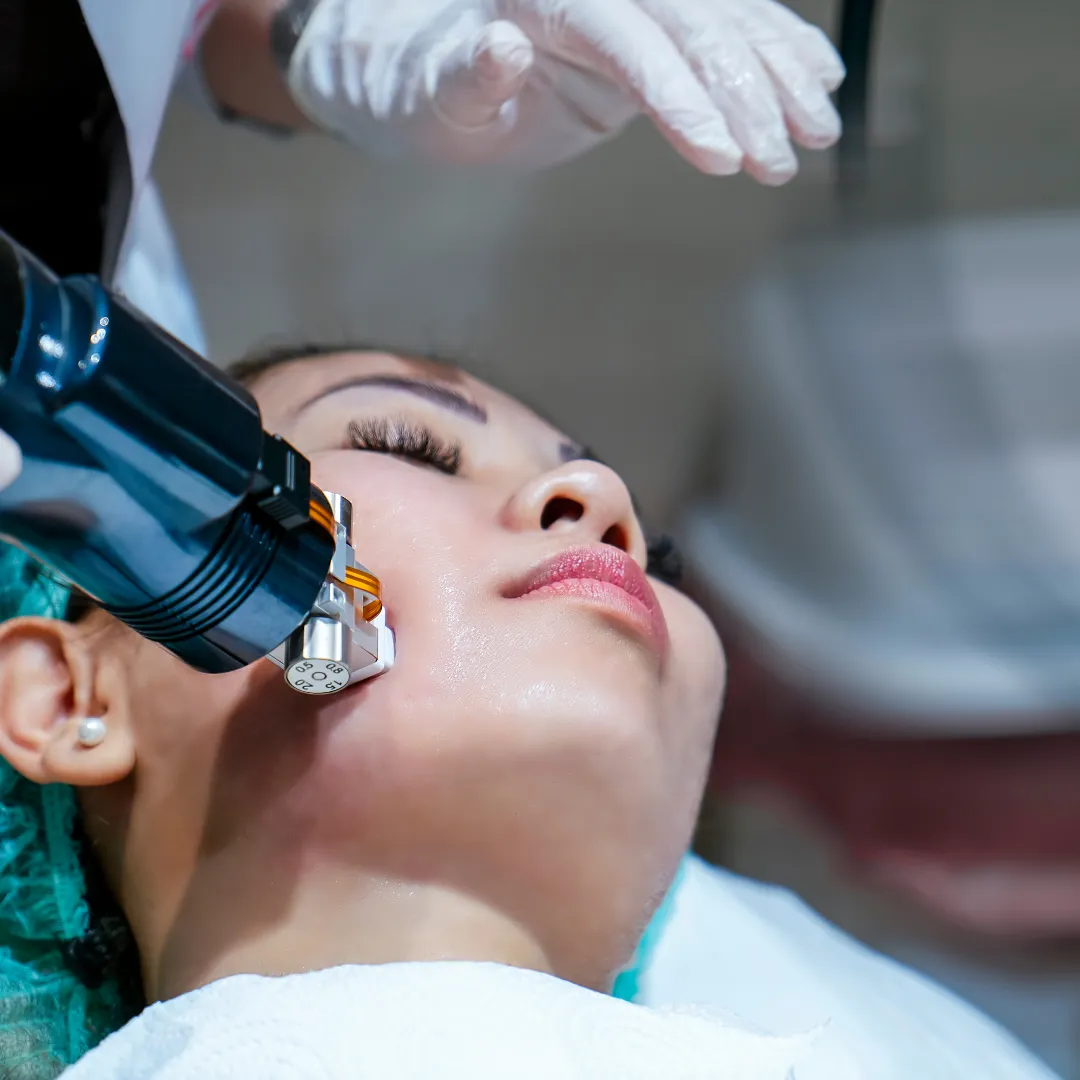
Your dermatologist will apply the machine over the target areas. It is ensured that the machine settings are adjusted to your specific requirements. The needles cause micro-injuries and along with the radiofrequency, this stimulates new connective tissue.

After-care
Immediately after the treatment, a soothing agent will be applied to make sure that you are comfortable afterwards. You will also need to follow the other instructions which will guide you on what you need to do once you leave the clinic.
Results and limitations
Texture changes can develop gradually. Deep scars or significant laxity may need other approaches, and results cannot be predicted from a device brand alone.
RF Microneedling (MNRF) for Acne scars
The duration of the procedure is between 15-20 minutes, apart from the time taken for preparation. You should keep in mind that you will most commonly require 3-4 sessions to get the ideal results that are possible and you will hence also look at a time frame of 3-4 months.
RF Microneedling (MNRF) for Wrinkles
MNRF is effective for superficial wrinkles and fine lines. It is therefore beneficial for early signs of aging.
Before and after results
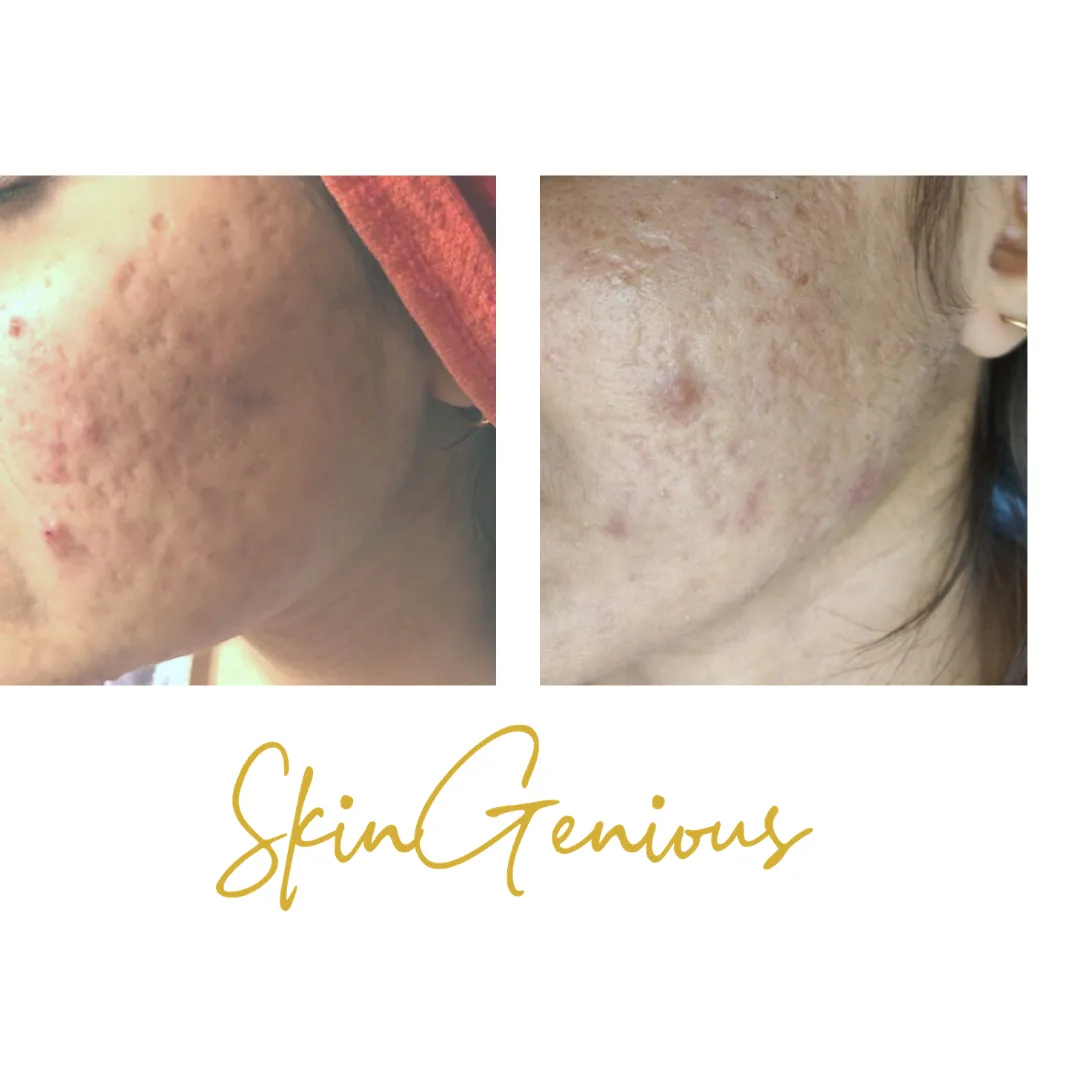
These photographs come from the existing treatment and concern records. They illustrate individual outcomes. Your starting point, treatment plan and healing response affect your own result.
Risks and recovery
Redness, swelling and pinpoint bleeding can occur. Serious complications reported with certain uses include burns, scarring, fat loss and nerve damage.
You should avoid going in for MNRF in case:
- You are pregnant
- Suffering from a skin rash or infection
- Have a past history of post-inflammatory hyperpigmentation or keloid formation.
- If you have a propensity to have cold sore breakouts
Some post-procedure effects that may be seen are;
- Redness
- Swelling
- Scaling
- Mild acne flare-up
These are all manageable and you just need to contact your dermatologist in case they do occur. The specialist will be able to help you to tide over them.
Preparing for treatment
Bring details of previous procedures, medicines, allergies and any change in your health. Ask which skincare products or activities need adjusting before the appointment. Do not stop prescribed medicines without advice.
Any change to prescribed medicines, including blood thinners, must be agreed with the prescribing clinician.
- Preferably stop smoking before the procedure, to reduce the propensity to bruise. This is not a must, just a precaution.
- Remove your make-up before the consultation, or simply avoid it, so that it does not cause issues during the initial consultation and examination
- Make sure that you do not have a propensity for keloid formation or poor scar healing.(This will checked as part of history taking as well)
Aftercare
Once you go home, you need to follow the instructions that are handed over to you by the dermatologist. This will almost invariably include the following:
- You should avoid applying make-up till 24 hours after your procedure.
- Wear sunscreen of the presribed SPF before you head out
- Use any soothing agents that are recommended to be including in your skin care routine.
Follow the clinician's cleansing and barrier-care plan. Avoid irritating actives until advised, and seek prompt review for worsening pain, blistering or unusual changes in contour or sensation.
Alternatives to consider
Conventional microneedling, fractional lasers, subcision and scar-specific procedures differ in risk and effect. Treatment selection should start with the scar or skin concern.
Planning treatment and maintenance
RF microneedling combines fine needles with radiofrequency energy delivered at selected depths. It can be considered for acne scarring, texture and selected firmness concerns. The needles, depth and energy settings are part of a clinical plan rather than a single standard setting suitable for every area.
For scars, the dermatologist looks at their type and depth and checks whether there is active acne that also needs controlling. Tethered scars, deep narrow scars and broad shallow scars may require different combinations of treatment. Treating inflammation and preventing new scars can be as important as improving old ones.
Ask about the actual device, the training of the person using it and the expected recovery. RF microneedling is different from a cosmetic roller or surface RF facial. The possibility of burns, scarring, pigment changes or unwanted loss of underlying fat should be discussed when deciding whether the treatment suits the area.
Follow the clinic's instructions about cleansing, moisturising, sun exposure and restarting active skincare. Avoid adding scrubs or home needling while the skin is recovering. Collagen change takes time, so review the result at the planned interval. Increasing pain, skin breakdown or unexpected contour change needs assessment before another session is booked.
What affects the cost
The area treated, the product or device, the treatment plan and the number of sessions influence the total. A useful estimate explains what is included, what follow-up involves and whether maintenance is likely. City pages provide the local service information.
Explore related guides
Continue exploring the treatments, concerns and categories connected with this topic.
Treatment guides

Botox
Botox softens expression lines by relaxing selected facial muscles. Understand how it works, how a treatment plan is chosen and what happens after the appointment.
Read the guide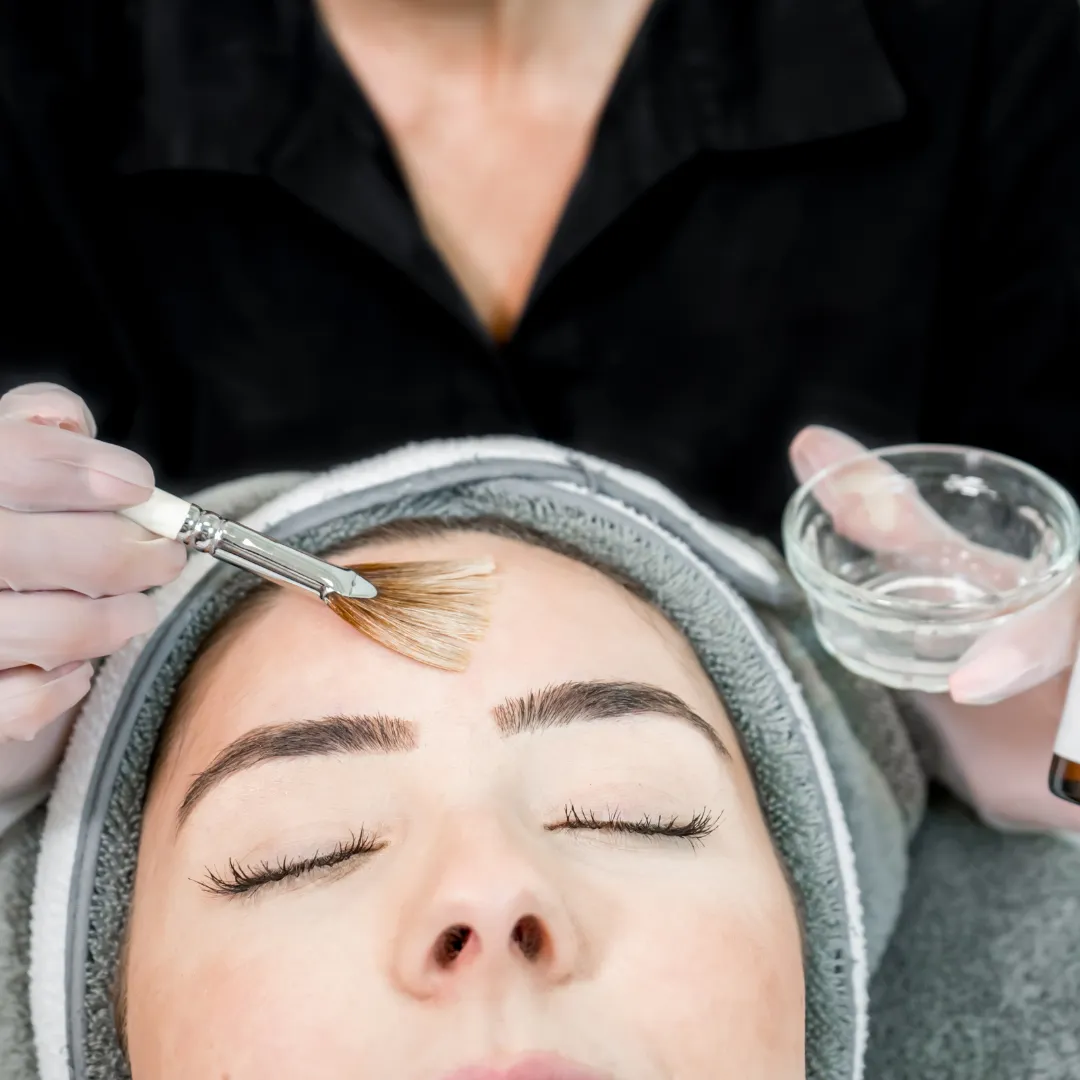
Chemical Peeling
Chemical peels improve selected surface and texture concerns by producing controlled exfoliation. Understand the different depths, how a peel is chosen and the care needed afterwards.
Read the guide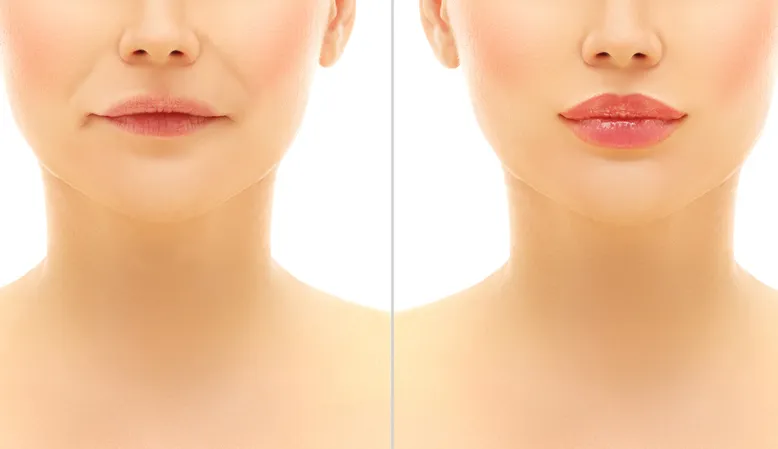
Dermal Filler
Dermal fillers can restore selected areas of volume and refine facial contours. Learn how product choice, facial proportions and placement shape a treatment plan.
Read the guide
Fractional Co2 Laser Resurfacing
Fractional CO2 laser resurfacing improves selected scars and changes in skin texture through controlled resurfacing. Learn about assessment, treatment, healing and the results a course can achieve.
Read the guide
Photofacial
Photofacial treatments use light to address selected pigment changes and visible redness. Explore IPL, the skin features it targets and the factors that guide a treatment plan.
Read the guide
PRP (Platelet Rich Plasma)
PRP uses a concentrated preparation from your own blood in selected skin and hair procedures. Explore how it is prepared, where it is used and how results are assessed.
Read the guideConcern guides
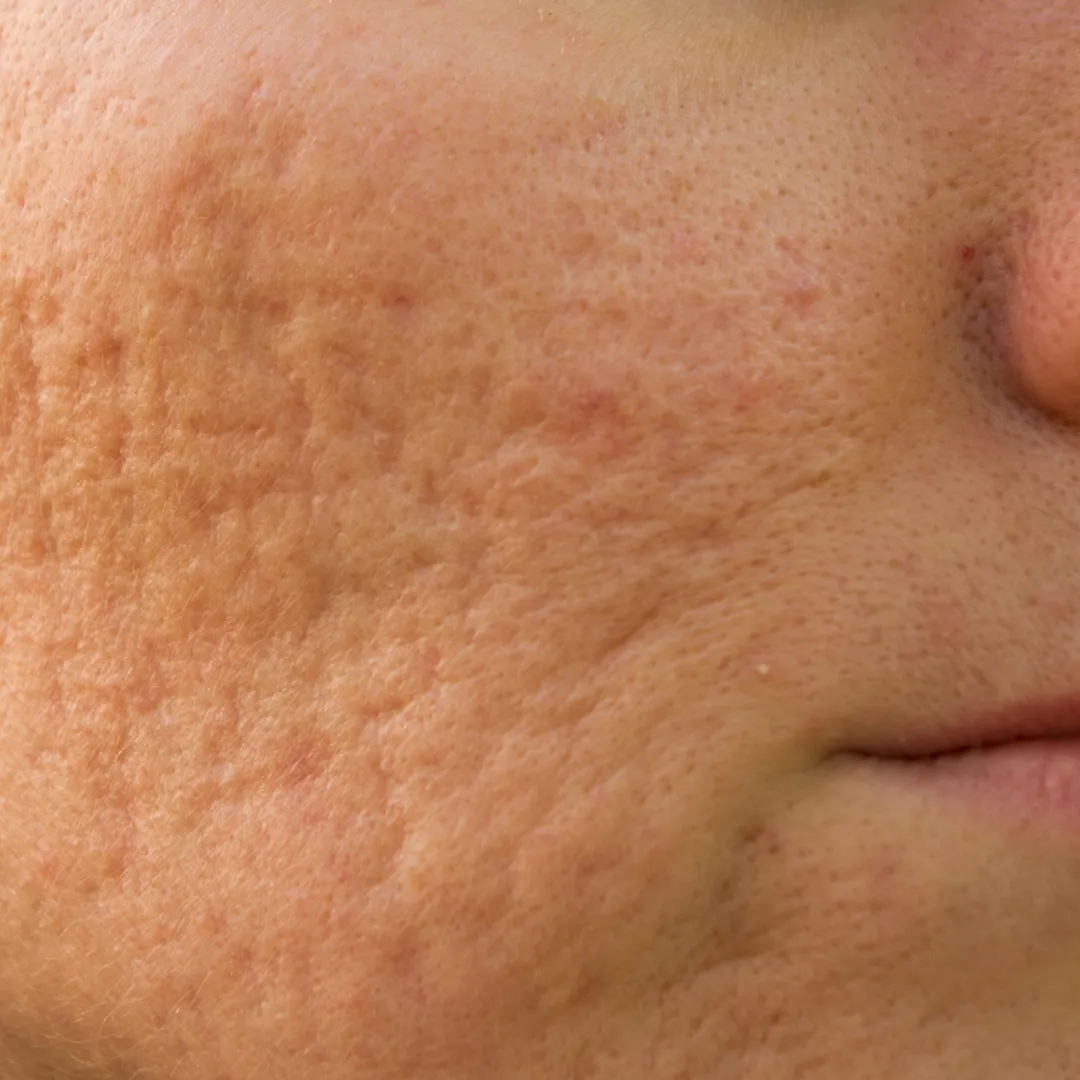
Acne scars
Acne scars are lasting changes in skin texture after acne inflammation. They differ from flat red or brown marks, which may improve without the same scar procedures.
Read the guide
Wrinkles
Wrinkles are lines or folds that develop as skin changes with age, sun exposure and repeated facial movement. Some appear mainly with expression, while others remain when the face is at rest.
Read the guideCategory guides
Common questions
What conditions does MNRF treatment help with?
MNRF is one of the most effective treatments for acne scars and resurfacing of skin.
Is microneedling radiofrequency treatment painful?
Yes, the treatment may be mildly painful, which is why we use anaesthetic cream before the treatment starts, to minimize your discomfort.
What should I understand before choosing RF microneedling?
Scar type, skin tone, facial fat, medical history and tendency to pigment or scar require assessment. Device-specific training is important.
What results should I expect?
Texture changes can develop gradually. Deep scars or significant laxity may need other approaches, and results cannot be predicted from a device brand alone.
How do I compare this with other options?
Conventional microneedling, fractional lasers, subcision and scar-specific procedures differ in risk and effect. Treatment selection should start with the scar or skin concern.
Further reading and references
Take the next step
Explore care in your city
For local specialists, clinic information and appointments, choose a city.

Mumbai
Explore local specialists, clinics and appointments in Mumbai.
Explore care
Thane
Explore local specialists, clinics and appointments in Thane.
Explore care
Navi Mumbai
Explore local specialists, clinics and appointments in Navi Mumbai.
Explore care
Jaipur
Explore local specialists, clinics and appointments in Jaipur.
Explore care