 SCIENTIFIC SKIN, HAIR & PERSONAL AESTHETICS
Treatment guides
Q-switch laser: how it works, suitability and aftercare
Q-switched lasers target selected pigments in the skin and tattoo ink. This guide explains how pigment treatment is chosen and why the diagnosis matters.
SkinGenious editorial team
Explore the guide ↓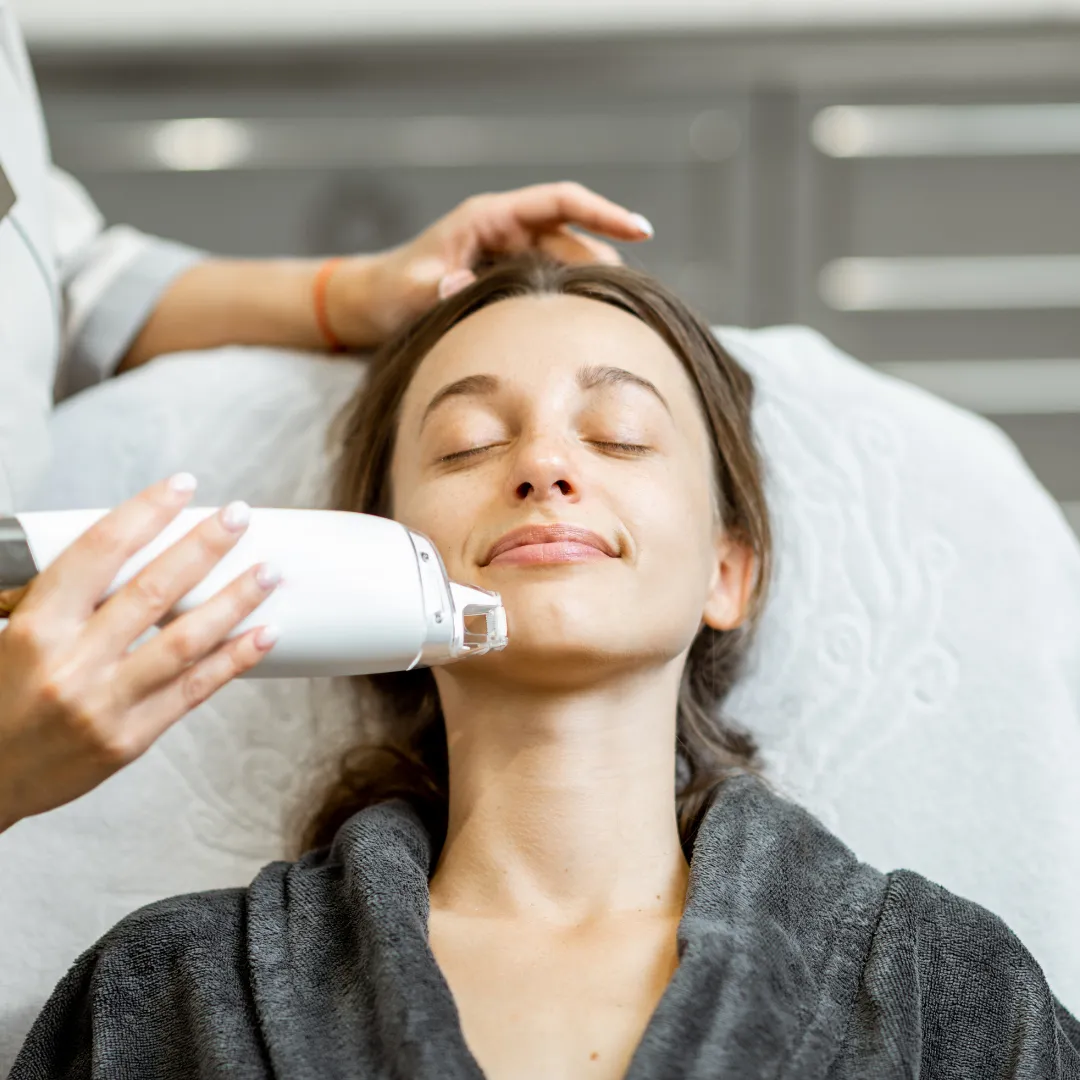
Understanding the treatment
This laser is considered the gold standard treatment for pigmentation problems. It involves the use of pulses of light at specific wavelengths, target pigment molecules
The pico laser or Q-switch laser is a revolutionary technology used for hyperpigmentation treatment. The name of the laser comes from the fact that this type of laser machine can produce a pulsed output beam which enables it to produce pulses of very high power.
It has a very high pulse rate and very high energy. It directly effects the excess pigment cells, breaks them down and helps in reversion of natural skin tone. It does not affect the surrounding normal cells. Our dermatologists will guide you properly on pre-care and after-care for this hyperpigmentation laser treatment. It is useful for deeper as well as superficial pigmentation and hence provides quick and visible results.
You may require multiple sessions with any of these treatment options to achieve desired results.
Q-switched laser treatment uses short pulses of laser energy to target selected pigments. It is used for some pigmented lesions and tattoo inks, but it is not a universal treatment for every dark patch.
How it works
Like all cosmetic treatments, you have to be practical with your expectations for improvement with pigmentation. Years of sun damage and tanning may not be completely reversed. With melasma, unless the underlying cause is identified, the problem could be recurrent. You may expect 50-100% improvement in your dark patches, even with the laser treatment. In case the expected improvement is less than this, our skin specialist is most likely to tell you to not go ahead. The procedure takes around 30 minutes and involves no down-time. The results are seen immediately and are permanent, provided you follow instructions and do not allow new pigmentation to occur.
Short pulses deliver energy that interacts with pigment. Wavelength and settings determine which targets can be treated and how surrounding skin is protected.
Suitability and assessment
The cause of pigmentation must be identified first. Melasma, post-inflammatory pigmentation and a changing mole need different assessments, and a suspicious lesion should not simply be lasered.
What happens during treatment
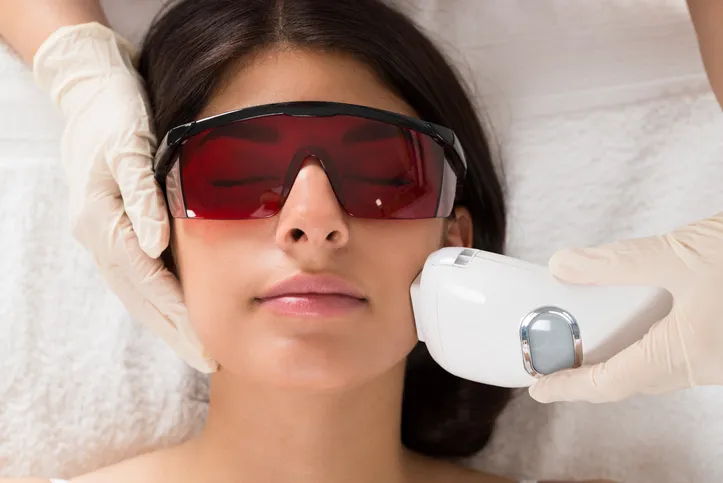
After examination, consent and photographs, a test area may be considered. The clinician uses protective eyewear and selects settings appropriate to the target and skin tone.

In-person Consultation
Consulting the dermatologist is the first step of any treatment at SkinGenious. You will meet the dermatologist, share your concerns and history regarding pigmentation. The dermatologist will then plan the ideal plan of...Read full stepShow less
Consulting the dermatologist is the first step of any treatment at SkinGenious. You will meet the dermatologist, share your concerns and history regarding pigmentation. The dermatologist will then plan the ideal plan of treatment, which for hyperpigmentation, may involve the Q-switch laser treatment.
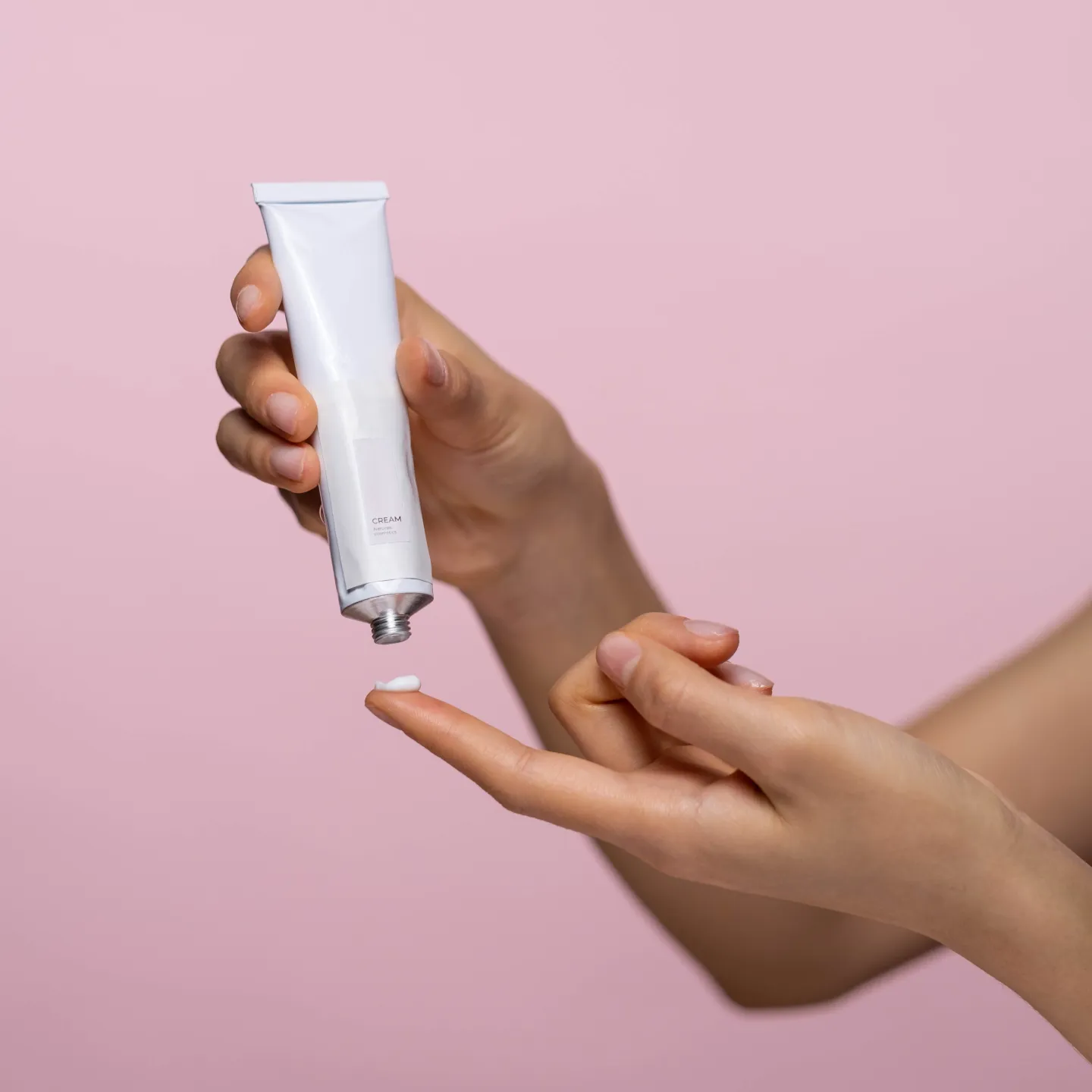
Pre-treatment preparation
Preparation for the treatment involves cleaning up the face or any other target area. After this, you will wear protective goggles and relax on the treatment chair while the treatment is performed.
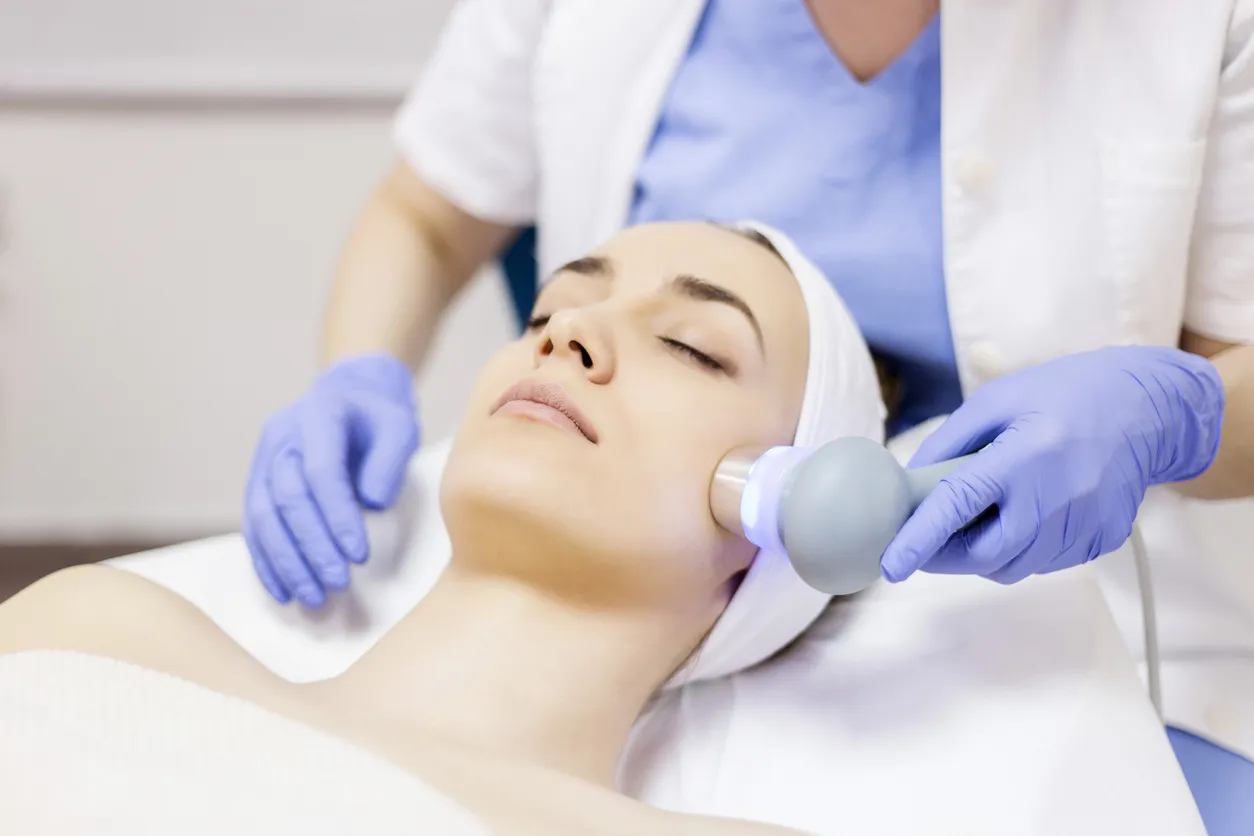
Treatment with Q-Switch laser
The dermatologist will deliver energy pulses from the Q-switch laser on the desired target areas. The treatment will take up to 30 minutes. After this you collect the after care instructions and revised skin care routine which you should follow diligently.
Results and limitations
Some targets fade gradually over multiple treatments. Pigmentation can recur, and hormonal or sun-related conditions may still need ongoing care.
Q-switch laser for Hyperpigmentation
The Q-swith Nd:YAG laser works very well on pigmentation. Specific wavelengths of light work on the correct shade of pigmentation.
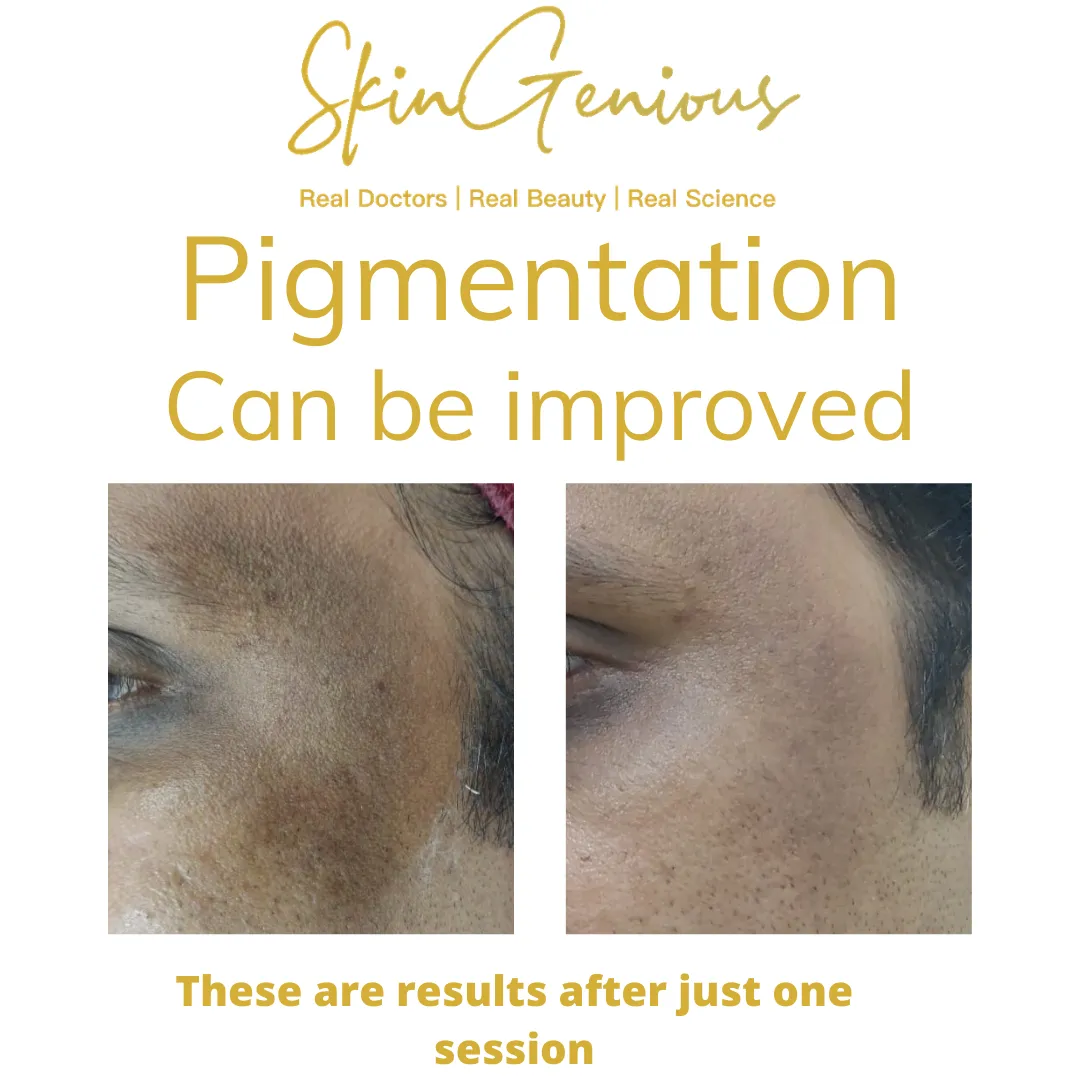
Before and after results
These photographs come from the existing treatment and concern records. They illustrate individual outcomes. Your starting point, treatment plan and healing response affect your own result.
Risks and recovery
Temporary darkening, crusting, burns, lighter or darker patches and scarring are possible. Pigment can worsen after inflammation, especially with unsuitable settings.
- Swelling
- Redness
- Post inflammatory hyperpigmentation
Preparing for treatment
Bring details of previous procedures, medicines, allergies and any change in your health. Ask which skincare products or activities need adjusting before the appointment. Do not stop prescribed medicines without advice.
Any change to prescribed medicines, including blood thinners, must be agreed with the prescribing clinician.
- Stop using any over the counter products that you have incorporated in your skin care regime, in case they haven’t helped you so far.
- Carry your history and previous prescriptions if any for your consultation.
- Remove your make up before the consultation.
Aftercare
- After the procedure, avoid using any products not prescribed by the specialist or without checking with them.
- Avoid make-up on the day of the treatment.
- The most important after care requirement for all these procedures is to avoid sun exposure for a defined period of time. Apart from simply using sunscreen, you may be suggested additional measures such as wearing a hat or sun glasses.
Do not pick crusts or use irritating products on healing skin. Follow sun-protection and review instructions, including advice on restarting pigment treatments.
Alternatives to consider
Topical treatment, trigger management and selected peels may be preferable for some diagnoses. Laser choice should follow diagnosis, not just the colour of a patch.
Planning treatment and maintenance
Q-switched lasers deliver very short pulses that can target certain pigments. A dark patch is not a diagnosis, so the first step is to identify what is producing the colour. Sun spots, post-acne marks, melasma and deeper pigment disorders can require different approaches, even when they look similar at first glance.
Your dermatologist will consider the pattern, depth and history of the pigmentation, as well as your skin tone and tendency to develop marks after irritation. A treatment used successfully on a small sun spot may not be the right choice for a broad patch of melasma. A new or changing pigmented lesion needs diagnosis before cosmetic laser treatment.
Ask what the laser is expected to improve and what will control the underlying tendency to pigment. Sun protection, appropriate skincare and treatment of active inflammation may be just as important as the laser sessions. Increasing the number of sessions without reassessing a poor response is not a useful plan.
Take baseline photographs in even lighting and allow the skin to recover between reviews. Some pigment becomes temporarily darker or changes as the area heals, depending on the target and settings. Your clinic should explain the expected sequence for your particular diagnosis. Persistent irritation or new darkening should be reviewed before the next session.
What affects the cost
The area treated, the product or device, the treatment plan and the number of sessions influence the total. A useful estimate explains what is included, what follow-up involves and whether maintenance is likely. City pages provide the local service information.
Explore related guides
Continue exploring the treatments, concerns and categories connected with this topic.
Treatment guides
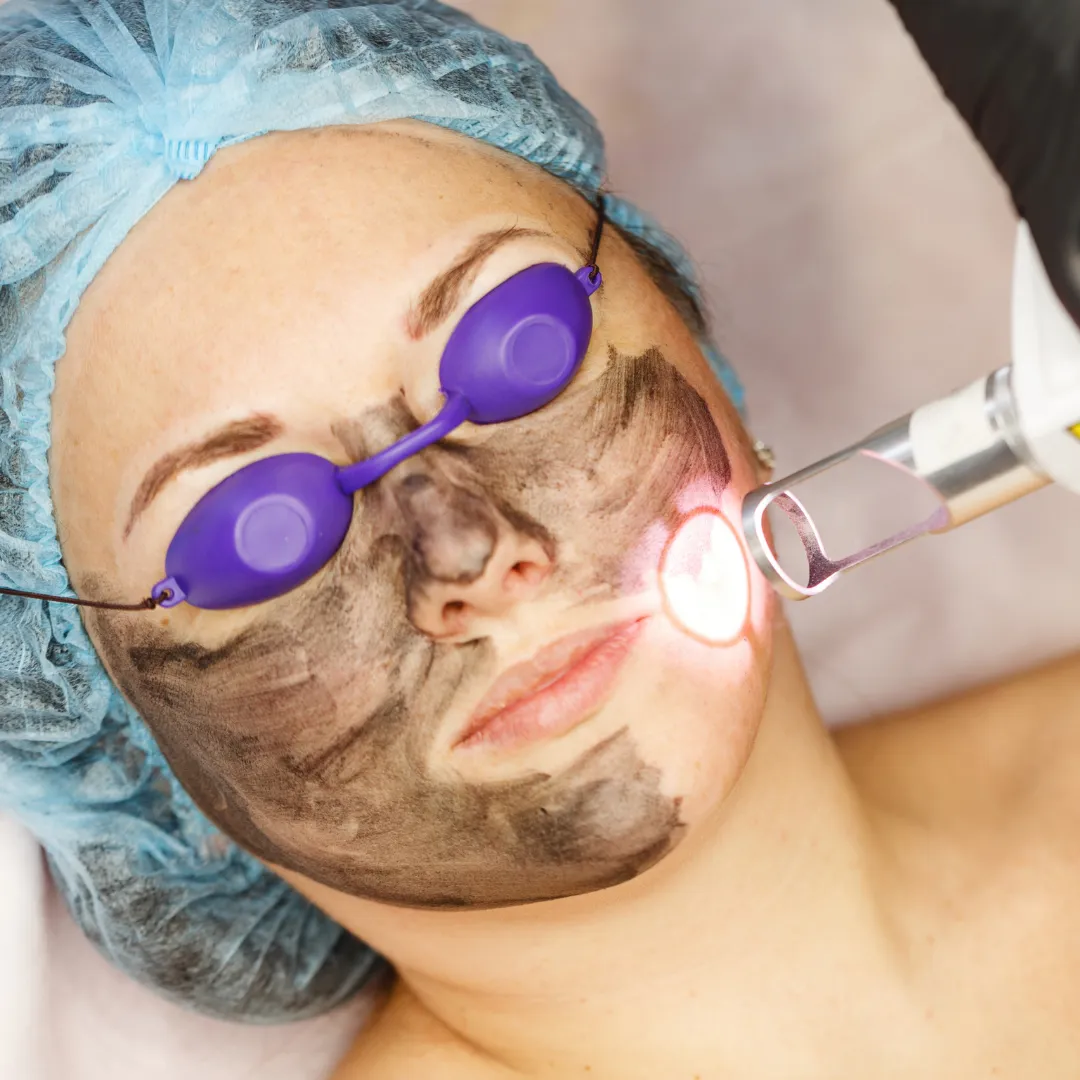
Carbon Laser Facial
A carbon laser facial combines a topical carbon preparation with laser treatment for selected surface concerns. Learn how it is used and how to compare it with other skin-care options.
Read the guide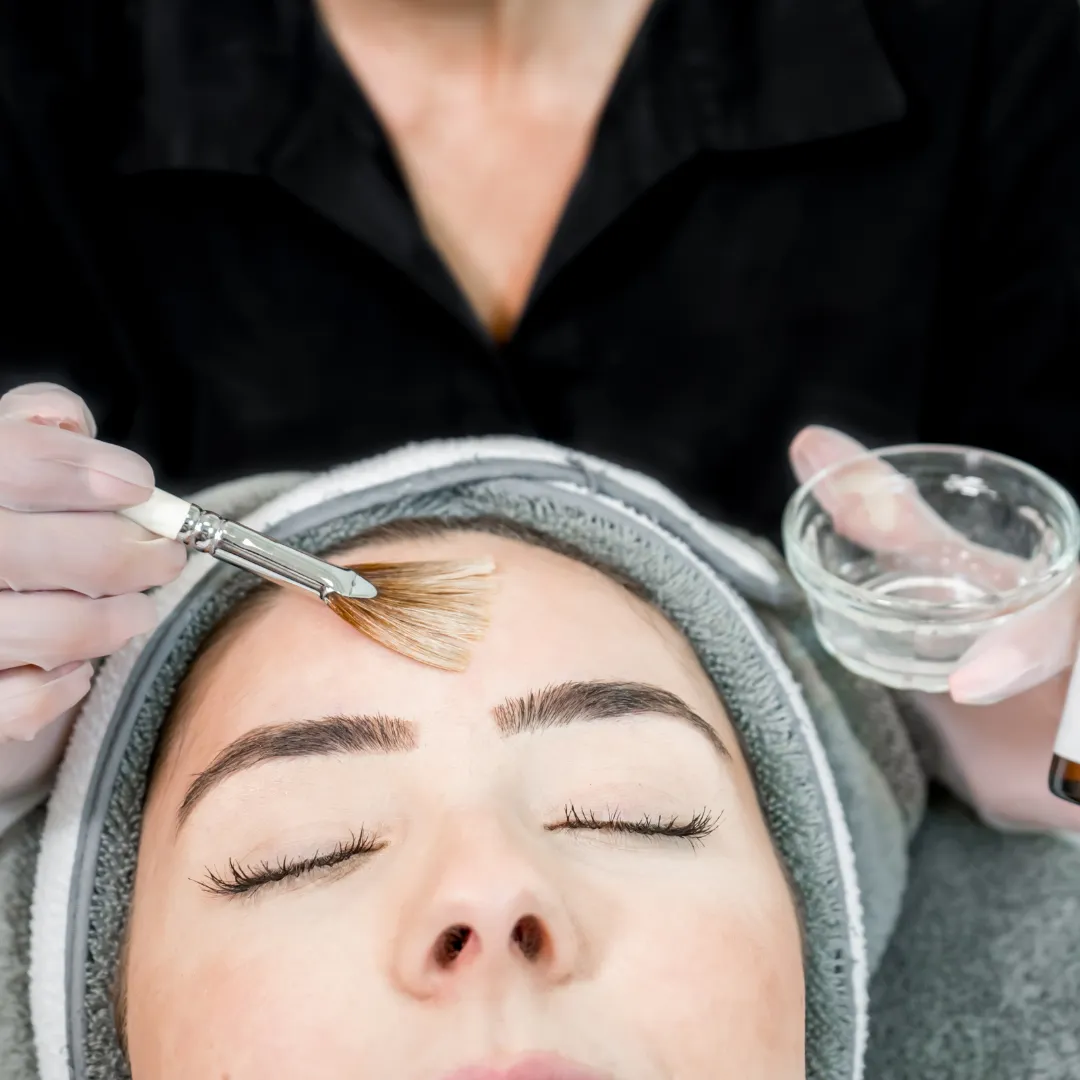
Chemical Peeling
Chemical peels improve selected surface and texture concerns by producing controlled exfoliation. Understand the different depths, how a peel is chosen and the care needed afterwards.
Read the guide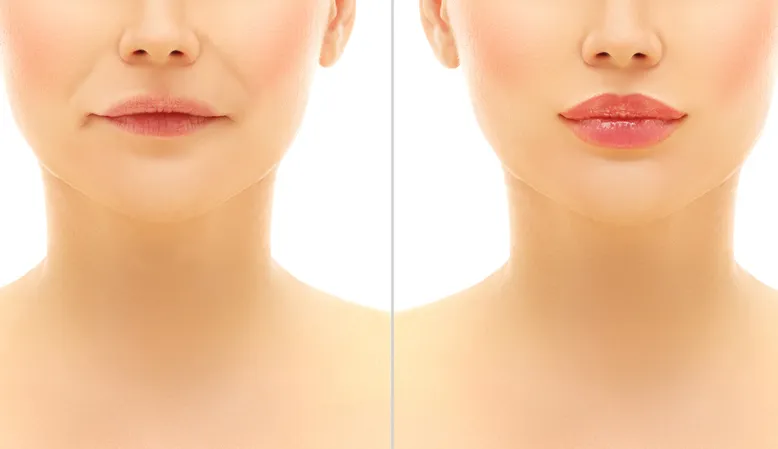
Dermal Filler
Dermal fillers can restore selected areas of volume and refine facial contours. Learn how product choice, facial proportions and placement shape a treatment plan.
Read the guide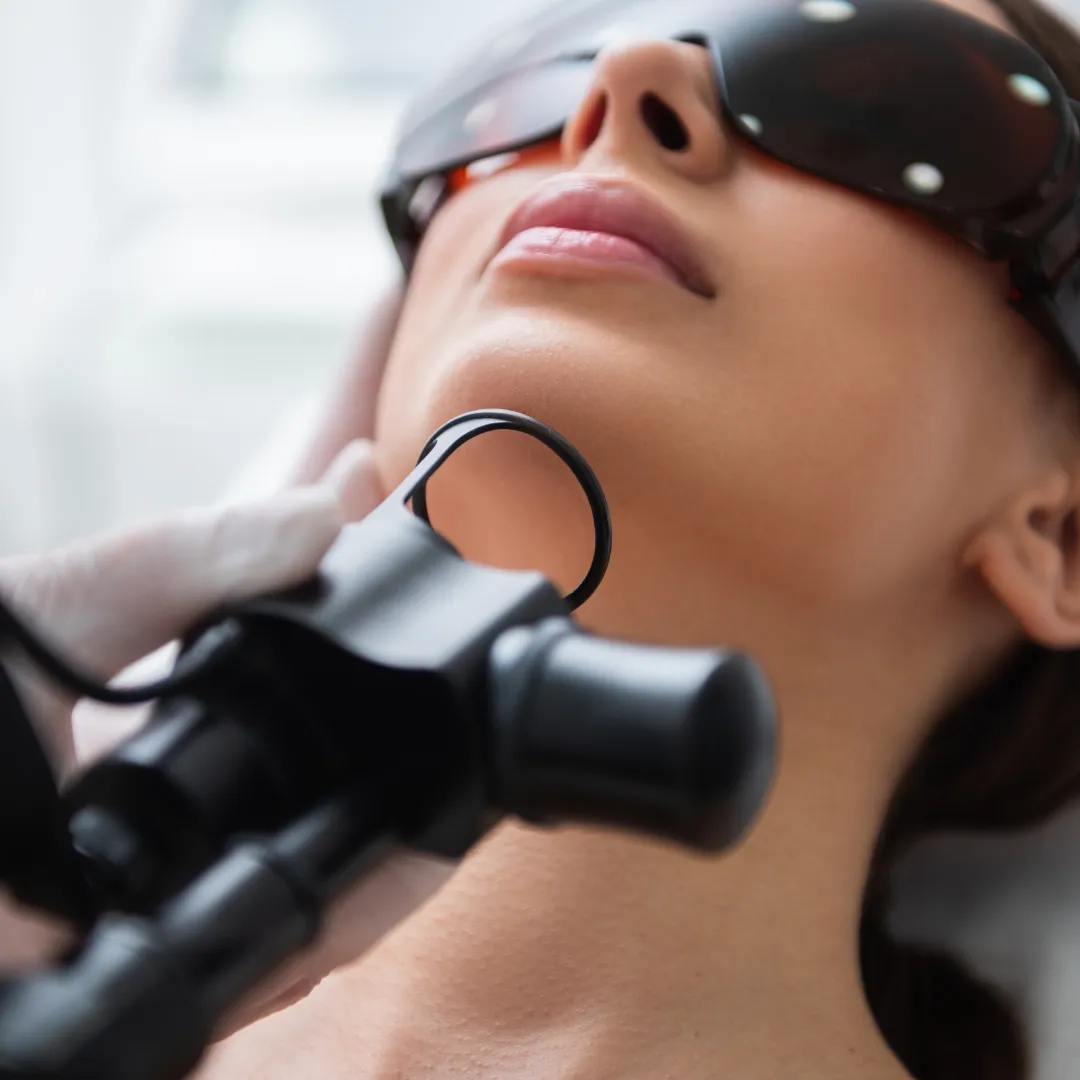
Fractional Co2 Laser Resurfacing
Fractional CO2 laser resurfacing improves selected scars and changes in skin texture through controlled resurfacing. Learn about assessment, treatment, healing and the results a course can achieve.
Read the guide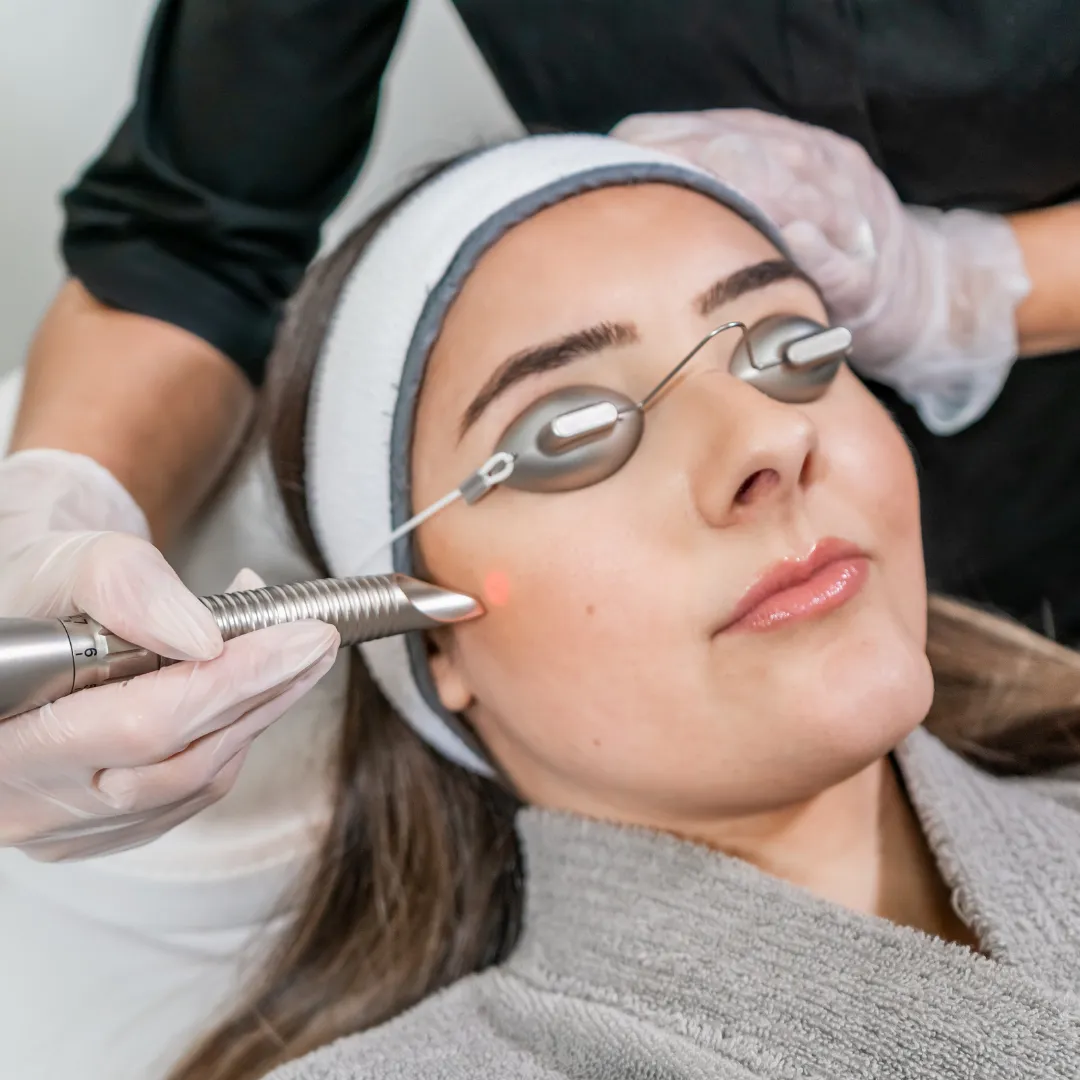
Photofacial
Photofacial treatments use light to address selected pigment changes and visible redness. Explore IPL, the skin features it targets and the factors that guide a treatment plan.
Read the guide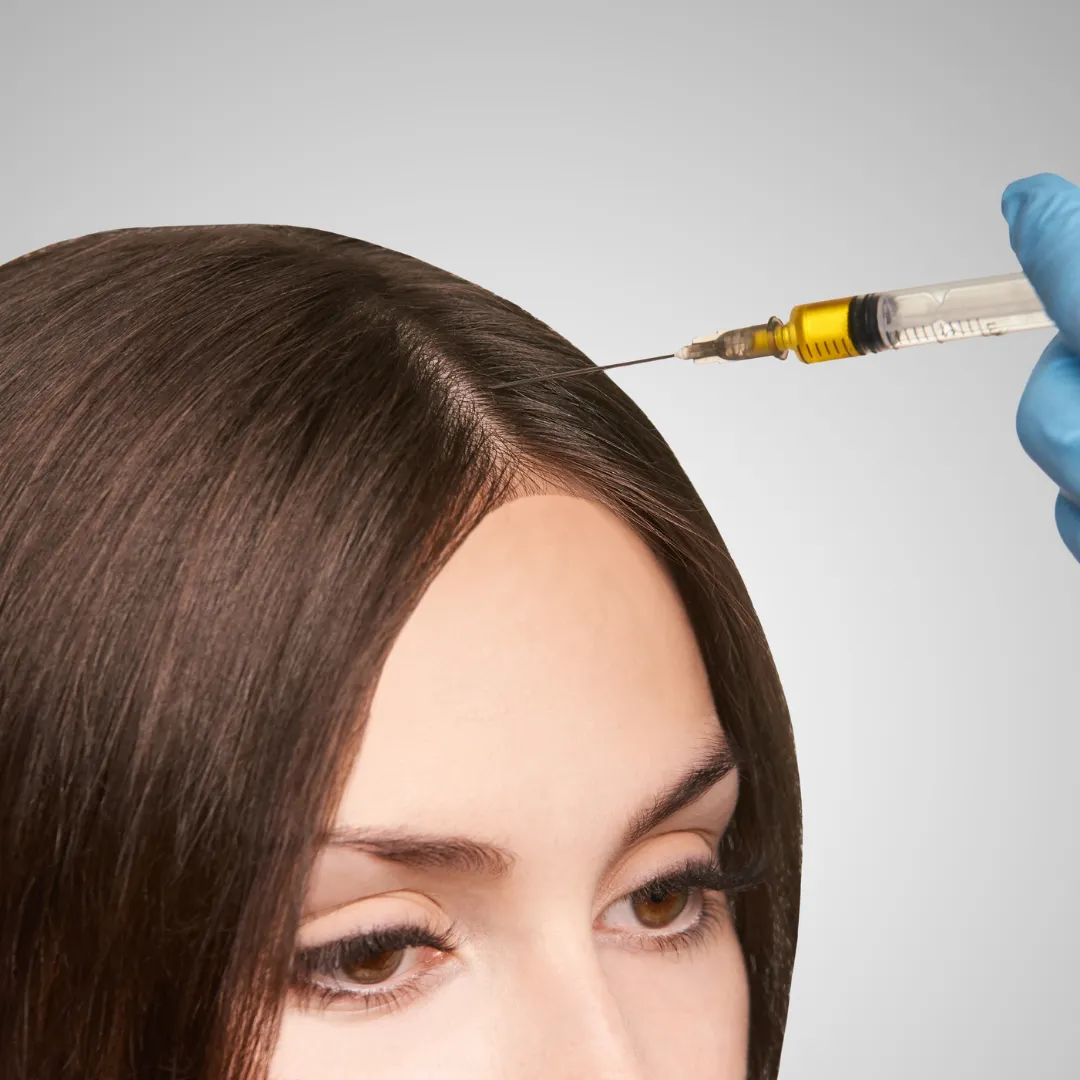
PRP (Platelet Rich Plasma)
PRP uses a concentrated preparation from your own blood in selected skin and hair procedures. Explore how it is prepared, where it is used and how results are assessed.
Read the guideConcern guides
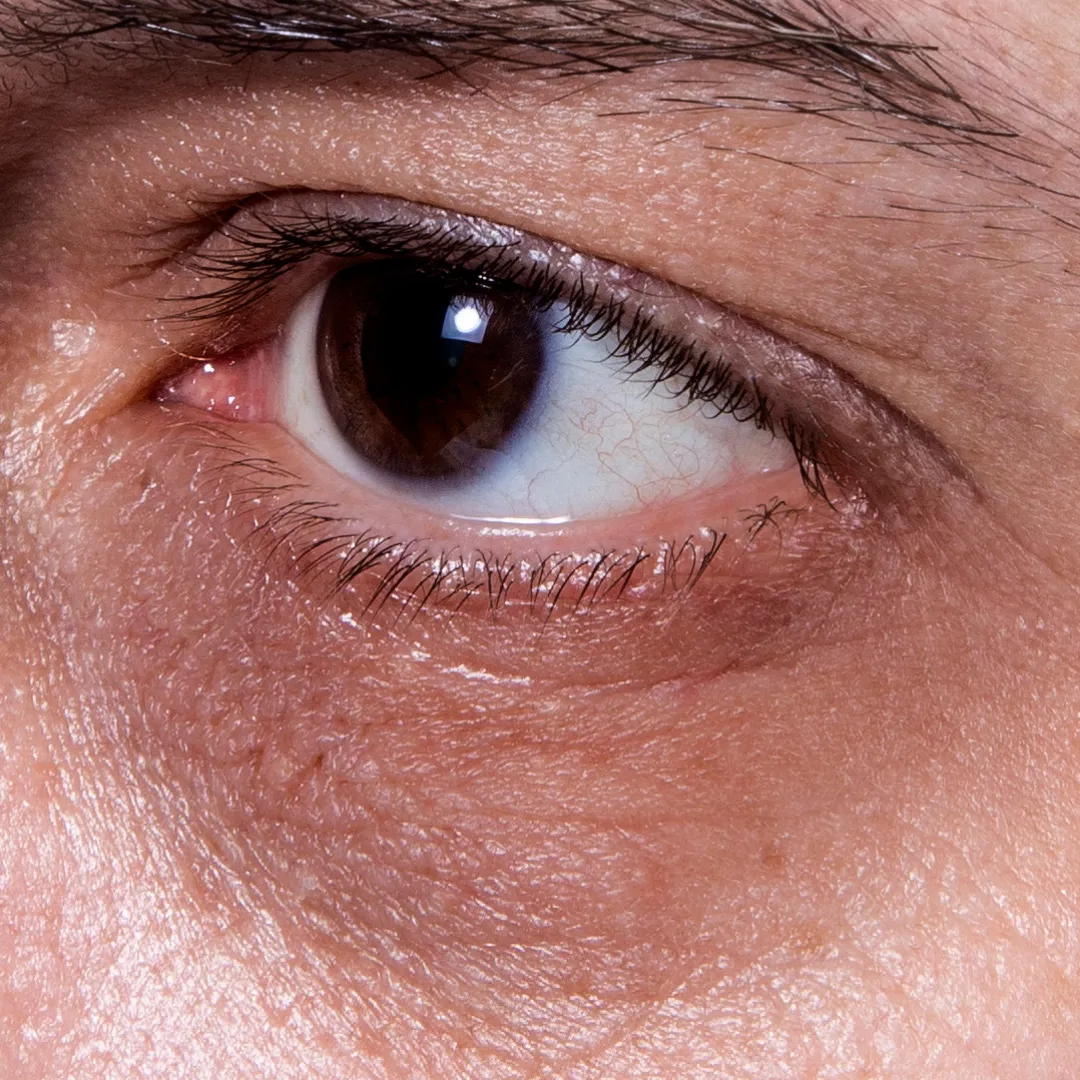
Dark circles
Dark circles describe a darker or shadowed appearance under the eyes. Pigment, visible vessels, puffiness and facial structure can each contribute.
Read the guide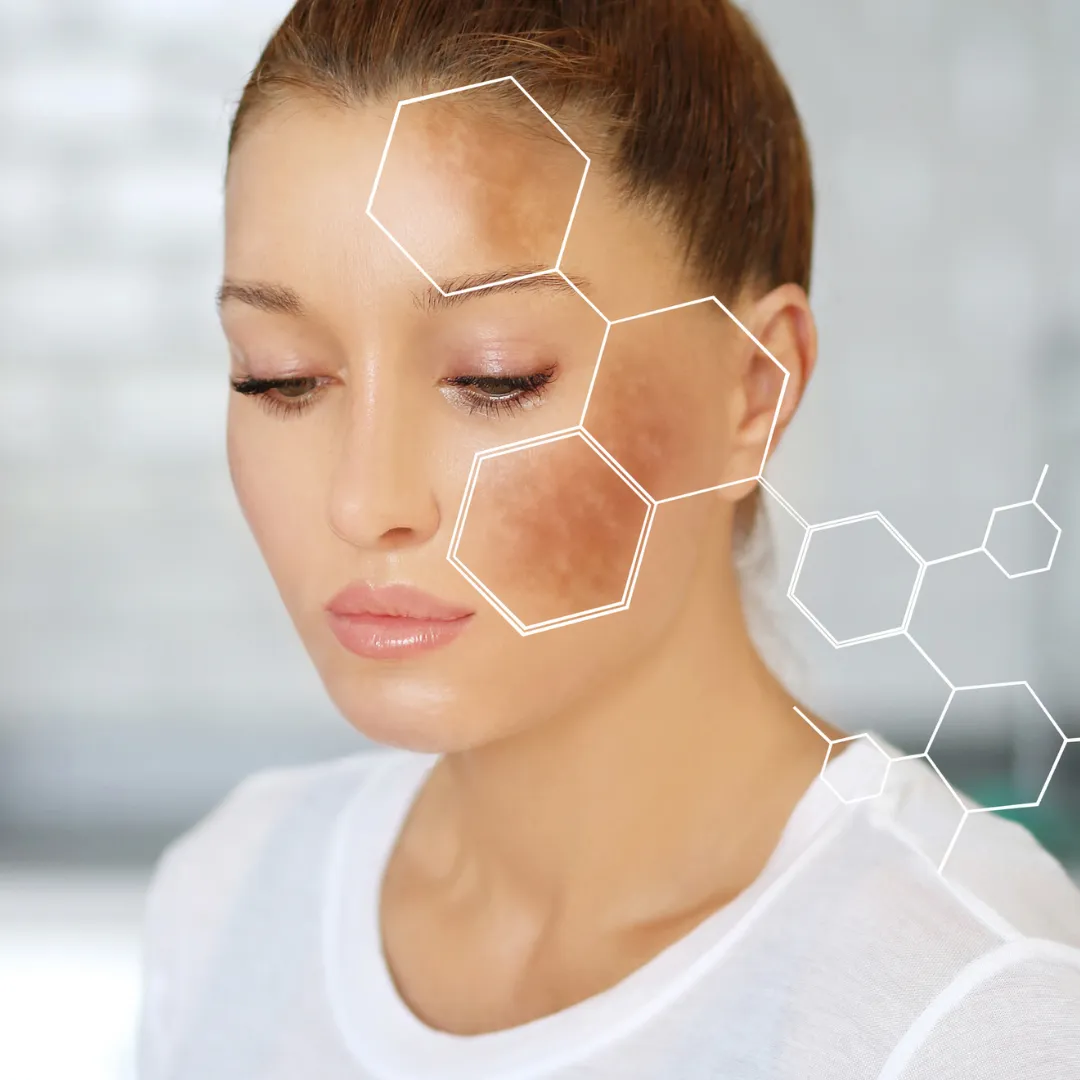
Hyperpigmentation
Hyperpigmentation means an area of skin is darker than the surrounding skin because of increased or altered pigment. The pattern helps identify the cause.
Read the guideCategory guides
Common questions
Is the Q-switch laser treatment painful?
You may feel mild sensations when the laser light pulses are used on your face.
Is the pigmentation treatment permanent?
Yes, once the pigmentation is reversed, it is permanent. However, you could face the same problem again in case you do not take care and do not use sunscreen every day.
What should I understand before choosing hyper pigmentation laser treatment?
The cause of pigmentation must be identified first. Melasma, post-inflammatory pigmentation and a changing mole need different assessments, and a suspicious lesion should not simply be lasered.
What results should I expect?
Some targets fade gradually over multiple treatments. Pigmentation can recur, and hormonal or sun-related conditions may still need ongoing care.
How do I compare this with other options?
Topical treatment, trigger management and selected peels may be preferable for some diagnoses. Laser choice should follow diagnosis, not just the colour of a patch.
Further reading and references
Take the next step
Explore care in your city
For local specialists, clinic information and appointments, choose a city.

Mumbai
Explore local specialists, clinics and appointments in Mumbai.
Explore care
Thane
Explore local specialists, clinics and appointments in Thane.
Explore care
Navi Mumbai
Explore local specialists, clinics and appointments in Navi Mumbai.
Explore care
Hyderabad
Explore local specialists, clinics and appointments in Hyderabad.
Explore care
Jaipur
Explore local specialists, clinics and appointments in Jaipur.
Explore care