 SCIENTIFIC SKIN, HAIR & PERSONAL AESTHETICS


The first sign of winter dryness is often small. Your face feels tight after washing. Moisturiser that was enough a few weeks ago no longer lasts through the afternoon. Your shins look ashy, your hands feel rough, or makeup catches on patches that were not there before.
Indian winters vary widely. A cool, dry week in Jaipur can affect the skin differently from a milder winter in Mumbai. Time spent in air conditioning, hot showers, frequent handwashing and the products already in your bathroom can matter just as much as the temperature outside.
You usually do not need a completely new shelf of products. Start by reducing what irritates the skin and making your existing routine better at holding moisture. This guide builds on SkinGenious's dry-skin information, with practical changes for the face, body, lips and hands, and advice on when a facial or a dermatologist's assessment makes sense.
Why does skin become drier in winter?
The outermost layer of skin helps keep water in and irritants out. Its cells sit within a mixture of natural lipids, including ceramides. When that barrier is disturbed, water escapes more easily and the surface becomes rough, uncomfortable or flaky.
Low humidity, indoor heating and repeated exposure to hot water can contribute. Harsh cleansing and over-exfoliation add to the problem. A routine that felt comfortable during humid weather may become too much when conditions change.
This is why repeatedly wetting your face is not the same as moisturising it. Water on the surface can evaporate. A suitable moisturiser helps retain water and improve the feel of the outer skin layer. The aim is comfortable, supple skin, rather than a face that feels scrubbed clean and tight.
Dry skin, dehydrated skin or an irritated barrier?
These descriptions overlap, but noticing the pattern helps you choose sensible changes. Naturally dry skin tends to produce less oil and may feel rough throughout the year. “Dehydrated skin” is commonly used to describe skin lacking water, even when the nose or forehead still looks shiny. An irritated barrier may sting, burn or react to familiar products.
For example, an oily forehead with tight, flaky cheeks does not mean you should use a stronger cleanser everywhere. You may need gentler cleansing and more moisture on the cheeks while keeping the rest of the routine lighter.
Persistent red, itchy patches deserve more attention than ordinary seasonal tightness. Eczema, contact dermatitis and other skin conditions can resemble simple dryness. If the problem repeatedly returns in the same places, bring that pattern to the consultation rather than buying another exfoliator.
A simple morning routine for winter
1. Cleanse according to what your skin needs
Choose a mild cleanser that leaves the skin comfortable. Heavy foam, a strong fragrance and a squeaky finish are not measures of better cleansing. If your skin is very dry and has little oil or residue in the morning, discuss whether a water rinse is enough at that time of day; cleansing at night remains useful for removing sunscreen and the day's buildup.
Use lukewarm water and your fingertips. A cleansing brush, rough washcloth or long massage is unnecessary when the skin is already tender. Pat rather than rub when drying.
2. Apply a moisturiser you can use consistently
Apply it while the skin is still slightly damp. A cream may feel more comfortable than a light lotion in dry weather, while acne-prone skin may prefer a lighter, non-comedogenic formulation. You can use different amounts on different parts of the face.
A serum is optional. If your moisturiser already keeps the skin comfortable, there is no need to add one simply because winter has arrived. A routine you can repeat every day is more useful than several layers that sting or feel too sticky to wear.
3. Keep sunscreen in the routine
Cool weather does not remove the need for sun protection. Choose a broad-spectrum sunscreen with SPF 30 or higher that is comfortable over your moisturiser. Reapply when outdoors according to the product instructions, and after sweating or wiping it away.
If a very matte formula leaves the face tight, a more moisturising texture may be easier to use. Sunscreen that you apply generously and consistently is more useful than one you avoid because it feels unpleasant. SkinGenious also explains everyday application in its guide to sunscreen use for Indian skin.
An evening routine that gives the skin a break
Remove makeup and sunscreen gently, cleanse as needed and moisturise. That can be the whole routine on an uncomfortable-skin day. Repeated cleansing until the face feels completely stripped can make the next morning worse.
If you use retinoids, exfoliating acids or acne treatments, pay attention to new stinging, scaling or soreness. Winter does not mean everyone must stop salicylic acid or retinoids. It may mean adjusting frequency, strength or the supporting moisturiser. For prescribed treatments, ask the clinician how to make that adjustment rather than abandoning the plan.
A useful starting point is to avoid layering several exfoliating products on the same night. A cleanser containing an acid, an exfoliating toner and a retinoid can become more irritating together than any one product used thoughtfully.
How to choose a moisturiser without getting lost in ingredients
Most moisturisers combine ingredients that do different jobs. Understanding those jobs is more helpful than searching for one fashionable ingredient.
Humectants, such as glycerin and hyaluronic acid, help attract and hold water in the outer skin layer.
Emollients smooth the spaces between rough surface cells and improve the feel of the skin.
Occlusives, such as petrolatum, reduce water loss by forming a protective layer.
Barrier-supporting lipids, including ceramides, are used in formulations designed for dry or sensitive skin.
You do not need separate bottles for each function. A well-formulated cream can combine them. Fragrance-free products are a sensible starting point when skin is easily irritated. “Natural” or “herbal” on the label does not establish that a product will suit sensitive skin.
For very dry hands or a small rough patch, an ointment may be useful. For an acne-prone face, a lighter cream may be easier to tolerate. Judge the product by comfort and response over time, not whether it creates an immediate shiny finish.
Do not forget the skin below your neck
Many people carefully moisturise their face while leaving the arms and legs untreated. Winter dryness often shows up first on the shins, elbows and hands because these areas receive less attention.
The American Academy of Dermatology's dry-skin guidance recommends short, warm showers, gentle cleansing and moisturising promptly afterwards. Creams and ointments can be more effective than lotions for very dry skin. Those simple habits are a useful foundation before adding more products.
Keep a body moisturiser where you dress after bathing so that using it becomes part of the routine. Pay particular attention to areas that feel tight or itchy. If a product burns on cracked skin, stop using that product and choose a simpler formulation or seek advice.
Clothing can also affect comfort. A soft layer between the skin and a scratchy sweater may help reduce rubbing. Change out of damp clothing after exercise, and avoid scratching through clothes when the legs feel itchy.
Chapped lips, rough hands and cracked heels
Lips
Use a plain, comfortable balm regularly and avoid licking or picking peeling skin. Flavoured, fragranced or tingling products can be irritating for some people. Lip care during the day is often more useful than applying a thick layer only after the lips have become painful.
Hands
Repeated washing and household detergents can leave hands sore even when the face feels fine. Keep moisturiser beside the washbasin and use it after washing. Gloves for wet household work reduce repeated detergent exposure; choose a comfortable lining if the glove material itself irritates you.
Heels
Moisturise regularly and avoid aggressively scraping or cutting thick skin at home. Deep, painful cracks, bleeding or persistent inflammation need attention. People with diabetes, reduced sensation or poor circulation should have foot problems assessed rather than treating them as routine cosmetic dryness.
What if you have acne as well as dry skin?
This combination can be frustrating. You may worry that moisturiser will cause more spots, then wash more often to control oil, only to find that the face becomes both shinier and more uncomfortable.
Choose a non-comedogenic moisturiser and a gentle cleanser, and review how often you are using drying acne products. Apply treatment to the areas and at the frequency advised, rather than repeatedly adding more whenever a new spot appears.
Persistent or inflamed acne needs an acne plan. Scrubbing away flakes does not address why spots are developing, and a facial should not replace treatment for painful breakouts. Tell the dermatologist which products you use, including over-the-counter spot gels and weekly masks. The total routine is what matters.
Does winter skin care differ between Mumbai and Jaipur?
The practical difference is how the skin responds to the environment you actually spend time in. Someone living in Mumbai may need only a small change to their usual moisturiser. Someone in Jaipur may find that a richer body cream and more frequent hand care become useful as the weather turns drier.
Indoor conditions can reverse those assumptions. A person in a humid city who works all day in air conditioning may feel drier than someone outdoors in mild weather. Travel can also change the routine that feels comfortable. Take a reliable moisturiser with you rather than testing several unfamiliar products during the trip.
A humidifier may help when indoor air is particularly dry, but it is not essential for every home. Keep it clean according to the manufacturer's instructions and avoid making a room damp. The AAD's winter skin care advice also emphasises adjusting the routine to seasonal conditions rather than continuing irritating products unchanged.
Can HydraFacial help with winter dryness?
A hydration-focused facial may be an option for suitable skin that looks dull or feels mildly rough. SkinGenious's HydraFacial treatment page describes a multistep appointment involving exfoliation and skin-specific products. The clinician should choose the steps around the condition of your skin that day.
A facial and daily moisturising do different jobs. The facial is an occasional appointment; home care manages the repeated effects of cleansing, weather and everyday exposure. Booking a treatment while continuing a routine that irritates the skin is unlikely to solve the underlying problem.
If skin is cracked, actively inflamed, unusually sensitive or flaring with eczema, start with a medical assessment. Exfoliation may be inappropriate at that point. Once the skin is comfortable, you can discuss whether a facial adds anything useful.
Carbon laser facials are generally discussed for oiliness and surface congestion, so they are not an automatic answer to winter tightness. The carbon laser facial service page describes that different focus. Choose according to the concern, rather than booking whichever treatment is currently most talked about.
When dry skin needs a dermatologist
Arrange an assessment if the skin stays itchy or sore despite a gentler routine, if patches keep returning, or if the discomfort affects sleep. Cracks, bleeding, weeping, spreading redness or signs of infection need attention rather than repeated product changes.
Bring the products you use, or photographs of their labels. Note when the problem began, where it occurs and whether it changes after washing, work, travel or a particular product. This gives the clinician a much clearer picture than the description “my skin is dry.”
SkinGenious's Mumbai dry-skin page provides local care options. An appointment can help distinguish seasonal dryness from eczema or another condition and make the routine more manageable.
Common questions about winter dry skin
Will drinking more water fix my dry skin?
Adequate hydration supports general health, but extra water does not replace moisturiser or correct irritation from harsh products. If you are already drinking normally, look at cleansing, bathing and barrier care rather than assuming a larger water bottle will solve the problem.
Should I scrub off the flakes?
Repeated scrubbing can make irritated skin more uncomfortable. Moisturise and simplify the routine first. Flaking that persists, especially with redness or itching, deserves an assessment before you add another exfoliant.
Can oily skin need moisturiser in winter?
Yes. Oiliness does not rule out water loss or irritation. A lighter, non-comedogenic moisturiser may be more comfortable than a heavy ointment across the whole face.
Do I need to stop every active ingredient?
No. Look at how your skin feels and how the products are being used together. Reduce unnecessary exfoliation, and discuss changes to prescribed treatments with the clinician who recommended them.
How quickly should the routine improve?
Comfort may improve before every visible patch disappears. Avoid introducing a new product each day, because that makes it difficult to identify what helps. If symptoms worsen or remain troublesome despite consistent gentle care, seek advice.
A manageable plan for the next week
Replace harsh cleansing with a gentle approach and lukewarm water.
Moisturise the face and body consistently, especially after washing.
Keep sunscreen in the morning routine.
Pause unnecessary scrubs and avoid stacking exfoliating products.
Give hands, lips and heels regular attention.
Notice whether tightness, stinging and itching are settling.
You do not need perfect skin care to make winter more comfortable. Start with the changes you can repeat, give the skin a chance to respond, and ask for help when the symptoms suggest more than ordinary dryness.
Recent blogs
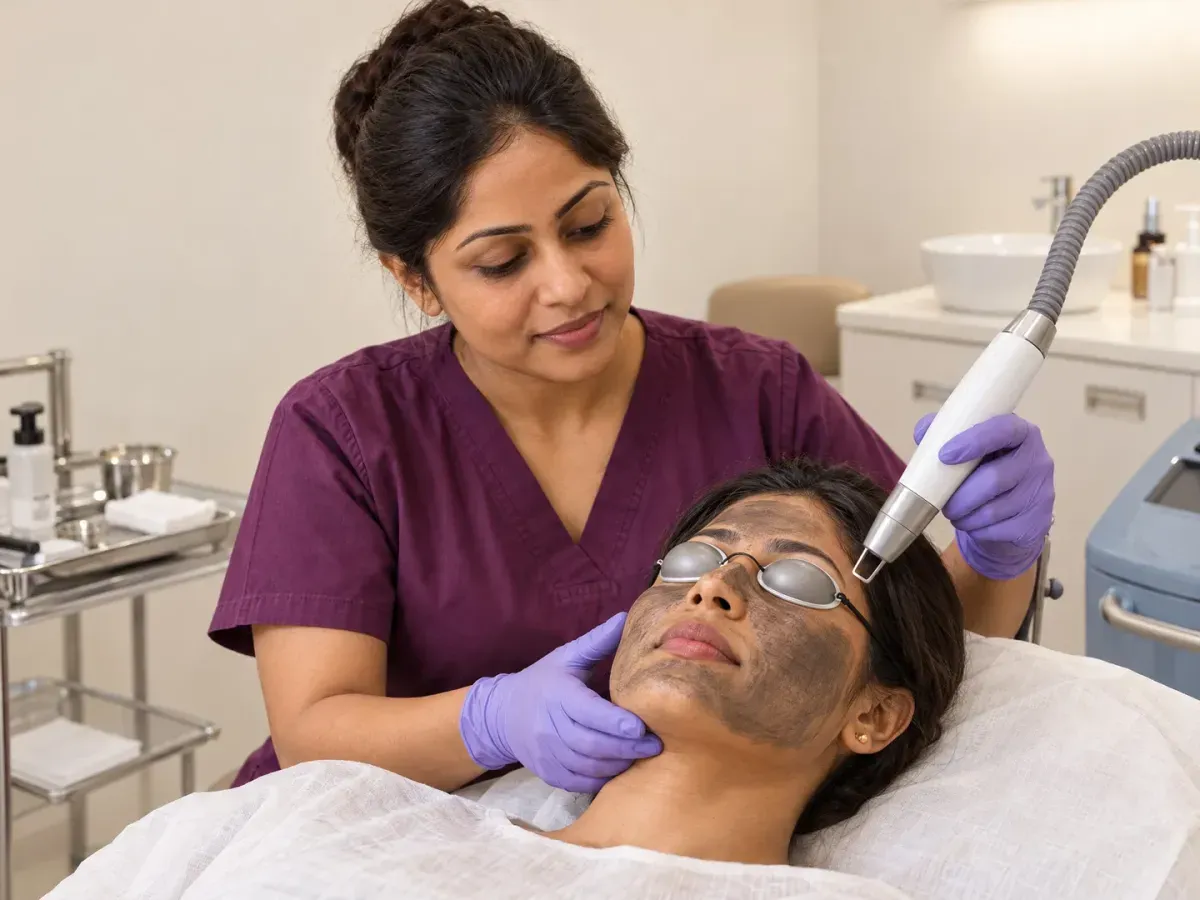
Carbon laser facial cost in india: what you’re pay...
A carbon laser facial can sound like a straightforward purchase until you start comparing quotes. One clinic lists a single session, another offers a course, and a third bundles it with a peel or a facial. The names look similar, but the appointments may be quite different.For a concrete price refer... Read more: Carbon laser facial cost in india: what you’re pay...

Bikini laser hair removal cost in india: per sessi...
Bikini laser hair removal cost in India depends on the area covered, the number of sessions and what the package includes. A useful starting point is a real, published clinic quote: AI Aesthetics in Jaipur lists bikini line treatment at ₹1,500 per session or ₹10,000 for eight sessions, and its separ... Read more: Bikini laser hair removal cost in india: per sessi...

How to find the best HydraFacial in Jaipur: 7 clue...
HydraFacial has become one of the most popular facial treatments among people who want their skin to look cleaner, fresher, smoother and more hydrated. It is searched for before weddings, parties, holidays and important events. It is also chosen by people who are concerned about dullness, blackhe... Read more: How to find the best HydraFacial in Jaipur: 7 clue...

Best HydraFacial in Jaipur: why an ai-customized f...
HydraFacial has become one of Jaipur’s most searched-for facial treatments—and for good reason. It combines cleansing, exfoliation, extraction and hydration in a single clinic-based session, making it a popular choice for people dealing with dullness, dehydration, mild congestion and tired-looking s... Read more: Best HydraFacial in Jaipur: why an ai-customized f...